How to Remove a Charge-Off From Your Credit Report
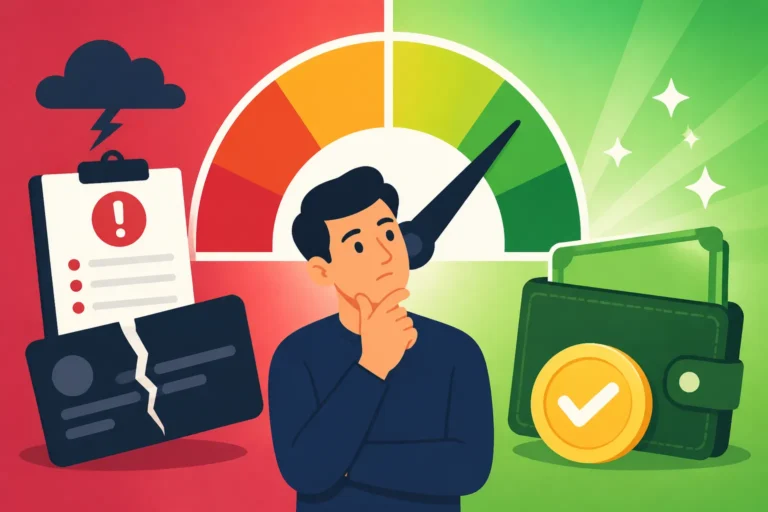
Finding a "charge-off" on your credit report can feel like a punch to the gut. It's a stark reminder of past financial struggles, and it can seriously hinder your ability to get approved for loans, credit cards, or even apartments. This guide will walk you through exactly what a charge-off is, why it's so problematic, and the actionable steps you can take to try and remove it or mitigate its impact on your credit.
Understanding What a Charge-Off Truly Means for Your Credit
When you see "charge-off" staring back at you from your credit report, it's often a sign that a creditor has given up on collecting a debt from you. But it's more nuanced than just "giving up." It's a formal accounting term that impacts both the creditor and you.
The Harsh Reality of a Charge-Off
A charge-off occurs when a creditor, like a bank or a credit card company, determines that a debt is unlikely to be collected. From their accounting perspective, they write off the debt as a loss. This usually happens after you've missed payments for a significant period, typically between 120 and 180 days. For instance, if you had a credit card with Capital One and stopped making payments for six months, they would likely "charge off" that account. This doesn't mean the debt disappears or that you no longer owe it. It simply means the original creditor has reclassified it on their books and will now likely sell it to a third-party collection agency or hire one to pursue you for payment.
The impact on your credit score is immediate and severe. A charge-off signifies a major default, telling future lenders that you've failed to honor a financial obligation. This can drop your credit score by a significant number of points, potentially making it incredibly difficult to secure any new credit products, mortgages, or even favorable insurance rates for years to come. It’s a red flag that screams "high risk" to anyone checking your financial history.
How Charge-Offs Appear on Your Credit Report
Once an account is charged off, the original creditor will report this status to the three major credit bureaus: Equifax, Experian, and TransUnion. It will appear as a negative entry, usually under the "account status" section, clearly labeled as "charged off." This entry will include the original creditor's name, the date of the charge-off, the balance at the time of the charge-off, and the payment history leading up to it.
Crucially, the original charged-off account typically remains on your credit report for up to seven years from the date of the original delinquency – that's the first missed payment that led to the charge-off. If the debt is then sold to a collection agency, a new collection account might appear on your report as well, often alongside the original charge-off. This can create a double negative impact, as you might have both the original charged-off account and a separate collection account for the same debt. It can get really confusing when you're trying to figure out what's what on your credit report, which is why learning How to Read Your Credit Report (2026 Guide) is so essential.
Why You Need to Address a Charge-Off Promptly
Ignoring a charge-off, unfortunately, won't make it go away. In fact, it can lead to a cascade of negative consequences that extend far beyond your credit score, making everyday financial tasks incredibly challenging.
The Impact on Your Credit Score
A charge-off is one of the most damaging items that can appear on your credit report, right up there with bankruptcies and foreclosures. It signals to lenders that you've essentially defaulted on a significant debt. According to FICO, payment history makes up 35% of your credit score, and a charge-off is a glaring black mark in this category. The moment it hits your report, expect your score to plummet, often by 100 points or more depending on your starting score and the overall health of your credit file.
The negative impact isn't just felt once; it's a persistent drag on your score for its entire reporting period, which, as we discussed, can be up to seven years from the date of the original delinquency. This means that even if you start making progress in other areas of your financial life, that charge-off acts like an anchor, holding your score down. It can make the difference between a "good" credit score and a "poor" or "fair" one, significantly increasing the cost of any credit you might be able to obtain. You can learn more about What Affects Your Credit Score? The 5 Factors to understand the full picture.
Barriers to Future Financial Opportunities
The repercussions of a charge-off extend far beyond just higher interest rates. Imagine trying to buy a car, secure a mortgage, or even rent a new apartment. Lenders and landlords routinely check your credit report, and a charge-off will instantly flag you as a high-risk applicant. You might find yourself denied outright, or if approved, you'll be offered the least favorable terms available, such as exorbitant interest rates or requiring a substantial down payment or security deposit. For instance, an auto lender might offer someone with excellent credit 4% APR, while someone with a charged-off account might be looking at 18-25% APR, costing thousands more over the life of the loan.
Beyond lending, charge-offs can even affect utility hookups, cellphone contracts, and employment opportunities, especially in jobs requiring financial responsibility. Some employers, particularly those in finance or government, may review your credit history as part of their background check. While it's illegal for most employers to discriminate based solely on credit, a pattern of financial distress shown by charge-offs can certainly influence hiring decisions, leading to missed opportunities.
Step-by-Step Guide to Removing an Inaccurate Charge-Off
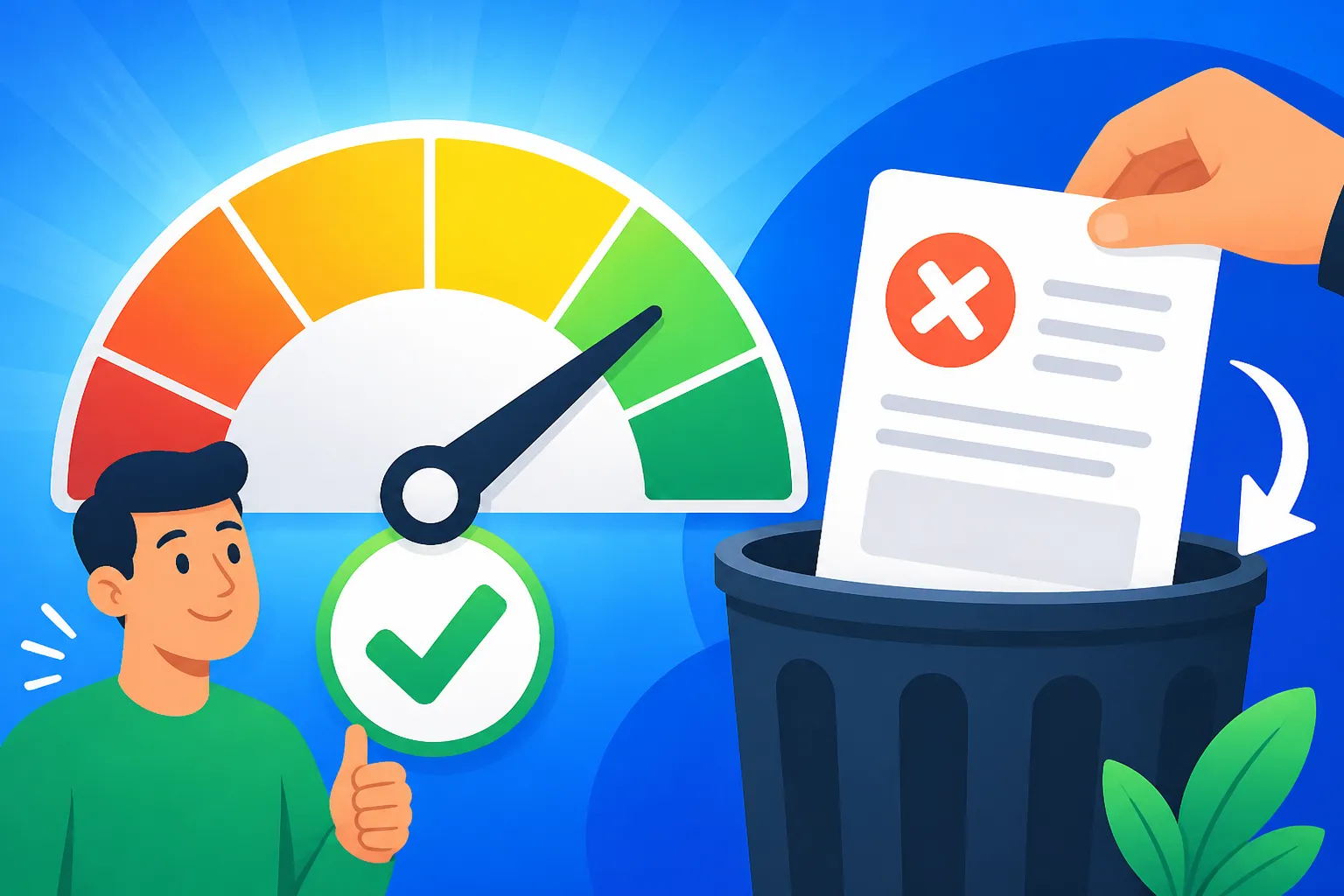
The good news is that if a charge-off is inaccurate or contains errors, you have a legitimate path to get it removed from your credit report. It requires diligence and a systematic approach, but it's definitely worth the effort.
Obtaining Your Credit Reports and Identifying the Error
The very first step is to get copies of your credit reports from all three major bureaus: Experian, Equifax, and TransUnion. You can do this for free once a year through AnnualCreditReport.com. It's crucial to check all three because errors don't always appear on every report. What one bureau shows, another might not, or they might display different details for the same account.
Once you have your reports, review the charge-off entry with a fine-tooth comb. Look for any discrepancies, no matter how small. Is the account number correct? Is the date of the original delinquency accurate? Does the balance match your records? Is the creditor's name spelled correctly? Has it been reported by the original creditor and a collection agency when it should only be one or the other, or is it listed more than once as a "duplicate" entry? Even a slight error, like a wrong reporting date or an incorrect balance, can be grounds for dispute. Remember, the Fair Credit Reporting Act (FCRA) requires that credit report information be 100% accurate.
Crafting a Strong Dispute Letter
If you find an error, your next move is to draft a dispute letter. This letter should be sent to the credit bureau(s) reporting the inaccurate information, and it's often a good idea to send a copy to the original creditor as well. You need to clearly state what information you are disputing and why you believe it is inaccurate. Include copies of any supporting documentation you have, such as payment records, account statements, or correspondence with the creditor. Never send originals.
Your letter should be clear, concise, and professional. It's not a place for emotional arguments, just facts. Make sure to include your full name, address, and relevant account numbers. Send the letter via certified mail with a return receipt requested. This provides you with proof that the bureau received your dispute, which can be invaluable if you need to follow up or escalate the issue later. You can find excellent resources on How to Dispute Credit Report Errors (Step-by-Step) and even How to Write a Credit Dispute Letter (Template) to guide you through this process.
What Happens After You File a Dispute
Once the credit bureau receives your dispute, they are legally obligated to investigate the claim within 30 days (or 45 days if you provided additional information during the 30-day period). They will contact the creditor or collection agency that reported the charge-off to verify the information.
During this investigation period, the credit bureau will review the details you provided and the information supplied by the data furnisher. If the creditor cannot verify the accuracy of the charge-off (for example, if they no longer have records or if the information is indeed incorrect), the credit bureau must remove the item from your report. If the information is verified as accurate, they will inform you, and the charge-off will remain. Keep a close eye on your mail for updates, and if you don't hear back within the stipulated timeframe, follow up promptly. If the item is removed, great! But if it's verified, don't despair – you still have other options, which we'll cover next. This is part of the broader process of How to Remove Negative Items From Your Credit Report.
Strategies for Dealing with Accurate Charge-Offs
It's a tough pill to swallow, but sometimes a charge-off is entirely accurate. You might have indeed missed payments for an extended period, leading to the charge-off. In these cases, disputing for accuracy won't work. However, you still have options to try and mitigate the damage and potentially get the item removed or updated.
Negotiating a Pay-for-Delete Agreement
One popular strategy is to attempt a "pay-for-delete" agreement. This involves contacting the collection agency (or the original creditor, if they still own the debt) and offering to pay a portion or the full amount of the charged-off debt in exchange for them agreeing to remove the entry from your credit reports. While tempting, it's important to understand a few things: First, collection agencies are not obligated to agree to a pay-for-delete. Second, even if they agree, get everything in writing before you make any payment. A verbal agreement is practically useless. The written agreement should explicitly state that they will remove the charge-off (and any associated collection accounts) from all three credit bureaus upon receiving payment.
You might start by offering 20-30% of the original debt and be prepared to negotiate upwards. If they refuse to remove it entirely, they might agree to update the status to "paid in full" or "paid for less than the full amount," which is still better than an unpaid charge-off, though it doesn't erase the negative mark. The topic of Pay for Delete: Does It Really Work? goes into much greater detail.
Debt Settlement vs. Paying in Full
When negotiating, you'll need to decide whether to aim for paying the debt in full or settling for a lesser amount. Paying in full will look better on your credit report if the account status is updated, but settling for less is often a more realistic option, especially if the debt is significant. Debt collectors purchase these debts for pennies on the dollar, so they often have a lot of room to negotiate. They'd rather get something than nothing.
If you settle, the entry on your credit report will typically show "settled for less than the full amount." While not ideal, it's still an improvement over an unpaid charge-off, as it indicates you've resolved the debt. However, be aware of the tax implications. If the amount of debt forgiven is $600 or more, the creditor or collector may issue you a 1099-C form, and that forgiven debt could be considered taxable income by the IRS, unless you are insolvent. Always weigh your financial situation and consider seeking advice from a financial professional before entering into any settlement agreement. For broader advice, check out How to Negotiate With Debt Collectors.
The Importance of a Debt Validation Letter
Before you even consider paying an accurate charge-off, especially if it's now with a collection agency, it's smart to send a debt validation letter. This is your right under the Fair Debt Collection Practices Act (FDCPA). You request that the collector provide proof that the debt is yours, that they have the legal right to collect it, and that the amount is accurate. This can sometimes reveal that the collector doesn't have all the necessary paperwork, which could lead to them dropping the collection or being unable to verify it with the credit bureaus, thus leading to its removal.
Send this letter within 30 days of their initial contact. If they cannot validate the debt, they cannot legally continue to collect from you. If they fail to validate the debt and continue to report it, you may have grounds to dispute it as inaccurate with the credit bureaus. This strategy is critical and often overlooked. You can find more information on What Is Debt Validation and How to Request It.
Rebuilding Your Credit After a Charge-Off
Even if you can't get a charge-off removed, all hope is not lost. The most effective long-term strategy is to focus on rebuilding your credit with positive payment history. Time, combined with smart financial habits, can significantly diminish the impact of a charge-off.
Establishing New, Positive Credit History
Once you've addressed the charge-off (whether by removal, settlement, or simply acknowledging it), the next step is to start actively building positive credit. This means opening new accounts and managing them responsibly. Consider a secured credit card, which requires a cash deposit that becomes your credit limit. This minimizes risk for the lender and allows you to demonstrate responsible card usage. The Capital One Platinum Secured Card and Discover it® Secured Credit Card are popular choices that report to all three major credit bureaus.
Another excellent tool for building credit, especially if you're struggling to get approved for traditional credit cards, is a credit builder loan. Companies like Credit Strong offer these loans, which are designed to help you build payment history without needing a perfect credit score upfront. You make regular payments into a locked savings account, and once the loan term is complete, you receive the funds. It’s a low-risk way to show consistent, on-time payments, which is exactly what your credit report needs after a charge-off. Using such tools can be an integral part of How to Build Credit From Scratch (2026 Guide) or How to Rebuild Credit After Collections.
Maintaining Healthy Credit Habits
Building new credit is only half the battle; maintaining good habits is what truly helps your score recover. This means:
- Paying all bills on time, every time: This is the single most important factor in your credit score. Set up automatic payments or calendar reminders to ensure you never miss a due date.
- Keeping credit utilization low: Aim to use no more than 30% of your available credit on any credit card. For example, if you have a card with a $500 limit, try to keep your balance below $150.
- Diversifying your credit mix (over time): As your score improves, consider adding different types of credit, such as a small personal loan in addition to credit cards. However, don't open too many accounts at once, as too many hard inquiries can temporarily lower your score.
- Regularly checking your credit reports: Continue to monitor your reports for any new errors or suspicious activity. You can get free copies from AnnualCreditReport.com.
Consistency is key. It takes time, but by consistently demonstrating responsible financial behavior, the impact of the charge-off will lessen, and your credit score will gradually climb.
Navigating Common Charge-Off Challenges
Dealing with a charge-off often brings its own set of unique difficulties, from aggressive debt collectors to the emotional toll it takes. Understanding how to handle these challenges can make the process less daunting.
Dealing with Debt Collectors and Charge-Offs
Once an account is charged off, it's very common for the original creditor to sell the debt to a third-party debt collector or hire one to collect on their behalf. This often means you'll start receiving calls and letters from collection agencies. It can be incredibly stressful, but it's important to know your rights under the Fair Debt Collection Practices Act (FDCPA). This federal law protects consumers from abusive, deceptive, and unfair debt collection practices.
For example, debt collectors cannot call you at unreasonable hours, harass you, or make false threats. If you're being contacted, the first step is to send a debt validation letter (as discussed earlier). You can also send a "cease and desist" letter to stop further contact, though this doesn't absolve you of the debt, it just stops communication. Always document every interaction, including dates, times, names of callers, and what was discussed. If a collector violates your rights, you can report them to the Consumer Financial Protection Bureau (CFPB) or your state's attorney general. Knowing how to manage these interactions is crucial when you are considering How to Freeze Debt Collector Contact (Cease & Desist).
When to Consider Professional Help
While many of these steps can be undertaken DIY, there are times when professional help can be invaluable. If you have multiple charge-offs, are overwhelmed by debt, or are unsure about your legal rights, a reputable credit repair company or a non-profit credit counseling agency can provide guidance. They have experience navigating the complexities of credit reporting laws and negotiating with creditors.
However, be cautious when choosing a credit repair service. There are many scams out there. A legitimate company will never ask you to pay upfront fees before services are rendered, guarantee specific results, or tell you to create a "new" credit identity. Look for companies that are transparent about their fees and services, and ideally, those with positive reviews and accreditation from organizations like the National Foundation for Credit Counseling (NFCC). For more insights, you might want to read Credit Repair Companies vs DIY: Which Is Better?.
Remember, removing a charge-off can be a challenging journey, but it's not an impossible one. With persistence, knowledge, and a commitment to better financial habits, you can overcome this hurdle and restore your credit health.
| Strategy | Best Use Case | Potential Outcome (if successful) | Pros | Cons |
|---|---|---|---|---|
| Dispute for Accuracy | Inaccurate information on your credit report | Removal of the charge-off | Erases the negative mark entirely | Only works if there's an actual error |
| Pay-for-Delete | Negotiating with a collector for an accurate charge-off | Removal of the charge-off | Erases the negative mark entirely | Collector isn't obligated to agree; needs written agreement |
| Debt Validation | When contacted by a collection agency | Collector drops the debt; removal if unverified | Can prevent collection efforts if debt isn't validated | Only works if the collector cannot validate the debt |
| Debt Settlement | Paying a portion of an accurate charge-off | "Settled" status on report | Resolves debt for less than full amount; better than unpaid | Still a negative mark; potential tax implications |
| Paying in Full | For accurate charge-offs you can afford to pay | "Paid in full" status on report | Best possible resolution for an accurate charge-off | Requires paying the full amount |
| Credit Rebuilding | After dealing with the charge-off itself | Improved credit score over time | Long-term, sustainable credit improvement | Does not remove the charge-off, but diminishes its impact over time |
Disclaimer
This article is for general informational purposes only and does not constitute professional advice. Laws, prices and regulations vary by location and change over time. Consult a qualified professional for guidance on your specific situation.