Does Canceling a New Card Hurt Your Score?
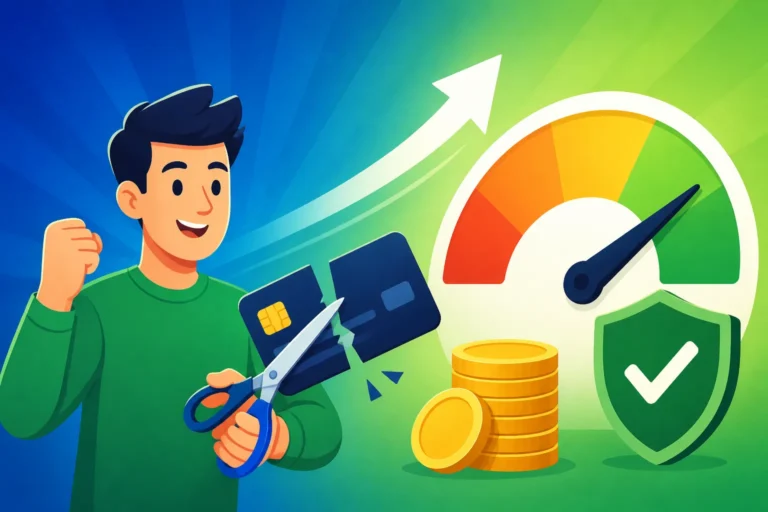
It’s a scenario many of us have faced: you apply for a new credit card, get approved, maybe even activate it, and then suddenly you have buyer’s remorse. Perhaps the annual fee seems too high, or the rewards aren't what you expected, or you just realize you don't need another line of credit. The natural inclination is to cancel it, but then a wave of fear hits – will this decision tank your hard-earned credit score? This guide will dive deep into what truly happens to your credit score when you decide to cancel a brand-new credit card and what you can do about it.
The Immediate Aftermath: What Happens When You Apply for a New Card?
Before we even get to the cancellation part, it’s crucial to understand what unfolds the moment you hit "submit" on that credit card application. Your credit report and score are already experiencing shifts, and these initial changes are important context for any subsequent decisions.
The Hard Inquiry Hit
When you apply for a new credit card, the issuer typically performs what’s known as a "hard inquiry" or "hard pull" on your credit report. This is essentially a peek into your financial history to assess your creditworthiness. Unlike a "soft inquiry" (like when you check your own credit score, or a lender pre-screens you for an offer), a hard inquiry is recorded on your credit report for about two years, though its impact on your score usually fades after a few months.
This hard inquiry alone can cause a small, temporary dip in your credit score, typically by a few points. It’s a signal to lenders that you're seeking new credit, and too many hard inquiries in a short period can suggest a higher risk. So, the moment you applied, whether you keep the card or not, that hard inquiry has already made its mark. Canceling the card won't make it disappear, as it's a record of your application activity, not the account itself. To learn more about this, you can check out our comprehensive guide on How Long Does a Hard Inquiry Stay on Your Credit Report?.
Your Credit History Starts
The credit card account, once opened, immediately becomes part of your credit history, even if you haven't used it. The credit bureaus—Experian, Equifax, and TransUnion—are informed that you have a new open account with a specific credit limit. This new account begins its "age" from that opening date.
For example, if you applied for a new card from Capital One, the moment it's approved and opened, it starts reporting to the credit bureaus. Even if you never use the card, its existence, its credit limit, and its open date are all recorded. This contributes to various factors that determine your overall credit score, like your total available credit and the average age of your accounts. This new entry, especially for someone with a short credit history, can disproportionately affect the average age of their accounts.
The Core Question: Does Canceling a New Card Hurt Your Score?
Now, let's get to the heart of the matter. You've applied, the hard inquiry is done, and the account is open. What happens if you decide to close it almost immediately? The answer is nuanced, but generally, yes, it can have a negative impact, albeit one that might be manageable depending on your overall credit profile.
Short-Term vs. Long-Term Impact
When you cancel a new card, you're essentially removing a very young account from your credit file. In the short term, the direct impact of the cancellation itself might not feel as dramatic as the initial hard inquiry. However, the long-term effects can be more significant because it impacts key aspects of your credit profile.
Think about it this way: your credit score is heavily influenced by the average age of your credit accounts. If you have several older accounts and add a new one, your average age goes down slightly. If you then close that new account, it disappears from the "open" calculation, but the fact that it existed and was closed will still be part of your history. More importantly, you lose the opportunity for that account to age over time, which would eventually help lengthen your overall credit history. For someone just starting out, say, building credit at 18, closing their first or second card can be a much bigger deal than for someone with a decade of credit history.
Credit Utilization Ratio Considerations
One of the most impactful ways canceling a new card can hurt your score is through your credit utilization ratio. This ratio looks at how much of your total available credit you're currently using. For instance, if you have a total credit limit of $10,000 across all your cards and you're carrying a balance of $2,000, your utilization is 20%. Lenders generally prefer to see this ratio below 30%, with lower being better.
When you cancel a card, you eliminate that card's credit limit from your total available credit. Let's say your new card had a $2,000 limit. If you close it, your total available credit drops from $10,000 to $8,000. If you still have that $2,000 balance on your other cards, your utilization ratio suddenly jumps from 20% to 25% ($2,000 / $8,000). This increase, even if you haven't spent more, can cause your score to drop because it signals that you're using a larger percentage of your available credit, which can be seen as a higher risk. This is a critical factor, as explained in our guide on Credit Utilization: The Complete Guide.
Age of Accounts and Credit Mix
As mentioned, the age of your credit accounts is a significant factor in your credit score, making up about 15% of your FICO score. Lenders like to see a long history of responsible credit use, as it demonstrates stability. When you cancel a new card, especially one that could have become a long-standing account, you prevent it from contributing to a longer average credit age. This impact is even more pronounced if you have a "thin credit file," meaning you don't have many other accounts or a long credit history.
Additionally, your credit mix (the variety of credit you have, like credit cards, installment loans, mortgages) plays a smaller role, accounting for about 10% of your score. If this new card represented a type of credit you didn't have much of, closing it could slightly impact this factor. However, for most people, the impact on credit mix is minimal compared to utilization and age of accounts. If you're looking for different ways to build your credit mix, sometimes a credit builder loan, like those offered by Credit Strong, can be a great alternative, as it adds an installment loan to your report without immediate spending needs.
Why You Might Be Tempted to Cancel (and Alternatives)
It's completely understandable why you might want to cancel a new card. Financial circumstances change, or the card just doesn't fit your needs after all. Let's look at common reasons and explore alternatives that might be less damaging to your credit.
Buyer's Remorse or Unfavorable Terms
Sometimes, the excitement of approval outweighs the fine print. You might realize the annual fee is higher than you anticipated, or the interest rate (APR) is less favorable. Maybe the rewards program is too complicated, or the card simply doesn't align with your spending habits or financial goals. For example, if you signed up for a travel card with a $95 annual fee, only to realize your travel plans are now on hold, that fee can feel like a waste.
Another common reason is simply feeling overwhelmed. If you're trying to simplify your finances or reduce the number of accounts to manage, a new card might feel like an unnecessary burden rather than a helpful tool. The good news is that there are often better alternatives than outright cancellation.
Strategic Under-Utilization (Instead of Canceling)
Instead of closing the account, a far less damaging approach is to keep the card open and simply not use it, or use it very minimally and pay it off immediately. By keeping the card open, you preserve its credit limit, which helps maintain a healthy credit utilization ratio. The account also continues to age, contributing positively to your average age of accounts over time.
For instance, you could set up a small, recurring charge, like a streaming service subscription (e.g., Netflix, Spotify), to be paid with the card. Then, set up automatic payments from your bank account to pay the statement balance in full each month. This ensures a perfect payment history, keeps the card active, prevents interest charges, and allows the account to mature gracefully, ultimately benefiting your credit score in the long run. Building a positive payment history is one of the most important aspects of How to Use a Credit Card to Build and Keep Good Credit. This strategy is particularly useful if you're trying to raise your credit score. If you're struggling to build consistent payment history or manage credit cards, products like the Credit Strong credit builder loan can also provide a structured way to report positive payments without the revolving debt of a credit card.
Factors to Consider Before Pulling the Plug
Before you pick up the phone to cancel that shiny new credit card, take a moment to weigh these factors. Your personal credit situation will heavily influence whether canceling is a minor bump or a significant setback.
Your Overall Credit Profile
Consider the strength and depth of your existing credit history. If you have a long-standing, robust credit profile with multiple seasoned accounts, a high overall credit limit, and a low utilization ratio, closing a new card might have a minimal, fleeting impact. Your established accounts can absorb the minor shock of a new account disappearing.
However, if you have a "thin credit file" with only a few accounts, or if this new card significantly increased your total available credit, canceling it could have a more noticeable negative effect. For example, if this new card was one of only two credit cards you possess, and you're still early in your journey of How to Build Credit From Scratch, closing it would be far more impactful than for someone with eight other credit cards and a mortgage. The more established your credit, the less sensitive it typically is to minor fluctuations.
Annual Fees and Card Benefits
Sometimes, an annual fee is the primary driver for wanting to cancel. While it's wise to avoid unnecessary fees, evaluate if the card's benefits outweigh its cost. Does the card offer perks you might use later, such as travel credits, insurance benefits, or special rewards categories that could eventually save you money or provide value?
For example, some premium travel cards might have high annual fees but offer lounge access, statement credits for travel, or valuable points. If you expect to utilize these benefits in the future, it might be worth keeping the card, even if you don't use it much right now. Remember, the fee is a fixed cost, but the damage to your credit from canceling could be a more long-term issue if your credit profile is fragile.
Potential Downgrade Options
Before you cancel, always call the credit card issuer and ask if you can "product change" or "downgrade" your card to a version with no annual fee. Many issuers, like Chase or American Express, will allow you to switch to a different card within their portfolio while keeping the original account open. This is a fantastic option because it maintains the age of the account and its credit limit, preventing the negative impacts on your credit utilization and average age of accounts, all while eliminating the annual fee.
For example, if you have a new card with a $95 annual fee but discover you don't need its perks, you might be able to downgrade it to a no-annual-fee version from the same bank. This keeps the account on your report, aging gracefully, without costing you money. The specific terms vary by issuer and card type, so it's always worth a phone call.
Here's a quick summary of the considerations:
| Feature/Action | Keeping New Card Open (Even Unused) | Canceling New Card Immediately |
|---|---|---|
| Hard Inquiry | Already on report; no change. | Already on report; no change. |
| Account Age | Continues to age, eventually improving average age of accounts. | Stops aging; removes a potentially long-term positive factor from average age calculation. |
| Credit Utilization | Preserves available credit, helping to keep utilization low. | Reduces total available credit, potentially increasing utilization ratio. |
| Credit Mix | Maintains diverse credit portfolio (if applicable). | May slightly reduce diversity if it was a unique account type. |
| Payment History | Opportunity to build positive payment history with minimal use and timely payments. | No further payment history recorded for this account. |
| Annual Fees | May incur annual fees (but can often be downgraded). | Avoids annual fees. |
| Overall Score Impact | Generally neutral to positive over time. | Often a small, temporary dip due with potential for negative long-term effects on age/utilization. |
What To Do Instead of Canceling
If you’re still hesitant about canceling, and the reason isn’t a massive, unavoidable annual fee that no downgrade can fix, there are several proactive steps you can take to minimize potential harm and even turn the new card into a credit-building asset.
Firstly, if the card has an annual fee, always explore if you can downgrade it to a no-annual-fee version with the same issuer. This is often the best of both worlds, as you keep the account history and credit limit, but stop paying for perks you don't use. Call the customer service line and explain your situation.
Secondly, as mentioned, consider using the card for one small, recurring expense (like a monthly streaming service) and setting up autopay for the full balance. This ensures activity, builds positive payment history, and keeps your credit utilization low. This disciplined approach is a cornerstone of raising your credit score.
Thirdly, review your overall credit report to understand its current health. Knowing your What Affects Your Credit Score? The 5 Factors will help you make an informed decision. If your credit report is already thin or has negative marks, adding another closed account might not be the best strategy. If you're concerned about your total credit limit or credit utilization, you might even consider asking for a credit limit increase on your other cards to offset the impact of potentially closing a new one, though be mindful that asking for an increase can sometimes lead to a hard inquiry.
Finally, if your primary concern is simply having too many cards or the temptation to spend, you can put the new card in a safe place, out of sight. You don't have to use it constantly to benefit from it. Its very existence on your credit report, as long as it's in good standing and not accumulating fees, can be a silent contributor to a healthy credit score over time.
Conclusion
Canceling a brand-new credit card might seem like a quick fix for buyer's remorse, but it's rarely without consequence for your credit score. While the hard inquiry from the application is already on your report, closing the account can negatively impact your credit utilization ratio and the average age of your credit accounts, two significant factors in your score. For those with a shorter credit history or limited available credit, these impacts can be more pronounced.
Instead of rushing to cancel, consider alternatives like downgrading to a no-annual-fee card or strategically using the card for minimal, recurring expenses that are paid off immediately. These approaches allow the account to age gracefully and contribute positively to your credit profile, without the burden of unwanted fees or the temptation of overspending. Always assess your individual credit situation before making a decision, keeping in mind that the long-term health of your credit score is often best served by careful, informed choices rather than quick reactions.
Disclaimer
This article is intended for informational purposes only and does not constitute financial or legal advice. Credit decisions are complex and unique to individual circumstances. It is recommended to consult with a qualified financial advisor for personalized advice.