How to Pay Off $30,000 in Credit Card Debt
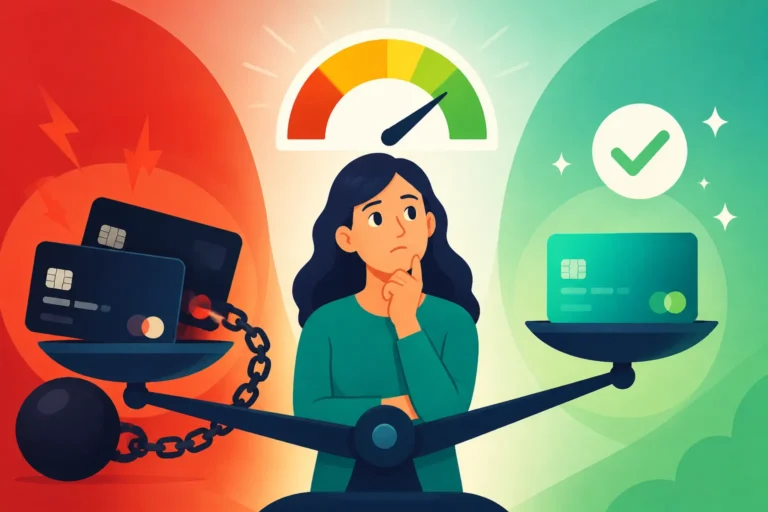
Feeling buried under $30,000 in credit card debt can feel like a suffocating weight, a constant source of stress that impacts every aspect of your life. It's a daunting figure, and it's easy to feel hopeless or unsure of where to even begin. This guide is here to walk you through a realistic, step-by-step path to not just tackling that debt, but understanding the strategies that can lead you to financial freedom.
Acknowledging the Weight of $30,000 in Credit Card Debt
Let's be real: $30,000 isn't pocket change. It's the cost of a new car, a significant down payment on a home, or years of tuition. When that amount is sitting on credit cards, it often comes with crushing interest rates that make it feel like you're running on a hamster wheel, paying and paying but never getting ahead. This isn't just a financial burden; it's an emotional one that can lead to sleepless nights, strained relationships, and a pervasive sense of anxiety.
Many people find themselves in this situation for a myriad of reasons – unexpected job loss, medical emergencies, a series of small splurges that added up, or simply not having a solid financial plan in place. It's incredibly common, and it's important to remember that you're not alone and this doesn't define your worth. The first step, truly, is to confront the reality of the situation without judgment and commit to making a change.
This level of debt can also seriously impact your credit score, making it harder to get approved for loans, rent an apartment, or even secure certain jobs. Your credit utilization ratio – the amount of credit you're using compared to your total available credit – becomes incredibly high when you owe $30,000 on cards. Lenders see this as a high-risk factor, and it can take years to recover if not addressed strategically. It's a cycle that feels impossible to break, but I promise you, it's not.
Getting Clear on Your Debt Landscape
Before you can chart a course to freedom, you need to understand exactly what you're up against. This isn't the fun part, but it's absolutely crucial. Think of it like mapping out a journey; you can't get to your destination if you don't know where you're starting from. This means gathering all your credit card statements, logging into online accounts, and taking a deep breath as you face the numbers head-on.
Inventory Your Debts
Start by listing every single credit card you have with a balance. Don't leave anything out, no matter how small or how embarrassing it might feel. This exercise isn't about shaming yourself; it's about empowerment through knowledge. Write down the card name, the current balance, the interest rate (APR), and the minimum monthly payment. Also, note down the due date for each card so you can prioritize payments and avoid late fees, which only add to the problem.
Some people find it helpful to create a simple spreadsheet or use a notebook for this. Visualizing all your debts in one place can be a powerful motivator. You might discover that some cards have significantly higher interest rates than others, which will be a key factor in deciding your attack plan. You might also uncover old store cards you barely remember using, but which are still accruing interest.
This initial inventory also gives you a clear picture of your total monthly minimum payments. Often, this figure alone can be eye-opening, revealing just how much of your income is tied up in simply treading water. Knowing this number is essential for building a realistic budget and freeing up extra cash to put towards your debt repayment.
Understand Your Interest Rates and Fees
Credit card interest rates can range wildly, often from 15% to upwards of 30% APR. This is the silent killer of debt repayment, as a significant portion of your minimum payment often goes directly to interest, leaving very little to reduce your principal balance. When you have $30,000 across multiple cards, even a few percentage points difference in APR can translate to thousands of dollars in extra costs over time.
Look for any annual fees associated with your cards. While a $50 or $95 annual fee might seem small, it adds another burden, especially if the card isn't providing significant benefits to offset that cost. If you're not actively using a card that has an annual fee and it's not one of your oldest accounts (which could impact your credit age: how length of history affects your score if closed), consider calling the issuer to see if they can waive the fee or downgrade you to a no-annual-fee card.
Late payment fees are another trap. Missing a payment not only adds a fee, but it can also trigger a penalty APR, pushing your interest rate even higher. This is why having all your due dates organized is so vital. If you anticipate missing a payment, call the credit card company before the due date. Sometimes they can work with you, especially if you have a good payment history.
Strategic Approaches to Tackle $30,000 in Debt
Once you have a clear picture of your debt, it's time to choose your weapon. There are several proven strategies to pay down credit card debt, each with its own benefits. The best one for you often depends on your personality, your financial situation, and how you're motivated. Regardless of the method, the core principle is to consistently pay more than the minimum required.
The Debt Snowball Method
The debt snowball method, popularized by financial experts like Dave Ramsey, focuses on psychological wins. Here’s how it works:
- List all your debts from the smallest balance to the largest, regardless of interest rate.
- Make minimum payments on all debts except the smallest one.
- Throw every extra penny you can find at that smallest debt until it's paid off.
- Once the smallest debt is gone, take the money you were paying on it (minimum payment + extra) and add it to the minimum payment of your next smallest debt.
- Continue this process, "snowballing" your payments from one debt to the next until all are paid off.
For someone feeling overwhelmed by $30,000, seeing that first small debt disappear can be incredibly motivating. It creates momentum and proves that you can do this. While it might cost a bit more in interest over time compared to the avalanche method, the psychological boost often helps people stick with the plan. Imagine crossing off that first $500 card, then the $1,000 one – those small victories fuel your determination to tackle the bigger balances.
The Debt Avalanche Method
The debt avalanche method is the mathematically superior choice, especially when dealing with a large amount like $30,000 across multiple cards with varying interest rates.
- List all your debts from the highest interest rate (APR) to the lowest, regardless of balance size.
- Make minimum payments on all debts except the one with the highest interest rate.
- Direct every extra dollar you have towards that highest-APR debt until it's paid off.
- Once the highest-APR debt is gone, take the money you were paying on it and add it to the minimum payment of your next highest-APR debt.
- Repeat until all debts are eradicated.
This method saves you the most money on interest, as you're eliminating the most expensive debt first. If you have a few cards with significantly high interest rates (say, 25% or 29%), this approach can drastically reduce the total cost of your $30,000 debt. It requires a bit more discipline since you might not see a debt disappear as quickly as with the snowball, but the financial payoff is greater. Choosing between these two is an important step in learning how to pay off credit card debt fast.
Balance Transfer Credit Cards
A balance transfer credit card can be a powerful tool for tackling $30,000 in high-interest debt, provided you have good enough credit to qualify for one. These cards typically offer a 0% APR promotional period (often 12 to 21 months) on transferred balances.
Here's how it can help:
- Stop the Bleeding: Moving your high-interest debt to a 0% APR card means every dollar you pay goes directly to the principal balance, not interest. This accelerates your repayment dramatically.
- Consolidate: You can often transfer balances from multiple cards onto one, simplifying your payments and helping you manage your debt better.
- Create a Repayment Runway: The 0% period gives you a fixed window to make significant progress. If you transfer $10,000 onto a card with an 18-month 0% APR, you'd need to pay about $555 per month to pay it off before interest kicks in.
However, there are crucial caveats. Most balance transfers come with a fee, typically 3-5% of the transferred amount. So, transferring $30,000 could cost you $900-$1,500 upfront. You must pay off the transferred balance before the promotional period ends, or the remaining balance will be subject to a much higher variable interest rate. Also, avoid using the balance transfer card for new purchases, as those often don't qualify for the 0% APR and will accrue interest immediately. Learn more about balance transfer cards: how they work to see if this is a good option for you.
Debt Consolidation Loans
If your credit score isn't quite strong enough for a balance transfer card, or if you prefer a fixed monthly payment and interest rate, a debt consolidation loan could be a viable option. This involves taking out a new loan, usually with a lower interest rate than your credit cards, and using that money to pay off all your existing credit card balances.
The benefits are clear: you simplify multiple high-interest payments into one manageable monthly payment, often with a lower overall interest rate and a clear repayment timeline. This can significantly reduce the stress of juggling various due dates and different APRs. For example, if your average credit card APR is 22% and you can get a personal loan for 10%, you'll save a substantial amount on interest over the life of the loan.
Before taking this route, compare the total cost of the consolidation loan (including any origination fees) against what you'd pay with your current credit card interest rates. Ensure the new interest rate is genuinely lower and that the monthly payment is something you can comfortably afford. Be cautious not to then rack up new debt on your now-empty credit cards, which would leave you in a worse position. This leads into a deeper discussion on debt consolidation vs balance transfer.
Working with a Credit Counseling Agency
Sometimes, the weight of $30,000 in debt is simply too much to handle alone, and that's perfectly okay. Nonprofit credit counseling agencies can be an invaluable resource. They can help you create a personalized budget, develop a debt management plan (DMP), and even negotiate with your creditors on your behalf.
A DMP involves making a single monthly payment to the agency, which then distributes the funds to your creditors. The agency often negotiates lower interest rates and waives fees, which can make your $30,000 debt much more manageable. While DMPs don't technically harm your credit score, they are noted on your credit report, and you typically have to close the accounts included in the plan. However, for many, the trade-off of reducing crippling interest and regaining control is well worth it. Look for agencies accredited by the National Foundation for Credit Counseling (NFCC) or the Financial Counseling Association of America (FCAA) to ensure you're working with a reputable organization.
Here's a quick comparison of the main strategies:
| Strategy | Pros | Cons | Best For… |
|---|---|---|---|
| Debt Snowball | Psychological wins, builds momentum quickly. | May pay more interest over time. | People needing motivation and quick wins. |
| Debt Avalanche | Saves most money on interest, financially efficient. | Slower psychological wins, may take longer to see first debt gone. | Disciplined individuals focused on maximizing savings. |
| Balance Transfer Card | 0% APR period, interest-free repayment. | Requires good credit, transfer fees, high APR after promo ends. | Those with good credit who can pay off debt before promo expires. |
| Debt Consolidation Loan | Fixed payment, lower interest, clear timeline. | Requires good credit, origination fees, risk of new debt. | Those who want a single, predictable payment and a lower fixed rate. |
| Credit Counseling/DMP | Negotiated rates, consolidated payment, support. | May impact credit report, accounts typically closed. | Individuals overwhelmed by debt who need external structure and negotiation. |
Beyond Repayment: Preventing Future Debt and Rebuilding Credit
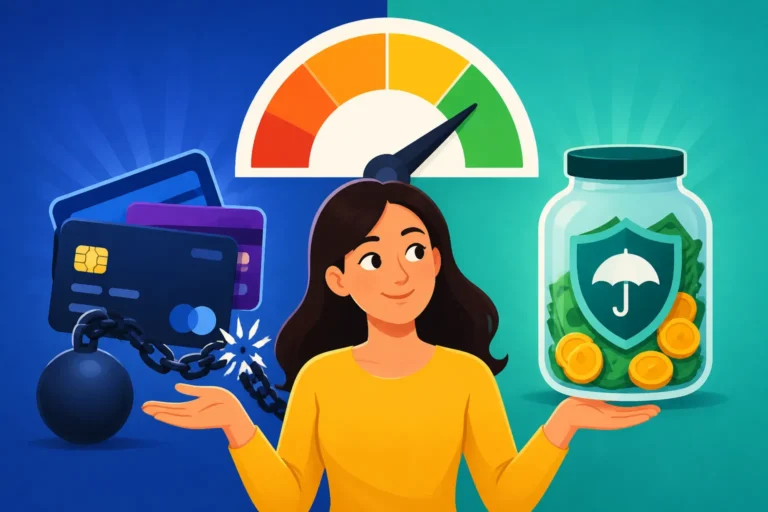
Paying off $30,000 in credit card debt is a monumental achievement, but it's only half the battle. To truly win, you need to put systems in place to prevent accumulating debt again and to actively rebuild a strong financial foundation. This means creating healthy financial habits that will serve you for years to come. Your journey doesn't end when the debt is gone; it transforms into a journey of financial resilience.
Mastering Your Budget and Spending Habits
The most critical step in preventing future debt is creating and sticking to a realistic budget. This isn't about deprivation; it's about intentional spending. Track every dollar that comes in and every dollar that goes out for at least a month. You might be surprised where your money is actually going. Are there subscription services you don't use? Dining out too often? Unnecessary impulse purchases?
Once you understand your spending patterns, categorize your expenses (fixed, variable, discretionary). Allocate funds for necessities first – housing, utilities, groceries, transportation. Then, identify areas where you can cut back. Even small changes, like packing your lunch instead of buying it, can add up significantly over time. Tools like Mint, YNAB (You Need a Budget), or even a simple spreadsheet can help you manage this. The goal is to live within your means and direct any surplus towards savings or investments, rather than back to debt.
Building an Emergency Fund
One of the biggest reasons people fall into credit card debt is unexpected expenses. A car repair, a dental emergency, or a sudden job loss can quickly lead to relying on credit cards if you don't have a safety net. This is where an emergency fund comes in. Aim to save at least 3-6 months' worth of essential living expenses in a separate, easily accessible savings account.
Building this fund takes time and discipline, especially while paying off $30,000 in debt. Start small. Even $500 or $1,000 saved can prevent a minor crisis from turning into major debt. Once your credit card debt is paid off, shift your focus to aggressively building that emergency fund. It's the ultimate debt prevention tool, providing peace of mind and financial security.
Consciously Rebuilding Your Credit Score
As you pay down your $30,000 debt, your credit score will naturally begin to improve, especially as your credit utilization: the complete guide drops. However, there are proactive steps you can take to rebuild it even stronger.
Consider a secured credit card: These cards require a deposit, which becomes your credit limit. They report to the credit bureaus and are a fantastic way to demonstrate responsible credit use. The Capital One Platinum Secured Card or the Discover it Secured Card are popular options. You can also explore options like a credit builder loan. Companies like Credit Strong offer these to help you build a positive payment history without needing to take on traditional debt. Essentially, you make payments into a savings account, and once the loan term is up, you get the savings back, having built credit along the way.
Remember, consistent on-time payments are the most crucial factor in your credit score. If you've had late payments in the past, understanding how to remove late payments from your credit report can be helpful. Keep your credit utilization low (ideally under 30%, but under 10% is even better), and avoid opening too many new accounts at once. It's a marathon, not a sprint, but every positive action builds towards a healthier financial future.
Final Thoughts and Next Steps
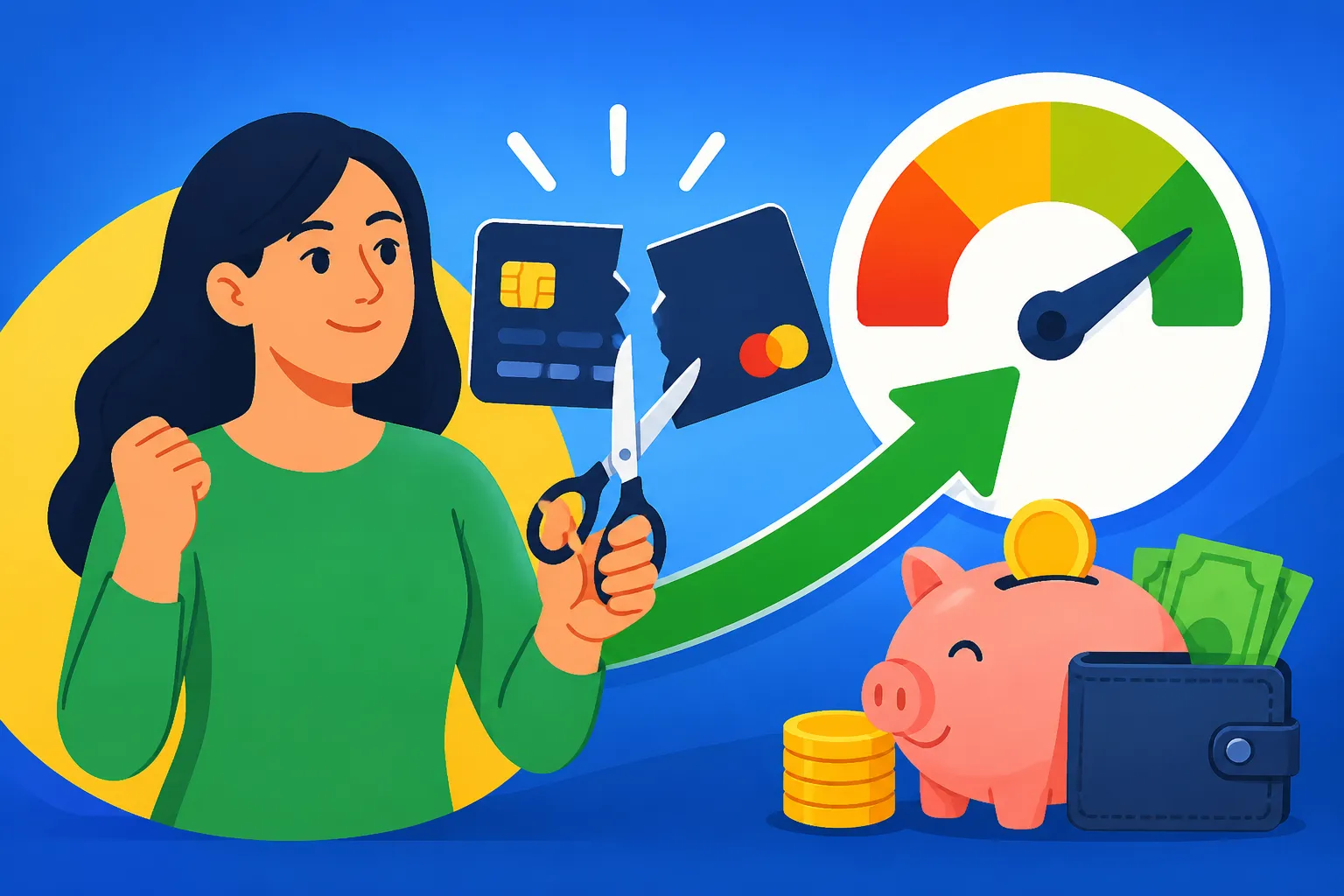
Taking on $30,000 in credit card debt is a monumental challenge, but it is absolutely achievable. The most important thing is to start. Don't let the size of the number paralyze you. Break it down, create a plan, and take consistent action. Celebrate the small victories along the way, whether it's paying off a single card or hitting a specific savings goal.
This journey will require discipline, patience, and perhaps some sacrifices, but the freedom from debt and the peace of mind that comes with it are priceless. Remember, financial literacy is a lifelong learning process. Continue educating yourself, managing your money wisely, and building a secure future for yourself. You've got this!
Disclaimer
The information provided in this article is for educational and informational purposes only and does not constitute financial, legal, or professional advice. It is recommended to consult with a qualified financial advisor or credit counselor for advice tailored to your specific situation.