Why Did My Credit Score Drop After a Collection?
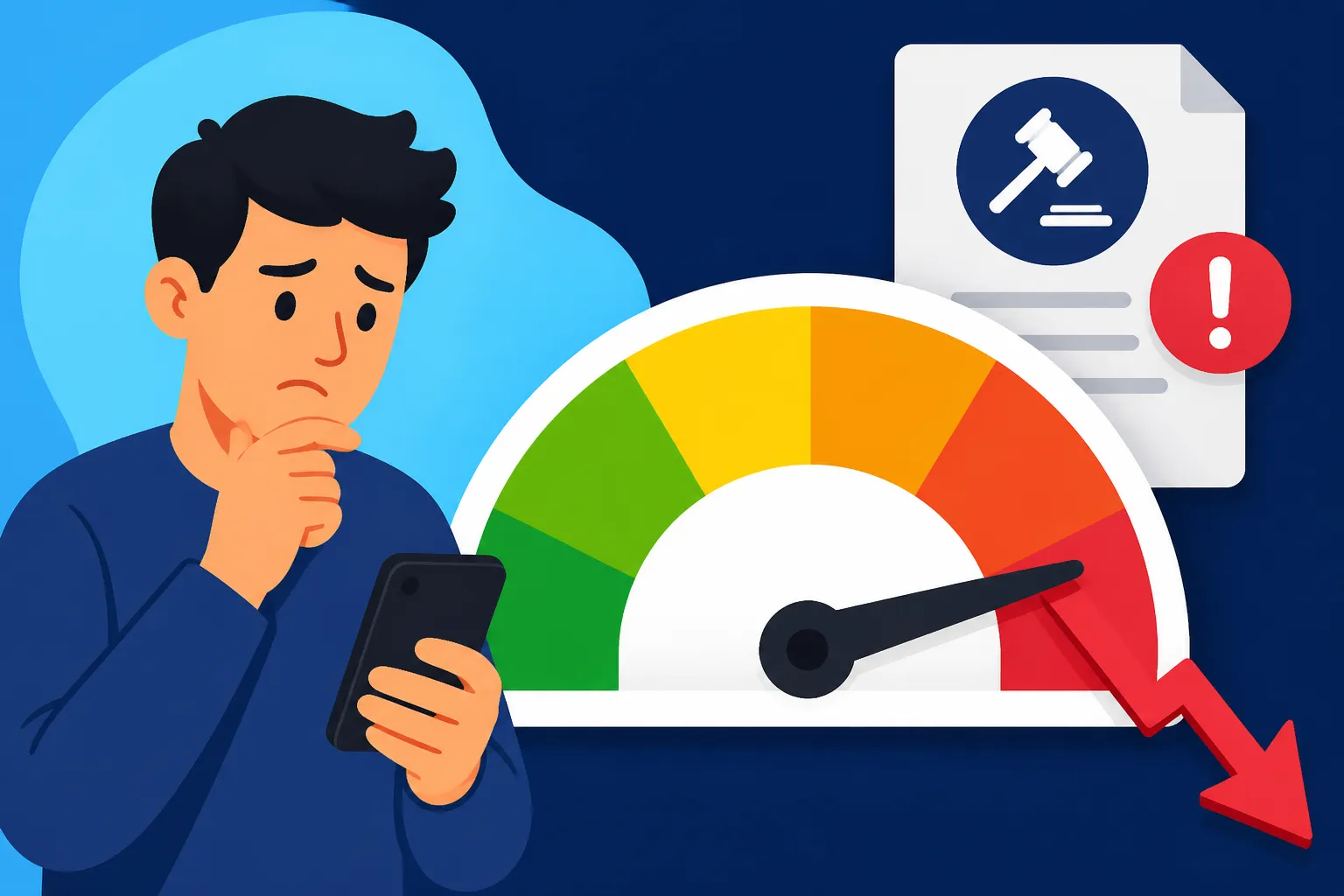
There's nothing quite like the stomach-dropping feeling of checking your credit score only to see it plummeted because a debt collector finally reported an old account. It feels incredibly unfair and confusing, especially if you thought you'd dealt with the debt or perhaps even forgotten about it entirely. This guide will walk you through exactly why a collection account impacts your credit score so severely and what steps you can take to understand, address, and ultimately recover from it.
Understanding Collection Accounts and Your Credit Score
When an old debt lands on your credit report as a collection, it often feels like it came out of nowhere, or perhaps you're just now realizing the full weight of its presence. Many folks don't fully grasp the journey a debt takes before it reaches this derogatory status, or the immediate, often brutal, blow it delivers to their meticulously managed credit score.
What Exactly is a Collection Account?
Let's break down what a collection account really is. Imagine you had a medical procedure a few years back, and a small part of the bill slipped through the cracks, maybe due to an insurance mix-up or an old address. You never saw the final statement. Or perhaps it was an old credit card you closed, but a tiny lingering balance accrued interest after you thought it was paid off. Whatever the original source – credit cards, utility bills, medical bills, personal loans – if you fail to pay a debt for an extended period, typically 90 to 180 days past due, the original creditor might give up trying to collect it themselves.
At this point, they might "charge off" the debt, marking it as unlikely to be collected. Then, they might sell it to a third-party debt collection agency for pennies on the dollar. When this collection agency buys the debt, they now have the right to collect the full amount from you. Once they acquire it, they will often report this new collection account to one or more of the three major credit bureaus: Equifax, Experian, and TransUnion. This reporting is where the real damage to your credit score begins.
The Immediate Impact on Your Credit Score
The moment a collection account appears on your credit report, it acts like a giant red flag to credit scoring models. It signals a significant failure to pay a financial obligation, which is a major concern for potential lenders. This isn't just a slight dip; it's often a substantial drop, especially if your credit score was otherwise good or excellent. Think of it like this: your credit score is built on a foundation of trust, and a collection account represents a profound breach of that trust.
For someone with an already shaky credit profile, the drop might be less dramatic simply because there wasn't as far to fall. However, if you had a credit score in the 700s, seeing a collection reported could easily send your score plummeting by 50, 80, or even over 100 points overnight. The exact number of points your score drops will depend on a variety of factors, including the type of scoring model (FICO vs. VantageScore), the rest of your credit profile, and how recent and severe the collection is. Regardless of the exact number, it's a painful experience that immediately impacts your ability to secure new credit, loans, or even favorable insurance rates.
The Factors Behind the Credit Score Drop
It’s not just the word "collection" that causes your score to drop; it’s the underlying data points that credit scoring models prioritize. These models are complex algorithms designed to predict how likely you are to pay back money, and a collection account screams "high risk." Let’s unpack the primary factors at play.
Payment History is King (and Collections are its Nemesis)
At the heart of every credit score, payment history stands as the most crucial factor, typically accounting for 35% of your FICO score. This category looks at how consistently you've paid your bills on time. A collection account represents a significant default on a debt, indicating a severe lapse in your payment history. It's not just a late payment; it's a debt that went so long unpaid that it was sent to a collections agency.
Imagine you've been diligently paying all your credit card bills, your mortgage, and your car loan on time for years. You've built up a fantastic payment history. Then, a surprise medical bill that you thought your insurance covered goes to collections. When that collection hits your report, it essentially overrides a lot of that positive history in the immediate term. It's like having a perfect driving record for a decade, then getting a DUI – the impact of that one negative event is incredibly disproportionate to all the good driving you did before. Even if the original debt was small, the fact that it went to collections is what hurts the most. You might have excellent payment history on all your other accounts, but that single collection entry is a severe black mark that lenders cannot ignore. It effectively signals that you've struggled with a debt obligation to the point of default, which is the biggest red flag possible for your creditworthiness. This is why learning how to remove negative items from your credit report, especially collections, is so vital.
Age of Credit and Length of History
While a collection is a negative mark on your payment history, it can also indirectly affect other scoring factors, such as the length of your credit history, which makes up about 15% of your FICO score. While a collection doesn't shorten the age of your oldest account, it adds a new, very recent, and very negative item to your file.
Credit scoring models prefer to see a long history of responsible credit use. A collection account, especially a recent one, can make your credit profile appear less stable or less mature in the eyes of a lender. It suggests that even if you have old, well-maintained accounts, you've recently had trouble managing debt. For instance, if you have a 15-year-old credit card with perfect payment history but a collection from last year, the overall "quality" of your credit history takes a hit. The collection account introduces a fresh data point that signals current financial distress, even if it's tied to an older, overlooked debt. This new negative mark makes your credit file look riskier, overshadowing the stability your older, positive accounts usually convey.
Types of Debt and Their Collection Impact
Not all debts are created equal in the eyes of credit scoring models, though all collections are bad. The type of debt that goes to collections can sometimes influence the severity of the score drop, particularly with newer scoring models.
- Medical Collections: Historically, medical collections were often treated less harshly than other types of debt because they can stem from unexpected illness or complex billing issues rather than willful neglect. Newer FICO and VantageScore models tend to give medical collections a bit more leeway, sometimes factoring them differently, especially if they are paid. For example, some models might ignore paid medical collections altogether. However, an unpaid medical collection will still significantly damage your score, even if it might not be quite as devastating as an unpaid credit card collection.
- Credit Card and Loan Collections: These are typically seen as the most damaging. Defaulting on a credit card, personal loan, or auto loan and having it go to collections indicates a direct failure to manage credit specifically designed for borrowing. These types of collections hit your score hard because they directly reflect your ability and willingness to repay borrowed money.
- Utility and Telecom Collections: While perhaps not as severe as credit card collections, unpaid utility bills or phone contracts that go to collections still report as derogatory marks. They indicate a failure to meet contractual obligations, which can affect your perceived reliability as a borrower.
Understanding these nuances doesn't make the impact go away, but it helps explain why some collections might sting more than others. In any case, addressing a collection is paramount, whether it's a medical bill or an old credit card debt. This is why knowing how to remove a charge-off from your credit report or other types of collections is crucial.
How Long Does a Collection Account Affect Your Score?
The sting of a collection account is sharp, and it's natural to wonder how long you'll have to live with that painful drop in your credit score. The good news is that negative information doesn't stay on your report forever, but the impact isn't always linear.
The 7-Year Rule
The Fair Credit Reporting Act (FCRA) dictates that most negative information, including collection accounts, can remain on your credit report for approximately seven years from the date of the original delinquency. This is a critical point: it's not seven years from when the collection agency first contacted you, or when you last made a payment to the collection agency, but from the date the original account first became delinquent and was never brought current. This initial date is called the "Date of First Delinquency" (DOFD).
So, if your credit card account first went delinquent on January 1, 2020, and was subsequently charged off and sent to collections, the collection account should fall off your credit report around January 1, 2027, regardless of when it was sold to a collector or when you paid it. This seven-year mark is a firm deadline for most negative items. There are exceptions, such as Chapter 7 bankruptcies, which can stay on for up to 10 years, but for collections, seven years is the standard. If a collection agency tries to re-age the debt (i.e., change the DOFD), that's a violation of your rights and grounds for dispute. For more detailed information, check out our guide on how long does a collection stay on your credit report?.
The Impact Diminishes Over Time
While a collection account can remain on your credit report for up to seven years, its impact on your credit score isn't constant throughout that period. Generally, the older the derogatory mark, the less severely it affects your score.
Think of it like a fresh wound versus an old scar. A brand-new collection account, especially in the first year or two, will have the most significant negative pull on your score. It signals very recent financial trouble, making lenders wary. As the collection ages, say it's five years old and you've had a perfect payment history on all other accounts since then, its influence will start to wane. Your credit score models will begin to place more emphasis on your more recent, positive payment behavior.
This doesn't mean it vanishes or stops hurting entirely before the seven-year mark; it simply means the severity of the impact lessens. A prospective lender will still see it, but if you have years of solid credit building since, they might view it as a past stumble rather than a current problem. This diminishing effect is a key reason why it's so important to focus on building positive credit history even while a collection looms on your report.
What You Can Do When a Collection Hits Your Report
Finding a collection on your credit report is disheartening, but it's not a permanent sentence. You have rights and options to address these negative marks and work towards improving your credit score. Taking proactive steps can make a real difference in your financial future.
Verify the Debt First
Before you do anything else, the absolute first step is to verify that the debt is legitimate and that the information reported on your credit report is accurate. Debt collection agencies are notorious for reporting inaccurate information or trying to collect on debts that aren't truly yours or are past the statute of limitations.
When a collection agency first contacts you, or if you simply find the account on your credit report, send them a debt validation letter. This letter, usually sent within 30 days of their initial contact, requests that they provide proof that you owe the debt and that they have the legal right to collect it. They should provide documentation like the original contract, payment history, and proof of ownership of the debt. If they cannot provide this information, or if the information they provide doesn't match what's on your credit report, you have strong grounds to dispute the collection. Our article on what is debt validation and how to request it can guide you through this crucial process. This verification step is non-negotiable; never assume the debt or the reported details are correct.
Strategies for Dealing with Collections
Once you've verified the debt, or if you've found inaccuracies, you can explore several strategies to mitigate the damage.
Disputing Inaccurate Information
If your debt validation request reveals inaccuracies (e.g., wrong balance, incorrect date of first delinquency, debt not yours), you should immediately dispute the collection with both the collection agency and the credit bureaus (Equifax, Experian, TransUnion). When disputing, provide all the documentation you have to support your claim. The credit bureaus have 30-45 days to investigate your dispute. If the collection agency cannot verify the information, or if they don't respond to the bureaus' inquiry, the collection account must be removed from your credit report. This is one of the most effective ways to remove negative items from your credit report. Remember, you have a right to a fair and accurate credit report, and disputing errors is a powerful tool.
Negotiating a Pay-for-Delete Agreement
If the debt is indeed legitimate and accurate, your next step might be to negotiate directly with the collection agency. A "pay-for-delete" agreement is often the holy grail for dealing with collections. This is where you offer to pay a portion of the debt (or sometimes the full amount) in exchange for the collection agency agreeing to remove the account from your credit report entirely.
It's important to get any pay-for-delete agreement in writing before you make any payment. Collection agencies are not legally obligated to agree to this, but many are willing to negotiate, especially if the debt is older or smaller. If they agree verbally but don't follow through after you pay, you have little recourse. So, always insist on a written agreement. Our guide on Pay for Delete: Does It Really Work? offers more insights into this strategy, including templates and tips.
Paying the Collection (Without a Pay-for-Delete)
Even if a collection agency won't agree to a pay-for-delete, paying off a collection account can still be beneficial, especially with newer credit scoring models. Some FICO models (like FICO 9) and VantageScore models give less weight to paid collections. While paying a collection won't remove it from your report, it will update its status to "paid," which looks more favorable to lenders than an unpaid collection.
When negotiating, you can often offer to pay a reduced amount, sometimes as little as 30-50% of the original debt. Debt collection agencies buy debts for cheap, so they often profit even if you pay less than the full amount. Just be cautious: making a payment on an old debt can sometimes restart the statute of limitations for legal action in some states, though it does not restart the seven-year reporting period on your credit report. Knowing how to negotiate with debt collectors is a valuable skill here.
Building New, Positive Credit
While you're working on addressing the collection, don't forget the power of actively building positive credit to offset the negative impact. This involves creating new, positive payment history that will gradually dilute the severity of the collection on your report over time.
Consider opening a secured credit card if you don't have one, or exploring a credit builder loan. Products like those offered by Credit Strong are designed to help you establish a positive payment history without needing a perfect credit score upfront. A Credit Strong credit builder account works by giving you a loan that's held in a savings account while you make small, fixed monthly payments. These payments are reported to the credit bureaus, showing consistent, on-time payments, which directly boosts your payment history. Over time, these positive entries will help improve your score, even with a collection still present. After you've successfully managed an account like Credit Strong for several months or a year, you'll have a stronger payment history that can help mitigate the collection's negative influence. Remember, consistency is key when building credit, and focusing on excellent payment history on your current and new accounts is the best way forward.
Here’s a quick overview of actions and their potential outcomes:
| Action | Impact on Credit Score (Initial) | Long-Term Benefit | Caveats |
|---|---|---|---|
| Verify Debt | None | Prevents paying incorrect debt, identifies dispute opportunities | Must be done promptly (within 30 days of initial contact) |
| Dispute Inaccuracies | Positive if successful | Removal of collection from report, significant score increase | Requires documentation, takes 30-45 days, not guaranteed |
| Pay-for-Delete Negotiation | Positive if successful | Removal of collection from report, significant score increase | Not legally obligated, must get written agreement, may require full payment |
| Paying Collection (No PFD) | Minimal immediate, slight later | Updates to "paid," less negative than "unpaid" for some models | Does not remove from report, may restart statute of limitations for legal action |
| Building New Positive Credit | Gradual positive | Offsets negative impact, establishes good payment history | Takes time, consistent on-time payments required |
This table shows that while collections are tough, you have active choices to make. The most effective approach often involves a combination of verifying the debt, disputing any errors, and proactively building a positive credit history, potentially with the help of tools like Credit Strong. By taking consistent action, you can definitely move towards repairing your credit after collections.
Disclaimer
This article is for general informational purposes only and does not constitute professional advice. Laws, prices and regulations vary by location and change over time. Consult a qualified professional for guidance on your specific situation.