How to Dispute a Collection That’s Not Yours
Discovering a collection account on your credit report that doesn't belong to you can feel like a punch to the gut. It's frustrating, confusing, and frankly, a bit scary, especially when you know you've paid your bills and managed your finances responsibly. This guide is here to walk you through the precise steps to take when a collection appears on your report that you don't recognize, helping you understand your rights and how to get it removed.
Understanding Collection Accounts and Why They Might Not Be Yours
First off, let's break down what a collection account even is. When you owe money to a creditor – maybe it's a credit card company, a hospital, or a utility provider – and you fail to make payments for an extended period, that original creditor might eventually give up trying to collect from you directly. Instead, they sell that debt to a third-party collection agency for a fraction of what you owe, or they hire an agency to collect on their behalf. The collection agency then tries to get you to pay the full amount, plus whatever fees they can tack on.
Common Reasons for Incorrect Collection Accounts
It's not always a nefarious plot, though it certainly feels that way sometimes! There are several common reasons why a collection might appear on your report that genuinely isn't yours, or at least isn't your responsibility anymore.
Identity Theft or Fraud
This is perhaps the most alarming reason. If someone has stolen your personal information – your Social Security number, date of birth, or other identifying details – they could open accounts in your name or simply use your existing information to incur debt. When they don't pay, that debt eventually goes to collections and shows up on your report. This is a serious issue that requires swift action, not just for your credit but for your overall financial security. It's crucial to understand that if identity theft is the cause, you'll need to do more than just dispute the collection; you'll need to report the theft to the Federal Trade Commission (FTC) and potentially local law enforcement.
Errors by Creditors or Collection Agencies
Mistakes happen, but they shouldn't happen with your financial life. Sometimes, the original creditor might have simply made an error in reporting, or the collection agency might have incorrect information. This could be anything from a simple clerical error like a transposed digit in an account number to reporting an account twice. Imagine a scenario where a collection agency, let's say "Debt Hound LLC," buys a portfolio of old debts. In their mass data entry, they accidentally assign your name to someone else's unpaid medical bill from a hospital in another state. It sounds far-fetched, but these things absolutely occur. These kinds of errors are surprisingly common and can be incredibly frustrating to unravel.
Mixed Files at Credit Bureaus
The three major credit bureaus – Equifax, Experian, and TransUnion – handle mountains of data every single day. With so much information coming in, it's possible for your file to get mixed up with someone else's, especially if you have a similar name, address, or even a relative who shares some personal details with you. For example, if you and a family member have similar names and have lived at the same address, their collection account might mistakenly appear on your report. This can be a particularly tricky situation to untangle, as it involves correcting records across multiple databases. Ensuring accurate information across all three bureaus is key, and you'll want to review your credit reports carefully for any discrepancies. You can learn more about Why Are My 3 Credit Reports Different?.
Debt Transferred or Paid Without Proper Reporting
Sometimes you pay off a debt, but the original creditor or collection agency doesn't update the credit bureaus. Or, a debt might have been paid as part of a settlement or bankruptcy, but the collection agency still attempts to collect or reports it negatively. This is incredibly infuriating. You did your part, and now you're being penalized. It's vital to keep meticulous records of all payments, settlement agreements, and communication related to debt to prevent or quickly resolve these types of issues. A simple paper trail can be your best defense.
The Step-by-Step Process to Dispute an Unrecognized Collection
When you spot a collection that isn't yours, it's time to act. Don't panic, but don't ignore it. The Fair Credit Reporting Act (FCRA) gives you the right to dispute inaccurate information on your credit report. This process can feel daunting, but by following these steps, you can significantly increase your chances of getting the erroneous collection removed.
Step 1: Obtain Your Credit Reports
Before you do anything else, you need to see exactly what's being reported. You are entitled to a free copy of your credit report from each of the three major credit bureaus once every 12 months. You can get them from AnnualCreditReport.com. This is the official, government-authorized website, so you know it's legitimate. Pull reports from Equifax, Experian, and TransUnion.
Why All Three Reports?
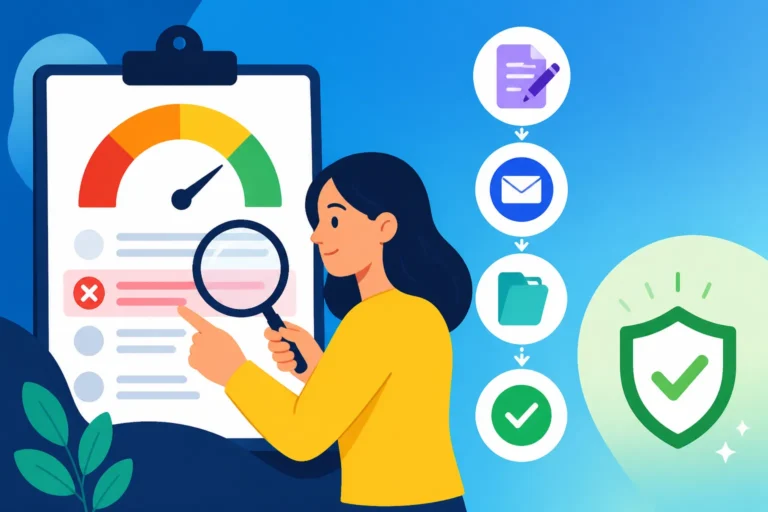
It's critical to check all three reports because creditors and collection agencies might not report to all of them. An item might show up on one bureau's report but not another's, or it might have slightly different details. Having all three in front of you gives you the complete picture and ensures you don't miss anything. Compare them line by line, looking for the specific collection account that you don't recognize. Note down the name of the collection agency, the original creditor, the account number, the date it was opened, and the amount. These details will be crucial for your dispute.
Understanding What You're Looking For
When you're sifting through your report, specifically look for sections related to "collections" or "public records." These sections will list any accounts that have been sent to collection. The entry will usually include the name of the collection agency, the original creditor, the date of the delinquency, and the balance owed. If you see a name you don't recognize or an account that you know isn't yours, circle it and get ready to challenge it. Keep in mind that sometimes original creditors, especially in the case of older debts, might not even be mentioned by the collection agency, making it even harder to identify. This is why debt validation is so important.
Step 2: Request Debt Validation from the Collection Agency
This is a powerful right you have under the Fair Debt Collection Practices Act (FDCPA). If a collection agency contacts you about a debt, or if you see it on your credit report, you can demand that they validate the debt. This means they must prove that you actually owe the money and that they have the legal right to collect it.
The 30-Day Window is Key
You need to send a debt validation letter within 30 days of the collection agency's initial communication with you. If you've just seen it on your credit report and haven't heard from them, send it as soon as possible. Sending it certified mail with a return receipt requested is non-negotiable. This creates a legal paper trail, proving when you sent it and when they received it. This step is critical because if they can't validate the debt, they are legally required to stop collection efforts and remove the entry from your credit report.
What to Ask For in a Debt Validation Letter
Your letter should clearly state that you dispute the debt and demand proof. Ask for things like:
- Proof that you owe the debt.
- The original creditor's name and contact information.
- The original account number.
- Proof that the collection agency has the legal right to collect this specific debt from you (e.g., a copy of the contract showing the debt was sold to them).
- A complete payment history.
Keep your letter concise and to the point. Do not admit to owing the debt or offer any payment. This is about them proving it to you. If they don't respond within 30 days, or if the information they provide is insufficient, you have a strong case for removal. For guidance on crafting this letter, you might find our article on What Is Debt Validation and How to Request It helpful.
Step 3: Dispute Directly with the Credit Bureaus
Regardless of whether you sent a debt validation letter to the collection agency, you should also dispute the item directly with each credit bureau that is reporting it. Remember, you're disputing the accuracy of the information on your report.
How to File a Dispute
You can dispute online, by mail, or by phone. Mailing a dispute letter is often recommended because it again creates a paper trail. Each bureau has a specific process:
- Equifax: You can dispute online at Equifax.com, by mail, or by phone.
- Experian: Experian.com has an online dispute center, or you can send a letter.
- TransUnion: TransUnion.com also offers online disputes, mail, or phone options.
When you dispute, you'll need to provide:
- Your personal identifying information (name, address, Social Security number, date of birth).
- The account number of the collection in question.
- The name of the collection agency and original creditor.
- A clear statement that the account is "Not Mine" or "Fraudulent."
- Any supporting documentation you have (e.g., your debt validation letter, police report for identity theft, FTC identity theft report).
Each bureau typically has 30 days (sometimes 45 days, depending on circumstances) to investigate your dispute. They will contact the collection agency, which then has to verify the debt. If the collection agency cannot verify it, or doesn't respond, the bureau must remove the item from your report. Our article, How to Dispute With Equifax, Experian, and TransUnion, provides a more in-depth look at each bureau's specific process.
Following Up on Your Dispute
Once you've filed your dispute, don't just sit back and wait. Mark your calendar for 30 days out. If you haven't heard back, follow up with the credit bureaus. They are required to inform you of the results of their investigation, usually in writing. If they determine the information is inaccurate or unverified, they will remove it. If they verify it, they'll tell you why and what information they used to verify it. At this stage, if they claim it's verified, you might need to pursue further steps, especially if you have strong evidence it's not yours.
Next Steps and Important Considerations
Successfully disputing an unrecognized collection is a huge win, but your journey might not end there. There are always more layers to protecting your financial health.
What Happens After a Successful Dispute?
If your dispute is successful, the credit bureau must remove the collection account from your credit report. This is fantastic news because removing negative items can significantly improve your credit score. You should receive a letter from the credit bureau confirming the removal.
Checking Your Reports Again
Once you get confirmation, pull your credit reports again, ideally after 30-45 days, to ensure the item has actually been removed from all three bureaus. Sometimes, an item gets removed from one but not another, or it reappears due to errors. It's a frustrating reality, but vigilance is key. If it reappears, you can dispute it again. Understanding What Happens After You File a Credit Dispute? can help you navigate this period.
Potential Score Impact
Removing an erroneous collection can have a positive impact on your credit score, though the exact number of points depends on several factors, including how old the collection was, your overall credit profile, and the scoring model used. Generally, negative items hurt your score more when they are recent. Getting rid of a false negative is a definite step in the right direction for your financial health.
What if the Collection Agency Verifies the Debt?
This is where things can get a bit more complicated, especially if you strongly believe the debt isn't yours.
Reviewing the "Verification"
If the credit bureau tells you the debt was verified, they should also provide you with the information the collection agency used to verify it. Scrutinize this information. Does it truly prove the debt is yours? Does it align with the information you asked for in your debt validation letter? Often, "verification" might be minimal, like just a name and an address, which isn't sufficient proof. If the verification is still inadequate, you can dispute again, providing even more context or evidence.
Consulting Legal Counsel
If you've followed all the steps, provided ample evidence, and the collection is still being reported, it might be time to consider legal action. The FDCPA protects consumers from unfair debt collection practices, including reporting inaccurate information. A consumer law attorney who specializes in credit reporting issues can review your case and advise you on whether you have grounds to sue the collection agency or even the credit bureaus. They can help you understand your rights and potential remedies. Organizations like the National Association of Consumer Advocates (NACA) can help you find a qualified attorney in your area.
Protecting Yourself Going Forward
Dealing with one erroneous collection is enough to make anyone want to lock down their financial life. Here's how you can proactively protect yourself.
Regular Credit Monitoring
Enroll in a credit monitoring service to keep an eye on your credit reports for any new, suspicious activity. Many credit card companies offer free credit monitoring as a perk, or you can use services from the credit bureaus directly. While these services don't prevent identity theft, they can alert you quickly if a new account is opened or a new collection appears, allowing you to act fast. Some services like Credit Strong also offer credit monitoring as part of their suite of financial tools, helping you keep tabs on your progress while building credit responsibly.
Freezing Your Credit
For maximum protection against identity theft, consider freezing your credit with all three major credit bureaus. A credit freeze restricts access to your credit report, making it difficult for identity thieves to open new accounts in your name. You can temporarily lift the freeze when you need to apply for credit. This is a powerful tool to safeguard your financial identity. You can find detailed instructions in our article, How to Freeze Your Credit (All 3 Bureaus).
Keeping Detailed Records
As mentioned earlier, maintain meticulous records of all financial communications, payments, and disputes. Whether it's a digital folder or a physical filing cabinet, knowing where to find your documents quickly can save you immense stress and time if another issue arises. This includes copies of letters sent, tracking numbers, and any responses received.
Conclusion
Finding a collection on your credit report that isn't yours is incredibly stressful, but it's a problem with a clear solution path. By being proactive, understanding your rights, and following a systematic approach to debt validation and dispute, you can effectively challenge and remove these errors. Remember, you're not alone in this fight; the law is on your side when information is inaccurate or unverified. Stay vigilant, keep good records, and don't hesitate to seek professional help if the situation becomes too complex. Your financial health is worth fighting for.
Disclaimer
Please remember that the information provided in this guide is for informational purposes only and does not constitute legal or financial advice. We are not attorneys or financial advisors. For personalized advice, please consult with a qualified professional.