How to Remove a Foreclosure From Your Credit Report Fast
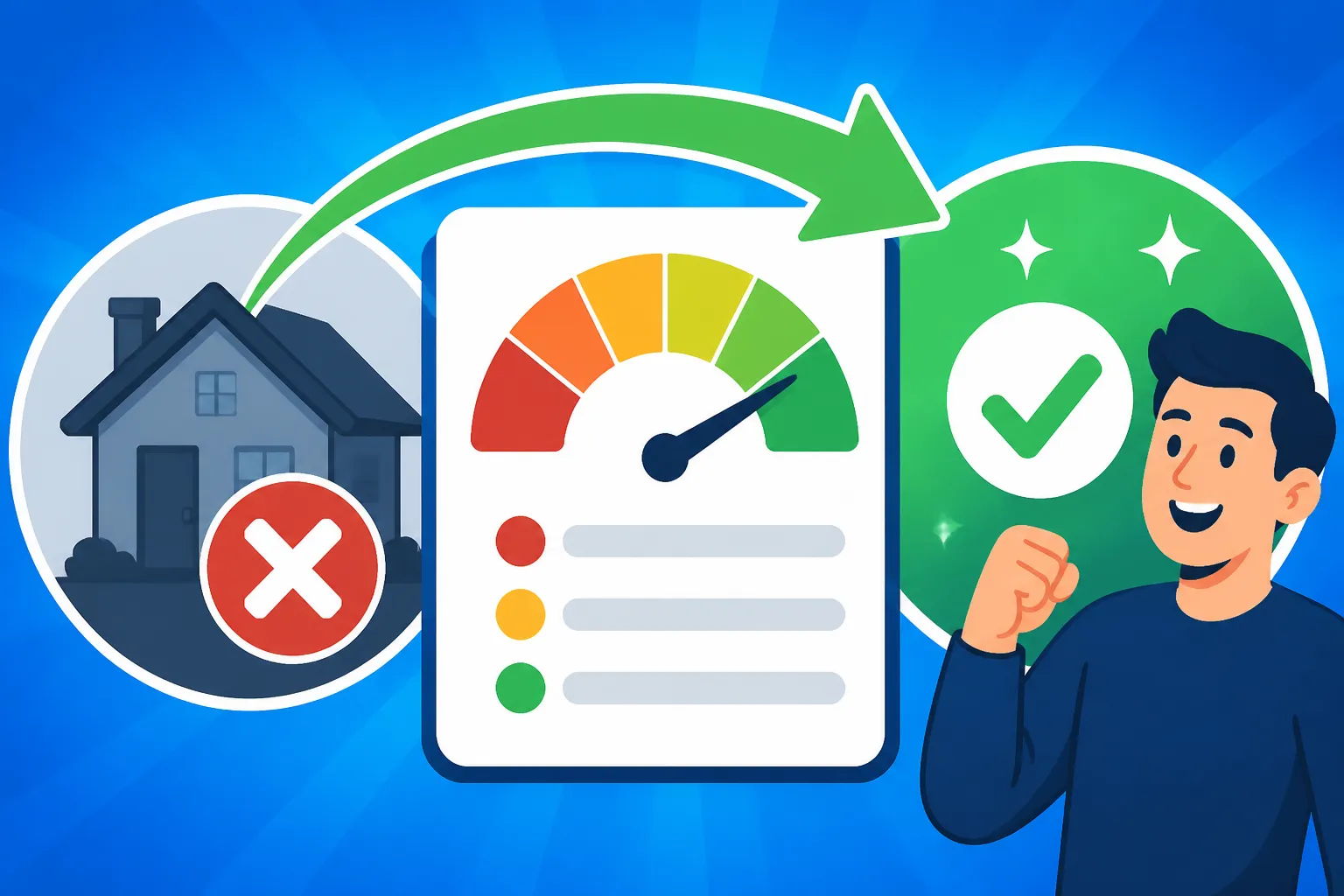
Seeing a foreclosure listed on your credit report can feel like a financial death sentence, a dark cloud hanging over your future plans for years. It's a huge blow, not just to your credit score, but to your sense of stability and hope. You might feel overwhelmed, wondering if there's any way to scrub this devastating mark from your financial history quickly. This guide is designed to cut through the confusion, lay out the realistic paths to dealing with a foreclosure on your credit report, and empower you with actionable steps to either dispute inaccuracies or rebuild your financial life as swiftly as possible.
Understanding Foreclosures and Their Credit Impact
When a lender repossesses your property because you couldn't keep up with mortgage payments, that's a foreclosure. It’s one of the most severe negative marks you can have on your credit report, significantly impacting your creditworthiness for a long time. It signals to potential lenders that you defaulted on a major secured loan, which is a massive red flag.
What a Foreclosure Entry Looks Like on Your Report
A foreclosure typically appears under the "public records" or "real estate accounts" section of your credit report. It will show details like the date of the foreclosure, the name of the lender, and the amount of the original loan. This isn't just a brief blip; it's a prominent entry that drastically lowers your credit score, often by hundreds of points, and remains there for a substantial period. The immediate aftermath can make it incredibly difficult to secure new loans, rent an apartment, or even get certain jobs that involve financial responsibility.
How Long a Foreclosure Lingers on Your Credit
Here’s the tough truth: an accurate foreclosure will stay on your credit report for up to seven years from the date of the first missed payment that led to the foreclosure. This timeline is mandated by the Fair Credit Reporting Act (FCRA). There's no magic wand to make an accurate foreclosure disappear before this seven-year period is up. This means the impact is long-lasting, influencing your ability to get favorable interest rates on future loans or even qualify for them at all. This long-term impact is why addressing it, whether through dispute or aggressive rebuilding, is so crucial.
Can You Really Remove a Foreclosure "Fast"? Setting Realistic Expectations
The desire to remove a foreclosure "fast" is completely understandable. No one wants such a damaging item to stick around. However, it’s vital to distinguish between genuinely removing an accurate foreclosure, which isn't possible quickly, and addressing it through disputes or rapid credit rebuilding, which can accelerate your recovery.
The Myth of Instant Removal
Let's be clear: there's no secret loophole or instant fix to wipe an accurate foreclosure from your credit report overnight. Any company or individual promising guaranteed, rapid removal of an accurate foreclosure before its seven-year reporting period is likely making false claims or engaging in questionable practices. Be incredibly wary of anyone suggesting they can just delete an accurate negative item; that's not how the credit reporting system works under federal law. The "fast" in this context refers more to the speed at which you identify and act on errors, or the urgency with which you begin your credit rebuilding journey.
Focusing on Actionable Speed: Identifying and Acting on Errors
The fastest possible way to get a foreclosure removed from your credit report is if it's there due to an error or inaccuracy. Credit bureaus and lenders are legally obligated to report accurate information. If they fail to do so, you have the right to dispute it. This is where "fast" can actually come into play, relatively speaking. Detecting these errors quickly and initiating a dispute immediately can potentially lead to removal much sooner than the seven-year mark. This requires a thorough review of your credit reports from all three major bureaus – Equifax, Experian, and TransUnion. Don't just glance at one; each bureau might have different information or errors. The sooner you find an error, the sooner you can act. For more details on this process, you might want to read our guide on how to Dispute Credit Report Errors.
Strategies for Removing an Inaccurate Foreclosure
If you've spotted an error related to a foreclosure on your credit report, you have a legitimate shot at getting it removed. This isn't just wishful thinking; it's your right under the Fair Credit Reporting Act (FCRA). The key is diligence, documentation, and persistence.
Step-by-Step Guide to Disputing Inaccuracies
1. Obtain Your Credit Reports: First things first, get your free credit reports from AnnualCreditReport.com. You'll need reports from all three major credit bureaus: Equifax, Experian, and TransUnion. Compare them carefully. Look for discrepancies in dates, amounts, lender names, or if the foreclosure shouldn't be there at all (e.g., if you successfully reinstated your loan or it was a fraudulent foreclosure).
2. Identify the Specific Inaccuracies: Pinpoint exactly what's wrong. Is the foreclosure listed twice? Is the date incorrect? Was the property never yours? Perhaps you paid off the loan but it was still reported as a foreclosure. Even small errors can be grounds for dispute. For instance, if the date of the last payment leading to the foreclosure is off by even a month, it could be inaccurate.
3. Gather Supporting Documentation: This is critical. You need evidence to back up your claim. This could include:
* Payment records (bank statements, canceled checks showing payments were made)
* Loan modification documents
* Court documents if the foreclosure was dismissed
* Identity theft reports if the foreclosure was tied to fraud
* Correspondence with your lender proving a different outcome
* Proof that you were not the homeowner at the time.
The more evidence you have, the stronger your case.
4. Send a Dispute Letter to the Credit Bureaus: Once you have your reports and documentation, send a formal dispute letter to each credit bureau that is reporting the incorrect foreclosure. You can find templates online for how to write a credit dispute letter. Clearly state what item you're disputing, why it's inaccurate, and include copies (never originals!) of your supporting documents. Send these letters via certified mail with a return receipt requested. This provides proof that the bureaus received your dispute. You'll want to send a separate letter to each bureau—Equifax, Experian, and TransUnion—as they operate independently.
5. Send a Dispute Letter to the Original Creditor: It’s also a good idea to send a dispute letter directly to the mortgage lender that reported the foreclosure. They are often called the "furnisher" of the information. This increases your chances of success, as they are also legally obligated to investigate and correct errors. Again, send this via certified mail.
6. Follow Up and Monitor: The credit bureaus have 30 days (sometimes 45 days if you submitted additional information during the dispute period) to investigate your claim. They will contact the furnisher of the information (your old mortgage lender) to verify it. If the information cannot be verified as accurate, or if the furnisher doesn't respond, the item must be removed from your report. Keep all correspondence and monitor your credit reports closely to ensure the changes are made.
What if the Dispute Doesn't Work?
Sometimes, despite your best efforts, the bureaus or creditors might claim the information is accurate even when you believe it isn't. Don't give up hope.
- Re-dispute with More Evidence: If your initial dispute is denied, review why. Did you provide enough evidence? Is there something new you can add? You can try disputing again with more comprehensive documentation. It might feel like shouting into the void, but sometimes persistence pays off, especially if you have a stronger case.
- Consumer Financial Protection Bureau (CFPB): If you hit a wall with the credit bureaus and the original creditor, consider filing a complaint with the CFPB. They oversee the financial industry and can often prompt a more thorough investigation.
- Legal Action: In rare cases, if you have strong evidence of inaccuracy and the bureaus refuse to correct it, you might consider consulting with a consumer law attorney. They can assess your situation and advise if legal action is a viable option under the FCRA.
Dealing with Accurate Foreclosures: Minimizing Damage
For most people, the foreclosure on their credit report is unfortunately accurate. In these situations, direct removal before the seven-year mark isn't feasible. However, you are not powerless. Your focus shifts from removal to damage control and aggressive credit rebuilding. The goal is to minimize the ongoing negative impact and start building a positive credit history to outweigh the old negative one.
The Limited Options for Accurate Foreclosures
As mentioned, an accurate foreclosure will remain on your credit report for up to seven years from the date of the first delinquency that led to the foreclosure. There are no "fast" removal options for accurately reported information. Any legitimate credit repair company will tell you the same thing. Their efforts, and yours, should be focused on ensuring accuracy and then building new, positive credit.
Strategies to Mitigate the Impact
Even with an accurate foreclosure, you can still take steps to lessen its negative effects:
- Ensure Accuracy: Even if the foreclosure itself is accurate, check every detail associated with it. Are the dates correct? Is the balance accurate? Is the lender correctly identified? Sometimes, late payments or other associated negative marks might be reported incorrectly. Disputing these smaller inaccuracies can still help. Regularly checking how to read your credit report can help you spot any lingering inconsistencies.
- Add a Consumer Statement: The FCRA allows you to add a brief statement (100 words or less) to your credit report explaining your side of the story. This won't remove the foreclosure, but it can provide context for future lenders or landlords. For example, you might explain that the foreclosure was due to an unforeseen medical emergency or job loss, rather than irresponsible financial behavior. This doesn't guarantee leniency, but it offers a human perspective.
- Focus on Other Credit Factors: Since payment history (which includes foreclosures) is the biggest factor in your credit score, you need to maximize the other factors. These include credit utilization, length of credit history, credit mix, and new credit. By excelling in these areas, you can gradually build your score back up.
Rebuilding Credit After a Foreclosure
The most effective "fast" strategy for dealing with an accurate foreclosure is to immediately pivot to rebuilding your credit. The sooner you start, the sooner you can demonstrate responsible financial behavior and begin to see your score improve. It's a marathon, not a sprint, but consistent effort will yield results.
Establishing New, Positive Credit Accounts
Your priority should be to establish new credit lines and manage them impeccably. This creates positive data to offset the negative mark of the foreclosure.
- Secured Credit Cards: These are often the easiest type of credit card to get after a major negative event like a foreclosure. You deposit money with the issuer, which then becomes your credit limit. This significantly reduces the risk for the lender. Use it responsibly, keeping your balance low and paying on time every month. Over time, this shows the credit bureaus you can handle credit. Many people find success starting with cards like the Capital One Platinum Secured Card or the Discover it Secured Card.
- Credit Builder Loans: These loans are specifically designed to help people build or rebuild credit. You make payments into a locked savings account, and once the loan is paid off, you get access to the funds. Meanwhile, your on-time payments are reported to the credit bureaus. Companies like Self and Credit Strong are popular options for this type of product. Credit Strong, for instance, offers a unique blend of a credit builder loan and a secured card, which can be very effective in diversifying your credit mix quickly.
- Become an Authorized User: If you have a trusted family member or friend with excellent credit, they might be willing to add you as an authorized user on one of their credit cards. Their positive payment history and low utilization could then reflect on your credit report, giving your score a boost. Just make sure they are financially responsible, as their mistakes could also affect you.
- Rent and Utility Reporting: Services like Experian Boost or other rent reporting services can add your on-time rent and utility payments to your credit report. This can be a game-changer if you have limited credit history or are trying to add positive payment data outside of traditional loans or credit cards.
Practicing Impeccable Financial Habits
Beyond opening new accounts, your daily financial habits are paramount.
- Pay All Bills On Time, Every Time: This is non-negotiable. Payment history is the most important factor in your credit score. Set up automatic payments or reminders so you never miss a due date, not just for new credit but for all your obligations (utilities, phone, etc.).
- Keep Credit Utilization Low: For any credit cards you have, aim to keep your balances below 30% of your credit limit – ideally even lower, around 10%. High utilization can drag your score down, even if you pay on time. If you have a secured card with a $200 limit, try not to carry more than a $20-$60 balance.
- Maintain a Good Credit Mix: As you rebuild, try to have a healthy mix of credit accounts, such as a credit card (revolving credit) and a credit builder loan (installment credit). This diversity shows lenders you can handle different types of debt responsibly. Credit Strong, for example, helps with this by providing an installment loan.
- Avoid New Hard Inquiries: While you might need a few inquiries to open new accounts, try not to apply for too much new credit at once. Multiple hard inquiries in a short period can temporarily ding your score.
Monitoring Your Progress
Regularly check your credit scores and reports to see the fruits of your labor. Services like Credit Karma or your bank's credit monitoring tools can provide regular updates. While these scores might differ from what a lender sees (due to different scoring models like FICO vs. VantageScore), they offer a good snapshot of your progress. Seeing your score gradually climb can be incredibly motivating.
Foreclosure Impact and Rebuilding Timeline
Here’s a simplified look at the timeline for dealing with a foreclosure and rebuilding your credit.
| Action/Event | Typical Timeline | Impact on Credit |
|---|---|---|
| Foreclosure Reports | Up to 7 years from first delinquency date | Severe negative impact (e.g., -100 to -200 points) |
| Discovering an Error | Immediate | Opportunity for dispute |
| Sending Dispute Letter | Within days of discovery | Starts 30-day investigation clock |
| Credit Bureau Investigation | 30-45 days | Potential removal if unverified |
| Opening Secured Card/Loan | Within 1-3 months post-foreclosure | Initial hard inquiry, then positive reporting |
| Consistent On-Time Payments | Ongoing (e.g., 6-12 months) | Gradual positive impact, score improvement |
| Credit Score Improvement | 6 months to 2 years (initial significant jump) | Consistent payments and low utilization boost score |
| Removing Foreclosure (if accurate) | 7 years | Automatically drops off after 7 years |
Remember, the "fast" part really hinges on how quickly you act on errors or how aggressively you commit to rebuilding. Companies like Credit Strong exist to help accelerate this rebuilding process for you.
Final Thoughts on Foreclosures and Your Credit
Dealing with a foreclosure on your credit report is undoubtedly one of the toughest financial challenges you can face. The idea of removing it "fast" is largely a misconception when it comes to accurate reporting, but that doesn't mean you're without options or hope. The fastest path forward is to meticulously check for inaccuracies and dispute them aggressively, and if the foreclosure is accurate, to commit fully to rebuilding your credit from the ground up.
By understanding how these negative items work, employing smart dispute strategies, and diligently building new positive credit history, you can mitigate the damage and work your way back to a strong financial standing. It takes time, patience, and persistence, but every positive step you take today helps to distance you from that difficult past and move towards a brighter credit future.
Disclaimer
The information provided in this article is for general informational purposes only and does not constitute financial, legal, or credit advice. Always consult with a qualified financial advisor, credit counselor, or legal professional for advice tailored to your specific situation. Credit outcomes are not guaranteed and can vary based on individual circumstances.