Statute of Limitations on Debt in Florida
Dealing with old debts can feel like a never-ending nightmare, especially when collectors keep calling, even for accounts you barely remember. It’s incredibly frustrating and often scary to wonder if you can still be sued for a debt that feels ancient. This guide is here to cut through the confusion and explain the statute of limitations on debt in Florida, helping you understand your rights, what collectors can and cannot do, and how to protect yourself.
Understanding the Statute of Limitations on Debt in Florida
The phrase "statute of limitations" might sound like fancy legal jargon, but it's a crucial concept that every Floridian should understand when it comes to old debts. It's essentially a legal deadline that determines how long a creditor or debt collector has to sue you in court to collect on a debt. Once this deadline passes, the debt is considered "time-barred."
What is the Statute of Limitations (SOL)?
In simple terms, the statute of limitations (SOL) is a law that sets a maximum time period within which legal proceedings must be initiated after an event. For debt, this means a creditor or debt collector has a limited window to take you to court to force you to pay. If they don't file a lawsuit within that period, they generally lose their legal right to sue you for that specific debt. It's vital to understand that the SOL doesn't erase the debt itself; it merely removes the creditor's ability to use the legal system to compel payment. The debt technically still exists, but their options for collecting it become severely limited. This is a common point of confusion, as many people mistakenly believe that once a debt is past the SOL, it simply vanishes. That's not quite how it works, but it does significantly change the dynamic between you and the collector.
Key Florida Statute of Limitations Periods
Florida, like every state, has its own specific statute of limitations periods, and these vary depending on the type of debt. It’s not a one-size-fits-all rule, which is why it can be so confusing. Knowing these specific timeframes is your first line of defense. Most often, you’ll be dealing with debts related to contracts, either written or oral.
Here's a breakdown of the most common debt types and their corresponding SOL periods in Florida, generally found under Florida Statute 95.11:
- Written Contracts: This is a big one, covering things like credit card agreements, personal loans, auto loans, mortgages, and most service contracts. In Florida, the SOL for written contracts is five years. This clock typically starts ticking from the date you missed your first payment or the date of the last activity on the account.
- Oral Contracts: Sometimes, you might enter into an agreement that isn't formally written down, like a handshake agreement for a service. These are called oral contracts. The SOL for these types of debts in Florida is four years. While less common for significant debts, it's good to be aware.
- Promissory Notes (e.g., student loans, some mortgages): Generally, a promissory note is a written promise to pay a specific sum of money. In Florida, the SOL for these is also five years.
- Open Accounts (e.g., revolving credit lines without a formal written contract): Though less common with modern credit cards (which are typically written contracts), some older or less formal credit arrangements might fall under "open accounts." The SOL for these is four years.
- Judgments: This is different. If a creditor successfully sues you and obtains a court judgment, that judgment itself has a much longer lifespan. In Florida, a civil judgment is enforceable for 20 years and can often be renewed. This is why it's so important to address a potential lawsuit before it becomes a judgment.
| Debt Type | Florida Statute of Limitations | Typical Examples |
|---|---|---|
| Written Contracts | 5 Years | Credit Cards, Mortgages, Auto Loans, Personal Loans |
| Oral Contracts | 4 Years | Verbal agreements, unwritten service contracts |
| Promissory Notes | 5 Years | Some private student loans, specific loan agreements |
| Open Accounts | 4 Years | Less common, some older revolving accounts |
| Court Judgments | 20 Years (renewable) | Result of a successful lawsuit by a creditor |
The "Clock" and When It Starts Ticking
Understanding when the statute of limitations clock actually starts and, more importantly, when it might reset, is absolutely critical. For most consumer debts, the clock generally begins ticking from the date of your last activity on the account. This isn't necessarily the date the debt was incurred, but rather the last time you made a payment or acknowledged the debt in some way.
For instance, let's say you had a credit card account, and your last payment was on January 15, 2021. For a written contract, Florida's 5-year SOL would mean the creditor has until January 15, 2026, to file a lawsuit against you. If they don't, the debt becomes time-barred.
However, here's where it gets tricky and where many people make costly mistakes: certain actions can reset the statute of limitations clock. This means the deadline to sue you starts all over again from that new date. Common actions that can reset the clock include:
- Making a Payment: Even a small, token payment on an old debt can restart the SOL clock from that payment date. Debt collectors are very aware of this and might try to pressure you into making a partial payment.
- Promising to Pay: If you verbally or in writing acknowledge the debt and promise to pay it, even if you don't make a payment, this could potentially restart the clock. This is why you need to be extremely careful about what you say to debt collectors.
- Entering a Payment Plan: Agreeing to a new payment plan for an old debt is a clear acknowledgment and will almost certainly restart the SOL.
Imagine you have a credit card debt from 2018 that you haven't touched since. The SOL might be nearing its end. If a collector calls in 2023 and convinces you to make a $20 payment, that $20 payment effectively gives them another five years (until 2028) to sue you for the entire remaining balance. This is why knowledge of the statute of limitations is such a powerful tool in your debt management arsenal.
What Happens When a Debt is "Time-Barred" in Florida?
When a debt becomes "time-barred" in Florida, it doesn't mean the debt ceases to exist, nor does it magically disappear from your credit report. What it does mean is that the legal recourse available to the creditor or debt collector becomes severely restricted. This shift in power is crucial for you to understand.
Collection Efforts and Your Rights
Once the statute of limitations has passed, a debt collector cannot legally sue you in Florida to recover that debt. This is the most significant consequence for them, and the most important protection for you. If they were to sue you, you would present the expired statute of limitations as an affirmative defense to the court, and the case should be dismissed.
However, just because they can't sue you doesn't mean they'll stop trying to collect. Debt collectors are still allowed to contact you and try to get you to pay a time-barred debt. This is where things can get confusing and feel incredibly unfair. They might call, send letters, or email, relentlessly attempting to persuade you to pay.
This is where the Fair Debt Collection Practices Act (FDCPA) comes into play. The FDCPA is a federal law that prohibits debt collectors from using abusive, unfair, or deceptive practices to collect debts. While they can contact you for a time-barred debt, they cannot mislead you into thinking they can sue you or that you will be arrested. For instance, they cannot threaten legal action if the SOL has passed. If a collector implies or states they will sue you for a time-barred debt, they are violating the FDCPA, and you have rights, including the ability to send a How to Freeze Debt Collector Contact (Cease & Desist) letter.
Impact on Your Credit Report
This is another common misconception: the statute of limitations has no bearing on how long a debt remains on your credit report. These are two completely separate timelines governed by different laws. Under the Fair Credit Reporting Act (FCRA), most negative information, including collections, late payments, and charge-offs, can remain on your credit report for approximately seven years from the date of the original delinquency. Bankruptcies, however, can stay on for up to 10 years.
So, even if a debt becomes time-barred after four or five years in Florida, it can still appear on your credit report for up to seven years from the date of your first missed payment. For example, if your credit card debt became time-barred in 2024, it could still negatively impact your credit score until 2026 or 2027. Paying a time-barred debt generally does not remove it from your credit report sooner. In fact, if a time-barred collection agency debt is paid, it will often show as "paid collection" on your report, which, while better than an unpaid collection, is still a negative mark. For more details on how long these items stick around, you might want to read How Long Does a Collection Stay on Your Credit Report?.
Beware of Debt Collection Tactics
Debt collectors are often experts at skirting the rules and using psychological pressure to get you to pay. When dealing with time-barred debt, their primary goal is to get you to inadvertently restart the statute of limitations clock. They often do this by:
- Requesting a "Small Payment": They might ask for a minimal payment, saying it will help "settle" the account or show good faith. This is a trap. Even $5 can restart the SOL.
- Asking for "Acknowledgment": They might ask you to confirm that the debt is yours or that you intend to pay it. Any form of acknowledgment, especially in writing, can be used against you.
- Offering a "Payment Plan": Proposing a new payment plan for an old debt seems helpful, but it's a new agreement that restarts the SOL.
- Misleading About Legal Action: They might use vague language about "further action" or "escalation" to imply a lawsuit is imminent, even if it's legally impossible. They cannot directly threaten a lawsuit for a time-barred debt.
It's absolutely essential to be on guard and know your rights. If a debt collector contacts you about a debt you suspect is time-barred, do not admit the debt is yours, do not promise to pay, and certainly do not make any payments. Instead, consider demanding debt validation to ensure the debt is legitimate and yours, and then assess its age against Florida's SOL periods.
How to Determine the SOL for Your Specific Debt
Navigating the world of old debt can feel like detective work, but knowing how to gather the right information and verify the details is your superpower. You can't effectively assert your rights regarding the statute of limitations if you don't first know all the facts about the debt in question.
Gathering Your Debt Information
The first step in determining if a debt is time-barred is to pull your credit reports. You have a right to a free copy of your credit report from each of the three major credit bureaus – Equifax, Experian, and TransUnion – once every 12 months via How to Get Your Free Credit Report. It's a good practice to check all three, as they may contain slightly different information. For an in-depth look at these agencies, check out The 3 Credit Bureaus: Equifax, Experian & TransUnion.
When you get your reports, scour them for details about the debt in question. Look for:
- Original Creditor: Who was the debt originally with (e.g., Bank of America, Capital One)?
- Current Creditor/Collection Agency: Who currently owns the debt and is reporting it?
- Account Number: Keep this handy for any future correspondence.
- Date of Last Activity (DOLA): This is often the most critical piece of information. It represents the last time you made a payment or acknowledged the debt. This date is what typically starts or restarts the statute of limitations clock.
- Date Opened/Date of Delinquency: These dates help establish the age of the debt and when it first went sour.
Pay close attention to any inconsistencies or information that seems incorrect. Sometimes, debt collectors will "re-age" a debt on your credit report, making it appear newer than it actually is, which is illegal.
Requesting Debt Validation
Once you have your credit reports in hand and have identified a debt you suspect is time-barred, your next crucial step is to send a debt validation letter. This is particularly important if you're dealing with a third-party collection agency, as they often buy debts for pennies on the dollar and may not have complete or accurate records.
Under the FDCPA, when a debt collector first contacts you, they must send you a "validation notice" within five days. This notice should include the amount of the debt, the name of the creditor, and a statement of your right to dispute the debt within 30 days. If you send a written dispute within this 30-day window, the collector must stop collection efforts until they provide verification of the debt. Even if the 30-day window has passed, you can still send a debt validation letter, although the collector isn't legally obligated to stop collection efforts until they respond.
A proper debt validation request demands that the collector provide proof that you owe the debt, that they are legally entitled to collect it, and detailed information about the original debt. This includes things like copies of the original contract, statements, and payment history. For a detailed guide on how to do this, see What Is Debt Validation and How to Request It. If they can't validate the debt, they should cease collection activities and remove it from your credit report. If they can validate it, then you can use the information they provide to confirm the date of last activity and accurately calculate the statute of limitations.
Consulting a Legal Professional
While this guide provides general information, it's absolutely vital to remember that I am not a lawyer, and this is not legal advice. Debt collection laws, especially when combined with state-specific statutes of limitations, can be complex. There are nuances, exceptions, and specific legal precedents that can apply to individual situations.
If you are being sued, or if a debt collector is threatening legal action for a debt you believe is time-barred, you should immediately consult with a qualified attorney specializing in consumer law or debt defense in Florida. An attorney can review your specific case, evaluate the documentation, and advise you on the best course of action. They can help you prepare an affirmative defense, ensure your rights under the FDCPA are protected, and represent you in court if necessary. Don't wait if you receive a summons; there are strict deadlines for responding to lawsuits, and missing one can result in a default judgment against you, which, as noted, lasts for 20 years.
Strategies for Dealing with Time-Barred Debt
Once you've done your homework and determined that a debt is indeed time-barred in Florida, you have a stronger position. However, debt collectors may still try to pursue it, so having a clear strategy is crucial to protect your finances and your peace of mind.
Knowing When to Ignore vs. Respond
It’s a common dilemma: what do you do when a collector calls about an old, time-barred debt?
- Ignoring Them: You can ignore collection calls and letters for time-barred debts, especially if you're confident they can't sue you. There's no legal requirement to engage with them. However, if the calls are frequent and disruptive, ignoring them might not be enough to stop the annoyance. Keep in mind that continuous contact, even for time-barred debts, is still a possibility if you don't take a more proactive step.
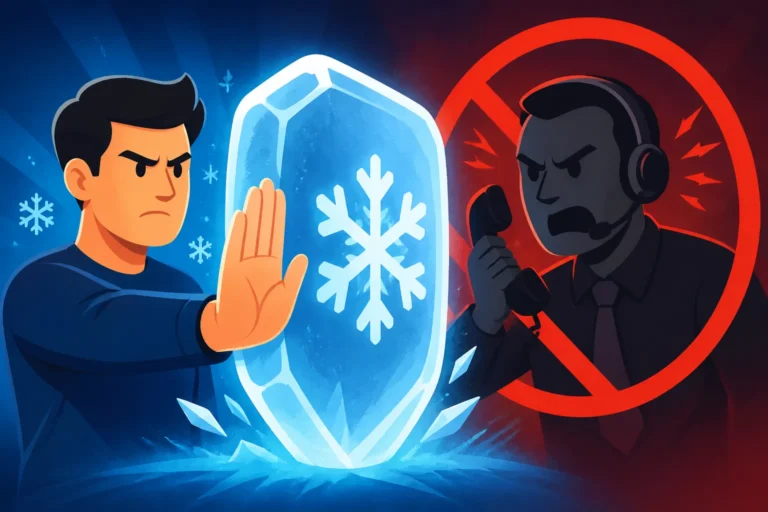
- Responding with a Cease and Desist Letter: Often, the most effective way to stop collection contact is to send a written cease and desist letter. Under the FDCPA, once a debt collector receives your written request to stop contacting you, they must comply. They can only contact you one more time to inform you that they will no longer contact you or that they are initiating a specific remedy (like a lawsuit, though they can't sue for time-barred debt). Sending a certified letter with a return receipt provides proof that they received your request. This is usually the best approach to gain peace and quiet. For guidance on how to write this, refer to How to Freeze Debt Collector Contact (Cease & Desist). This letter does not acknowledge the debt, nor does it restart the SOL. It simply demands they stop communicating with you.
When Paying Might Make Sense (Rarely)
While it's generally ill-advised to pay a time-barred debt, there are very rare circumstances where someone might consider it. These are almost always for personal reasons, not for credit improvement:
- Moral Obligation: Some individuals feel a strong moral obligation to repay all their debts, regardless of legal enforceability. If this is your situation, proceed with extreme caution.
- Avoiding Future Hassle: While a cease and desist letter usually works, some people might want to eliminate even the remote possibility of future contact or the debt being sold to another collection agency down the line.
If you do decide to pay a time-barred debt, it is critical to get everything in writing before you make a single payment. This written agreement should clearly state:
- The exact amount being paid.
- That the payment fully settles the debt.
- That the collection agency will stop all collection efforts.
- That the collection agency will update your credit report to show the debt as "Paid in Full" or, ideally, agree to a "pay-for-delete" where they remove the entry entirely. However, getting a pay-for-delete for a time-barred debt is less likely, as their incentive is lower. For more on this, check out Pay for Delete: Does It Really Work?.
- Most importantly, be aware that paying a time-barred debt will not remove it from your credit report if it's still within the 7-year reporting window, and it will restart the SOL if you weren't careful with documentation. Generally, the best advice for time-barred debt is not to pay it. If you're pondering whether to pay off old collections, even those that aren't time-barred, you might find valuable insights in Should You Pay Off Old Collections?.
Rebuilding Credit After Old Debts
Even if you successfully navigate time-barred debts and get collectors off your back, you might still find yourself with a credit score that's taken a hit from those past issues. The good news is that old debts eventually fall off your credit report, and you can absolutely take proactive steps to rebuild your credit.
After dealing with past financial struggles, focusing on establishing a positive payment history and a healthy credit mix becomes paramount. This is where tools designed specifically for credit building can be incredibly helpful. For instance, services like Credit Strong offer credit builder loans or secured credit cards that report your consistent payments to the major credit bureaus. By making on-time payments, you're actively demonstrating responsible financial behavior, which is a major factor in improving your credit score.
Consider applying for a secured credit card, which requires a cash deposit that becomes your credit limit. This significantly reduces the risk for lenders, making them accessible even if your credit isn't stellar. Another option is a credit builder loan, where you make payments into a locked savings account, and the money is released to you at the end of the loan term. Both methods report your payment history to the credit bureaus, helping you build positive credit over time. Credit Strong is one such provider that can help you get started on this path. If you're curious about how to kickstart this journey, take a look at our comprehensive guide on How to Build Credit From Scratch (2026 Guide) or learn more about Credit Builder Loans Explained (Self, Kikoff & More). The key is to start creating new, positive entries on your credit report to outweigh the old, negative ones.
Disclaimer
The information provided in this guide is for general informational purposes only and does not constitute legal or financial advice. Debt laws, including statutes of limitations, can be complex and are subject to change. It is highly recommended to consult with a qualified attorney or financial advisor regarding your specific situation before making any decisions related to debt.