Statute of Limitations on Debt in Kansas
It can feel incredibly overwhelming when you’re facing old debts, especially when you’re not entirely sure what your rights are or how long a creditor can legally pursue you. The thought of a debt collector hounding you for something that happened years ago can be stressful, leaving you wondering if there's an end in sight. This guide is here to shed light on the statute of limitations on debt in Kansas, explaining how it impacts your obligations and empowers you with the knowledge to manage these situations effectively.
Understanding Kansas's Statute of Limitations for Debt
When we talk about the statute of limitations (SOL) on debt, we're really discussing a legal deadline. It's not about the debt itself disappearing into thin air, but rather about how long a creditor or debt collector has the legal right to sue you in court to collect that debt. Once this period expires, the debt is considered "time-barred," and while collectors can still contact you, they cannot take legal action like filing a lawsuit or garnishing wages. Knowing these timeframes in Kansas is crucial for protecting yourself.
What the Statute of Limitations Means for Your Debt
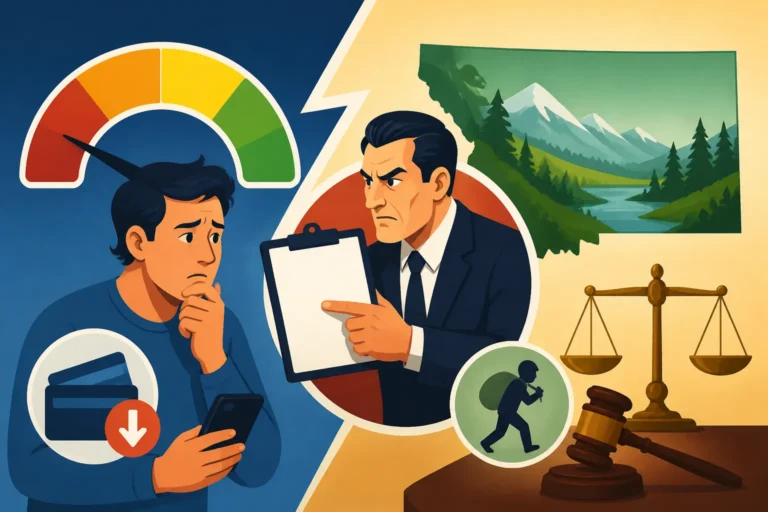
The statute of limitations is a vital consumer protection. Imagine a situation where you had an old credit card from a decade ago, and suddenly, a debt collector starts calling, threatening a lawsuit. Without a statute of limitations, creditors could pursue debts indefinitely, making it impossible for individuals to move forward financially. In Kansas, like other states, these laws provide a clear timeline. It means that if the specified period has passed, a debt collector cannot successfully sue you to enforce the debt. They might still try, hoping you're unaware of your rights, but a good defense leveraging the expired SOL would protect you in court.
It's important to understand that the debt doesn't just vanish from your credit report immediately once the SOL expires. Negative items like late payments, collections, or charge-offs can generally stay on your credit report for up to seven years from the date of the first missed payment, even if the legal right to sue has passed sooner. This distinction is significant because while a collector can't take you to court, the debt can still affect your ability to get new credit until it falls off your report. For more details on this, you might find our guide on How Long Does a Collection Stay on Your Credit Report? helpful.
Key Timeframes for Different Debt Types in Kansas
Kansas law sets different statute of limitations periods based on the type of debt agreement. This is why it's so important to identify exactly what kind of debt you're dealing with. The most common categories include written contracts, oral (verbal) contracts, promissory notes, and judgments. These distinctions can significantly alter how long a creditor has to take legal action.
For instance, many credit card agreements are considered written contracts, as are auto loans or personal loans you signed paperwork for. Medical bills, depending on how they were handled, could fall under either written or oral contract categories. Understanding these nuances is the first step in assessing your situation accurately and determining if a debt has become time-barred under Kansas law.
Distinguishing Between Written and Oral Contracts
In Kansas, the biggest difference often comes down to whether your agreement with the original creditor was in writing or if it was a verbal agreement. This distinction makes a huge difference in the timeframe collectors have to sue you.
Generally speaking, written contracts in Kansas have a statute of limitations of five years. This category usually includes things like signed credit card agreements, mortgages, auto loans, and promissory notes. If you applied for a credit card and signed an agreement, or took out a loan with a formal contract, it likely falls under this five-year rule. The clock typically starts ticking from the date you missed your first payment or breached the contract.
On the other hand, oral contracts (verbal agreements) have a shorter statute of limitations in Kansas, typically three years. This could apply to certain types of services or informal loans where no written contract was ever signed. However, many consumer debts that might seem "oral" at first glance actually have an underlying written agreement, especially with larger financial institutions. Always try to get documentation to confirm the nature of your debt before making assumptions.
Here's a quick overview of common debt types and their respective SOL in Kansas:
| Debt Type | Kansas Statute of Limitations | Description |
|---|---|---|
| Written Contracts | 5 Years | Credit cards, auto loans, mortgages, personal loans with signed agreements. |
| Oral Contracts | 3 Years | Verbal agreements, some service contracts. |
| Promissory Notes | 5 Years | Signed agreements to repay a specific sum. |
| Judgments | 5 Years | Initial period, renewable for another 5 years. |
This table highlights the crucial differences, underscoring why identifying the exact nature of your debt is paramount when facing collection attempts in Kansas.
The Impact of the Statute of Limitations on Debt Collection
Even if a debt is past the statute of limitations, debt collectors might still try to contact you. This can be confusing and intimidating, making you feel like you still owe the money and they can force you to pay. It’s important to remember that their legal power has diminished, and you have specific protections under the law. Understanding these protections and the actions that can inadvertently reset the clock is critical to managing time-barred debts.
What Happens After the Statute of Limitations Expires
Once the statute of limitations in Kansas has run out on a particular debt, the most significant change is that the creditor or debt collector loses their ability to sue you in court. This means they cannot obtain a judgment against you, which would typically allow them to garnish your wages, seize your bank accounts, or place liens on your property. This doesn't mean the debt is gone, but rather that its legal enforceability through the court system has expired.
However, debt collectors are still legally allowed to contact you and attempt to collect the debt, even if it's time-barred. This is where things get tricky, and why knowledge is truly power. Many collectors will try to get you to acknowledge the debt or make a small payment, hoping you don't know your rights. If you find yourself in this situation, it's wise to be cautious. Our guide on Can a Debt Collector Sue You in Kansas? dives deeper into the specific legal avenues collectors might pursue and when their options are limited.
Risks of Acknowledging or Paying Old Debts
This is perhaps the most dangerous trap for consumers dealing with old debts. If you acknowledge the debt or, even worse, make a partial payment on a time-barred debt, you could inadvertently "re-age" the debt. Re-aging essentially restarts the statute of limitations clock from the date of your last payment or acknowledgment. This means a debt that was previously legally unenforceable could suddenly become enforceable again, opening you up to a lawsuit.
For example, imagine you have a credit card debt from six years ago that has been silent. In Kansas, a written contract debt has a five-year SOL. If a collector calls and you say, "Yes, I remember that account," or you make a small $20 payment just to get them off your back, you've potentially restarted that five-year clock. Suddenly, they have a fresh five years to sue you. This is why it's so important to be extremely careful and consider your actions before speaking with or sending money to a debt collector regarding an old debt.
Consumer Protections Against Out-of-Statute Debt Collection
Fortunately, there are laws in place to protect you from unfair or deceptive collection practices, even for time-barred debts. The primary federal law is the Fair Debt Collection Practices Act (FDCPA). This act prohibits debt collectors from using abusive, unfair, or deceptive practices to collect debts. This includes misrepresenting the legal status of a debt, like implying they can sue you when the SOL has expired.
The FDCPA also applies to third-party debt collectors, which is often who you'll hear from for older debts. They cannot harass you, make false threats, or publish lists of debtors. If a collector violates these rules, you have the right to take action against them. It’s crucial to document all communications and understand your rights. If you're unsure if a debt is legitimate or if the collection practices are legal, considering a strategy like What Is Debt Validation and How to Request It can be a powerful tool.
Navigating Debt Collection for Time-Barred Debts in Kansas
Dealing with debt collectors, especially for old debts, can feel like walking through a minefield. The key is to be informed and proactive, understanding your rights and how to assert them. Knowing how to verify the debt's age and how to communicate with collectors effectively can save you a lot of stress and potential financial harm.
How to Verify the Age of Your Debt
Before you do anything else, you need to confirm the exact age of the debt. This isn't always straightforward because debt collectors might not provide clear information, and the "date of last activity" on your credit report might not be the actual date of last payment or default.
Your best bet is to request a copy of your credit report from all three major bureaus: Equifax, Experian, and TransUnion. You can get a free copy annually through AnnualCreditReport.com. Look for the "date of first delinquency" or "date opened" for the specific account in question. This date, along with the date of your last payment, is crucial for calculating the statute of limitations. Remember that the SOL clock generally starts from the date of your last activity or payment on the account, or the date of the first missed payment that led to the default. You can learn more about how to do this in our detailed guide, How to Get Your Free Credit Report.
Strategies for Dealing with Collectors of Time-Barred Debt
Once you've confirmed a debt is time-barred in Kansas, your strategy changes significantly. The golden rule is: Do not acknowledge the debt or make any payments.
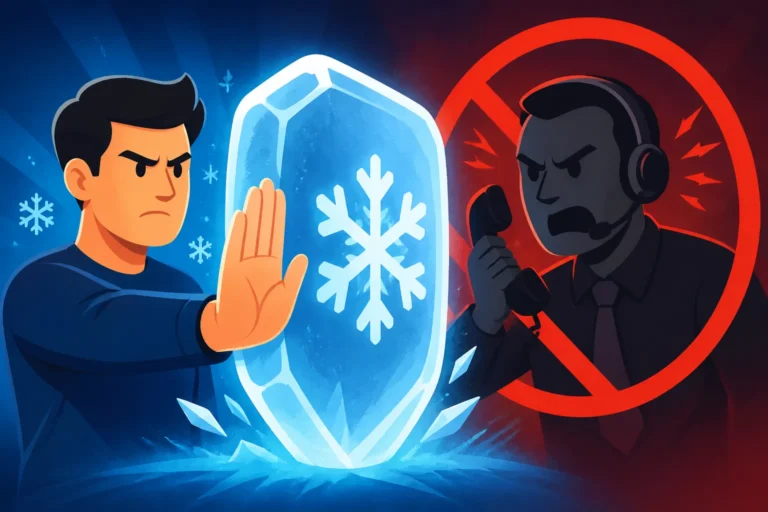
- Communicate in writing: If a debt collector contacts you, respond with a letter stating that you believe the debt is past the statute of limitations and that you dispute its validity. Request them to cease communication. This creates a paper trail and helps protect you under the FDCPA.
- Know your rights: Remind the collector (and yourself) that under Kansas law, they cannot sue you for this debt. They cannot threaten to sue, garnish your wages, or take any other legal action. If they do, they are violating federal law.
- Refuse to pay: While collectors can legally ask you to pay, you are under no legal obligation to do so once the SOL has expired. Many people choose not to pay time-barred debts because they are not legally enforceable. However, be aware that a time-barred debt can still appear on your credit report for up to seven years from the date of delinquency. If you're considering whether to pay off such a debt, reading Should You Pay Off Old Collections? might give you more perspective.
When to Seek Legal Counsel
While much of this process can be handled on your own, there are definitely times when it’s wise to bring in a legal professional. If a debt collector threatens to sue you for a time-barred debt, or actually files a lawsuit, you absolutely need to consult an attorney specializing in consumer law. They can ensure you present the correct defense (that the debt is time-barred) and protect your rights in court.
You should also seek legal counsel if you believe a debt collector is violating the FDCPA, for example, by harassing you, making false statements, or contacting third parties about your debt. An attorney can help you understand if you have a case to sue the debt collector for their violations. Navigating complex legal landscapes can be daunting, and having an expert by your side can make all the difference.
Practical Steps to Manage Your Debt Situation in Kansas
Dealing with old debts, especially those subject to the statute of limitations, is just one piece of your overall financial health. It’s also about proactively managing your credit and building a stronger financial future. Taking consistent steps can help you move past these challenges and achieve your goals.
Reviewing Your Credit Report Regularly
One of the most powerful tools you have in your financial arsenal is your credit report. It's like a detailed history book of your financial reliability. Regularly checking your credit report from all three major bureaus (Equifax, Experian, and TransUnion) is absolutely essential. Not only does it help you identify old debts and their reporting dates, which is vital for calculating the statute of limitations, but it also allows you to spot errors or fraudulent activity.
You should review your report at least once a year, but ideally more often if you're actively trying to manage debt or improve your credit. Look for discrepancies, accounts you don't recognize, or incorrect dates. Finding these errors early can prevent a lot of headaches down the line. If you do find errors, knowing How to Dispute With Equifax, Experian, and TransUnion is a crucial skill. For a deeper dive into understanding what you're looking at, our comprehensive guide on How to Read Your Credit Report (2026 Guide) is an invaluable resource.
The Role of Credit Repair in Dealing with Old Debts
Even if a debt is time-barred and you're not legally obligated to pay it, its presence on your credit report can still negatively impact your credit score. Collections and charge-offs, whether paid or unpaid, generally remain on your report for about seven years. This means they can still hinder your ability to get favorable interest rates on loans, rent an apartment, or even secure certain jobs.
This is where credit repair comes into play. It’s not just about removing inaccurate information, but also about strategically managing existing negative items. While you can't always remove accurate negative information before its reporting period expires, understanding the process of How to Remove Collections From Your Credit Report or even How to Remove Negative Items From Your Credit Report can give you options. The goal is to clean up your credit history as much as possible so that when these older items eventually fall off, you have a solid foundation.
Building Credit for a Stronger Financial Future
Once you’ve addressed the immediate concerns of time-barred debts and cleaned up your credit report as much as possible, the next crucial step is actively building positive credit. This means focusing on habits that will steadily improve your credit score over time, rather than just reacting to old debts.
Consider exploring options like secured credit cards, which require a deposit but can help you establish a positive payment history. Or, look into credit builder loans, designed specifically to help you save money and build credit simultaneously. Companies like Credit Strong offer these kinds of products, which can be a fantastic way to diversify your credit mix and show lenders you are responsible. Consistent on-time payments, keeping your credit utilization low, and maintaining a healthy mix of credit accounts are all key components to raising your score. If you're starting fresh, our guide on How to Build Credit From Scratch (2026 Guide) can give you a roadmap, and you'll find great information on What Is a Good Credit Score? (2026 Ranges Explained) to set your goals. Focusing on these positive actions helps push past the lingering effects of old debts and builds a path toward financial freedom.
Disclaimer
Please remember that this guide provides general information about the statute of limitations on debt in Kansas and should not be considered legal advice. Debt laws can be complex and may vary based on individual circumstances. If you are facing a debt collection lawsuit or have specific questions about your situation, it is always recommended to consult with a qualified attorney in Kansas or a reputable credit counseling service.