How to Build Credit With Bad Credit Using a Starter Credit Card
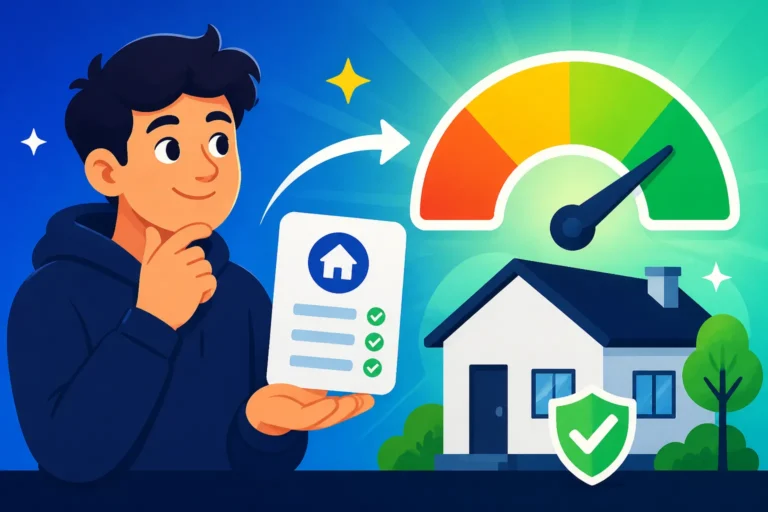
It's incredibly frustrating to be stuck in that classic financial Catch-22: you need good credit to get approved for loans and credit cards, but you can't build good credit without having loans and credit cards. When you've got bad credit, it feels like the doors are slammed shut before you even knock. This guide is here to show you how a starter credit card can be your powerful secret weapon to break free from this cycle and start building a healthier financial future, even when your past credit history feels like a heavy anchor.
Understanding Bad Credit and How Starter Cards Offer a Lifeline
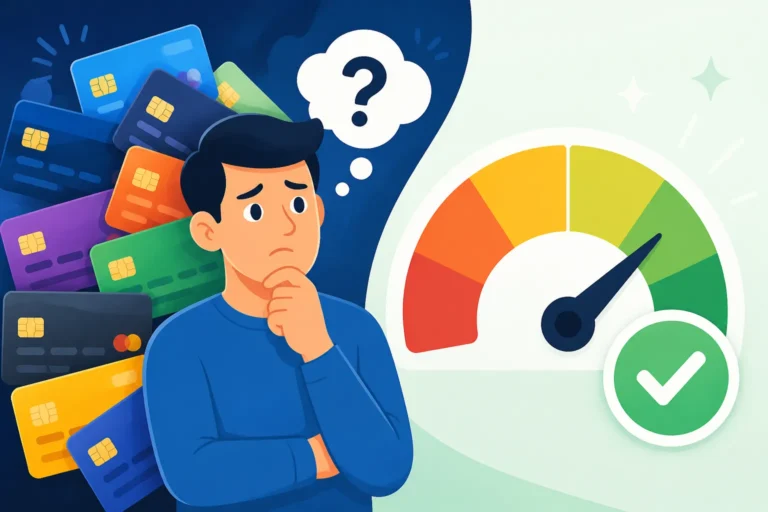
Let's face it, having "bad credit" isn't just a number; it's a real barrier to so many things in life. It can mean struggling to rent an apartment, being denied a car loan, or paying exorbitant interest rates if you do get approved for anything. It's a constant source of stress and can make you feel like you're always playing catch-up. The problem is, many traditional credit cards and loans are designed for people who already have a solid credit history. They look at your past and, if it's less than stellar, they simply say no.
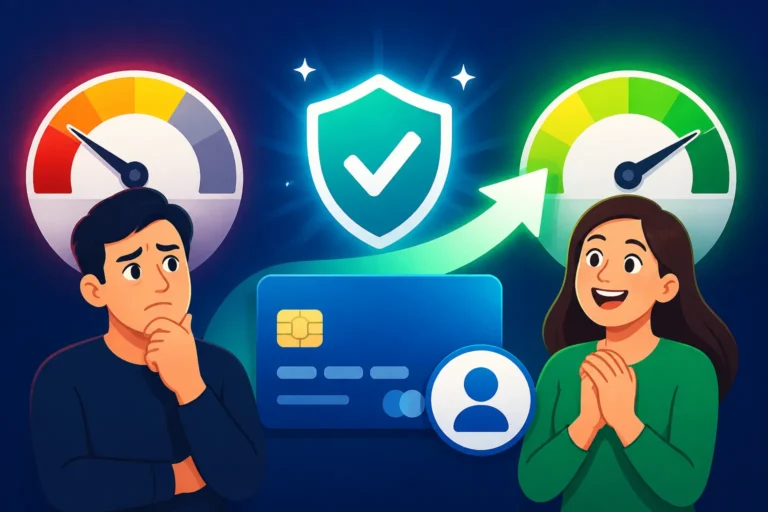
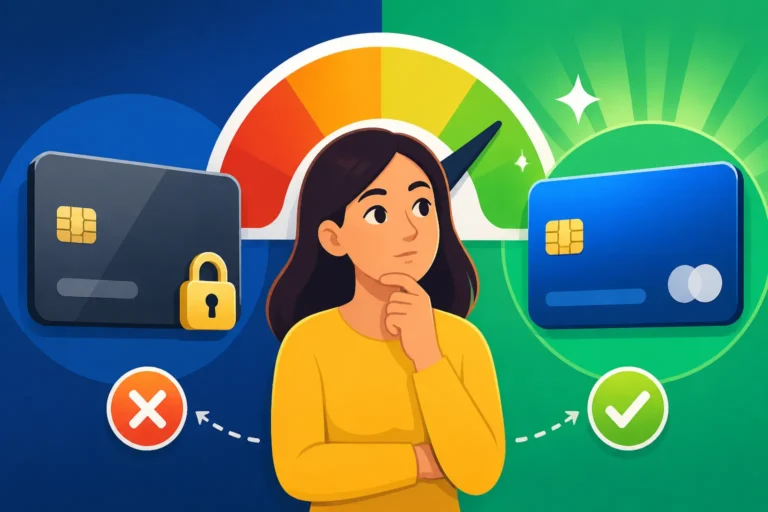
This is where starter credit cards come into play, offering a much-needed bridge for those with bruised or limited credit. These cards are specifically designed for individuals who might not qualify for conventional credit products. They understand that everyone needs a chance to prove themselves, and they provide that opportunity. Instead of focusing solely on your past mistakes, they're set up to help you establish a new, positive payment history that will gradually overshadow older, negative entries. Think of them as training wheels for your credit journey, allowing you to learn responsible credit habits in a low-risk environment. While the focus of this guide is on starter credit cards, it's worth noting that building credit often involves a multi-pronged approach, and other tools, like credit builder loans offered by companies such as Credit Strong, can also play a valuable role in establishing a positive payment history alongside your card use.
What Exactly is a Starter Credit Card for Bad Credit?
When we talk about starter credit cards for bad credit, we're primarily looking at two main categories: secured credit cards and, less commonly, certain types of unsecured cards designed for subprime borrowers. Both serve the same ultimate goal: to help you demonstrate responsible credit behavior and report that behavior to the major credit bureaus, but they do it in slightly different ways. Understanding these differences is key to choosing the right tool for your situation.
Secured Credit Cards: Your Foundation for Rebuilding
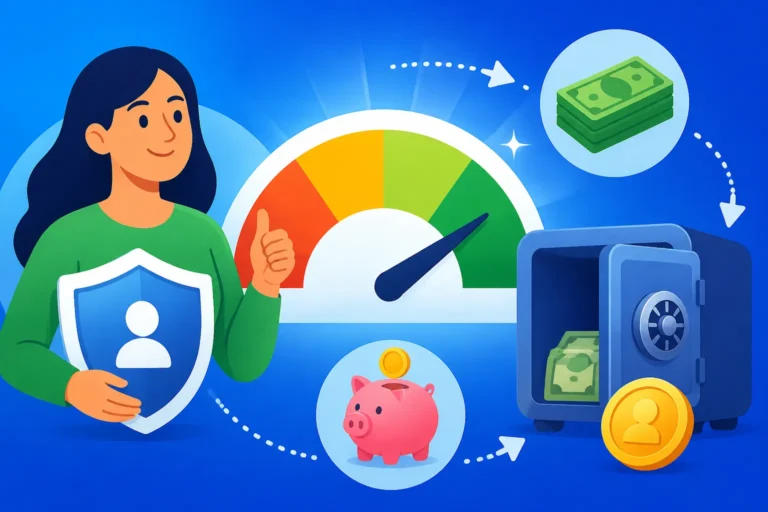
Secured credit cards are, for most people with bad credit, the most reliable and effective starting point. The concept is straightforward: you provide a cash deposit to the credit card issuer, and that deposit typically becomes your credit limit. For example, if you put down $300, your credit limit will be $300. This deposit acts as collateral, which significantly reduces the risk for the lender. Because their risk is minimal, they are much more willing to approve applicants with poor credit or no credit history at all.
This mechanism is what makes secured cards so powerful for credit building. Even though your money is "secured" by the deposit, the card functions just like a regular credit card. You make purchases, you receive a monthly statement, and you're expected to pay your bill on time. The issuer reports your payment activity to the three major credit bureaus – Equifax, Experian, and TransUnion. Consistent, on-time payments and low credit utilization (we'll dive into that soon!) are the building blocks that will slowly but surely improve your credit score. Many secured cards, like the Discover it Secured Card, even offer a pathway to upgrade to an unsecured card and get your deposit back after a period of responsible use. If you're wondering the Discover it Secured Card Review: Is It Good for Building Credit?, it's often highly recommended for this very reason.
Unsecured Starter Cards: Proceed with Caution
While less common and often riskier, some unsecured credit cards are marketed towards individuals with bad credit. Unlike secured cards, these don't require an upfront security deposit. This might sound appealing, but it's crucial to approach these with extreme caution. Often, these cards come with very low credit limits (sometimes as little as $100-$300) and can carry a host of high fees, including annual fees, monthly maintenance fees, and even application or processing fees that eat into your initial credit limit. The interest rates are typically exorbitant as well.
It's not uncommon to see a card with a $200 limit come with a $75 annual fee and a $10 monthly maintenance fee, leaving you with very little usable credit from the start. These cards are generally less effective for credit building because the high fees make it harder to maintain a low utilization ratio, and the potential for getting into more debt is higher. Unless you absolutely cannot afford a security deposit for a secured card, most financial experts advise opting for a secured card first.
Understanding Key Card Features for Credit Building
No matter which type of starter card you consider, there are a few essential features to look for to ensure it's truly helping you on your credit journey:
- Reporting to All Three Major Credit Bureaus: This is non-negotiable. If a card doesn't report to Equifax, Experian, and TransUnion, it's not effectively building your credit. Always confirm this with the issuer.
- Annual Fees and Other Charges: Look for cards with low or no annual fees. Some secured cards, though they require a deposit, have no annual fee, making them more cost-effective in the long run.
- Interest Rate (APR): While the goal is to pay your statement balance in full every month to avoid interest, a lower APR is always better in case of an emergency or an accidental balance carry-over.
- Path to Upgrade: For secured cards, investigate if there's a clear process to graduate to an unsecured card and get your deposit back. This shows the issuer's confidence in your credit-building progress.
- Credit Limit: While starter cards will have lower limits, understanding the potential range and how your deposit will determine it for secured cards is important. For example, some secured cards allow you to increase your deposit over time to raise your limit.
Remember, the purpose of this card isn't to finance large purchases but to establish a strong payment history. Other credit-building methods, such as a credit builder loan, are also excellent tools to achieve this. Services like Credit Strong are designed to help you build a positive payment history by reporting installment loan payments, which can complement the revolving credit history you build with a starter card. Diversifying your credit mix with different types of accounts, like revolving credit from a card and installment credit from a loan, can actually be beneficial for your credit score. If you're looking for broader strategies, check out our guide on How to Build Credit From Scratch (2026 Guide).
Choosing the Right Starter Card When You Have Bad Credit
Selecting the best starter credit card when you're dealing with bad credit can feel overwhelming. There are so many options, and some can seem too good to be true. The key is to look for cards designed for your specific situation and to understand the terms and conditions thoroughly.
Secured Credit Cards: Your Most Reliable Option
For most people with bad credit, a secured credit card is hands down the best and most forgiving choice. The application process is generally simpler, and approval rates are higher because of that security deposit.
Here's why they're often your best bet:
- Easier Approval: Because the bank's risk is minimized by your deposit, they're much more likely to approve applicants with lower credit scores or limited credit history. This is crucial when you're constantly facing rejections.
- Builds Credit Effectively: When you use a secured card responsibly (paying on time, keeping utilization low), the positive activity is reported to all major credit bureaus. This is the direct path to improving your credit score.
- Deposit Refund Potential: Many secured cards offer a path to "graduate" to an unsecured card. After demonstrating responsible use for 6-12 months, the issuer might convert your account and refund your security deposit. This is a huge milestone!
- Financial Discipline: The direct link between your deposit and your credit limit can be a great way to learn financial discipline without racking up high-interest debt. You're essentially spending your own money, but building credit in the process.
When looking for a secured card, compare options from major banks and credit unions. Some popular examples include the Capital One Platinum Secured Credit Card, which offers a flexible security deposit, or the aforementioned Discover it Secured, known for its cash back rewards and clear upgrade path.
Unsecured Starter Cards: When to Consider (and When to Avoid)
As mentioned, unsecured starter cards for bad credit exist, but they are a trickier landscape. They don't require a deposit, but often come with caveats that can negate their benefits or even put you in a worse position.
- When to Potentially Consider (with extreme caution): If you absolutely cannot afford a security deposit and your credit is just on the cusp of "poor" rather than "very poor," you might find an unsecured option. However, these are rare and typically from less established issuers.
- Red Flags to Watch For: Be extremely wary of cards with high upfront "program fees," "maintenance fees," or "processing fees" that are deducted from your initial credit limit before you even use the card. Also, check for unusually high annual fees or monthly fees. Some cards from issuers like Credit One Bank, while unsecured, often have terms that are not favorable for long-term credit building due to these high costs.
- The Trap of Low Limits and High Fees: An unsecured card with a $300 limit and $150 in annual/monthly fees means you only have $150 of usable credit for the year. This makes it incredibly difficult to keep your credit utilization low, which is a major factor in your credit score. You might end up paying more in fees than the value you get in credit building.
Always prioritize a secured card if you can. It’s a safer, more predictable, and usually more affordable path to credit repair. If you want to understand all the factors at play, exploring resources like What Affects Your Credit Score? The 5 Factors can give you a comprehensive overview.
Strategies for Effectively Building Credit with Your New Card
Getting a starter credit card is just the first step. The real work, and the real magic, happens in how you use it. Consistent, responsible behavior is what truly transforms your credit score. Here's how to maximize the positive impact of your new card.
Making Payments On Time, Every Time
This is the golden rule of credit building. Your payment history is the most significant factor in your credit score, accounting for 35% of your FICO score. Even one late payment can cause a noticeable drop in your score and set back your progress.
- Set Up Auto-Pay: This is your best friend. Schedule automatic payments for at least the minimum amount due, or even the full statement balance, from your checking account a few days before the due date. This ensures you never miss a payment.
- Pay More Than the Minimum: While paying the minimum keeps your account in good standing, paying the full statement balance is ideal. It helps you avoid interest charges and keeps your credit utilization low, which brings us to the next point.
- Consider Multiple Payments: If your budget allows, make several small payments throughout the month rather than one large payment at the end. This keeps your balance low, which can be particularly helpful if your card reports your balance to the credit bureaus before your statement closing date.
Missing a payment, even by a day, can trigger late fees and negative reporting. So, diligence here is paramount.
Keeping Credit Utilization Low
Credit utilization refers to how much of your available credit you're using. It's the second most important factor in your credit score, making up 30% of your FICO score. For those with starter cards, where limits are typically low, this factor becomes even more critical.
- The 30% Rule: The general advice is to keep your credit utilization below 30% of your total credit limit. If your credit limit is $300, try not to let your reported balance exceed $90.
- The "Sweet Spot" is Lower: For optimal credit building, aiming for even lower, ideally under 10%, is fantastic. If you have a $300 limit, try to keep your balance under $30. This signals to lenders that you're not reliant on credit and can manage it well. Our guide on What Is a Good Credit Utilization Ratio? dives deeper into this crucial metric.
- Treat It Like a Debit Card: Only charge what you can comfortably afford to pay off in full each month. This mindset helps prevent overspending and ensures you keep your utilization in check.
- Pay Before the Statement Date: The credit bureaus usually receive your balance report around your statement closing date. If you pay off most or all of your balance before that date, a lower amount will be reported, making your utilization look better.
By consistently keeping your utilization low, you demonstrate responsible credit management, which directly contributes to a rising credit score.
Don't Close Old Accounts (Once Established)
Once you've graduated from your starter card to an unsecured one, or perhaps opened a new, better card, resist the urge to immediately close your old starter card, especially if it's a secured card you've handled well. The length of your credit history also impacts your score (15% of your FICO score). Keeping older accounts open, even if you don't use them much, contributes to a longer average age of your credit accounts.
If the card has an annual fee, consider if the fee is worth the credit history benefit. Sometimes, canceling an old card with a small limit might be necessary if the fee is high, but generally, older, well-managed accounts are assets to your credit profile. Just be sure to use it occasionally (e.g., once every 6-12 months for a small purchase you immediately pay off) to keep it active.
Regular Credit Monitoring
You're putting in the work, so it's essential to monitor your progress and ensure everything is reported accurately. Checking your credit report regularly allows you to spot errors, identify potential fraud, and track your score's improvement.
- AnnualCreditReport.com: You're entitled to a free credit report from each of the three major bureaus (Equifax, Experian, TransUnion) once every 12 months. Use this resource. We have a helpful guide on How to Read Your Credit Report (2026 Guide) that can walk you through understanding all the details.
- Free Credit Monitoring Services: Many banks and financial apps offer free credit score monitoring (e.g., Credit Karma, Experian, Capital One CreditWise). While these often provide VantageScores, which might differ slightly from FICO scores, they are excellent for tracking trends and getting alerts about changes to your report.
- Dispute Errors Promptly: If you find any inaccuracies on your credit report, dispute them immediately. Even small errors can hold back your progress.
By actively monitoring your credit, you stay informed and empowered throughout your credit-building journey.
Pitfalls to Avoid on Your Credit-Building Journey
While a starter credit card is a fantastic tool for building credit, there are common mistakes that can derail your progress. Being aware of these pitfalls can help you navigate your journey more smoothly.
Overspending and Carrying a Balance
This is perhaps the biggest trap for anyone new to credit, especially those trying to recover from past financial difficulties. It’s easy to see your credit limit as "extra money" rather than a tool for responsible spending.
- The Interest Trap: If you don't pay your statement balance in full each month, you'll start accruing interest. For starter cards, interest rates can be quite high, sometimes upwards of 25-30% APR. This means that a small balance can quickly balloon into a much larger debt, making it harder to pay off and potentially leading to more financial stress. You’re trying to build credit, not accumulate more debt.
- High Utilization: Even if you can afford the minimum payment, carrying a significant balance means high credit utilization. As we discussed, high utilization heavily penalizes your credit score. If your card has a $300 limit and you regularly carry a $200 balance, you're using about 67% of your available credit, which is detrimental.
The goal with a starter card is not to leverage it for large purchases, but to demonstrate consistent, low-risk usage. Use it for small, everyday expenses you can easily pay off, like groceries or gas.
Applying for Too Many Cards at Once
When you're eager to build credit, it might be tempting to apply for multiple credit cards, thinking more accounts mean faster credit building. However, this strategy can backfire significantly.
- Hard Inquiries: Each time you apply for a new credit card, the issuer performs a "hard inquiry" on your credit report. A hard inquiry temporarily dings your credit score, usually by a few points, for about a year, though it remains on your report for two years. A single hard inquiry is generally not a big deal, but multiple inquiries in a short period signal to lenders that you might be desperate for credit or a higher credit risk. Our article How Many Points Is a Hard Inquiry Worth? explains this in detail.
- New Account Impact: Opening several new accounts simultaneously also shortens the average age of your credit history, which is another factor in your score. Lenders prefer to see a long, established history of responsible credit use.
Focus on one or two starter cards at most. Get comfortable managing them, establish a strong payment history, and allow your credit score to improve before considering additional credit products. Patience is a virtue in credit building.
Forgetting About Fees
Many starter credit cards, especially those designed for bad credit, come with various fees. It’s crucial to be fully aware of these charges, as they can quickly erode any benefits you might gain.
- Annual Fees: A common fee, often ranging from $29 to $99 or more, charged once a year for the privilege of having the card. Factor this into your budget.
- Maintenance Fees: Some cards might charge monthly or quarterly maintenance fees, further reducing your usable credit.
- Cash Advance Fees: Avoid cash advances entirely. They come with high fees (often 3-5% of the amount advanced) and typically higher interest rates that start accruing immediately.
- Late Payment Fees: While you're aiming for on-time payments, be aware of the fees if you accidentally miss a deadline.
Always read the Schumer Box (the table of terms and conditions) carefully before applying for any credit card. Knowing the fees upfront helps you avoid unpleasant surprises and make an informed decision. Remember that a credit builder loan from a company like Credit Strong might have an administrative fee, but it's typically a one-time setup charge, and the overall cost structure is often more transparent than some predatory unsecured credit cards. The most cost-effective cards are usually secured options with no annual fee.
Comparing Starter Credit Card Options
To give you a clearer picture, here's a brief comparison of typical characteristics for secured and unsecured starter credit cards. This table highlights why secured cards are generally recommended for those rebuilding credit.
| Feature | Secured Credit Card | Unsecured Starter Credit Card |
|---|---|---|
| Credit Requirement | Poor to Fair credit (or no credit) | Poor to Fair credit (sometimes limited options) |
| Security Deposit | Required (typically equals credit limit) | Not required |
| Approval Rate | Higher due to lower risk for issuer | Lower, higher risk for issuer |
| Credit Limit | Typically matches deposit (e.g., $200-$2,500) | Often very low (e.g., $100-$500) |
| Annual Fee | Often low or none (e.g., $0-$39) | Can be high (e.g., $39-$99+) |
| Other Fees | Minimal (late payment, cash advance) | Can include monthly/program/maintenance fees |
| Interest Rate (APR) | Varies, but can be competitive for type | Often very high (25%+), less favorable |
| Credit Building | Highly effective with responsible use | Effective, but high fees/low limits can be hurdles |
| Upgrade Path | Many offer graduation to unsecured card and deposit return | Rarely offered, usually stay unsecured subprime |
This table clearly illustrates why, for most people working to build credit with a less-than-perfect history, a secured card provides a more stable, predictable, and ultimately more effective pathway.
Next Steps on Your Credit Journey
Using a starter credit card is a powerful first step, but it's part of a larger, ongoing financial journey. As your credit score begins to rise thanks to your starter card, you might consider diversifying your credit mix. This could mean looking into other tools like a small personal loan, or indeed, a credit builder loan, where companies like Credit Strong specialize in helping you establish a payment history for installment loans. A mix of revolving credit (like credit cards) and installment credit (like loans) can further enhance your credit profile over time.
Once you've consistently paid your starter card on time and kept utilization low for 6-12 months, start checking your credit score regularly. Many secured card issuers will automatically review your account for an upgrade, or you can request one. Once you qualify for an unsecured card with better terms, you can begin to transition. Remember, building credit is about consistency, patience, and smart financial habits. There are plenty of resources out there to help you on this path, including our comprehensive guide on How to Repair Your Credit: The Complete Guide (2026). Keep learning, keep practicing, and watch your financial future transform!
Disclaimer
This article is for general informational purposes only and does not constitute professional advice. Laws, prices and regulations vary by location and change over time. Consult a qualified professional for guidance on your specific situation.