How to Get All 3 Credit Reports for Free
It's a frustrating reality that something so vital to your financial life – your credit report – can sometimes feel like a closely guarded secret. We all know we should check them, but the thought of navigating confusing websites or paying for information often stops us in our tracks. This guide is here to demystify the process and show you exactly how to get all three of your credit reports from Equifax, Experian, and TransUnion for free, ensuring you have the complete picture without any hassle or hidden fees.
Why Accessing All Three Credit Reports is Crucial
You might think checking just one of your credit reports is enough, but believe me, that's a common misconception that can leave you vulnerable. Your credit health is like a three-part puzzle, and if you only look at one piece, you're missing out on vital information. Getting all three isn't just a good idea; it's essential for truly understanding your financial standing and protecting yourself.
The Big Three: Equifax, Experian, and TransUnion
Think of Equifax, Experian, and TransUnion as the three major record-keepers of your financial history. Each one collects and maintains its own version of your credit report, independently from the others. While they all gather data from lenders, creditors, and public records, they don't always get the exact same information, nor do they update at the exact same time. This means that an account reported to Experian might not show up on TransUnion for a few weeks, or an old address might still be on Equifax but cleared from the others. Understanding The 3 Credit Bureaus: Equifax, Experian & TransUnion is the first step in appreciating why you need to check all of them.
It's not uncommon for minor differences to exist between your reports. Perhaps one lender only reports to two out of the three bureaus, or a collection agency might start reporting to a different bureau than the original creditor did. These discrepancies, even seemingly small ones, can impact your credit score and your ability to secure loans or favorable interest rates down the line. It's truly a myth that your credit report is identical across all three.
Identifying Discrepancies and Errors
This is where the real detective work begins, and why getting all three reports is non-negotiable. Credit reports are complex documents, often containing years of financial transactions, personal information, and public records. With so much data, errors are surprisingly common. These can range from simple typos in your address or name to much more serious issues like accounts that aren't yours, incorrect payment statuses, or even fraudulent accounts opened in your name. You can learn more about What's on Your Credit Report? Explained to know what to look for.
Imagine applying for a mortgage or a car loan, only to be denied or offered a sky-high interest rate because of an error on one of your reports that you never knew existed. Perhaps a late payment from five years ago was inaccurately reported as recent, or a medical bill you already paid is still showing as an outstanding collection. These kinds of mistakes can drag your score down significantly and cost you real money. Regularly checking all three reports allows you to catch these inaccuracies early and take steps to correct them, which is a fundamental part of How to Repair Your Credit: The Complete Guide (2026).
Protecting Yourself from Identity Theft
In today's digital age, identity theft is a constant threat. Data breaches are unfortunately frequent, and scammers are always looking for ways to exploit personal information. Your credit reports are a frontline defense in spotting potential identity theft. If you see accounts you don't recognize, inquiries from lenders you never contacted, or even strange addresses associated with your profile, these are immediate red flags.
By obtaining and reviewing all three reports regularly, you create a powerful defense system. One bureau might show an unauthorized hard inquiry, while another reveals a newly opened credit card account that isn't yours. Catching these early allows you to act quickly, dispute the fraudulent activity, and potentially prevent further damage. This proactive approach is far more effective than waiting until you're denied credit or receive a suspicious bill. Knowing What to Do If You're a Victim of Identity Theft is paramount in these situations.
Your Legal Right to Free Credit Reports
The good news is, you don't have to pay to get your hands on these crucial documents. Federal law guarantees you access to your credit reports for free, and there are specific, legitimate avenues to obtain them without falling for scams or unnecessary services.
The Fair Credit Reporting Act (FCRA)
The Fair Credit Reporting Act (FCRA) is a landmark federal law enacted in 1970 that aims to promote the accuracy, fairness, and privacy of consumer information contained in the files of consumer reporting agencies. Essentially, it's your consumer protection against unchecked data collection and reporting. Under the FCRA, consumers are entitled to a free copy of their credit report from each of the nationwide credit reporting agencies – Equifax, Experian, and TransUnion – once every 12 months. This entitlement is a cornerstone of responsible financial management.
This isn't a gesture of goodwill; it's a legal obligation for the bureaus. The law recognizes that access to your own financial data is vital for making informed decisions and correcting errors. Without this right, consumers would be at the mercy of credit bureaus and creditors, with little recourse against inaccurate or unfair reporting. It’s also why many people opt to freeze their credit when they're not actively seeking new lines of credit.
AnnualCreditReport.com: The Official Source
When it comes to getting your truly free annual credit reports, there's one official, government-mandated source: AnnualCreditReport.com. This website is the only one authorized by federal law to provide your free annual credit reports from Equifax, Experian, and TransUnion. Any other site that claims to offer "free credit reports" often comes with strings attached, like requiring you to sign up for a paid credit monitoring service or only providing a credit score, not the full report.
It's crucial to bookmark and use this specific website. Do not type "free credit report" into a search engine and click the first link you see, as many imposter sites are designed to trick you. AnnualCreditReport.com is secure, straightforward, and exists solely to fulfill your legal right to access your reports. There are no hidden fees, no subscriptions required, and no credit card information requested for the free reports themselves.
Other Scenarios for Free Reports
While AnnualCreditReport.com is your go-to for the annual free reports, the FCRA also provides for additional free reports under specific circumstances. These are important safety nets for consumers who might need to check their reports more frequently.
For example, if you've been denied credit, employment, housing, or insurance based on information in your credit report, you are entitled to another free copy from the specific bureau that provided the report to the creditor or employer. You must request this within 60 days of receiving the adverse action notice. Also, if you're a victim of identity theft and have placed a fraud alert on your file, you're entitled to free reports. Residents in some states, like Colorado and Georgia, may also have rights to additional free reports beyond the federal requirement. Finally, if you're unemployed and plan to seek employment within 60 days, or if you receive public assistance, you can also request an additional free report.
Step-by-Step Guide to Getting Your Free Reports from AnnualCreditReport.com
Now, let's walk through the actual process. It's quite simple, but knowing what to expect can make it even smoother. Don't worry, it's designed to be user-friendly, not a maze!
Navigating the Website
First things first, open your web browser and go directly to AnnualCreditReport.com. You'll see a clear, prominent button that says something like "Request Your Free Credit Reports." Click it to begin. The site will then guide you through a series of questions to verify your identity. This is a crucial step to ensure that only you can access your personal financial information.
You'll be asked for your full name, current address, previous addresses (if applicable), Social Security number, and date of birth. Make sure to input this information accurately, exactly as it appears on official documents. Sometimes, a slight mismatch can lead to a hiccup in the verification process. After providing your basic details, the system will often ask a few multiple-choice questions based on information only you would likely know – like a previous address, the amount of a car loan you took out a few years ago, or a former employer. These questions are designed to stump identity thieves, so take your time and answer carefully. If you're unsure about an answer, it's usually better to indicate "none of the above" rather than guessing incorrectly.
Requesting Each Report Separately
Once your identity is verified, you'll be presented with the option to request your reports from Equifax, Experian, and TransUnion. You can choose to get all three at once, or you can opt to stagger them throughout the year. Many financial experts recommend staggering them (e.g., pulling one every four months) to keep a more frequent eye on your credit health, but for your initial comprehensive review, pulling all three at once is often the most efficient approach. To understand How Often Should You Check Your Credit Report?, it's good to consider your financial goals.
If you choose to view them online, each report will open in a separate browser window or tab. It's a good idea to download and save each report to your computer or print a copy for your records. This way, you have a physical or digital copy to refer to later, make notes on, and compare against each other. Remember, the online access window is usually limited, so saving them immediately ensures you can review them thoroughly at your leisure. Take your time to go through each one carefully; they can be quite lengthy and detailed.
What to Do If You Encounter Issues
Sometimes, despite your best efforts, you might run into a snag. The most common issue is failing the identity verification questions. If this happens, don't panic! It simply means the automated system couldn't confidently confirm your identity online. When this occurs, AnnualCreditReport.com will typically give you instructions on how to request your reports by mail. You'll usually need to print out a request form, fill it out, and mail it along with copies of identification documents (like a driver's license and a utility bill) to the respective credit bureau.
Another potential issue could be that one of the bureaus temporarily doesn't allow online access. This is rare but can happen if they are experiencing technical difficulties. Again, the website will provide clear instructions on how to proceed, usually directing you to request that specific report via mail or to try again later. If you have questions or serious problems, you can also try to directly contact How to Contact Equifax About Your Credit Report, Experian, or TransUnion, but AnnualCreditReport.com is the best starting point for the free annual reports.
Understanding What's Inside Your Credit Reports
Once you have your three reports in hand (or on screen), it can feel a bit overwhelming. These aren't just simple lists; they're detailed chronicles of your financial life. Knowing what to look for and how to interpret the information is key to making the most of your free reports. For a deeper dive, check out How to Read Your Credit Report (2026 Guide).
Key Sections to Review
Your credit report is generally divided into several main sections, each providing different pieces of information:
- Personal Information: This includes your name, current and previous addresses, phone numbers, date of birth, and Social Security number. Double-check this section for any inaccuracies or unfamiliar details. An incorrect middle initial or an old address that's not yours could be a sign of a mixed file.
- Credit Accounts (Tradelines): This is often the largest and most critical section. It lists all your credit accounts – credit cards, mortgages, auto loans, student loans, personal loans, etc. For each account, you'll see the creditor's name, account number (often partially masked for security), type of account, date opened, credit limit or original loan amount, current balance, and most importantly, your payment history. Look for any accounts you don't recognize or payment statuses that are incorrect.
- Public Records: This section will show information like bankruptcies, foreclosures, or tax liens. These are typically reported by courts or government agencies.
- Collection Accounts: Any accounts that have gone into collections, such as unpaid medical bills or old credit card debt, will appear here. These are often reported by debt collection agencies.
- Inquiries: This section lists everyone who has requested to view your credit report. There are two types: hard inquiries and soft inquiries. Hard inquiries occur when you apply for new credit (like a loan or credit card) and can temporarily ding your score. Soft inquiries, like when you check your own credit or a pre-approved offer, do not affect your score. Understanding What Is a Soft Inquiry vs a Hard Inquiry?, is crucial.
Common Items to Look For
As you comb through each section, keep a sharp eye out for these common issues:
- Accounts You Don't Recognize: This is a major red flag for identity theft. If you see a credit card, loan, or collection account that you never opened or used, investigate it immediately.
- Incorrect Payment History: A single late payment can significantly impact your credit score. If an account shows a late payment that you know was paid on time, that's an error worth disputing. This is particularly important since How Long Does a Late Payment Stay on Your Credit Report? is typically seven years.
- Incorrect Balances or Credit Limits: Make sure the reported balances and credit limits match your records. An inflated balance could negatively affect your credit utilization, which is a major factor in your score.
- Duplicate Accounts: Sometimes, an account might be listed twice, especially if it was sold to a collection agency. You should only see it once.
- Outdated Information: Negative information generally falls off your report after seven years (bankruptcies can stay longer). Ensure that old derogatory items are no longer being reported past their legal limit. If you see items that should have fallen off, like an old collection account or a charge-off, it's time to act. It's essential to know How Long Do Items Stay on Your Credit Report?.
Why Your Three Reports Might Differ
It's common for your three credit reports to look slightly different, and this can be one of the most confusing aspects for people. While they pull from similar sources, their databases are distinct. One major reason is that not all creditors report to all three bureaus. For instance, your auto loan provider might report to Equifax and TransUnion, but not Experian. Conversely, a specific credit card might only report to Experian. This means an account could be missing from one report entirely, or its reporting frequency might differ. This is precisely why we strongly encourage you to get all three reports, as discussed in Why Are My 3 Credit Reports Different?.
Another reason for differences can be timing. Credit bureaus update their files on different schedules. A payment you made last week might show up on Experian tomorrow, but not on Equifax until next month. Furthermore, errors can occur at any stage, from the original creditor reporting incorrect data to a bureau misfiling information. One bureau might have an incorrect address for you, while the others are accurate. These subtle variations underscore the importance of reviewing all three reports comprehensively to ensure accuracy across the board.
Beyond AnnualCreditReport.com: Additional Avenues for Free Access
While AnnualCreditReport.com is your yearly gold standard, there are other legitimate ways to keep an eye on your credit reports and scores for free throughout the year. These aren't replacements for your official annual pull but can be valuable supplemental tools.
Credit Card Company Offerings
Many major credit card issuers now offer free access to one of your credit scores and often a simplified version of one of your credit reports. For example, Capital One offers CreditWise, and Chase provides Credit Journey. These services typically show you a VantageScore, which is a different scoring model than the more commonly used FICO Score, but they still provide a good snapshot of your credit health. While they might only show you data from one specific bureau (e.g., CreditWise often uses TransUnion data), they are a great way to monitor your credit more frequently without incurring costs.
These offerings are usually updated monthly and can alert you to significant changes, like new accounts opened or hard inquiries. They are usually accessible directly through your online banking portal or a dedicated app. While not a substitute for the detailed annual reports from AnnualCreditReport.com, these tools provide convenient, ongoing visibility into your credit profile, allowing you to catch major shifts or potential issues in between your annual checks.
Credit Monitoring Services
There's a whole world of credit monitoring services out there, some free, some paid. Many reputable companies offer free tiers that include access to at least one of your credit scores and often some form of credit report data. Services like Credit Karma provide free VantageScores from Equifax and TransUnion, along with detailed reports from those two bureaus. They also offer tools to help identify and dispute errors. Other platforms might provide similar offerings, sometimes even including Experian data.
When considering credit monitoring, remember that while these services provide valuable insights, they don't always give you the full, official report from all three bureaus in the same way AnnualCreditReport.com does. They often present the information in a more digestible format, which can be helpful for regular check-ups. Some services, like Credit Strong, focus on helping you build credit from scratch or rebuild it, and as part of their offerings, they may provide tools or insights into your credit report progress. While primarily a credit builder, using a service like Credit Strong effectively means you're naturally engaged with how your actions impact your credit report. This makes keeping an eye on the official reports even more important. Understanding if Credit Monitoring: Is It Worth It? really depends on your needs.
State-Specific Rights
Beyond federal law, some states have their own consumer protection laws that grant residents additional rights to free credit reports. For instance, residents of states like Maryland, Massachusetts, New Jersey, and Georgia often have the right to request an additional free credit report beyond the federal annual entitlement. These state laws are designed to provide extra layers of protection and access for their citizens.
It's worth doing a quick search for "free credit report [your state]" to see if your state offers any additional free reports. These reports are typically obtained directly from the individual credit bureaus by mail or sometimes through specific state-mandated portals, not necessarily through AnnualCreditReport.com. Always verify the source and requirements to ensure you're using a legitimate channel.
What to Do After You Get Your Reports
Getting your free credit reports is only half the battle. The real work, and the real power, comes from what you do after you review them. This is where you transform information into action, protecting and improving your financial future.
Reviewing for Accuracy and Discrepancies
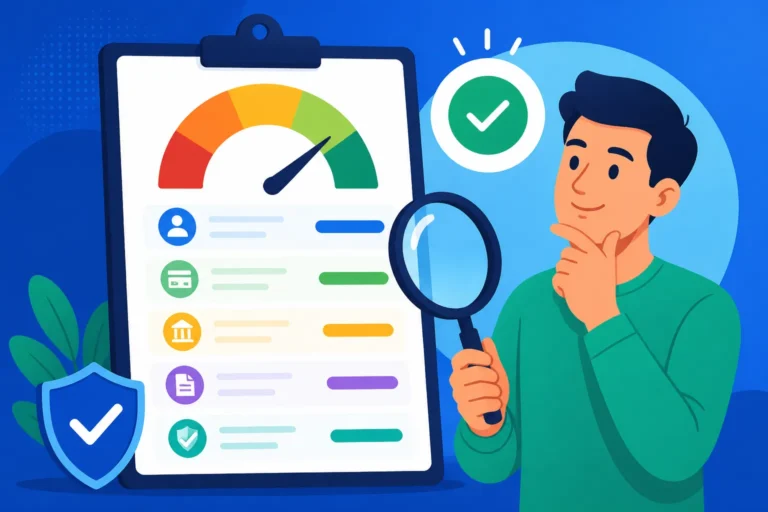
Armed with all three reports, your primary task is a thorough review. Set aside dedicated time to go through each report line by line. Compare the reports side-by-side using the table below. Look for the common errors we discussed earlier: unrecognized accounts, incorrect payment statuses, wrong balances, duplicate entries, or outdated negative information. It's often helpful to highlight or circle anything that looks amiss. Don't rush this process; diligence here can save you a lot of headache and money down the road. This diligent review helps you identify if you need to perform How to Remove Negative Items From Your Credit Report.
| Category | Equifax Report | Experian Report | TransUnion Report | Action Needed? |
|---|---|---|---|---|
| Personal Info | Check | Check | Check | Verify accuracy |
| Credit Accounts | List | List | List | Look for unfamiliar or incorrect accounts/payments |
| Public Records | List | List | List | Confirm accuracy of bankruptcies, liens |
| Collection Accounts | List | List | List | Ensure accuracy and legitimate debts |
| Inquiries (Hard) | List | List | List | Identify unrecognized inquiries |
For instance, if you see an old cell phone bill listed as a collection on your Experian report but not on Equifax or TransUnion, that's a discrepancy you'll want to address. Or if your mortgage payment history shows a late payment on TransUnion that you know was on time, that’s another flag. Many people use services like Credit Strong to help them manage their credit, and part of that management includes regularly checking reports for accuracy.
Disputing Errors Effectively
Once you've identified errors, the next critical step is to dispute them. The Fair Credit Reporting Act gives you the right to dispute any information on your credit report that you believe is inaccurate or incomplete. You can dispute errors directly with the credit bureau (Equifax, Experian, or TransUnion) and, in some cases, with the information provider (the creditor or collection agency) that furnished the information. For detailed instructions, check out How to Dispute Credit Report Errors (Step-by-Step).
When disputing, it's best to do so in writing, sending your dispute letter by certified mail with a return receipt requested. Clearly state what information you believe is inaccurate, why it's inaccurate, and include any supporting documentation you have (e.g., cancelled checks, payment confirmations, court documents). The credit bureaus generally have 30 days (sometimes 45 days, depending on circumstances) to investigate your dispute. If they cannot verify the information, they must remove it. It's an empowering feeling to get an inaccurate item removed, which can be a huge boost to your financial well-being. Knowing How to Dispute With Equifax, Experian, and TransUnion provides specific guidance for each bureau.
Taking Action to Improve Your Credit Health
Beyond fixing errors, reviewing your reports gives you a clear roadmap for improving your overall credit health. You can see your credit utilization ratio across all cards, identify any late payments, and understand the age of your accounts. This knowledge empowers you to make strategic decisions. For example, if your credit utilization is high, you know that focusing on paying down credit card balances will likely have a significant positive impact on your score. If you have a thin credit file, you might consider ways to build credit from scratch or explore options like secured credit cards or credit builder loans, which services like Credit Strong specialize in.
Reviewing your reports also highlights areas where you might need to be more vigilant, such as managing a particular type of debt or avoiding new hard inquiries if you're planning a major purchase soon. It's an ongoing process, not a one-time fix. Regularly engaging with your credit reports allows you to stay informed, proactive, and ultimately in control of your financial narrative. Knowing How to Raise Your Credit Score (Step-by-Step) is a continuous journey that starts with awareness.
Disclaimer
This article is for general informational purposes only and does not constitute professional advice. Laws, prices and regulations vary by location and change over time. Consult a qualified professional for guidance on your specific situation.