Why Are My 3 Credit Reports Different?
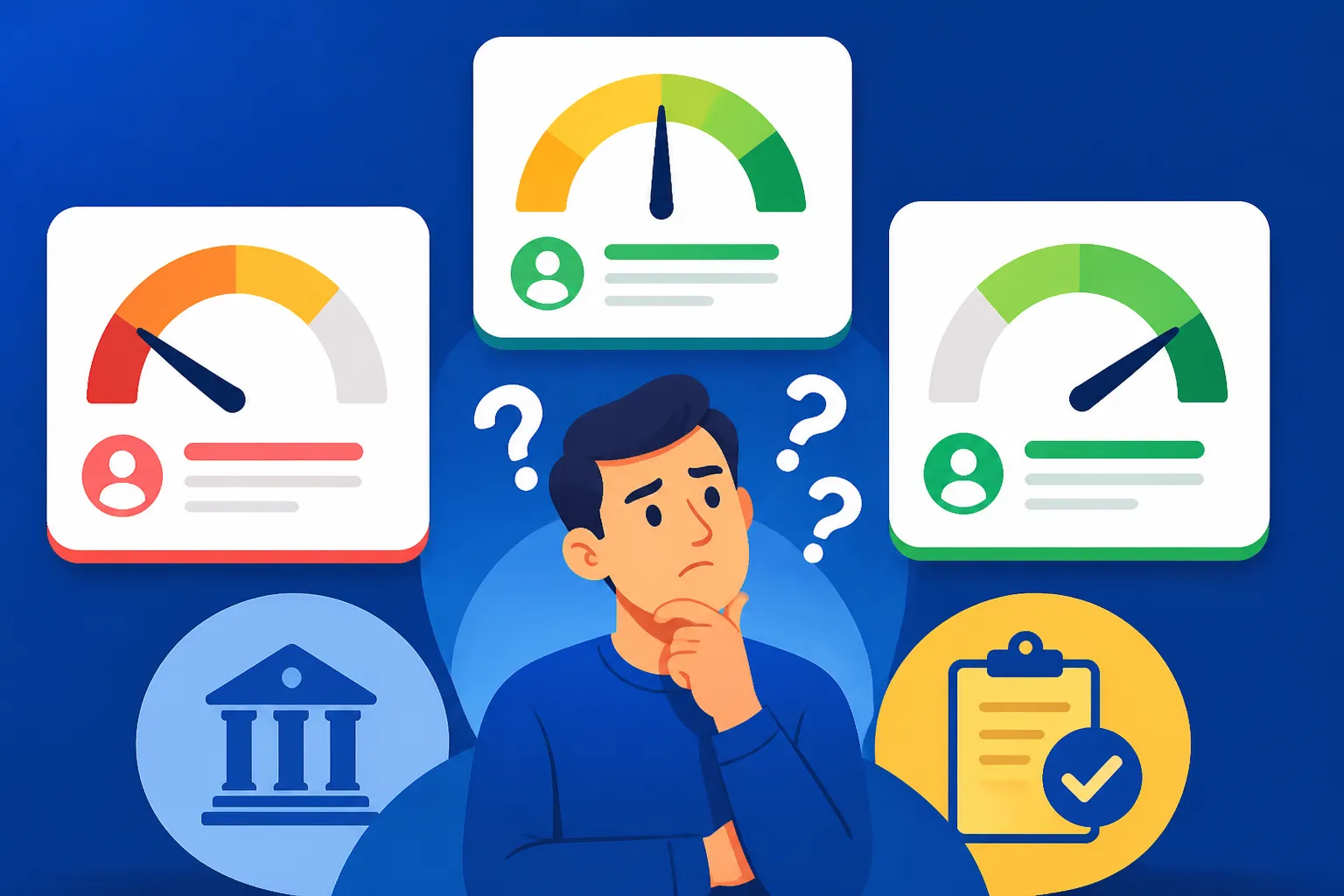
It’s a truly bewildering experience when you pull your credit reports from Equifax, Experian, and TransUnion, only to find they don't quite match up. This common frustration leaves many wondering why such crucial financial documents can vary so much. This guide will meticulously break down the reasons behind these discrepancies and equip you with the knowledge to navigate them, ensuring your credit profile is as accurate as possible across the board.
The Core Reason Behind the Discrepancy
Imagine the credit bureaus as three different journalists covering the same ongoing story, but they each have slightly different sources, deadlines, and angles they prioritize. That's essentially what happens with your credit reports. They don't pull from one central, unified database. Instead, they each maintain their own records, gathered independently from various creditors and public information sources. This fundamental structure is the primary reason why you'll often see differences when you compare your reports side-by-side. It’s not necessarily a sign of a major problem, but it’s definitely something you need to be aware of and actively manage.
Different Reporting Practices by Creditors
One of the biggest culprits behind varying credit reports is how different creditors choose to report information. Believe it or not, not every lender or creditor reports to all three major credit bureaus. Some might report only to two, or even just one. For example, a small local credit union might have a reporting agreement with TransUnion and Experian, but not Equifax. This means that an account with that credit union, showing perfect payment history, would only appear on two of your three reports, leading to an immediate discrepancy.
Furthermore, even when a creditor reports to all three, they might do so on different schedules or with slightly different details. A late payment might be reported to Equifax on the 15th of the month and to Experian on the 20th. While this might seem like a minor timing issue, it can lead to confusion if you're checking your reports around those dates. It's a logistical challenge for creditors to maintain perfectly synchronized data across all three, and these tiny variances add up to the bigger picture of why your reports look different.
Varying Data Collection and Updating Schedules
Beyond individual creditor practices, the credit bureaus themselves have different internal systems and schedules for collecting and updating consumer data. Each bureau processes millions of data points daily, and their algorithms and update cycles aren't identical. One bureau might integrate new information instantly, while another might have a weekly or even bi-weekly batch processing system. This means if you, say, pay off a credit card balance, one bureau might reflect that change almost immediately, significantly impacting your credit utilization, while another might take a few more days or even weeks.
This disparity in timing can be particularly frustrating when you're trying to make a significant financial move, like applying for a mortgage or a car loan. You might check your Experian report and see a fantastic score because a major debt was just updated as paid, but then a lender pulls your Equifax report, which hasn't caught up yet, showing an older, less favorable snapshot. Understanding that these internal operations vary is key to understanding How Long Does Credit Repair Take? or when you might see changes reflected.
A Deep Dive into Each Credit Bureau
While they all perform the same essential service – compiling and maintaining consumer credit information – Equifax, Experian, and TransUnion each have their own operational nuances. These differences, subtle as they may sometimes seem, contribute to the varying data you see on your personal credit reports. It's not about one being "better" than the others; it's about understanding their individual characteristics.
Equifax's Unique Approach
Equifax, one of the "Big Three," tends to be quite thorough in its data collection, but like its counterparts, it relies heavily on what creditors choose to provide. One area where Equifax has sometimes been known for slight differences is in how it handles certain types of public records, though the reporting of public records like civil judgments and tax liens has largely ceased across all three bureaus unless related to bankruptcy. Still, historical data can sometimes persist uniquely on one report. They also have their own proprietary scoring models that can sometimes be more sensitive to specific changes in your credit file than others, potentially leading to different score outcomes even with similar underlying data.
When you're dealing with disputes, Equifax has a specific process. If you find an error, you'll need to go through their dispute resolution system, which, while similar in principle to the others, operates independently. It's not uncommon for a dispute resolved with Experian to still need a separate resolution with Equifax, highlighting the distinct nature of their databases. Getting familiar with How to Dispute With Equifax, Experian, and TransUnion is crucial.
Experian's Data Nuances
Experian often prides itself on having a very extensive database, and many lenders frequently use Experian reports for their credit decisions. What you might notice with Experian is how they categorize and display certain types of accounts. They might have a slightly different way of labeling specific credit lines or older, closed accounts. Additionally, Experian has been at the forefront of innovative data inclusion, such as its Experian Boost service, which allows consumers to potentially add positive payment history from utility bills and phone contracts to their credit file.
While this can be a great way to improve your score, especially if you have a thin credit file, it can also create discrepancies. If you opt into Experian Boost, but the other bureaus don't have a similar service or haven't integrated that alternative data, your Experian report could look significantly different and potentially better than your Equifax or TransUnion reports. This shows how actively managed data additions can also contribute to the variations.
TransUnion's Reporting Quirks
TransUnion, much like the other two, maintains a vast repository of consumer credit information. Historically, some users have noted that TransUnion might be quicker to update certain types of collection accounts or public records, though this can vary greatly. They also have specific protocols for how they verify and integrate new data from creditors. Sometimes, the way they interpret vague or incomplete information from a lender can lead to slightly different entries than what you'd see on the other reports.
For instance, a creditor might report a "settled" account. While one bureau might simply list it as "paid," TransUnion might specify "settled for less than the full amount," which, while technically accurate, can be interpreted differently by scoring models and lenders. This attention to detail, while usually beneficial, can sometimes create the perception of a discrepancy. If you're utilizing services like Credit Strong to build your credit, ensure you understand how they report to all three bureaus to anticipate any potential reporting quirks.
What Information Can Differ Between Reports?
It's not just about an account being missing; sometimes, the same account can have slightly different details reported across the bureaus. These differences can range from minor typographical errors to significant discrepancies that can impact your credit score. Understanding these specific areas is vital for truly understanding How to Read Your Credit Report (2026 Guide).
Account Information and Statuses
This is perhaps the most common area for discrepancies. You might find that a credit card account shows a perfect payment history on Experian, but a single late payment from three years ago still appears on TransUnion. Or perhaps the credit limit for a specific card is slightly different on one report versus another. This could be due to a reporting lag or an error on the creditor's part in transmitting the updated information. Similarly, the date an account was opened, its current balance, or even the type of account (e.g., revolving vs. installment) can sometimes vary.
A more serious discrepancy might involve an account being listed as "open" on one report when it was actually closed years ago on another. These inconsistencies in account status can be particularly damaging, especially if a closed account is still showing a balance or an open account is incorrectly marked as past due. When you're actively working on your credit, perhaps through a credit builder product like Credit Strong, you need to be extra vigilant in checking that these details are consistently and accurately reported across all three.
Personal Information and Inquiries
It might sound strange, but even your personal information can vary across reports. An old address that you haven't lived at in years might still show up on one bureau's report, but not the others. Or perhaps a previous employer is listed on one, but not on another. While these typically don't directly impact your credit score, they can be a red flag for identity theft if you see addresses or employment you don't recognize. Similarly, hard inquiries – those dreaded credit checks that impact your score – can sometimes differ. A lender might pull your credit from only two bureaus, or there might be a reporting delay in how quickly all three bureaus log a new inquiry.
This is why regularly checking all three of your reports is so critical. If you see an inquiry on one report that you don't recognize, it could be a sign of attempted fraud. Even something as simple as a misspelled name or an incorrect birthdate can indicate an issue that needs to be resolved, especially if it leads to mixed files with someone else's information.
Public Records and Collections
Historically, public records like bankruptcies, tax liens, and civil judgments were a significant source of discrepancies. While most civil judgments and tax liens are no longer included on credit reports due to data accuracy concerns, bankruptcies still are. The timing and specific details of a bankruptcy filing can sometimes vary between reports, such as the exact discharge date or the chapter filed. Collections accounts are another major area of concern. A collection agency might report to one or two bureaus, but not all three. This means a collection that's severely dragging down your score on one report might be completely absent from another.
Even if a collection appears on all three, the balance reported or the date of last activity could differ. These details are crucial for understanding the age of the debt and the Statute of Limitations on Debt in California or other states. If you've been working on getting a collection removed from your credit report, ensure you verify its removal across all three to prevent any lingering negative impact. These types of entries can have a substantial impact on your creditworthiness, making consistent reporting essential.
The Impact of Differing Reports on Your Financial Life
These discrepancies aren't just minor annoyances; they can have tangible, real-world consequences on your ability to secure loans, rent housing, and even obtain insurance. Lenders and other entities often pull reports from only one or two bureaus, and depending on which one they choose, they might get a very different picture of your financial health. This can lead to frustration and missed opportunities if you're not prepared.
Loan and Credit Card Applications
When you apply for a new credit card, an auto loan, or especially a mortgage, lenders will pull your credit report and score. However, they rarely pull from all three bureaus simultaneously. They often have a preferred bureau, or they might pull from two and use an average or the middle score. If the report they pull happens to be the one with a lingering late payment, an inaccurately high balance, or a collection account not visible on your other reports, it could mean the difference between approval and denial, or a favorable interest rate versus a much higher one.
Imagine applying for a new car loan. You check your TransUnion score and it's excellent, thanks to recent positive payments. But the dealership pulls your Equifax report, which still shows an older, unpaid medical collection that you thought had been resolved. This could lead to them offering you a higher interest rate or even denying the loan altogether, leaving you confused and frustrated. This highlights why understanding What Credit Score Do You Need for a Car Loan? isn't a one-size-fits-all answer, as it depends on which bureau the lender checks.
Rental and Employment Checks
Beyond traditional lending, varying credit reports can also impact other significant aspects of your life. Landlords frequently check credit reports as part of their tenant screening process. A landlord might be looking for consistent payment history and a lack of evictions or collections. If one of your reports contains an erroneous eviction record or a past-due utility bill that doesn't appear on the others, it could jeopardize your housing application.
Similarly, some employers, particularly those in financial roles or positions of trust, conduct credit checks. While they typically don't see your credit score, they do see your credit report. They are primarily looking for signs of financial responsibility and stability. A discrepancy that suggests financial distress on one report, even if inaccurate, could potentially influence their hiring decision. While less common, these types of checks demonstrate the far-reaching impact of your credit information, making it imperative to ensure accuracy across all three bureaus.
Insurance Premiums and Utility Services
Even seemingly unrelated services like insurance and utility providers can be influenced by the information on your credit reports. In many states, insurance companies use credit-based insurance scores to help determine premiums for auto and home insurance. These scores are derived from the information on your credit report. If one of your reports contains negative information not present on the others, it could lead to you paying higher premiums than necessary.
Utility companies, particularly for new accounts, might also check your credit report to determine if you need to pay a security deposit. If your report indicates a history of late payments or collections, even if inaccurate on that specific bureau, you might be asked to pay a higher deposit or even face denial of service in some extreme cases. These scenarios underscore that your credit reports are more than just numbers; they are a reflection of your financial reliability that influences many aspects of your daily life.
How to Navigate and Reconcile Discrepancies
Given that disparities are common, the crucial question becomes: what can you do about it? Proactive management and diligent monitoring are your best defenses against inaccurate or inconsistent information impacting your financial well-being. It takes a bit of effort, but the payoff is well worth it in terms of peace of mind and access to better financial products.
Regularly Obtaining All Three Reports
The first and most critical step is to regularly get copies of your credit reports from all three major bureaus: Equifax, Experian, and TransUnion. You are legally entitled to one free report from each bureau annually through AnnualCreditReport.com. Many people spread these out, pulling one every four months, to keep a consistent eye on their credit without paying for a monitoring service. This strategy allows you to catch new discrepancies quickly.
When you do get your reports, don't just glance at them. Go through each section meticulously. Compare account numbers, balances, payment histories, and dates across all three. Look for anything that seems unfamiliar, outdated, or just plain wrong. This process of deep review is essential, especially because some errors might be subtle. For those who want more frequent access, many credit card companies and financial apps like Credit Karma or myFICO offer free access to one or two of your scores and reports, which can supplement your annual pulls from AnnualCreditReport.com.
Disputing Inaccurate Information Effectively
Once you identify a discrepancy or an outright error, you need to dispute it. This is where many people get overwhelmed, but it's a straightforward process, though it requires patience. You must dispute the inaccurate information directly with the credit bureau that is reporting it. Remember, you might need to dispute the same item with multiple bureaus if it appears incorrectly on more than one report.
You can dispute online, by mail, or sometimes by phone. When disputing, provide as much supporting documentation as possible, such as bank statements, canceled checks, or official letters from creditors confirming payment or correction. The credit bureaus have a legal obligation to investigate your dispute, usually within 30 days. If the bureau finds the information is inaccurate or cannot verify it, they must remove or correct it. For more detailed steps, check out our guide on How to Dispute Credit Report Errors (Step-by-Step). Don't forget to also contact the original creditor to request they update their reporting.
Maintaining Consistent Financial Habits
While dealing with existing discrepancies is important, preventing future ones is equally vital. The best way to do this is by maintaining consistent and positive financial habits. This includes paying all your bills on time, every time. Late payments are a huge factor in negative reporting and can quickly create discrepancies if one creditor reports them faster than another.
Secondly, keep your credit utilization low. This means not maxing out your credit cards. High utilization can appear differently across bureaus depending on their reporting cycles and the specific limits reported by creditors. Thirdly, be mindful of opening new credit accounts. While diverse credit can be good, opening too many accounts too quickly can lead to multiple hard inquiries and potentially confuse reporting across the bureaus. Products like Credit Strong can help by reporting consistent, positive payment history to all three bureaus, which is a great way to ensure consistency in your positive credit building efforts. This consistent behavior will, over time, create a strong, uniform credit profile across all reports.
Here's a quick comparison of common differences and their impact:
| Discrepancy Type | Common Causes | Potential Impact on You | Action to Take |
|---|---|---|---|
| Missing Account | Creditor only reports to one or two bureaus | Lower credit score, less robust credit history, missed opportunities for favorable terms | Check which bureaus the creditor reports to, consider authorized user status, or use credit builder loans. |
| Different Balances | Reporting lag, payment processing times, errors | Inaccurate credit utilization, potentially lower score, higher interest rates | Dispute with the bureau(s), contact the creditor to verify and update. |
| Varying Payment History | Reporting delays, creditor errors | Late payments or collections on one report, denied credit, higher rates | Dispute with the bureau(s), provide proof of on-time payments. |
| Old Address/Info | Outdated data, identity theft | Red flag for fraud, minor inconvenience, potential mixed files with others | Dispute with the bureau(s) to remove outdated or incorrect personal info. |
| Different Inquiries | Lender only pulled certain bureaus, reporting lag | Minor score impact on some reports, potential indication of fraud | Dispute unrecognized inquiries with the bureau(s). |
| Collection/Charge-Off | Agency reports to specific bureaus, errors | Significant negative impact on score, denied credit, higher interest rates | Dispute with the bureau(s), request debt validation, consider goodwill letter. |
Disclaimer
The information provided in this article is for general informational purposes only and does not constitute financial, legal, or credit advice. While we strive to provide accurate and up-to-date content, credit laws and reporting practices can change. It is always recommended to consult with a qualified financial advisor or credit professional for advice tailored to your specific situation.