How to Remove an Old Address From Your Credit Report
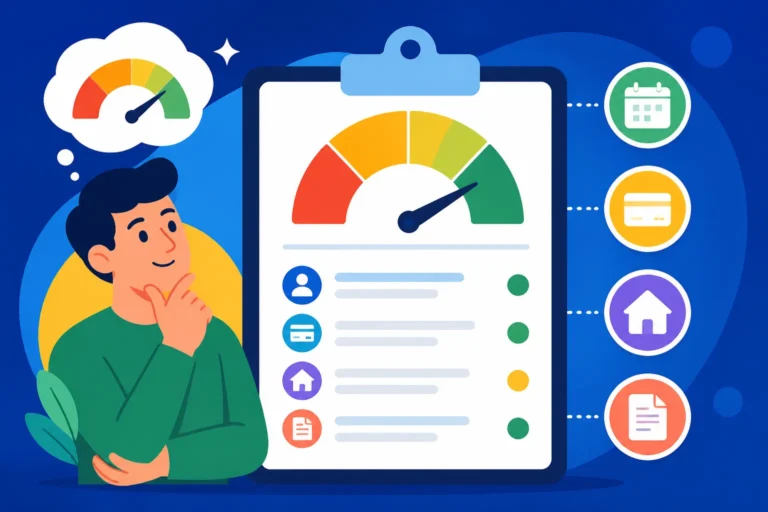
It's frustrating to think that something as simple as an old address, a place you haven't lived in for years, could be lurking on your credit report and potentially causing headaches. Many people don't even realize these outdated details exist until they apply for a loan or try to open a new account and run into unexpected issues. This guide will walk you through exactly why those old addresses matter, how they end up on your report, and a clear, actionable plan to get them removed so your credit profile is as accurate and clean as possible.
The Hidden Impact of Outdated Addresses on Your Credit Report
You might wonder why a past address, particularly one from years ago, is even a big deal. After all, you’ve moved on, right? But the reality is, these seemingly innocuous details can have a surprising ripple effect on your financial life, often in ways you wouldn't expect. It's not just about neatness; it's about accuracy, security, and how financial institutions perceive you.
Why an Old Address Can Raise Red Flags
When lenders review your credit report, they're not just looking at your payment history and debt; they're trying to establish a comprehensive picture of you as a borrower. An old address, especially if it appears frequently across different accounts or doesn't align with your current applications, can create confusion. Imagine a lender seeing an address from five years ago listed as your primary residence by one creditor, while another lists your current home. This inconsistency can make them pause. Is this person trying to hide something? Are they frequently moving without updating their information? These questions, however unfair, can lead to delays in loan approvals, requests for additional documentation, or even outright denial. They want to see stability and clear, verifiable information, and old addresses can disrupt that narrative. It's like finding old post-it notes with conflicting information in a meticulously organized filing cabinet – it raises questions about the overall reliability of the system.
How Inaccurate Information Invites Identity Theft
Beyond just causing confusion, outdated personal information, including old addresses, can unfortunately make you a more vulnerable target for identity theft. Think about it: if a fraudster gets their hands on some of your personal data, having multiple addresses on record gives them more potential avenues to exploit. They might try to open new accounts using an old address, hoping that any corresponding mail or alerts get sent there, delaying your detection of the fraudulent activity. Or they could use it to pass verification questions, especially if that address is tied to other personal details they've managed to acquire. Even if an old address doesn't directly hurt your credit score, it creates a less secure environment for your financial data. Regularly checking for and removing these old addresses is a crucial step in maintaining a robust defense against potential fraud. This proactive approach is part of a broader strategy for financial health, much like building positive credit habits with tools that help improve your payment history.
Tracing the Footprints: How Addresses Appear on Your Report
It's common to find old addresses lingering on your credit report, sometimes from places you only lived for a short while, or even an address for a P.O. Box you used temporarily. This isn't usually due to malicious intent, but rather the complex way financial data is collected and processed. Understanding this process can help demystify why these details are there and empower you to take control.
The Data Furnishers and Their Role
The primary culprits behind addresses (and all other information) appearing on your credit report are what we call "data furnishers." These are the companies you do business with: credit card issuers like Chase or Capital One, lenders like Wells Fargo for your mortgage, utility companies, cell phone providers, and even landlords. When you apply for a new account or service, you provide your current address. This address, along with your payment history and other account details, is then periodically reported to one or more of the three major credit bureaus: Equifax, Experian, and TransUnion. If you move and open a new account, the new address gets reported. If you don't update an old account, it might continue reporting the old address, or the bureau might simply retain the historical addresses provided by various creditors over time. Each data furnisher reports to the bureaus independently, which is why you might see slightly different information across your three credit reports.
The Credit Bureaus as Data Aggregators
The three major credit bureaus — Equifax, Experian, and TransUnion — act as central repositories for all this financial information. They collect data from thousands of different data furnishers, compile it, and use it to generate your credit reports. When a data furnisher sends an update, the bureaus often append new addresses to your existing profile rather than overwriting old ones. Their goal is to maintain a comprehensive history of your residential movements, as this can sometimes be relevant for identity verification or fraud prevention. They operate under the assumption that more data is better, and they typically won't remove an address unless it's specifically disputed and proven to be inaccurate or irrelevant. This is why you often see a list of past addresses, sometimes going back many years, especially if you've moved frequently. While a lengthy address history isn't inherently bad, an erroneous or fraudulent address is definitely something you'll want to address immediately. You can learn more about how to dispute with Equifax, Experian, and TransUnion in our detailed guide.
Your Action Plan: Step-by-Step Address Removal
Feeling a bit overwhelmed by the idea of tackling your credit report? Don't be! Removing old or inaccurate addresses is a very doable process, and it all starts with gathering your information and then making your case to the credit bureaus. Think of it as spring cleaning for your financial life.
Getting Your Free Credit Reports
Before you can fix anything, you need to know exactly what's on your reports. The first, and most crucial, step is to pull a copy of your credit report from each of the three major credit bureaus: Equifax, Experian, and TransUnion. You are legally entitled to one free report from each bureau every 12 months through AnnualCreditReport.com. This is the only truly authorized website for free reports, so beware of look-alikes.
Once you have your reports, sit down and review them carefully. Look for a section often labeled "Personal Information," "Addresses," or "Identities." You might be surprised at what you find! Make a list of all the addresses that are incorrect, outdated, or that you simply don't recognize. Pay close attention to addresses you never lived at, as these could be a sign of identity theft. Don't rush this step; thoroughness here will make the next steps much smoother. Understanding how to read your credit report is a valuable skill in itself.
Initiating a Formal Dispute
With your list of questionable addresses in hand, it's time to initiate a formal dispute. You'll need to contact each credit bureau separately for any inaccuracies found on their specific report. Even if the same old address appears on all three, you must dispute it with each one individually. Most people find it easiest to dispute online through the bureaus' respective websites. Look for their "Dispute" sections.
When you file the dispute, clearly state that the address is incorrect or outdated. Be specific about which address you're referring to and why it should be removed (e.g., "I never lived at 123 Main Street," or "I moved from 456 Elm Avenue on June 1, 2018, and this address is still listed as current"). The goal is to provide enough clear information for the bureau to investigate. The Fair Credit Reporting Act (FCRA) gives you the right to have inaccurate information removed, and the bureaus have a responsibility to investigate your claims, usually within 30 days.
Crafting a Compelling Dispute Letter and Documentation
While online disputes are convenient, sometimes a formal dispute letter sent via certified mail can carry more weight, especially if you have complex issues or anticipate a pushback. A well-crafted letter should include:
- Your Personal Information: Full name, current address, date of birth, and Social Security Number.
- Clear Statement of Dispute: Explicitly state that you are disputing an address.
- Specific Address Details: Identify the exact old address you want removed from the report.
- Reason for Removal: Explain why the address is incorrect or outdated.
- Request for Investigation: Ask the bureau to investigate and remove the item.
You'll also want to include supporting documentation. While addresses often don't require extensive proof, consider providing:
- Proof of Current Address: A utility bill, driver's license, or bank statement with your current address.
- Proof of Past Residences (if applicable): Lease agreements or utility bills showing dates you lived at a correct past address, to differentiate from the incorrect one.
- Identity Verification: Copies of your driver's license and a utility bill to confirm your identity, though some bureaus don't require this for online disputes.
Send your letter via certified mail with a return receipt requested. This provides you with proof that the bureau received your dispute, which can be invaluable if further action is needed. Keep copies of everything you send, including the letter and all attachments, for your records. This meticulous approach is also beneficial when managing other aspects of your financial profile, like monitoring progress with credit-building tools such as Credit Strong, where accuracy in reporting is key to seeing results.
Here's a simple table outlining the contact methods for each bureau for disputes:
| Credit Bureau | Online Dispute Link (General) | Mailing Address (for disputes) | Phone Number (General Inquiries) |
|---|---|---|---|
| Equifax | Equifax Dispute Center | Equifax Information Services LLC, P.O. Box 740256, Atlanta, GA 30374-0256 | 1-800-685-1111 |
| Experian | Experian Dispute Center | Experian, P.O. Box 4500, Allen, TX 75013 | 1-888-EXPERIAN (1-888-397-3742) |
| TransUnion | TransUnion Dispute Center | TransUnion LLC, Consumer Dispute Center, P.O. Box 2000, Chester, PA 19016 | 1-800-916-8800 |
Note: These links and addresses are subject to change. Always verify the most current information on the official bureau websites.
When the Bureaus Push Back: What's Next?
Ideally, you submit your dispute, the credit bureau investigates, and the old address is removed. But sometimes, things don't go as smoothly. You might receive a response stating the information was verified, or you simply don't hear back within the expected timeframe. Don't get discouraged! There are still steps you can take.
Following Up and Escalating Your Dispute
If the credit bureau verifies the old address, it means the original data furnisher (the creditor or lender) confirmed it. At this point, you'll need to dig a little deeper. First, carefully review the bureau's response to understand why it was verified. Did they provide any new information?
Your next step is to contact the data furnisher directly. You can find their contact information on your credit report next to the account associated with the old address. Explain to them that you've disputed an old address with the credit bureau, but it was verified, and you believe it's incorrect or outdated. Provide them with any proof you have, like a driver's license showing your current address or old lease agreements confirming your move date. Sometimes, a direct conversation with the furnisher can resolve the issue, as they may be more willing to correct their internal records and update the bureaus.
If direct communication with both the bureau and the furnisher doesn't yield results, you can consider escalating your dispute. The Consumer Financial Protection Bureau (CFPB) offers a platform where you can submit a complaint against credit reporting companies or the data furnishers. They will forward your complaint to the company and work to get a response. This can sometimes prompt the companies to take your dispute more seriously.
Understanding Your Rights Under the FCRA
The Fair Credit Reporting Act (FCRA) is your best friend when it comes to credit report accuracy. It's a federal law that governs how consumer credit information is collected, accessed, and used. Crucially, the FCRA mandates that credit bureaus and data furnishers must:
- Report Accurate Information: They have a responsibility to report accurate and complete information.
- Investigate Disputes: If you dispute an inaccuracy, they must investigate it, usually within 30 days.
- Remove Inaccurate Information: If the investigation finds that the disputed information is inaccurate, incomplete, or cannot be verified, it must be removed.
Knowing your rights empowers you. If you believe a bureau or furnisher is not upholding their responsibilities under the FCRA, you have the right to take further action. This could include adding a "consumer statement" to your credit report explaining the dispute (though this is a last resort, as it doesn't remove the item) or, in extreme cases, pursuing legal action. For egregious errors or uncooperative responses, consulting with a consumer law attorney specializing in FCRA violations might be an option. Remember, your credit report reflects your financial identity, and you have a legal right to ensure it is correct. Learning How to Dispute Credit Report Errors (Step-by-Step) can give you a comprehensive understanding of this process.
Proactive Measures to Maintain an Accurate Credit Profile
Once you've successfully removed those pesky old addresses, you'll want to take steps to ensure your credit report stays clean and accurate moving forward. Proactive management is far easier than reactive problem-solving, and it contributes significantly to your overall financial well-being.
Regularly Reviewing Your Personal Information
It might sound obvious, but one of the best ways to keep your address history accurate is to regularly review your credit reports. Make it a habit to pull your free reports from AnnualCreditReport.com at least once a year, or even more frequently if you've recently moved or applied for new credit. When you do, don't just skim for major negative items; meticulously check your personal information section. Confirm that your name is spelled correctly, your date of birth is accurate, and, crucially, that your current and past addresses are all correct and relevant.
Beyond your credit reports, also make sure you update your address with all your financial institutions, utility providers, and any other accounts that report to credit bureaus. This includes credit card companies, loan providers, banks, and even cell phone providers. A quick call or online update takes minutes but can prevent future discrepancies from appearing on your reports. Think of it as keeping your financial house in order – a clean, well-maintained profile is always better received by lenders. This diligence will also benefit any efforts to build credit, whether you're starting from scratch or utilizing a credit builder loan.
The Benefits of Ongoing Credit Monitoring
For many, remembering to pull reports annually and comb through them is easier said than done. Life gets busy! This is where credit monitoring services can be incredibly helpful. These services, often offered by the credit bureaus themselves (like Experian or myFICO) or by independent providers (like IdentityGuard or Credit Karma), keep a watchful eye on your credit files.
They'll alert you to significant changes, such as new accounts being opened, hard inquiries appearing, or changes to your personal information—including new or changed addresses. While some services come with a fee, many banks and credit card companies now offer free credit monitoring or alerts as a perk for their customers. For example, some credit card apps might notify you of changes within your Experian report. Setting up these alerts can provide an early warning system for any inaccuracies or potential fraud, allowing you to address them quickly before they become bigger problems. This peace of mind is invaluable, ensuring that your efforts to maintain a healthy credit profile, perhaps even with the help of a Credit Strong account, aren't undermined by undetected errors. You can delve deeper into this topic by reading our guide on Credit Monitoring: Is It Worth It? to see if it's the right choice for you.
Busting Myths About Old Addresses and Your Credit Score
There's a lot of chatter out there about credit scores, and it's easy to fall prey to misconceptions. When it comes to old addresses, people often jump to conclusions about their impact, which isn't always accurate. Let's clear up some common myths.
Does an Old Address Directly Lower Your Score?
This is a widespread concern, but the good news is, generally no, an old address itself does not directly lower your credit score. Credit scoring models like FICO and VantageScore primarily focus on factors such as payment history, amounts owed (credit utilization), length of credit history, new credit, and credit mix. Your residential address, current or historical, is considered personal identifying information, not a scoring factor. It helps to identify you but doesn't have a numerical weight in calculating your score.
However, while an old address won't directly ding your score, it can have indirect negative consequences. As discussed earlier, inconsistencies can lead to application delays or denials. If an old address is tied to a fraudulent account, that fraudulent account (and any missed payments or collections associated with it) would absolutely harm your score. So, the address isn't the problem, but what it represents or enables can be. This distinction is crucial to understand. You might be interested in learning What Affects Your Credit Score? The 5 Factors for a more comprehensive overview.
The Difference Between Old and Erroneous Addresses
It's vital to differentiate between an "old" address and an "erroneous" address.
-
Old Address: This is an address where you legitimately lived in the past. It might be outdated, meaning it's no longer your current residence, but it's factually correct that you resided there at some point. The credit bureaus generally maintain a history of your residences for identity verification purposes. Having a list of correct past addresses is usually not an issue and doesn't warrant removal unless it's genuinely confusing or excessive. The goal isn't to erase your residential history entirely, but to ensure it's accurate.
-
Erroneous Address: This is an address you never lived at, or one that is incorrectly associated with your name. This could be a typo, an address belonging to someone with a similar name, or, more seriously, an address used by an identity thief. These are the addresses you absolutely must dispute and get removed, as they indicate incorrect data or potential fraud on your report.
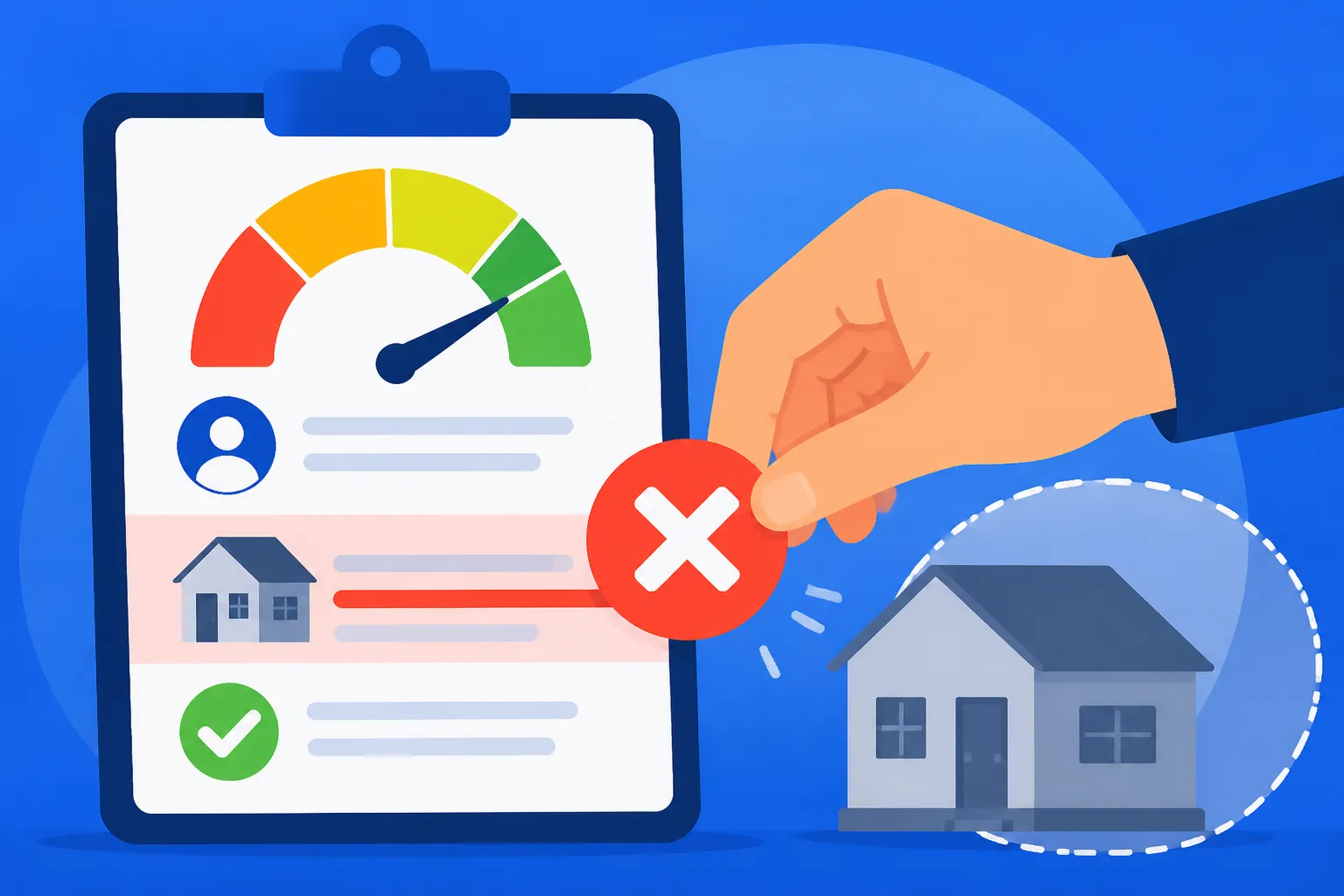
So, when you review your credit report, focus your efforts on disputing addresses that are genuinely wrong, not just old. If an old address is accurate for the period you lived there, you usually don't need to go through the dispute process to remove it, unless it's causing specific problems with a lender or looks genuinely suspicious. The key is accuracy, not necessarily the shortest possible address history. Understanding this nuance is part of becoming a savvy manager of your financial identity.
Disclaimer
This article is for general informational purposes only and does not constitute professional advice. Laws, prices and regulations vary by location and change over time. Consult a qualified professional for guidance on your specific situation.