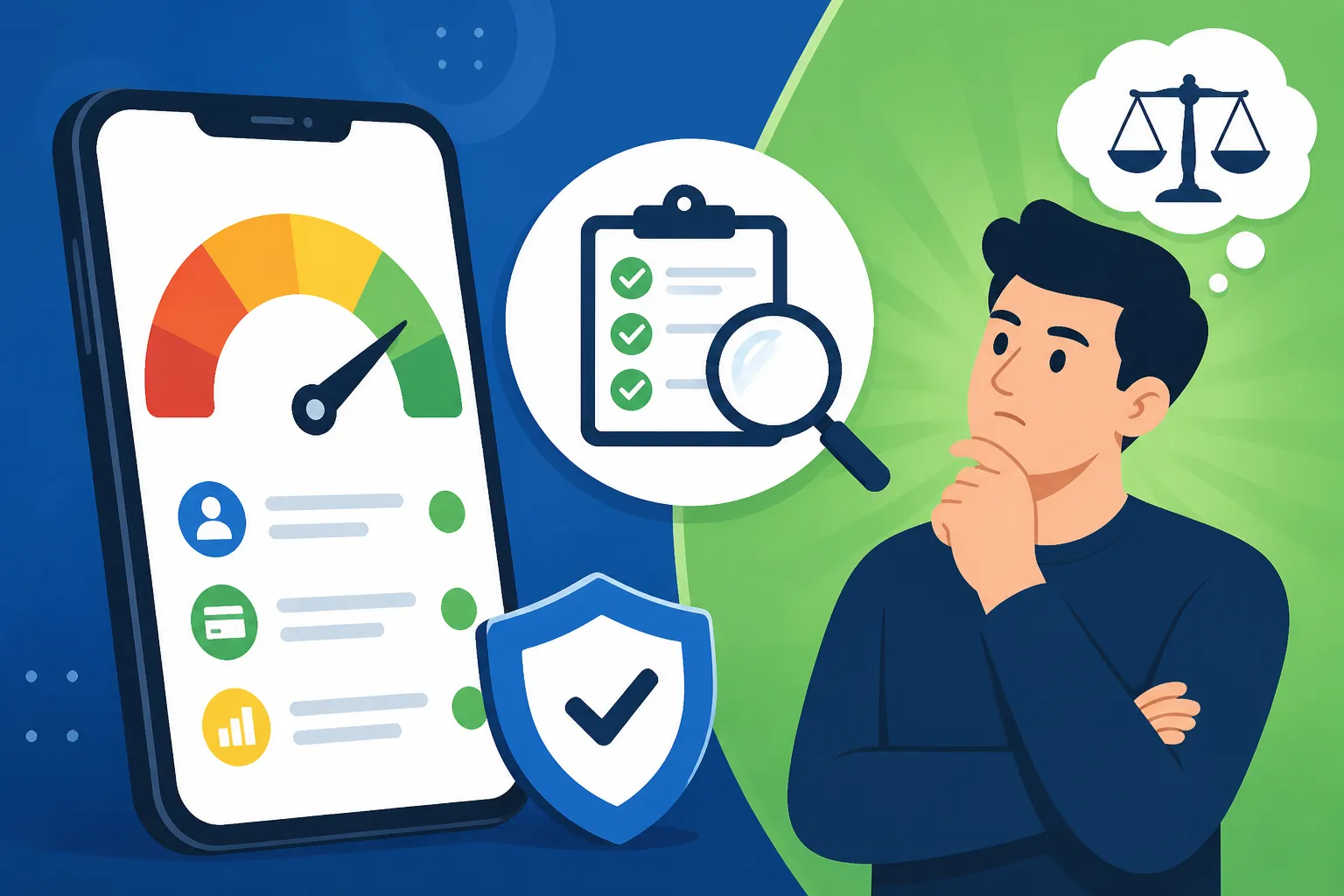
Capital One CreditWise Review: Is It Accurate for Credit Monitoring?
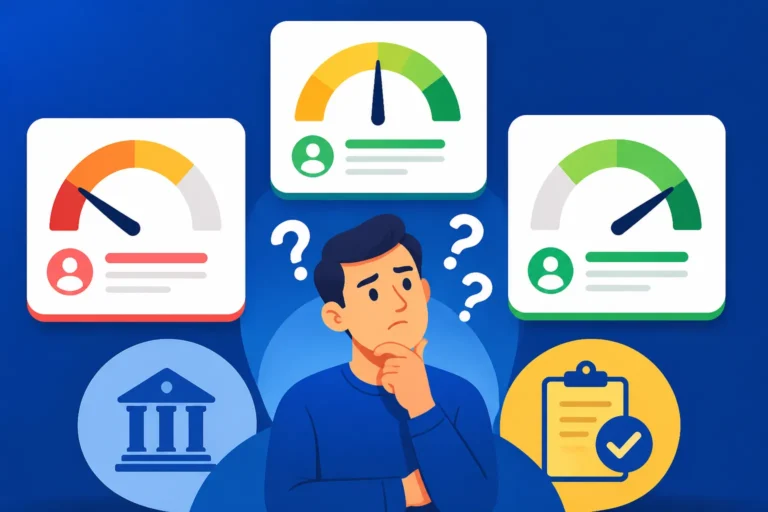
It’s a common frustration: you check your credit score on one platform, and it looks pretty good, only to log into another service and see a completely different, often lower, number staring back at you. This inconsistency can be confusing and leave you wondering which score to trust, especially when you're trying to gauge your financial health. This guide will take a deep dive into Capital One CreditWise, exploring its accuracy as a credit monitoring tool and helping you understand its role in your overall credit picture.
What Exactly Is Capital One CreditWise?
When you're a Capital One customer, or even if you're not, you might have encountered CreditWise. It's a free tool designed to give you access to your credit score and reports, offering a glimpse into your financial standing without costing you a dime. For many, it's their first, or sometimes only, regular interaction with their credit score, making its accuracy a really big deal.
More Than Just a Score: Features and Benefits
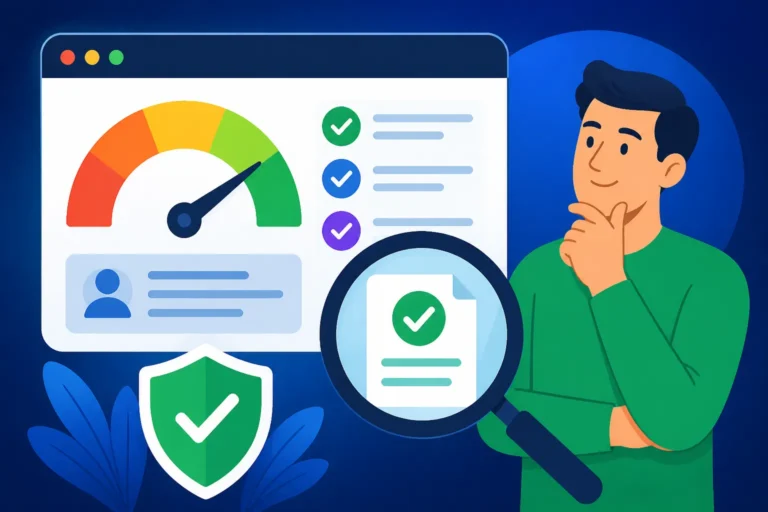
CreditWise isn't just a number; it's a suite of tools that aims to help you understand and monitor your credit health. Beyond showing you your credit score, it provides a breakdown of the key factors influencing that score, such as your payment history, credit utilization, and the age of your credit accounts. This granular detail can be incredibly helpful in understanding the "why" behind your score. For instance, if you see your credit utilization is high, CreditWise will highlight that as an area for improvement. It also offers personalized recommendations on how to improve your score, like suggesting ways to lower your credit card balances or reminding you to make payments on time.
Another standout feature is its credit alert system. CreditWise will notify you if there are any significant changes to your TransUnion credit report, such as new accounts being opened, changes in your personal information, or new inquiries. This can be a vital early warning system for potential identity theft or fraudulent activity. Imagine getting an alert that a new credit card application was made in your name that you didn't initiate – that immediate notification could save you a lot of headaches down the line. It's a proactive step in protecting your financial well-being.
How It Gathers and Presents Information
CreditWise primarily pulls its data from TransUnion, one of the three major credit bureaus. This is a crucial piece of information because it explains why your score might differ from scores reported by other services that rely on different bureaus like Equifax or Experian. Each bureau collects and stores slightly different information, and creditors don't always report to all three simultaneously, or they might report at different times. So, the snapshot you see from TransUnion via CreditWise is specific to that bureau's data.
The score you get from CreditWise is a VantageScore 3.0. Now, if you're thinking, "What's a VantageScore?" – you're not alone! Many people are more familiar with FICO scores, which are widely used by lenders for loan decisions. VantageScore is another legitimate credit scoring model, co-developed by the three major credit bureaus. CreditWise takes your TransUnion data and applies the VantageScore 3.0 algorithm to generate your score. This process is fully automated, translating the raw data from your credit report into a three-digit number that represents your credit risk at that moment. The tool also presents this information in an easy-to-understand format, with graphs and clear explanations, making it accessible even if you're not a credit expert.
The Accuracy Question: Is CreditWise Reliable?
This is the million-dollar question for many users. Is the score you see on Capital One CreditWise truly an accurate reflection of your credit health? The answer, like most things in the world of credit, is a bit nuanced. Yes, CreditWise is accurate in that it provides a real, legitimate credit score based on real data from TransUnion. However, it might not be the exact score a lender sees when you apply for a loan.
Understanding VantageScore 3.0 vs. FICO
The main reason for potential discrepancies lies in the scoring model used. CreditWise uses VantageScore 3.0, while a vast majority of lenders, especially for significant loans like mortgages or car loans, rely on various FICO Score versions. Both VantageScore and FICO Score models calculate your creditworthiness, but they use slightly different methodologies and weighting for various factors.
For instance, FICO Scores often place a heavier emphasis on payment history and credit utilization, while VantageScore might give more weight to newer accounts and trends in your credit behavior. This means that depending on your specific credit profile, your VantageScore could be a few points higher or lower than your FICO Score. It's not that one is "wrong" and the other is "right"; they're just two different ways of looking at the same underlying credit data. Think of it like looking at the same house from two different angles – you get a true picture, but the perspective changes slightly. If you want to dive deeper into these differences, you might find our article on FICO Score vs VantageScore: What's the Difference? really helpful.
Why Your Scores Might Differ
Beyond the scoring model, several other factors contribute to why your scores might differ across platforms, even if they're all using legitimate data.
First, as mentioned, CreditWise pulls its data from TransUnion. Other monitoring services or lenders might use Equifax or Experian. Each of these three major credit bureaus collects and maintains its own separate credit report for you. Creditors don't always report to all three bureaus, or they might report at different times of the month. So, one bureau's report might have more up-to-date information, or even entirely different accounts, compared to another. This is why it's crucial to understand The 3 Credit Bureaus: Equifax, Experian & TransUnion and how they operate independently.
Second, the frequency of updates plays a role. CreditWise typically updates your score weekly. While this is frequent enough for general monitoring, specific lenders might pull your credit report at a different time, or they might use a slightly older version of your report.
Third, different versions of the FICO or VantageScore models exist. Even within FICO, there are dozens of different industry-specific scores (e.g., FICO Auto Score, FICO Bankcard Score) that lenders tailor to their specific needs. So, even if a lender uses a FICO score, it might not be the generic FICO Score 8 that you see on some other credit monitoring services. This complexity is often the root cause of the common question, Why Is My Credit Score Different on Different Sites?
Consider a hypothetical situation: Sarah applies for a car loan. The dealership pulls her credit report from Experian and uses a FICO Auto Score. Meanwhile, Sarah has been diligently checking her Capital One CreditWise, which provides her VantageScore 3.0 based on TransUnion data. It's entirely possible her scores will be different, not because CreditWise is inaccurate, but because different inputs (bureau data) and different algorithms (scoring models) are at play.
How to Get a More Comprehensive View of Your Credit
While CreditWise is a fantastic free tool, relying solely on it might not give you the full picture, especially when you're preparing for a major financial application. A truly comprehensive view involves looking at your credit from multiple angles.
Utilizing All Three Credit Bureaus
The Fair Credit Reporting Act (FCRA) gives you the right to a free credit report from each of the three major credit bureaus—Equifax, Experian, and TransUnion—once every 12 months. The official source for these is AnnualCreditReport.com. Regularly pulling these reports is arguably the most important step you can take. By reviewing all three, you can catch discrepancies, identify potential errors, and ensure all your accounts are being reported correctly.
For instance, you might find a collection account listed on your Equifax report that isn't showing up on TransUnion, or a hard inquiry on Experian that you don't recognize. Knowing these differences empowers you to address them directly. Our guide on How to Read Your Credit Report (2026 Guide) can walk you through understanding all the complex details you'll find on these reports. Remember, your credit reports are the raw data; your scores are just interpretations of that data. You should also be aware of how to tackle issues, like if you ever need to How to Dispute Credit Report Errors (Step-by-Step).
The Role of Credit Monitoring Services
Credit monitoring services, whether free or paid, offer ongoing vigilance over your credit files. While CreditWise provides alerts for TransUnion, dedicated monitoring services often cover all three bureaus. This means you get a more holistic view and faster alerts across the board. Companies like IdentityIQ or Experian IdentityWorks offer comprehensive monitoring across all three bureaus, often including FICO scores, which can be invaluable if you're actively working to improve your credit or concerned about identity theft.
Is paying for credit monitoring worth it? That's a personal decision, but for many, the peace of mind and early detection of fraud or errors justifies the cost. While CreditWise is excellent for its free TransUnion focus, a paid service might provide daily updates from all three bureaus and even dark web monitoring, offering a deeper layer of protection. Our article on Credit Monitoring: Is It Worth It? explores this in more detail. Even if you don't opt for a paid service, regular manual checks of your free annual reports, combined with CreditWise, create a strong defense. You can also utilize free tools from the individual bureaus, such as Experian's free credit monitoring service, which provides a free FICO Score 8 and alerts based on your Experian report.
A brand like Credit Strong, while not a monitoring service in itself, helps build credit by offering credit builder loans, which in turn can positively impact your scores reported to all three bureaus over time. This shows how different financial tools can work together to enhance your credit health, with monitoring services like CreditWise keeping an eye on the progress.
Making the Most of CreditWise and Other Tools
Using Capital One CreditWise effectively means understanding its strengths and knowing when to look beyond it for additional insights. It's a powerful free resource, but it's most impactful when viewed as one piece of a larger financial puzzle.
Practical Tips for Using CreditWise Effectively
- Use it for directional guidance: Think of CreditWise as your personal credit compass. If your score goes up, you're generally doing things right. If it dips, it's a signal to investigate what might have happened. Don't get fixated on the exact number, but rather on the trends and the factors impacting it. CreditWise's "Credit Factors" section is particularly useful for this, as it breaks down what elements are helping or hurting your score.
- Leverage the alerts: Those TransUnion alerts aren't just notifications; they're calls to action. If you get an alert about a new account you didn't open or a significant change you don't recognize, act immediately. This could be a sign of identity theft. The faster you respond, the less damage might occur.
- Check your report details: CreditWise also provides access to a simplified version of your TransUnion credit report. Take the time to review it periodically. Look for accounts you don't recognize, incorrect payment statuses, or outdated personal information. Even small errors can sometimes impact your score. If you find errors, you'll want to know How to Dispute With Equifax, Experian, and TransUnion (though CreditWise will mainly help you with TransUnion directly).
- Understand the "Why": CreditWise doesn't just show you what your score is, but why it is that way. Pay attention to the factors that impact your score, like payment history, credit utilization, and average age of accounts. These are the fundamental components of any credit score model, and understanding them is key to improving your credit over time. Our guide on What Affects Your Credit Score? The 5 Factors can provide more context on this.
Supplementing CreditWise with Other Resources
While CreditWise is great, it’s not the only tool in your credit monitoring arsenal. To get a truly comprehensive picture and effectively manage your credit, you should complement it with other resources:
- AnnualCreditReport.com: As mentioned, this is your gold standard for full credit reports from all three bureaus. Make it a yearly habit, or even stagger your requests every four months to keep a rolling watch.
- Other Free Credit Monitoring Services: Many financial institutions, like banks and credit card companies, offer free credit scores and monitoring. For example, some credit card issuers provide a free FICO Score, which can be a valuable comparison point to your CreditWise VantageScore. Services like Credit Karma offer VantageScores from TransUnion and Equifax, giving you a wider snapshot.
- Paid Credit Monitoring: If you're serious about protection or actively building credit after a setback, a paid service might be worth considering for the comprehensive coverage and FICO Score access. These services often provide more frequent updates and in-depth analysis.
- Credit Builder Products: If your goal is to build credit, consider products like secured credit cards or credit builder loans. For instance, services like Credit Strong offer credit builder loans designed to help you establish a positive payment history, which in turn reflects positively on your credit reports across all bureaus, eventually showing up in tools like CreditWise. These can be excellent ways to improve the underlying data that CreditWise (and other services) uses to calculate your score. Learning How to Build Credit From Scratch (2026 Guide) is a great starting point for anyone looking to make significant improvements.
- Focus on the fundamentals: Regardless of which score you're looking at, the core principles of good credit remain the same: pay your bills on time, keep your credit utilization low, and manage a healthy mix of credit accounts. If you consistently apply these strategies, all your credit scores, including the one on CreditWise, will eventually reflect your responsible financial behavior. If you need some strategies on improving your scores, take a look at our article on How to Raise Your Credit Score (Step-by-Step).
Capital One CreditWise is a fantastic, free tool for monitoring your TransUnion VantageScore and staying on top of potential credit report changes. It offers legitimate, accurate information based on the data it pulls. However, because it uses one specific scoring model (VantageScore 3.0) and one specific credit bureau (TransUnion), it's important to understand that your score might differ from others. By combining CreditWise with regular checks of your full reports from AnnualCreditReport.com and possibly other monitoring services, you can achieve a truly comprehensive and accurate understanding of your credit health. It's all about gathering as much information as you can to make the best financial decisions for yourself.
Disclaimer
This article is for general informational purposes only and does not constitute professional advice. Laws, prices and regulations vary by location and change over time. Consult a qualified professional for guidance on your specific situation.