How to Freeze Your Credit in Texas
The thought of someone else opening accounts in your name, racking up debt, and utterly wrecking your financial future is enough to keep anyone up at night. Identity theft is a real threat, and for those of us in Texas, protecting our credit is paramount. This guide is here to walk you through exactly how to place a security freeze on your credit reports with all three major bureaus, giving you peace of mind and a solid line of defense.
Understanding Credit Freezes and Why They Matter in Texas
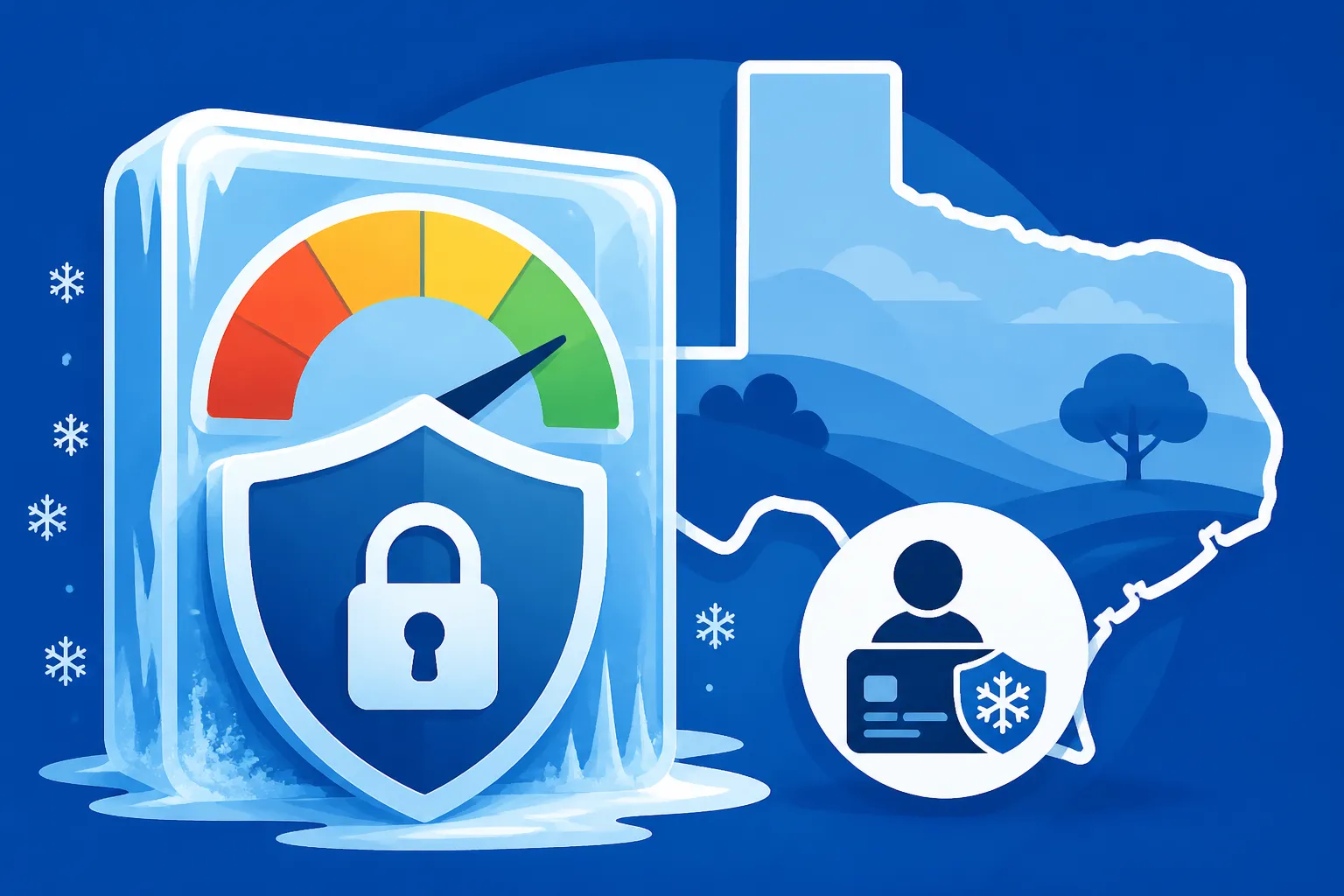
Let's be honest, navigating the world of credit can feel like a maze, and when you hear terms like "credit freeze," it might sound daunting. But trust me, a credit freeze is one of the most powerful tools you have to protect yourself from identity theft, especially if you're a Texan dealing with increasing data breaches. It basically locks down your credit report, making it incredibly difficult for fraudsters to open new lines of credit in your name.
What a Credit Freeze Actually Does for Texans
Imagine your credit report is like a front door to your financial life. When you apply for new credit, like a car loan or a new credit card, lenders typically "check your credit" by pulling your report. This is usually a "hard inquiry," and it signals to them whether you're a reliable borrower. A credit freeze puts a deadbolt on that door. If someone, even you, tries to apply for new credit while your report is frozen, the lender won't be able to access your file. This means the application can't proceed, effectively stopping identity thieves in their tracks. It's a proactive step that can save you countless hours of heartache and financial repair down the road.
This is especially critical for residents of a large, growing state like Texas, where new residents and digital transactions are constantly on the rise. More transactions and more personal data floating around mean more opportunities for criminals. A freeze ensures that your existing financial life, like your utilities, car loans, and mortgage, remains unaffected. It only prevents the opening of new accounts in your name. It's important to understand that a credit freeze is different from a fraud alert, which only requires lenders to take extra steps to verify your identity. A freeze is a much stronger barrier.
Why Every Texan Should Consider a Credit Freeze
In today's digital age, our personal information is constantly exposed. From large-scale data breaches at major corporations to smaller, more localized scams, the risk of your Social Security number or other identifying details falling into the wrong hands is higher than ever. Whether you're a recent college graduate just starting to build your financial foundation with tools like a Credit Strong account or a seasoned professional with years of credit history, a security freeze offers universal protection. For example, if your personal data was compromised in a breach, say from a healthcare provider or a large retailer, placing a credit freeze immediately stops that information from being used to open new fraudulent accounts. It doesn't cost anything to place or lift a credit freeze, making it an accessible and essential safeguard for everyone.
Think about it: a small investment of your time now can prevent a massive headache later. Rebuilding your credit after identity theft can take years, costing you not only money but also immense stress and frustration. Even if you don't suspect you've been a victim, an ounce of prevention is worth a pound of cure. It's particularly useful if you have a thin credit file and are just starting to establish yourself financially, as new credit lines are typically easier targets for fraudsters. Understanding What to Do If You're a Victim of Identity Theft is important, but preventing it is always the best strategy.
Step-by-Step Guide to Freezing Your Credit in Texas
The process of freezing your credit might seem complex at first glance, but it's actually quite straightforward. You need to contact each of the three major credit reporting agencies individually: Equifax, Experian, and TransUnion. There isn't a single "Texas freeze" button, as the process is handled directly by these nationwide bureaus, but your rights as a Texan are federally protected.
Contacting Each Credit Bureau
To place a security freeze, you'll need to reach out to each bureau separately. It’s crucial to contact all three, because a freeze with just one bureau won’t protect you from a fraudster who checks another. Each bureau will have slightly different steps, but the core information they require is the same: your full name, current and past addresses, Social Security number, and date of birth. Be prepared to verify your identity, possibly with additional documentation if there's any discrepancy.
You can initiate a freeze online, by phone, or by mail. The online method is usually the fastest and most convenient, offering instant confirmation. When you complete the process, each bureau will provide you with a unique PIN (Personal Identification Number) or password. This PIN is vital; you'll need it to temporarily lift or permanently remove the freeze in the future. Store these PINs in a secure place, like a password manager or a locked drawer, separate from other sensitive documents. Losing them can make future access more complicated, though not impossible.
Here's the contact information for each major credit bureau:
| Credit Bureau | Online Freeze | Phone Number | Mailing Address (for requests) |
|---|---|---|---|
| Equifax | Freeze Page | 1-888-298-0045 | Equifax Security Freeze, P.O. Box 105788, Atlanta, GA 30348-5788 |
| Experian | Freeze Page | 1-888-397-3742 | Experian Security Freeze, P.O. Box 9554, Allen, TX 75013 |
| TransUnion | Freeze Page | 1-888-909-8872 | TransUnion (Attention: Fraud Victim Assistance Department), P.O. Box 2000, Chester, PA 19016 |
As you can see, Experian even has a P.O. Box right here in Texas! It's worth noting that while federal law dictates free freezes, the exact online interface or phone tree might vary slightly between the companies. The goal is the same: secure your data.
Required Information and Confirmation
When you contact each bureau, they'll ask for some personal details to confirm your identity. This is for your protection, ensuring only you can initiate a freeze on your file. Expect to provide your full legal name, any previous names or aliases, your date of birth, your Social Security number, and all residential addresses for the past two years. Sometimes, they might ask for additional verification questions, like previous loan amounts or specific addresses you've lived at, to ensure it's truly you.
Once the freeze is successfully placed, the bureaus are required to send you a confirmation notice within five business days if you requested it by phone or mail, or almost immediately if you did it online. This notice will include instructions on how to temporarily lift or permanently remove the freeze, along with that all-important PIN or password. Keep this confirmation safe. Even if you're building positive credit with a service like Credit Strong, ensuring your basic identity is protected forms the bedrock of good financial health. Knowing The 3 Credit Bureaus: Equifax, Experian & TransUnion and their processes is crucial.
Thawing Your Credit and Other Important Considerations
A credit freeze isn't a permanent cage for your financial life. You'll definitely need to temporarily lift or "thaw" your credit when you want to apply for new credit, such as a mortgage, a car loan, or even a new cell phone plan. Managing this process efficiently is key to leveraging your credit while maintaining security.
How and When to Temporarily Lift a Freeze
When you're ready to apply for new credit, you'll need to contact each credit bureau where you placed a freeze and request a temporary lift. You can specify the duration for the lift (e.g., 3 days, a week) or provide a specific date. You can also unfreeze it for a specific creditor if you know which bureau they use. This is where those PINs or passwords come in handy. Without them, lifting the freeze can be a more involved process requiring additional identity verification, so guard them well!
The good news is that under federal law, the bureaus must lift a freeze within one hour if you make the request online or by phone. If you request it by mail, it must be lifted within three business days after they receive your request. This quick turnaround means you don't have to plan weeks in advance for a credit application. However, it's always a good idea to initiate the lift a day or two before your intended application, just to be safe and account for any unforeseen technical glitches or processing delays. For example, if you are looking to take out a new loan to finance a car from a dealership in Houston, you would lift your freeze for a few days to allow the dealership to check your credit. You can learn more about How to Unfreeze Your Credit Temporarily to be fully prepared.
The Benefits of Keeping Your Credit Frozen
While it might seem like a hassle to lift and refreeze your credit, the benefits of keeping it frozen far outweigh the minor inconvenience. A credit freeze is your strongest defense against new account identity theft. It prevents criminals from opening credit cards, taking out loans, or even getting utilities in your name. For Texans, this means a significantly reduced risk of dealing with the stress, time, and financial fallout that comes with identity theft. Consider a scenario where a data breach exposes your information. If your credit is frozen, even if a thief gets your details, they can't easily use them to establish new credit in your name.
It's also important to remember that a credit freeze does not affect your credit score, prevent pre-approved credit offers, or stop existing creditors from accessing your file for account maintenance. It also doesn't block "soft inquiries," like when you check your own credit score or when an existing creditor reviews your account. So, you can still monitor your credit health, like through services such as Credit Strong, without having to lift your freeze. This gives you peace of mind knowing your existing financial relationships and credit-building efforts are safe from new, unauthorized activities.
Common Questions and Troubleshooting for Texans
Even with a clear guide, you might run into questions or unique situations. It's totally normal! Let's address some of the most common concerns Texans might have about credit freezes.
Freezing Credit for Minors and Incapacitated Adults
Identity theft isn't just a concern for adults. Unfortunately, children and incapacitated adults are also vulnerable, often due to their clean credit files which make them prime targets for fraudsters seeking to open new accounts. Texas law, along with federal regulations, allows parents or legal guardians to place a security freeze on a minor's credit file. This is often called a "protected consumer freeze." You'll typically need to provide proof of your authority (e.g., birth certificate, guardianship papers) and the minor's identity (e.g., SSN, birth certificate). The process for incapacitated adults is similar, requiring legal documentation of guardianship or power of attorney.
Freezing a minor's credit early can protect them from years of potential financial struggle before they even turn 18. Imagine your child discovering they have a mountain of debt from fraudulent accounts when they try to get their first credit card or student loan. It's a nightmare scenario. Taking this preventative step early can save them from that. Many online resources and the credit bureaus themselves provide specific instructions and forms for these situations, which can vary slightly by bureau but follow a common framework designed to protect vulnerable individuals.
What a Credit Freeze Doesn't Do
While a credit freeze is incredibly powerful, it's not a silver bullet. It won't prevent identity thieves from using your existing credit accounts. For instance, if someone steals your credit card number, a freeze won't stop them from making purchases on that existing card. For those kinds of threats, you need to rely on vigilant credit monitoring, checking your bank and credit card statements regularly, and setting up alerts for suspicious activity. If you spot something amiss, you'll want to know How to Dispute Credit Report Errors (Step-by-Step).
Furthermore, a credit freeze won't stop "soft inquiries." These are credit checks that don't impact your score and often occur when existing lenders review your account, or when you check your own credit score via services like Credit Karma or your bank's portal. It also won't prevent you from receiving pre-screened credit offers, though you can opt out of those separately. Think of the freeze as protecting the creation of new credit, not the management of existing accounts or monitoring activities. It's a key distinction that helps manage expectations and highlights the need for a comprehensive approach to financial security.
Dealing with Issues During the Freeze Process
Sometimes, despite following all the steps, you might run into an issue. Maybe a bureau says they can't verify your identity, or you don't receive your confirmation PIN. Don't panic! The first step is to carefully review the information you provided to the bureau. Small typos or outdated address information can cause problems. If everything appears correct, contact the bureau directly again, preferably by phone, to speak with a representative. Be prepared to provide additional documentation, such as copies of a government-issued ID, a utility bill, or bank statements to verify your identity.
It's a frustrating hurdle, but remember that these measures are in place to protect you. If you continue to face difficulties, you can also reach out to the Texas Office of Consumer Credit Commissioner (OCCC) for guidance or file a complaint with the Consumer Financial Protection Bureau (CFPB). These agencies act as watchdogs for consumer rights and can help mediate if you're hitting a wall. Even with all the tools available, like a solid credit builder from Credit Strong, sometimes you need a little human intervention to sort things out. Patience and persistence are key here.
Your Rights as a Consumer in Texas
As a Texan, you have specific rights when it comes to your credit report and protecting your identity. The state has laws designed to empower consumers and ensure fair credit reporting practices, complementing the federal laws that apply nationwide.
Federal and State Protections
Thanks to federal laws like the Fair Credit Reporting Act (FCRA), you have the right to a free credit report from each of the three major bureaus once every 12 months via AnnualCreditReport.com. This allows you to regularly check for errors or fraudulent activity, even if your credit is frozen. The Economic Growth, Regulatory Relief, and Consumer Protection Act of 2018 also solidified your right to place and lift credit freezes for free with all three bureaus. This was a massive win for consumers, eliminating the fees that used to be associated with credit freezes.
In addition to federal protections, Texas has its own consumer protection laws. For instance, Texas has specific statutes regarding identity theft victims and how their information should be handled. While the primary mechanism for a credit freeze is federal via the bureaus, the broader framework of consumer protection in Texas supports your efforts to maintain financial security. Staying informed about How Long Do Items Stay on Your Credit Report? and your rights is part of being a financially savvy Texan.
When to Seek Professional Help
Most Texans can successfully navigate the credit freeze process on their own. However, there are times when seeking professional help might be beneficial. If you've been a victim of severe identity theft, are struggling to remove fraudulent accounts even after freezing your credit, or are encountering persistent issues with the credit bureaus, a credit repair company might be able to assist. These companies often have expertise in dealing with complex credit report disputes and navigating bureaucratic hurdles.
However, be cautious and research any company thoroughly. Look for reputable firms with transparent pricing and a proven track record. The Federal Trade Commission (FTC) is a great resource for identifying legitimate services and avoiding scams. Sometimes, a credit counselor or financial advisor can also provide invaluable guidance on identity theft recovery and long-term credit management strategies. Remember, protecting your credit isn't a one-time event; it's an ongoing commitment to your financial well-being.
Disclaimer
This article is for general informational purposes only and does not constitute professional advice. Laws, prices and regulations vary by location and change over time. Consult a qualified professional for guidance on your specific situation.