How to Get Out of Credit Card Debt (Step-by-Step)
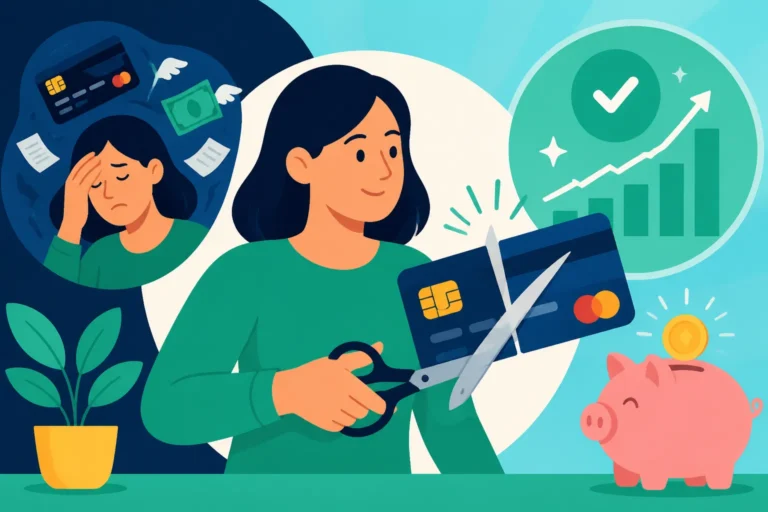
The crushing weight of credit card debt can feel like a relentless tide, pulling you further under with each passing month of minimum payments that barely touch the principal. It’s a frustrating cycle, leaving many feeling hopeless and wondering if they’ll ever truly get ahead. This guide is designed to cut through that despair, offering a clear, step-by-step roadmap to not just manage but completely conquer your credit card debt, giving you back control of your financial future.
Acknowledging the Credit Card Debt Problem
Before we can even think about tackling credit card debt, we have to acknowledge the problem head-on. It’s not just about the numbers; it’s about the emotional toll, the constant worry, and the feeling that you’re just treading water. Many people find themselves in this situation, and it’s important to know you're not alone and that there are proven paths to financial freedom.
The Silent Burden of Rising Balances
Credit card debt has a sneaky way of accumulating. One minute you're making a necessary purchase, the next you're looking at a statement that seems to grow faster than you can pay it down. It’s a silent burden that many carry, often feeling embarrassed or isolated by their struggles. You might find yourself dreading the mail, avoiding checking your online banking, or constantly doing mental math about how you’ll cover the next minimum payment. This stress isn't just financial; it seeps into every aspect of life, affecting sleep, relationships, and overall well-being.
The frustration often stems from seeing your hard-earned money disappear into interest payments, while the actual balance barely budges. It’s like trying to fill a bucket with a hole in it. You pour in effort and cash, but the results are disheartening. This cycle can make you feel trapped, as if the debt has become an unshakeable part of your identity. But it doesn't have to be this way. Recognizing this feeling is the first crucial step towards finding a way out and reclaiming your financial peace.
Why Minimum Payments Aren't Your Friend
Ah, the dreaded minimum payment. It looks so innocent on your statement, often just a small percentage of your total balance. It gives you a temporary feeling of relief, a sense that you've done your part. But here's the harsh reality: for many credit card accounts, especially those with high balances, the minimum payment is designed primarily to cover the interest you've accrued, with only a tiny fraction going towards the principal. This means you could be paying on a debt for years, even decades, and pay far more than the original amount borrowed.
Consider this common scenario: you have a credit card balance of $5,000 with an 18% APR and a minimum payment of 2% of the balance or $25, whichever is greater. If you only pay the minimum each month, it could take you well over a decade to pay off that $5,000, and you might end up paying double the original amount in interest. This isn't just theoretical; it's how many credit card companies structure their payments. That small, manageable minimum payment is often a cleverly disguised trap, keeping you tethered to your debt for the long haul. Understanding this crucial point is vital because it highlights why a more aggressive strategy is necessary to escape the cycle.
Understanding Your Debt Landscape
Before you can chart a course to freedom, you need to know exactly where you stand. Think of it like planning a road trip; you wouldn't just hop in the car and drive without knowing your starting point or destination. The same principle applies to debt. A clear, comprehensive understanding of your current financial situation is the bedrock of any successful debt reduction plan.
Gathering All the Details: Your Debt Inventory
The first practical step is to create a detailed inventory of all your credit card debts. This isn't always fun, but it's absolutely necessary. Gather every single credit card statement, both physical and digital. If you have several cards, this might feel like a daunting task, but push through it. You're looking for specific information for each card: the creditor's name (e.g., Chase, Capital One, Discover), the current balance owed, the annual percentage rate (APR), the minimum payment due, and the payment due date.
Don't forget about any store credit cards or other revolving lines of credit you might have. Even small balances on these cards can add up and contribute to your overall financial stress. A clear picture of who you owe, how much, and at what cost will empower you to make informed decisions. Many find it helpful to create a simple spreadsheet or a list on paper to organize this information, which we'll use in the next steps.
The Real Cost of Interest: Calculating Your APR Impact
The Annual Percentage Rate (APR) is one of the most critical numbers on your credit card statement, yet it's often overlooked. Simply put, your APR is the yearly rate of interest charged on your outstanding balance. The higher your APR, the more expensive your debt becomes, and the harder it is to make a dent in the principal with each payment. Many credit cards carry APRs ranging from 15% to 25%, and sometimes even higher, especially for cards catering to those with lower credit scores.
Let's illustrate the impact. Imagine you have two credit cards, both with a $2,500 balance. Card A has an APR of 15%, while Card B has an APR of 24%. If you pay $100 per month on each, you'll find that significantly more of your payment on Card B goes to interest, meaning it will take much longer to pay off and cost you more overall. This is why targeting high-APR debts first, a strategy we'll discuss soon, is often the most financially efficient approach. Knowing these numbers helps you prioritize which debts to attack with the most vigor, potentially saving you hundreds, if not thousands, of dollars in interest.
Your Debt-to-Income Ratio and What It Means
Your debt-to-income (DTI) ratio is a personal finance metric that compares how much you earn to how much you owe. It’s calculated by adding up all your monthly debt payments (credit cards, loans, mortgage, rent) and dividing that by your gross monthly income (before taxes and deductions). For example, if your total monthly debt payments are $1,500 and your gross monthly income is $4,000, your DTI is 37.5% ($1,500 / $4,000 = 0.375).
Why does this matter? Lenders use your DTI to assess your ability to manage monthly payments and repay debts. A lower DTI indicates less risk. Generally, a DTI of 36% or lower is considered healthy, especially if you're looking to apply for new loans like a mortgage or car loan. A high DTI, on the other hand, signals to lenders that you might be stretched thin, making it harder to secure favorable interest rates or even get approved for new credit. Understanding your DTI helps you see the bigger picture of your financial health and reinforces the importance of reducing your debt not just for your peace of mind, but for your future financial opportunities.
Strategies for Tackling Your Debt
Once you have a clear picture of your debts, it's time to choose your battle plan. There are several effective strategies for paying down credit card debt, each with its own benefits. The best approach for you will depend on your personality, your financial situation, and what motivates you most.
The Debt Snowball Method: Building Momentum
The debt snowball method is all about psychological wins and building momentum. Here's how it works: first, you list all your debts from the smallest balance to the largest, regardless of their interest rates. Then, you make minimum payments on all debts except the smallest one. On that smallest debt, you throw every extra dollar you can find. Once that smallest debt is paid off, you take the money you were paying on it (the minimum payment plus all the extra you were adding) and apply it to the next smallest debt. You continue this "snowballing" effect until all your debts are gone.
For example, if you have three credit cards: Card A with $500 owed, Card B with $1,500 owed, and Card C with $3,000 owed. You'd focus intensely on Card A. Let's say its minimum is $25. You find an extra $75, so you pay $100 on Card A while paying minimums on B and C. Once Card A is paid off, you take that $100 and add it to the minimum payment of Card B. This method is incredibly motivating because you see quick wins, which can be crucial for staying committed to your debt repayment journey. While it might not save you the most money on interest in the long run compared to other methods, the psychological boost can be invaluable for many people. If you find yourself struggling with motivation, the debt snowball could be a game-changer.
The Debt Avalanche Method: Saving Money on Interest
For those who are more mathematically inclined and driven by efficiency, the debt avalanche method is often the preferred strategy. Instead of ordering debts by balance size, you list them from the highest interest rate (APR) to the lowest. You then focus on paying off the debt with the highest APR first, while making only minimum payments on all your other debts. Once that highest-interest debt is completely paid off, you take the money you were allocating to it and apply it to the debt with the next highest interest rate. This process continues until all your credit card debts are eliminated.
Using our previous example, if Card A has an 18% APR ($500 balance), Card B has a 24% APR ($1,500 balance), and Card C has a 15% APR ($3,000 balance), you would tackle Card B first. You'd pay its minimum plus all available extra funds, while making minimum payments on A and C. Once Card B is gone, you move to Card A (since it has the next highest APR), then Card C. The primary benefit of the debt avalanche method is that it minimizes the total amount of interest you'll pay over the life of your debt, potentially saving you a significant amount of money. It requires a bit more discipline since the first debt you pay off might not be the smallest, meaning initial progress might feel slower, but the financial reward is substantial. To really get out of credit card debt fast, this method often delivers the best mathematical outcome.
Considering Balance Transfer Credit Cards
When you're facing high-interest credit card debt, a balance transfer credit card can feel like a lifeline. The idea is simple: you transfer your existing high-interest balances from one or more credit cards to a new credit card that offers a 0% introductory APR for a set period, typically 12 to 21 months. This gives you a window of time to pay down your principal without accruing additional interest charges. During this intro period, every dollar you pay goes directly towards reducing your debt, which can be incredibly empowering.
However, there are crucial considerations before diving in. Most balance transfer cards charge a balance transfer fee, usually 3-5% of the amount transferred. So, transferring $5,000 might cost you $150-$250 upfront. You also need to be vigilant about the introductory period; if you don't pay off the entire balance before it ends, the remaining amount will be subject to the card's standard, often high, APR. Be careful not to use the old cards you transferred from, or you'll quickly accumulate new debt while still trying to pay off the old. Your credit score will also play a role; these cards are typically offered to those with good to excellent credit. Understanding Balance Transfer Cards: How They Work is key to determining if this strategy is right for you.
Exploring Debt Consolidation Loans
Another powerful tool in your debt repayment arsenal is a debt consolidation loan. This involves taking out a single, new loan (often a personal loan) with a fixed interest rate and using the funds to pay off several existing high-interest debts, primarily credit card balances. The primary advantage here is simplification. Instead of juggling multiple payments to different creditors with varying interest rates and due dates, you now have just one monthly payment. This can make budgeting much easier and reduce the stress of managing several accounts.
Beyond simplification, the goal is usually to secure a lower overall interest rate than the average of your existing credit card debts. If you have good credit, you might qualify for a personal loan with a significantly lower APR, which can save you money over the long term and accelerate your repayment. However, it’s still a loan, and you'll need to be approved based on your creditworthiness. If your credit score is poor, the interest rate offered might not be much better than your existing credit card rates. It's also vital to ensure you don't accumulate new debt on the old credit cards once they're paid off; otherwise, you'll end up with more debt than you started with. This approach is distinct from a balance transfer and understanding Debt Consolidation vs Balance Transfer can help you choose the right path.
Boosting Your Income and Cutting Expenses
While strategic debt repayment methods are essential, they often need to be supported by changes in your income and spending habits. It's about creating more margin in your budget – either by bringing in more money or by spending less – so you have more to dedicate to debt repayment. This dual approach can significantly accelerate your journey out of debt.
Finding Extra Income Streams
Sometimes, even the most meticulous budgeting isn't enough to make substantial progress on debt, especially when facing high balances and interest rates. This is where finding extra income streams comes into play. Think creatively about how you can leverage your skills, time, or even unused possessions to bring in more cash. Are you good at writing, graphic design, or coding? Freelancing platforms like Upwork or Fiverr could offer opportunities. Do you have a knack for crafting or selling unique items? An Etsy shop might be worth exploring.
The gig economy offers numerous ways to earn money on your own schedule, from driving for rideshare services like Uber or delivering food for DoorDash, to completing small tasks through apps. Even simpler, look around your home for items you no longer need – old electronics, clothes, furniture. Selling these on platforms like eBay, Facebook Marketplace, or local consignment shops can provide a quick influx of cash that you can immediately direct towards your highest-priority debt. Every extra dollar you earn and apply to your debt is a dollar that won't accrue interest, making a tangible difference. This is a powerful way to truly How to Pay Off Credit Card Debt Fast.
Aggressive Budgeting and Expense Reduction
If bringing in more money isn't immediately feasible, the other side of the coin is aggressively cutting down your expenses. This isn't about deprivation, but about intentionality and prioritizing your debt repayment. The first step is to create a detailed budget, if you haven't already. Track every single dollar you spend for at least a month to identify exactly where your money is going. You might be surprised by how much accumulates in categories you hadn't considered.
Once you have this clear picture, look for "fat" to trim. Discretionary spending categories like dining out, entertainment, impulse purchases, and unused subscriptions are often prime targets. Could you commit to cooking at home more? Cancel streaming services you rarely watch? Find free or low-cost entertainment options? Even small daily savings, like making coffee at home instead of buying it, add up over time. Negotiating bills, such as your internet, cable, or even insurance premiums, can also yield significant savings without sacrificing essential services. Remember, this aggressive approach is usually temporary, a focused push to get out of debt faster.
Negotiating With Creditors
When you're struggling to make payments, it can feel intimidating to contact your creditors, but it's often a necessary and potentially beneficial step. Creditors would rather receive some payment than none at all, and they might be willing to work with you, especially if you demonstrate genuine hardship. You can inquire about a lower interest rate, a temporary deferment of payments, or a more manageable payment plan. Be honest and clear about your situation, but also be prepared to explain how you plan to make payments.
If your debt is seriously delinquent, you might even be able to negotiate a debt settlement, where the creditor agrees to accept a lump sum that is less than the total amount you owe. However, debt settlement comes with significant drawbacks, including a negative impact on your credit report. This is a more drastic measure, usually considered when other options are exhausted, and it's essential to understand the full implications. Before making any agreements, get everything in writing. For a detailed approach, consider reading How to Negotiate With Debt Collectors.
Protecting Your Credit Score While Paying Off Debt
Your credit score is a reflection of your financial health, and while your primary goal is to eliminate debt, it's crucial to minimize any negative impact on this score during the process. A good credit score will open doors to better interest rates on future loans and credit products, so it's worth protecting as you work your way out of debt.
Understanding Credit Utilization
One of the most significant factors affecting your credit score is your credit utilization ratio. This is the amount of credit you're currently using compared to your total available credit. For example, if you have a credit card with a $10,000 limit and a $3,000 balance, your utilization is 30%. Financial experts generally recommend keeping your credit utilization below 30% across all your cards, and ideally even lower, closer to 10%, for an excellent score.
As you pay down your credit card debt, your credit utilization will naturally decrease, which can lead to a positive bump in your credit score. This is a powerful incentive! Even if you can't pay off a card entirely, significantly reducing its balance can make a noticeable difference. Regularly monitoring your utilization can help you stay on track and see the tangible benefits of your hard work. Dive deeper into this topic with our guide on Credit Utilization: The Complete Guide.
Making Payments On Time, Every Time
Your payment history is the single most important factor in your credit score, accounting for about 35% of your FICO score. This means making your payments on time, every time, is absolutely critical. A single late payment (typically 30 days or more past due) can cause a significant drop in your credit score and remain on your credit report for up to seven years.
To ensure you never miss a payment, set up automatic payments from your bank account for at least the minimum amount. You can also set up reminders on your phone or calendar. Even if you're only able to pay the minimum, doing so on time is far better for your credit score than missing a payment entirely. As you focus on reducing debt, punctuality remains paramount for maintaining or improving your credit health. Understanding How Long Does a Late Payment Stay on Your Credit Report? can underscore the importance of this habit.
Avoid Opening New Credit Accounts
When you're actively working to get out of debt, generally, the last thing you want to do is open new credit accounts. Each new credit application typically results in a "hard inquiry" on your credit report, which can cause a small, temporary dip in your credit score. More importantly, opening new lines of credit adds to your total available credit but also introduces the temptation to accumulate new debt, undermining your efforts to become debt-free.
There can be exceptions, such as opening a balance transfer card if it's part of a carefully considered strategy to consolidate high-interest debt into a 0% APR period. However, for most people, the focus should be on reducing existing obligations. If you're looking to build credit responsibly while managing current debt, consider specialized tools like a credit builder loan. Companies like Credit Strong offer products designed to help individuals establish a positive payment history and build savings without incurring new credit card debt. This can be a smart move for improving your credit mix and history in a controlled way, rather than adding to your credit card burden. Remember, the goal is to reduce debt, not to add more, even if it seems like a quick fix. Think about How to Pay Off Credit Card Debt While Building Credit for more strategies.
Here's a quick comparison of the two primary debt repayment strategies:
| Feature | Debt Snowball Method | Debt Avalanche Method |
|---|---|---|
| Order of Attack | Smallest balance to largest balance | Highest interest rate (APR) to lowest APR |
| Primary Benefit | Psychological motivation, quick wins | Saves most money on interest |
| Best For | Those who need motivation and quick progress | Those focused on financial efficiency and long-term savings |
| Pace of Initial Progress | Faster, visible wins | Slower, as first debts might be larger |
| Total Interest Paid | Potentially more, due to interest on larger debts | Least amount of interest paid |
Maintaining a Debt-Free Lifestyle
Getting out of credit card debt is a monumental achievement, but the journey doesn't end there. The real success lies in staying debt-free and building a strong, resilient financial foundation for your future. This involves establishing new habits, creating protective measures, and continually monitoring your financial health.
Building an Emergency Fund
One of the most critical steps to maintaining a debt-free life is building a robust emergency fund. Life happens, and unexpected expenses – a car repair, a medical bill, a sudden job loss – are inevitable. Without an emergency fund, these unforeseen costs often force people back into relying on credit cards, restarting the debt cycle. An emergency fund acts as a financial buffer, allowing you to cover these expenses with savings rather than debt.
Aim to save at least three to six months' worth of essential living expenses in an easily accessible, separate savings account. This money shouldn't be touched for anything other than true emergencies. Knowing you have this safety net provides immense peace of mind and is a powerful deterrent against falling back into credit card debt. It's a fundamental pillar of long-term financial stability and a key element of How to Build Credit From Scratch (2026 Guide) too, as it reduces your reliance on credit in a pinch.
Developing Healthy Spending Habits
Beyond just an emergency fund, cultivating healthy spending habits is paramount. This means making conscious choices about where your money goes and avoiding the patterns that led to debt in the first place. Start by distinguishing between "needs" and "wants." While some wants are perfectly fine, understanding the difference allows you to prioritize and cut back when necessary. Practice mindful spending: before every purchase, pause and ask yourself if it aligns with your financial goals and values. Is it truly necessary? Can you afford it without compromising other financial commitments?
Consider using cash for discretionary spending categories. It's often harder to part with physical cash, which can naturally curb overspending. Avoid impulse buys, especially online, by waiting 24-48 hours before purchasing non-essential items. Over time, these small shifts in behavior will become second nature, transforming your relationship with money and ensuring you stay in control.
Regular Credit Monitoring and Financial Check-ups
Just like you get regular check-ups for your physical health, your financial health also needs consistent monitoring. This includes regularly checking your credit report and credit score. You are entitled to a free copy of your credit report from each of the three major credit bureaus – Equifax, Experian, and TransUnion – once every 12 months via AnnualCreditReport.com. Make it a habit to review these reports for errors or signs of identity theft. Even if you're not planning a major purchase, staying informed is critical.
Beyond your detailed reports, many credit card companies and financial institutions offer free access to your credit score, often a VantageScore, which updates monthly. Regularly checking your score helps you see the positive impact of your debt repayment efforts and alerts you to any sudden drops that might signal a problem. This ongoing vigilance ensures that your hard-earned progress is protected. For more information, check out How to Check Your Credit Score for Free and understand How Long Does It Take to Improve Your Credit Score?. Remember that tools like Credit Strong not only help with building credit but also often include monitoring features to help you keep tabs on your progress.
Disclaimer
This article is for general informational purposes only and does not constitute professional advice. Laws, prices and regulations vary by location and change over time. Consult a qualified professional for guidance on your specific situation.