How Many Points Is a Hard Inquiry Worth?
A hard pull happens when a lender checks a report after a formal application, and its point cost is smaller than feared, with ways to limit the effect.

A hard pull happens when a lender checks a report after a formal application, and its point cost is smaller than feared, with ways to limit the effect.

Hard and soft credit inquiries affect Equifax, Experian, and TransUnion reports differently when lenders check financial history.

Credit mix accounts for ten percent of your FICO score and explains how managing revolving and installment loans impacts lenders.
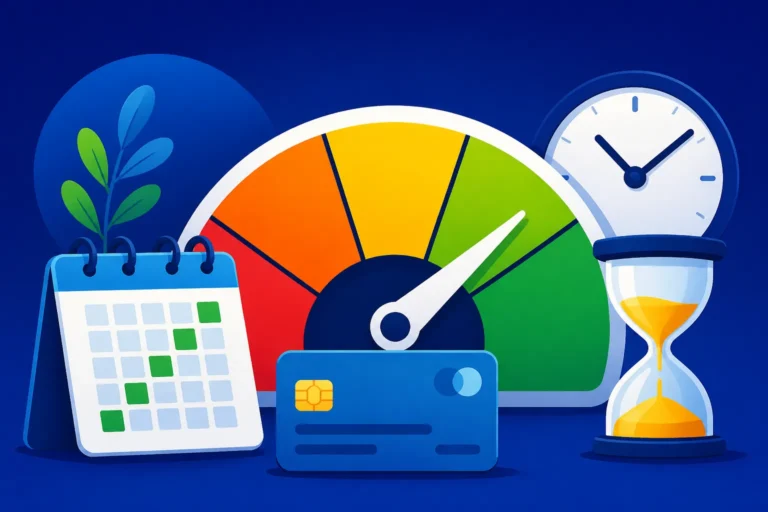
Credit age uses oldest, newest, and average account ages to measure length of history for Experian, Equifax, and TransUnion.
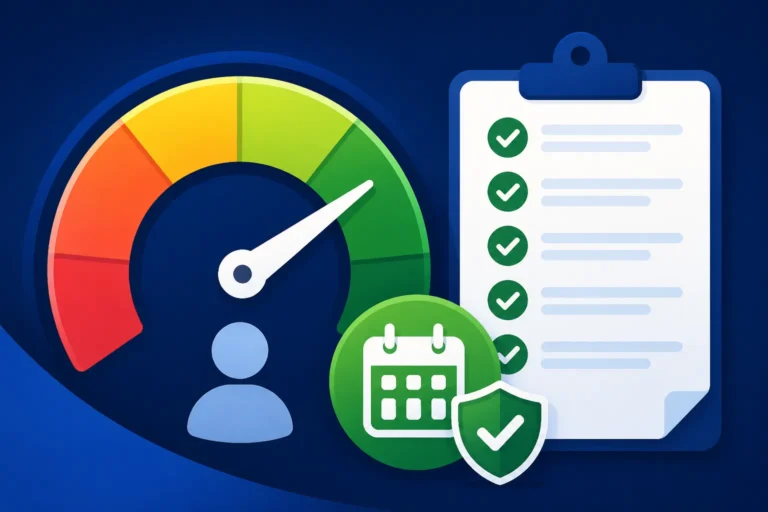
Payment history makes up thirty five percent of your credit score, tracking loan repayments reported to Equifax, Experian, and TransUnion.
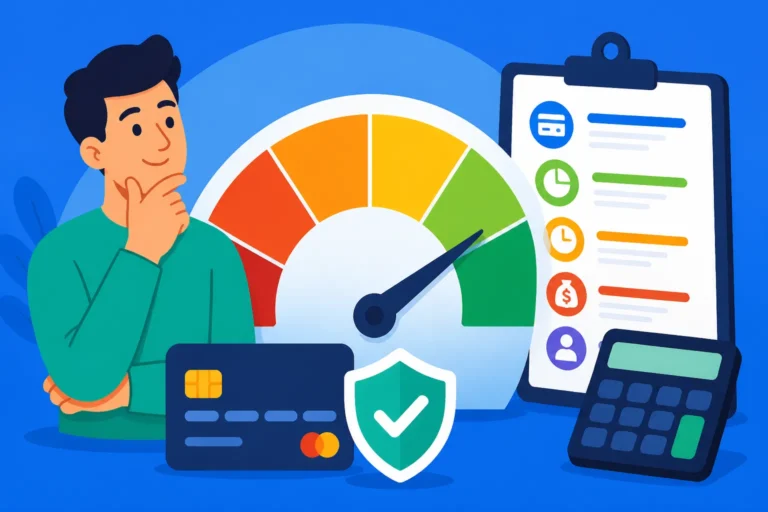
The FICO score is a calculation based on five credit report categories, with payment history weighted at thirty five percent.
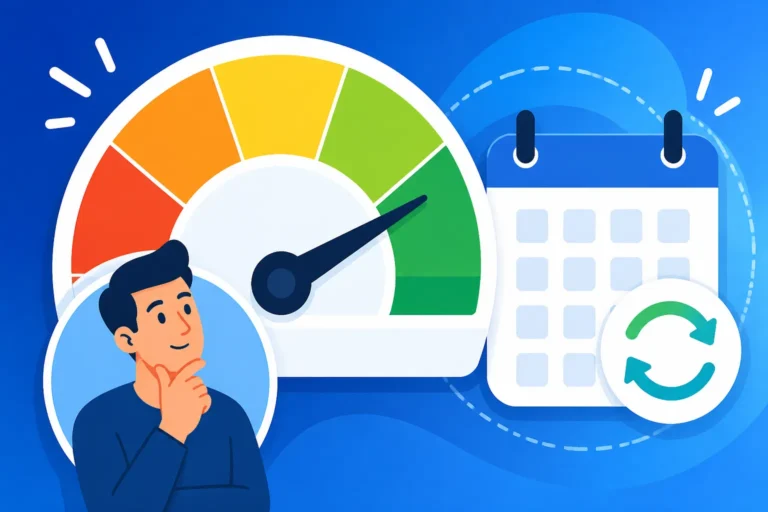
Credit score updates depend on reporting schedules used by Experian, Equifax, and TransUnion, reflecting your creditors data cycles.

Varying credit scores across different financial apps and websites occur because of distinct scoring models and three major credit bureaus.
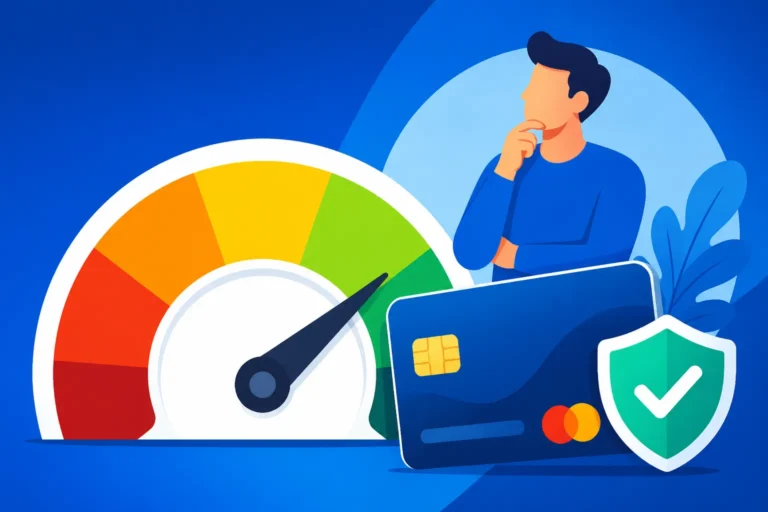
Credit score ranges from Equifax, Experian, and TransUnion data determine credit card approval, interest rates, and limits.

Auto lenders use credit scores and FICO Auto Scores to evaluate financial risk and determine loan approval and interest rates.