What Does 0% Credit Utilization Do to Your Score?
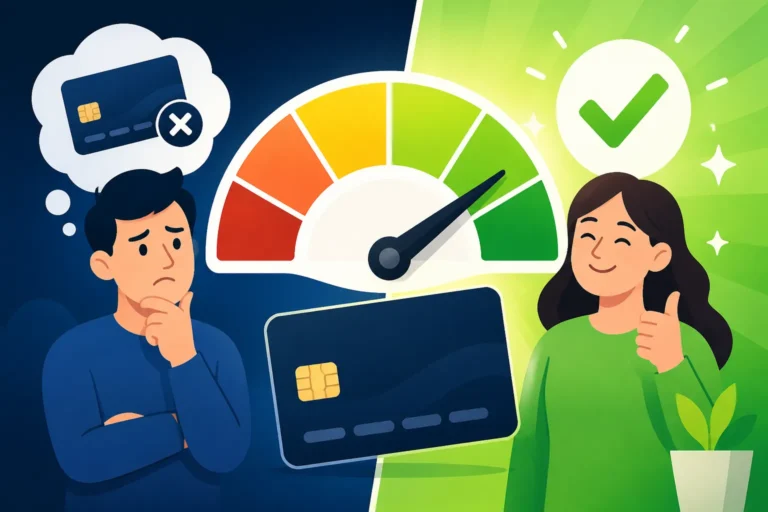
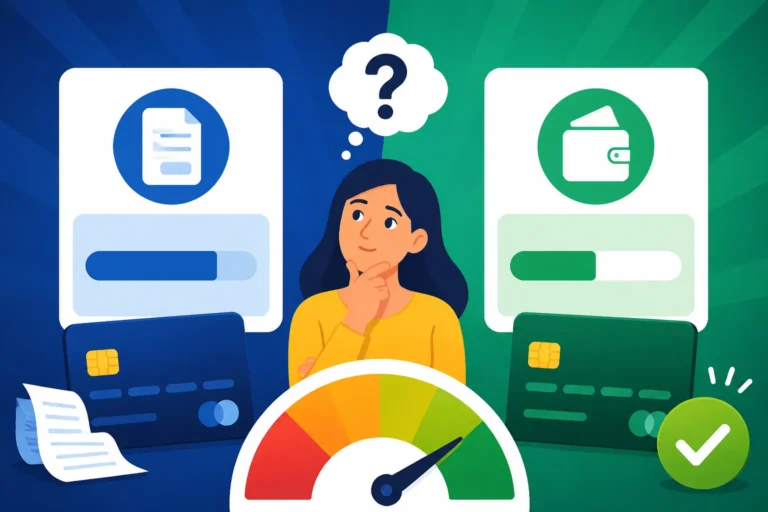
It’s a common question, one that pops up in online forums and at dinner tables: "If I pay off all my credit cards and have absolutely no balance, will my credit score be perfect?" Many people strive for that elusive 0% credit utilization, thinking it's the ultimate goal for a stellar credit score. However, the reality is a little more nuanced, and sometimes, a completely zero balance across all your cards might not give you the boost you expect, or in some cases, might even work against you. This guide will dive deep into what 0% credit utilization truly means for your credit score and how to optimize this crucial factor.
Understanding Credit Utilization in a Nutshell
Before we explore the impact of 0% utilization, let’s make sure we're all on the same page about what credit utilization actually is and why it holds such sway over your credit score. It's one of the biggest pieces of the credit score puzzle, and understanding it is key to mastering your financial health.
What is Credit Utilization Anyway?
Simply put, your credit utilization ratio is the amount of revolving credit you're currently using compared to the total amount of revolving credit you have available. Think of it like this: if you have a credit card with a $10,000 limit and you've spent $1,000 on it, your utilization for that card is 10%. If you have multiple cards, the credit bureaus also look at your overall utilization across all your accounts. This ratio is a snapshot of how much of your available credit you're actually tapping into. Lenders see it as a strong indicator of your financial behavior. Someone who is maxing out their cards might appear to be in financial distress or over-reliant on credit, which signals a higher risk. Conversely, someone who uses very little of their available credit looks responsible and less risky. This is why you often hear the advice to keep your utilization low – typically below 30% – to positively influence your score. It’s about demonstrating that you can manage credit without needing to use all of it.
How It's Calculated and Reported
The calculation itself is straightforward: your total current balances divided by your total credit limits, multiplied by 100 to get a percentage. For example, if you have three credit cards with limits of $5,000, $3,000, and $2,000 (totaling $10,000 in available credit), and your current balances are $500, $300, and $0 respectively (totaling $800 in balances), your overall utilization is $800/$10,000 = 8%. It's not just the overall ratio that matters; some scoring models also consider the utilization on individual cards. So, having one card maxed out while others are at zero might still hurt your score, even if your overall ratio looks okay.
Credit utilization is reported to the credit bureaus (Equifax, Experian, and TransUnion) by your creditors, typically once a month, usually on or around your statement closing date. This timing is crucial. If you pay off your card completely after the statement closes but before the due date, the balance reported to the bureaus will be whatever was on your statement. This is why strategic payment timing is so important for optimizing this aspect of your score. You can learn more about this in our guide on when a credit card reports to the bureaus. Knowing this schedule allows you to plan your payments to ensure the lowest possible balance is reported, which can have a direct and positive impact on your credit score.
The Myth and Reality of 0% Credit Utilization
While striving for low credit utilization is undoubtedly good advice, aiming for a consistent 0% across all your revolving accounts can sometimes be a double-edged sword. It might seem like the ultimate sign of financial responsibility, but credit scoring models are more complex than simply "lower is always better."
The "Perfect" Score Fallacy
Many people believe that maintaining a 0% credit utilization ratio on all their cards is the absolute best way to achieve or maintain a perfect credit score. The logic seems sound: if you're not using any credit, you're not a risk, right? While it's true that high utilization is a significant negative factor, a completely zero balance across all your cards for an extended period can be interpreted differently by some credit scoring models. FICO, for instance, which is the most widely used scoring model by lenders, likes to see some activity on your accounts. They want to know you can responsibly manage credit, and if you have no balance at all on any card, it provides less data for them to score your active credit management. It's almost like you're not playing the game at all, so they can't accurately assess your skills. This doesn't mean it will drastically lower your score, but it might prevent it from reaching its absolute peak. Think of it less as a penalty and more as a missed opportunity to demonstrate consistent, responsible usage.
When 0% Can Actually Be Detrimental
This brings us to the more surprising aspect: in certain situations, a blanket 0% utilization can actually nudge your score down a few points or prevent it from climbing higher. This usually happens because some FICO scoring models look for signs of "no recent revolving credit activity." If all your credit cards consistently report a $0 balance month after month, the scoring model has no recent data to assess your active management of revolving credit. It might interpret this as you not needing credit, or worse, that your accounts are dormant.
Lenders want to see that you can handle credit responsibly, and that involves actually using it and paying it off. If you're using a tool like Credit Strong to build your credit, for example, it's designed to show active usage and on-time payments, which is exactly what lenders want to see. A consistent stream of data showing you make payments on time and keep your balances low (but not necessarily zero) provides a clearer picture of your creditworthiness. When all accounts show $0, there's less positive activity to report, which can subtly cap your score's potential. This is often referred to as the "no recent revolving credit activity" flag, and while it might not cause a huge drop, it's enough to keep you from the very top tier of credit scores.
The "Sweet Spot" for Credit Utilization
So, if 0% isn't always the magic number, what is? The credit landscape constantly evolves, but financial experts generally agree there's a "sweet spot" for credit utilization that optimizes your score without incurring unnecessary interest.
Why the 1-10% Range is Often Recommended
For most credit scoring models, including the widely used FICO scores, the ideal credit utilization ratio tends to fall somewhere between 1% and 10% on your revolving accounts. This range signals to lenders that you are actively using your credit but doing so very responsibly. You're demonstrating that you don't need to rely heavily on borrowed money, and you have ample available credit that you're not tapping into. It’s a powerful indicator of low risk.
Imagine two individuals: one has $0 reported across all their cards, while the other consistently has a small balance – say, $50 on a card with a $5,000 limit, representing 1% utilization, which they pay in full every month. The second individual is actively demonstrating excellent credit management, showing they can use credit and pay it off. This consistent, low-level usage provides ongoing positive data to the credit bureaus. It shows you're not a "ghost" on the credit landscape but a responsible participant. This consistent positive activity helps solidify a strong payment history, which is the single most important factor in your credit score. It's about finding that balance between showing activity and not over-extending yourself.
Strategies for Maintaining Optimal Utilization
Achieving and maintaining that ideal 1-10% utilization range doesn't have to be complicated, but it does require a bit of strategic thinking. The goal is to ensure that a small, manageable balance is reported to the credit bureaus, even if you pay off your card in full before the due date.
One highly effective strategy is to make multiple payments throughout the billing cycle. Instead of waiting for your statement to close and paying the full amount, you can pay down most of your balance before the statement closing date, leaving a small amount, perhaps 1-5% of your total limit, to be reported. Then, pay that small remaining balance in full by the due date. This way, the bureaus see a low utilization, and you still avoid interest charges. For example, if your credit limit is $5,000 and you spend $1,000, you could pay $950 before the statement date, leaving $50 (1%) to be reported. Then, pay that $50 before the due date.
Another powerful tactic is to periodically request a credit limit increase. If approved, this immediately boosts your available credit without necessarily increasing your spending, thus lowering your utilization ratio. For instance, if you have a $5,000 limit and a $500 balance (10% utilization), getting a limit increase to $10,000 means that same $500 balance now only represents 5% utilization. This can significantly improve your score. Just be mindful that a credit limit increase might involve a hard inquiry, which can temporarily ding your score a few points. However, the long-term benefits of lower utilization usually outweigh this temporary dip, especially if you maintain responsible spending habits. Remember that keeping your credit utilization low is a marathon, not a sprint, and consistency is paramount.
Practical Scenarios and Their Impact
Understanding credit utilization is one thing, but seeing how it plays out in various real-world scenarios can truly cement the knowledge. The impact of 0% utilization isn't always uniform; it can depend on how many cards you have and the specific scoring model being used.
Using a Single Card vs. Multiple Cards at 0%
Let's consider two common scenarios. If you only have one credit card and consistently keep its balance at 0%, this could be where the "no recent revolving credit activity" flag is most likely to appear. For instance, if Jane only has a single credit card with a $5,000 limit and never uses it, or always pays it down to $0 before the statement date, her credit file might look a bit sparse in terms of active credit management. While her payment history might be stellar, the credit scoring models have less data to evaluate her current ability to manage revolving credit. This can prevent her from achieving the highest possible credit score, as there's no ongoing positive utilization to report.
Now, contrast this with someone like John, who has three credit cards. He pays two of them down to $0 each month but intentionally leaves a small, manageable balance (say, 1-3% of the limit) on the third card, which he then pays in full by the due date. In this case, John is showing responsible utilization on at least one account, providing that crucial "active revolving credit" data to the bureaus. This approach often yields better results for his overall score than if all three cards reported $0 balances. It’s about creating a balanced picture where you're not over-leveraged but you're also not completely inactive. This strategy allows John to demonstrate both his ability to pay off debt and his prudent use of available credit, which is a powerful combination for credit scoring.
The Impact on Different Credit Score Models (FICO vs. VantageScore)
It’s important to remember that not all credit scoring models are created equal, and their interpretation of 0% credit utilization can differ. The two most common types are FICO Score and VantageScore.
FICO Scores, which are used in over 90% of lending decisions, are generally the ones that tend to flag "no recent revolving credit activity" if all your cards report $0. While it's not a severe penalty, it can mean you're missing out on a few potential points that could push your score into an even higher tier. FICO prioritizes seeing consistent, responsible use of credit. Therefore, having that small, reported balance (the 1-10% sweet spot) often fares better. Companies like Credit Strong, for instance, are designed around FICO’s principles, reporting consistent payment history and utilization to help build your score effectively.
VantageScore models, on the other hand, might be a little more forgiving of 0% utilization. They still value low utilization, and a 0% ratio on all cards might not be as detrimental to your VantageScore as it could be to your FICO Score. However, even with VantageScore, showing some minimal activity is generally preferred over complete inactivity. The exact impact can also vary slightly between different versions of FICO and VantageScore models, as they are periodically updated and tweaked. This is why many financial experts advise monitoring your credit scores from various sources, and understanding that while free scores from services like Credit Karma (which often show VantageScores) are helpful, the FICO scores used by lenders for mortgages, car loans, and major credit cards are often the ones to focus on for optimizing credit behavior. To truly understand how different models interpret your financial habits, it’s worth diving into how credit scores work: the complete guide.
Optimizing Your Credit Utilization Strategy
Now that we understand the nuances, let's talk about how to strategically manage your credit utilization to maximize your score. It’s less about rigidly adhering to a single rule and more about smart, consistent habits.
Balancing Usage with Payments
The core of an optimal credit utilization strategy lies in a careful dance between using your credit cards and making timely payments. The aim is to consistently report a low, but not zero, utilization. As we discussed, the 1-10% range is often considered ideal. This means you should absolutely use your credit cards, especially if they offer rewards or cash back, but always with a plan to pay them down quickly.
A great tactic is to use one or two cards for regular, small expenses that you can easily pay off, like groceries or gas. Then, before your statement closing date, pay the bulk of the balance. For example, if you typically spend $300 on groceries in a month and your card limit is $3,000, you could pay $270 before the statement date, leaving a $30 balance (1% utilization) to be reported. Then, you pay that final $30 before the due date to avoid interest. This demonstrates active usage, consistent payments, and low utilization, all of which are credit score powerhouses. It’s a proactive approach to credit management, allowing you to sculpt the data that gets sent to the credit bureaus in your favor. This method also helps you avoid accumulating debt and ensures you're always in control of your spending.
Leveraging Credit Limit Increases for Better Ratios
One of the easiest ways to improve your credit utilization ratio without changing your spending habits is to increase your total available credit. This is where requesting a credit limit increase comes into play. If your credit limit doubles but your spending stays the same, your utilization ratio automatically halves.
For example, if you have a card with a $2,000 limit and a $400 balance, your utilization is 20%. If you get an increase to a $4,000 limit, that same $400 balance now represents only 10% utilization. This can give your score a healthy boost. You can often request limit increases online through your credit card issuer's portal, or by calling their customer service. Some issuers, like Capital One or Chase, may even offer automatic increases periodically if you have a good payment history. However, be mindful that requesting an increase might sometimes trigger a "hard inquiry" on your credit report, which can cause a small, temporary dip in your score for a few months. It's usually a trade-off that pays off in the long run for better utilization, but it’s something to consider, especially if you plan to apply for other significant credit in the near future. Understanding does a credit limit increase hurt your score is vital for this strategy.
What If You Have Old, Unused Cards?
It’s a common dilemma: you have an old credit card that you’ve paid off and simply don't use anymore. Should you close it to clean up your credit file, or keep it open with a 0% balance? This decision can have a surprisingly significant impact on your credit score.
The Dangers of Closing Old Accounts
While it might seem intuitive to close an old, unused credit card to simplify your finances, doing so can inadvertently harm your credit score. When you close an account, two major factors that influence your score can take a hit: your length of credit history and your overall credit utilization.
Firstly, your length of credit history, also known as average age of accounts, is a key component of your FICO score (around 15%). Older accounts demonstrate a longer track record of responsible credit use, which lenders appreciate. If you close your oldest credit card, it can reduce the average age of all your open accounts, especially if you have newer cards. This can make your credit history appear shorter and less established to lenders. Secondly, closing an account immediately reduces your total available credit. Even if you don't carry a balance on the card you're closing, that credit limit was still contributing to your overall available credit. If your total available credit decreases, but your outstanding balances remain the same, your credit utilization ratio will automatically go up. For instance, if you have three cards with $10,000 total available credit and $1,000 in balances (10% utilization), and you close a card with a $3,000 limit, your total available credit drops to $7,000. Now, that same $1,000 balance pushes your utilization to over 14%, potentially causing your score to drop. It's generally better to keep old, paid-off accounts open, even if you just use them once or twice a year for a small purchase that you immediately pay off. This keeps the account active and contributing positively to your credit history and utilization. Many people wonder, does closing a credit card hurt your score? The answer is often yes, due to these factors.
Strategically Using Dormant Accounts
Instead of closing old, unused credit cards, a more strategic approach is to keep them open and occasionally use them to maintain activity while ensuring a healthy credit utilization. This allows you to benefit from the long credit history they provide and keep your overall available credit high.
A simple way to do this is to put a small, recurring charge on one or two of these dormant cards – perhaps a streaming service subscription for $10 a month, or a utility bill that you can easily pay off. Just remember to set up autopay from your bank account to ensure you never miss a payment and incur interest or late fees. This provides that minimal, consistent "active revolving credit" data to the credit bureaus without requiring you to actively manage multiple transactions. It ensures the card issuer continues to report positive payment history and available credit to the bureaus, bolstering your credit file. This is also where understanding your statement date versus your due date becomes incredibly important. By paying off that small charge before the statement date, you can ensure a 0% balance is reported, or a minimal 1% if you leave a tiny amount. This tactic allows you to enjoy the benefits of a long credit history and high available credit, which are crucial components of a strong credit score, without actually carrying a balance or paying interest. For more in-depth knowledge, consider reading our comprehensive guide on how credit utilization works.
Summary Table: Credit Utilization and Your Score
Here's a quick overview of how different credit utilization percentages generally impact your credit score. Keep in mind these are general guidelines, and individual scores can vary based on other factors like payment history and length of credit history.
| Credit Utilization Range | General Impact on Credit Score | Lender Perception | Action to Take |
|---|---|---|---|
| 0% | Good, but not optimal | Very low risk, but "no recent revolving credit activity" might prevent peak scores. Shows responsible behavior but lacks ongoing usage data for some models. | Consider leaving a small 1-3% balance on one card to report activity, then pay it in full. Keep older accounts open. |
| 1-10% | Excellent | Ideal. Shows active, responsible credit management without over-reliance. Highest potential for a strong credit score. | Maintain this range. Make multiple payments if needed to ensure low balances are reported. Request credit limit increases periodically. |
| 11-29% | Good to Very Good | Still considered responsible. Lenders generally view this favorably, but it's not the absolute best. | Strive to lower it further if possible. Focus on paying down balances before statement dates. |
| 30-49% | Fair to Average | Starting to raise flags. Lenders may see this as a sign of increasing reliance on credit, leading to higher interest rates or lower credit limits on new loans. | Prioritize paying down balances. Focus on the highest interest debt first. Consider a debt consolidation strategy if applicable, or explore tools like Credit Strong to help improve your overall credit profile. |
| 50-70% | Poor | Significant red flag. Indicates potential financial strain or overextension. Likely to result in denial for new credit or very unfavorable terms. | Urgent action needed. Create a strict budget, cut unnecessary spending, and aggressively pay down debt. Explore options for reducing credit card debt fast. Avoid new credit. |
| 71-100%+ | Very Poor / Maxed Out | Major financial distress. Will severely damage your credit score. Lenders will likely view you as a very high risk. | Seek immediate financial counseling. Prioritize paying down balances to get below 30%. Consider options like debt management plans or credit counseling. |
Ultimately, while 0% credit utilization might seem like the golden ticket, the truth is a little more nuanced. Credit scoring models, especially FICO, value seeing responsible activity on your credit accounts. A small, manageable balance (around 1-10% of your credit limit) that you consistently pay off in full each month often provides the best boost to your score. It shows lenders that you can use credit wisely without over-extending yourself. So, don't be afraid to use your cards, just do so strategically, pay them off religiously, and watch your score climb!
Disclaimer
This article is for general informational purposes only and does not constitute professional advice. Laws, prices and regulations vary by location and change over time. Consult a qualified professional for guidance on your specific situation.