Does Letting a Card Go Unused Hurt Your Score?
It’s a common scenario: you opened a credit card years ago, maybe for a specific purchase or a sign-up bonus, and now it just sits in a drawer, untouched. You might wonder if this dormant plastic is quietly sabotaging your financial health. The truth is, the relationship between an unused credit card and your credit score isn't as straightforward as a simple "yes" or "no" answer, and many people worry about it unnecessarily. This guide will thoroughly explain how unused credit cards impact your credit score and offer practical advice on managing them.
The Core Question: Does an Unused Card Hurt Your Score?
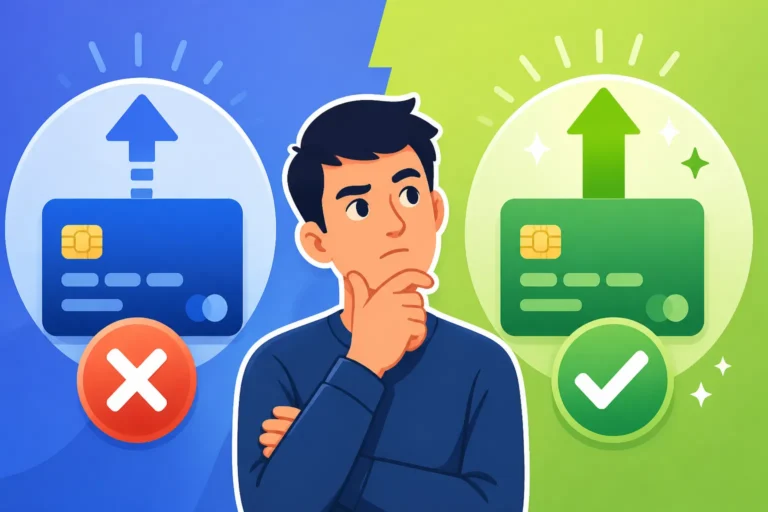
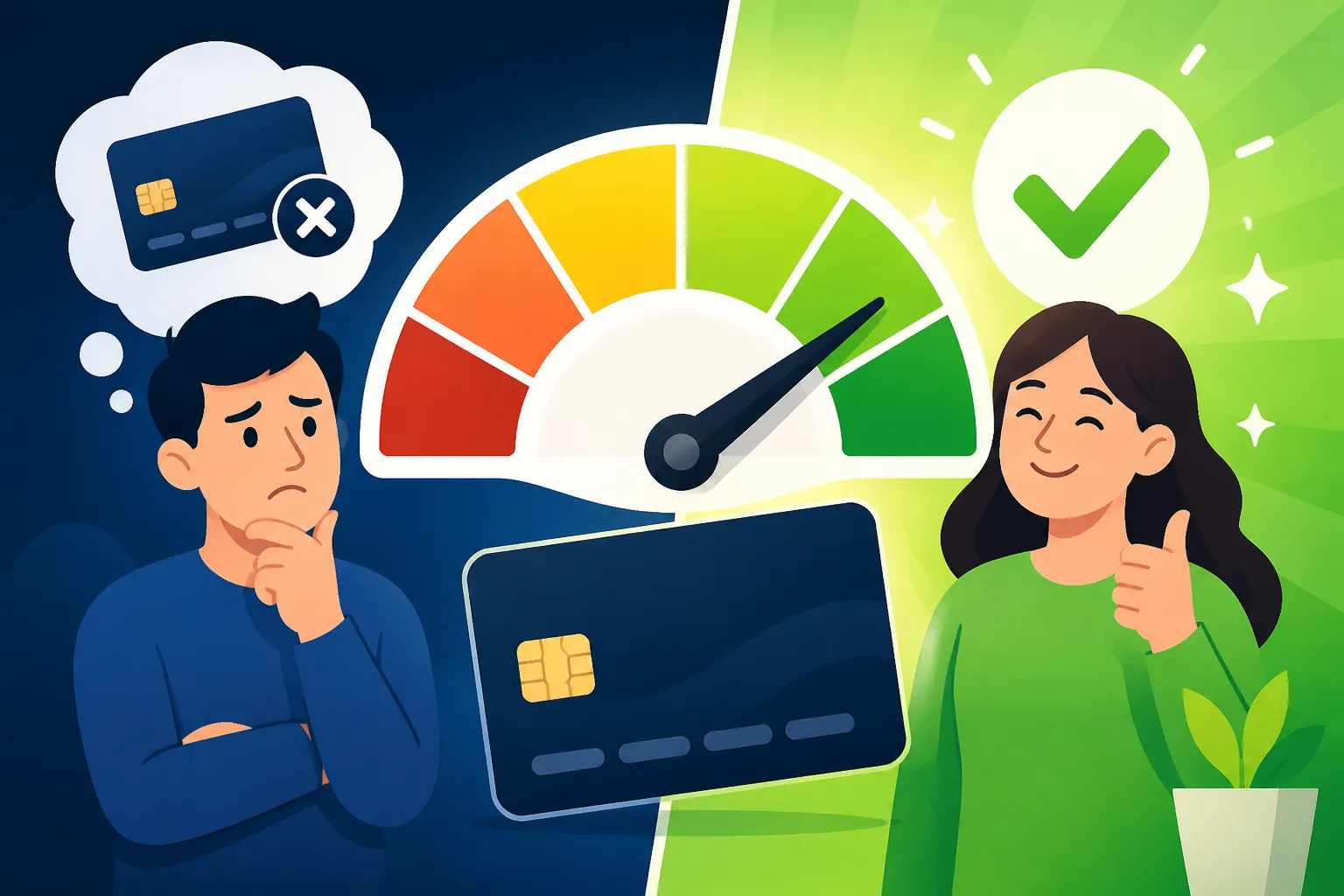
Many people fret that having a credit card they don't use is somehow a negative mark on their credit report. They picture a credit bureau agent squinting at their file, shaking their head at the untouched line of credit. In reality, the mere existence of an open, unused credit card account doesn't directly ding your credit score. Credit scoring models, like FICO and VantageScore, primarily care about how you manage your credit, not whether every single account is active.
The Nuance: It's Not a Direct Hit
Let's get this straight: simply leaving a credit card in your wallet and never swiping it doesn't cause your score to drop because it's "unused." Your payment history is the single most important factor, making up 35% of your FICO score. If you're not using the card, there are no payments to miss, and no late payments to report, which is a good thing! Likewise, if there's no balance, your credit utilization is pristine on that specific card. So, in its simplest form, an unused card is neutral—it's not actively helping by generating positive payment history, but it's not hurting either, as long as it remains open and in good standing.
The Indirect Impacts to Consider
While the unused card itself isn't a direct credit score assassin, its presence (or eventual absence) can have indirect effects. These impacts often stem from how an unused card interacts with other factors that influence your credit score. For example, if that card represents a significant portion of your total available credit, its status, or any change to it, could ripple through your overall credit profile. Understanding these nuances is key to making informed decisions about your dormant credit lines.
How an Unused Card Can Indirectly Affect Your Credit
The real concern with unused credit cards isn't their inactivity, but what that inactivity might eventually lead to. There are a few key areas where an unused card can subtly shift your credit landscape, sometimes without you even realizing it.
Impact on Credit Utilization Ratio
Your credit utilization ratio is a big deal for your credit score, typically accounting for about 30% of your FICO score. It's calculated by dividing your total credit card balances by your total available credit across all your cards. For instance, if you have $10,000 in total credit limits and you carry a $2,000 balance, your utilization is 20%. Lenders generally like to see this ratio below 30%, and ideally, below 10% for the best scores.
Here's where an unused card comes into play:
- Positive Impact While Open: If you have an unused credit card with a high credit limit and a zero balance, it actually boosts your total available credit. This keeps your overall utilization ratio low, even if you carry balances on other cards. Imagine you have two cards: one with a $5,000 limit that you use and carry a $1,500 balance, and another with a $5,000 limit that you never touch. Your total available credit is $10,000, and your utilization is $1,500 / $10,000 = 15%. This looks good.
- Negative Impact if Closed: If that second, unused card with the $5,000 limit is suddenly closed (either by you or the issuer, which we'll discuss next), your total available credit drops to $5,000. Now, with that same $1,500 balance, your utilization jumps to $1,500 / $5,000 = 30%. That's a noticeable increase and could lead to a score drop. This is why experts often advise against closing older accounts, even if they're unused, especially if they have a good credit limit. For a deeper dive, check out our guide on Credit Utilization: The Complete Guide.
Potential for Account Closure by Issuer
Credit card issuers aren't in the business of maintaining accounts that don't generate revenue. If a card remains inactive for an extended period—say, 12 to 24 months, though it varies by issuer—they might decide to close it. This is known as an "issuer-initiated closure," and it's something you want to avoid if possible.
When an issuer closes your account due to inactivity:
- Immediate Credit Limit Reduction: The most direct impact is the immediate loss of that card's credit limit from your overall available credit. As discussed, this can cause your credit utilization ratio to spike, leading to a potential drop in your score.
- Impact on Average Age of Accounts: While a closed account remains on your credit report for up to 10 years (if in good standing), contributing to your credit history length, it stops aging once closed. When it eventually falls off your report, your average age of accounts could decrease, especially if it was one of your oldest cards. The length of your credit history is another important factor in your score.
The Danger of Forgetfulness (Annual Fees, Fraud)
An unused card isn't just a benign piece of plastic. If you forget about it, it can pose risks:
- Annual Fees: Some credit cards come with annual fees. If you're not using the card, paying an annual fee for no benefit is essentially throwing money away. You might forget about the fee, miss a payment, and that would definitely hurt your credit score. Make sure you know if your unused cards carry any such fees.
- Fraud: An unused card sitting in a drawer might seem safe, but its account number could still be compromised in a data breach, or someone could physically steal it. If you're not actively monitoring statements (which you might not be doing for an unused card), fraudulent charges could go unnoticed until they become a major problem, potentially hurting your credit if not resolved quickly. It's why monitoring your credit reports, or at least setting up alerts, is crucial. You can learn more about how to check your credit score for free and monitor your reports.
Strategies for Managing Unused Credit Cards
So, what should you do with that seemingly forgotten card? Don't let it become a source of anxiety. There are several proactive steps you can take to manage unused credit cards effectively, turning them from potential liabilities into neutral or even beneficial parts of your credit profile.
Keep It Open and Use It Lightly
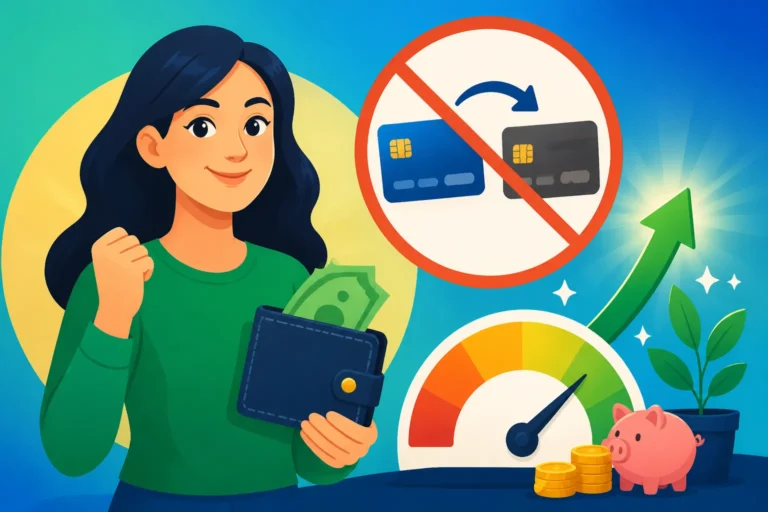
For most people, the best strategy is to keep older, unused credit cards open, especially if they have no annual fee and a decent credit limit. This helps maintain a low credit utilization ratio and a long average age of accounts. The trick is to prevent the issuer from closing it due to inactivity.
Here's how to "use it lightly":
- Small, Recurring Charge: Put a small, recurring bill on the card, like a streaming service subscription (Netflix, Spotify), a gym membership, or a monthly app subscription. Ensure the amount is small, predictable, and that you set up automatic payments from your bank account so you never miss a due date. This keeps the account active and generates positive payment history without requiring much thought.
- Occasional Purchase: Alternatively, use the card for a single, small purchase once every few months – maybe your morning coffee or a tank of gas. Then, immediately pay off the balance in full. This shows activity and ensures the issuer sees it as an active account.
- Monitor Statements: Even with auto-pay, make it a habit to check the statement monthly. This helps catch any unauthorized charges quickly and ensures the payment went through as planned.
Remember, the goal isn't to rack up debt, but to maintain the account's active status and leverage its credit limit for your overall credit health. Keeping cards open, especially old ones, can significantly contribute to Credit Age: How Length of History Affects Your Score.
Consider a Credit Limit Transfer
This strategy isn't always available, and it depends entirely on your credit card issuer, but it's worth exploring. If you have multiple credit cards with the same bank, some allow you to transfer a portion of the credit limit from one card to another.
For example, if you have an old, unused card with a $5,000 limit and a newer card from the same bank that you actively use but has a lower limit, you might be able to move $2,000 from the old card to the new one.
- Benefits: This can boost the limit on your active card, potentially lowering its individual utilization ratio, while still maintaining some credit line on the older card to prevent closure (though you might still need to use it lightly). It helps consolidate your available credit where you need it most.
- Things to Check: Before attempting this, call your issuer to confirm if this is an option for your accounts. Be aware that not all banks offer this, and there might be specific rules or conditions.
The Case for Closing an Unused Card
While keeping cards open is often recommended, there are specific situations where closing an unused card might be the right move. This isn't a decision to take lightly, as Does Closing a Credit Card Hurt Your Score? is a very real concern, but sometimes the benefits outweigh the potential drawbacks.
For example, if the card has a high annual fee that you're no longer getting value from, and the issuer won't waive it or downgrade you to a no-fee product, closing it could save you money. Similarly, if you're trying to simplify your finances and have too many credit cards to manage effectively, cutting ties with a truly redundant one might offer peace of mind. Just be prepared for the potential, albeit often temporary, impact on your credit utilization and average account age.
When to Consider Closing an Account (and When Not To)
Deciding whether to close an unused credit card is a personal choice that involves weighing potential risks against your financial goals. It's not a one-size-fits-all answer, so let's break down the pros and cons.
Benefits of Closing the Card
While often discouraged, closing a credit card can sometimes be beneficial:
- Eliminate Annual Fees: This is arguably the strongest reason. If an unused card charges an annual fee and you're not deriving any benefits (like rewards or perks) that justify the cost, closing it saves you money. For example, if you have an airline co-branded card with a $95 annual fee that you opened for a bonus, but you no longer fly that airline, it makes sense to close it.
- Reduce Temptation: For some, having too much available credit can be a temptation to spend more than they can afford. Closing an unused card can remove that psychological pull and help simplify your financial life.
- Simplify Finances: Managing multiple credit cards, even unused ones, can feel like a chore. Reducing the number of accounts to track can make it easier to stay on top of your budget, statements, and payment due dates. This can be especially true if you are just starting to learn How to Use a Credit Card to Build and Keep Good Credit.
- Prevent Fraud & Identity Theft: Fewer active accounts mean fewer potential targets for hackers or less information to worry about if a company experiences a data breach. While you should monitor all accounts, closing a truly extraneous one can reduce your overall risk surface.
Drawbacks to Be Aware Of
It's crucial to understand the potential negative impacts of closing a credit card:
- Credit Utilization Ratio: As we discussed, closing an account immediately reduces your total available credit. If you have balances on other cards, your utilization ratio will likely increase, which can cause your credit score to drop. This is the most significant and immediate risk.
- Length of Credit History: The older the account, the more it contributes to your average age of accounts. When you close an account, it typically stays on your credit report for up to 10 years (if in good standing), so its positive history continues to factor into your score during that time. However, once it falls off, your average age of accounts could decrease, especially if it was one of your oldest cards. This factor accounts for 15% of your FICO score.
- Credit Mix: Having a diverse mix of credit, such as credit cards, installment loans (like a mortgage or car loan), and personal loans (like those offered by companies such as Credit Strong, which help build credit through responsible payments), can positively influence your score. If the unused card contributes to a good mix, closing it might negatively impact this aspect, though usually, this is a minor factor.
- Reapplication Difficulty: If you decide you need that credit line back in the future, you'll have to reapply, which could result in a hard inquiry and the potential for a lower credit limit or less favorable terms than your old account.
Here’s a quick summary to help you decide:
| Feature/Impact | Keep Unused Card Open | Close Unused Card |
|---|---|---|
| Credit Utilization | Helps keep total available credit high, lowering utilization | Reduces total available credit, potentially increasing utilization and lowering score |
| Length of Credit History | Account continues to age, positively impacting average age | Account stops aging, eventually falling off report and potentially lowering average age |
| Payment History | No activity, so no new positive history, but no missed payments | No activity to report, but no future missed payments |
| Annual Fees | May incur fees if applicable, need to monitor | Eliminates annual fees |
| Fraud Risk | Potential for unnoticed fraud if not monitored | Reduces number of accounts to monitor for fraud |
| Temptation to Spend | Can be a temptation for some, increasing debt risk | Removes temptation, simplifies financial landscape |
| Credit Mix | Contributes to overall credit mix | May slightly reduce credit mix diversity |
| Issuer Closure Risk | Risk of issuer closing due to inactivity (mitigated by light use) | Eliminated, but can impact score |
Ultimately, the best approach is to be intentional. Review your credit cards regularly. If you have an old card with no annual fee and a high limit, a "light use" strategy is generally best to preserve your credit score. If it has a high annual fee you can't justify, or if managing too many cards leads to financial stress, closing it might be the right choice, provided you're prepared for the potential score fluctuations. If you are actively looking to build your credit, even if you close an old card, consider tools like Credit Builder Loans Explained (Self, Kikoff & More) or secured credit cards to maintain positive activity.
Disclaimer
The information provided in this article is for general informational purposes only and does not constitute financial, legal, or professional advice. Always consult with a qualified financial advisor or credit counselor for advice tailored to your specific situation. Credit reporting agencies and scoring models can change, and individual results may vary.