How to Pay Off Credit Card Debt Without a Balance Transfer
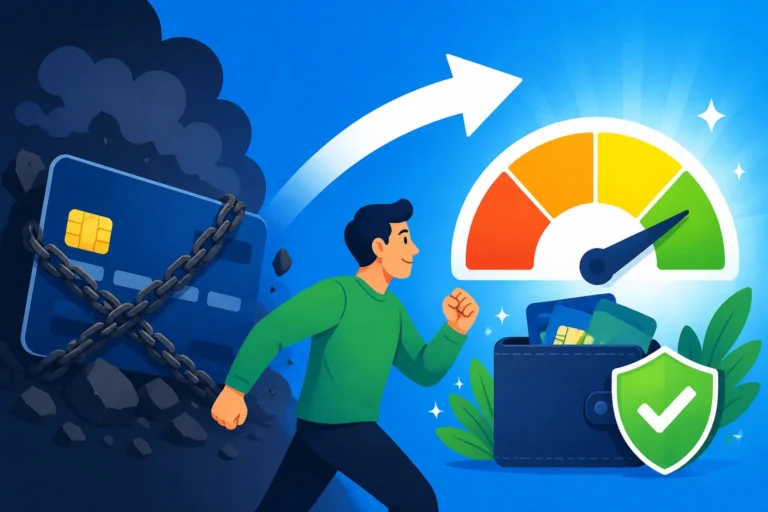
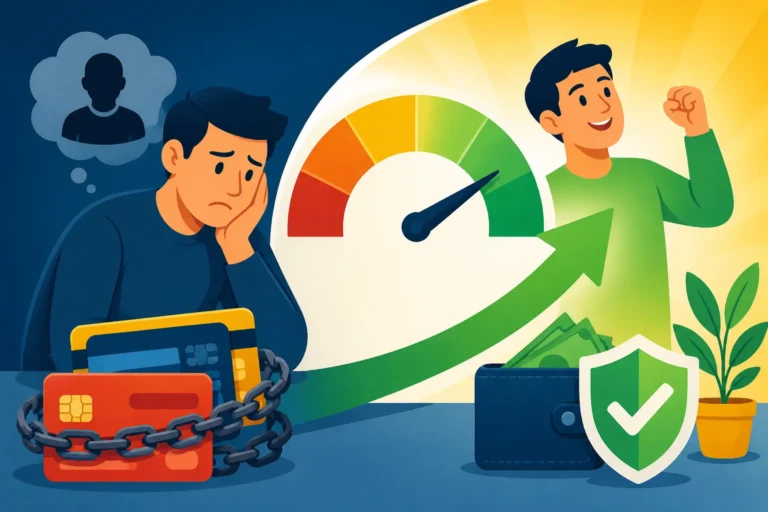
It's a common story, isn't it? You've accumulated credit card debt, and every month it feels like you're just treading water, barely making the minimum payments while interest eats away at your progress. The idea of a balance transfer often pops up as a quick fix, offering that enticing 0% APR for a limited time. But what if a balance transfer isn't an option for you, or what if you simply prefer a different approach? You're not alone, and this guide is here to walk you through effective, hands-on strategies to pay off your credit card debt without ever needing to touch a balance transfer.
Why a Balance Transfer Might Not Be Your First or Only Option
While balance transfers can be a fantastic tool for some, they're certainly not a one-size-fits-all solution. There are very real reasons why they might not be right for you right now, or why you might choose to bypass them entirely. Understanding these factors can help you feel more confident about exploring other paths to debt freedom.
The Specific Barriers to Balance Transfers
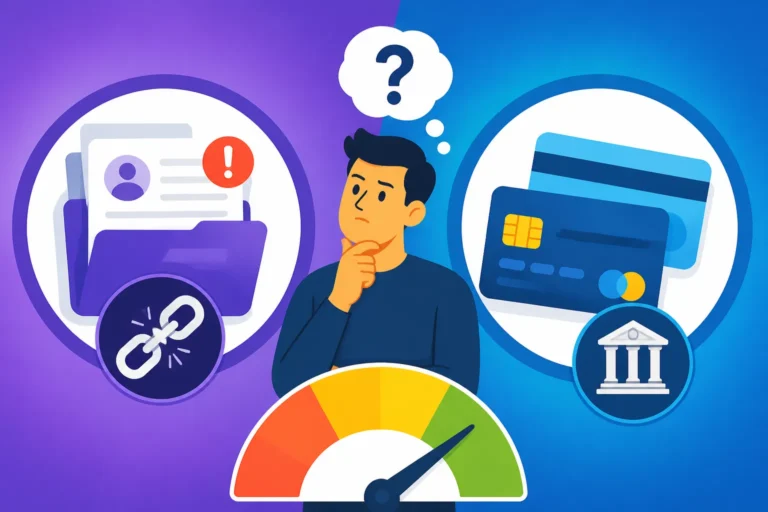
First, let's talk about the practical hurdles. To qualify for those attractive 0% APR balance transfer cards, you generally need pretty good credit. Lenders are taking a risk by offering you interest-free borrowing, so they want to see a solid track record of responsible credit use. If your credit score has taken a hit due to past late payments, high utilization, or other negative marks, you might find yourself denied or only approved for a low credit limit that doesn't cover all your existing debt. It’s a frustrating Catch-22: you need a balance transfer to help your debt, but your debt has already made it harder to get one.
Beyond your credit score, there are often fees involved. Most balance transfer cards charge a fee, typically between 3% and 5% of the amount transferred. While this might seem small, it can add up quickly. For example, transferring $10,000 at a 3% fee means you're immediately adding $300 to your debt before you even start paying it down. This initial cost can be a deterrent, especially if you're already on a tight budget. Plus, there's the psychological aspect: starting a new card with an instant fee can feel like you're already behind the eight ball, even with the promise of future savings.
Understanding the Potential Pitfalls
Even if you qualify for a balance transfer, there are potential traps that can make it less effective than you hope. The primary one is falling back into old habits. Many people transfer their debt, get a breather from high interest, and then slowly start racking up new charges on the now-empty original credit cards. Before they know it, they have debt on both the new transfer card and the old cards, often with the 0% introductory period expiring and high interest rates kicking in on the transferred balance. This just multiplies your problem instead of solving it.
Another pitfall is the strict timeline. That 0% APR is temporary, usually lasting between 12 and 21 months. If you don't pay off the entire transferred balance before the promotional period ends, the remaining amount typically reverts to a much higher standard APR, sometimes even higher than what you were paying before. This can turn your temporary relief into a long-term burden, leaving you in a worse position than when you started. It requires a disciplined, aggressive payoff plan from day one, which not everyone can commit to or sustain. For those reasons, exploring other strategies can sometimes offer a more sustainable and less risky path to becoming debt-free.
Direct Action Strategies to Tackle Credit Card Debt
When balance transfers aren't on the table, it’s time to roll up your sleeves and get proactive. There are powerful, proven methods for directly attacking your credit card debt that don't involve moving it around. These strategies focus on changing your payment habits and financial mindset, giving you a direct path to reducing what you owe.
The Power of Debt Snowball and Debt Avalanche
These two methods are stalwarts in the world of debt repayment, and for good reason. They offer structured approaches to paying off multiple debts, like those credit cards you’re looking to conquer. Both require you to list all your credit card debts, ideally with their current balances and interest rates, and then apply a consistent strategy. You can learn more about these in our detailed guide on Debt Snowball vs Debt Avalanche: Which Is Better?.
The debt snowball method focuses on psychological wins. Here’s how it works: you list your debts from smallest balance to largest, regardless of interest rate. You make minimum payments on all cards except for the one with the smallest balance. On that smallest debt, you throw every extra penny you can find. Once that smallest debt is paid off, you take the money you were paying on it (minimum payment + extra payment) and apply it to the next smallest debt, creating a "snowball" of increasing payments. The satisfaction of quickly eliminating those smaller debts can be incredibly motivating and keep you on track, even if it might cost you a little more in interest over the long run.
The debt avalanche method, on the other hand, is all about mathematical efficiency. With this approach, you list your debts from highest interest rate to lowest, regardless of the balance. You make minimum payments on all cards except for the one with the highest interest rate. You then direct all your extra funds to that high-interest debt. Once it's paid off, you move on to the debt with the next highest interest rate, continuing the process until all your debts are gone. This method saves you the most money in interest charges, which can be a huge motivator for those who are numbers-driven. While it might take longer to see that first debt disappear, the financial savings are undeniable.
Here's a quick comparison to help you decide which might be best for your situation:
| Feature | Debt Snowball Method | Debt Avalanche Method |
|---|---|---|
| Prioritization | Smallest balance first | Highest interest rate first |
| Primary Benefit | Psychological wins, builds momentum | Saves most money on interest |
| Feeling | Quicker initial results, empowering | Slower initial results, financially optimized |
| Best For | Those who need motivation and quick wins | Those who are disciplined and prioritize savings |
| Overall Cost | Potentially higher interest paid | Lowest interest paid |
No matter which method you choose, the key is consistency. Stick with it, even when it feels tough, and remember your goal: a life free from credit card debt. This consistent effort will be one of the most effective ways to eventually pay off your credit card debt fast.
The Art of Negotiating with Your Creditors
Don't underestimate the power of a phone call! You might be surprised at how willing credit card companies are to work with you, especially if you've been a long-time customer or are genuinely struggling. They'd rather get some of their money back than nothing at all. This isn't about ignoring your debt; it's about proactively seeking solutions.
Start by calling the customer service number on the back of your credit card. Explain your situation honestly and calmly. You can ask for a lower interest rate, which is often called a "hardship program" or a "payment arrangement." Sometimes, they'll temporarily reduce your APR, allowing more of your payment to go towards the principal. This can be a game-changer, significantly accelerating your payoff timeline without any transfer fees or new accounts. You might even find that they're willing to waive a late fee or two if you've had a good payment history otherwise.
Another approach, especially if you have an older, charge-off account or a debt that has gone to collections, is to negotiate a settlement. This means offering to pay a portion of the total balance in exchange for the rest being forgiven. This can be a complex process, and it often has implications for your credit score, but it's an option to consider for particularly stubborn debts. However, for active credit card accounts, focusing on interest rate reduction or a more manageable payment plan is usually the first step. You can dive deeper into negotiation tactics in our guide on How to Negotiate With Debt Collectors. Remember, the worst they can say is no, but they might just say yes and give you the breathing room you need.
Crafting a Bulletproof Budget to Free Up Funds
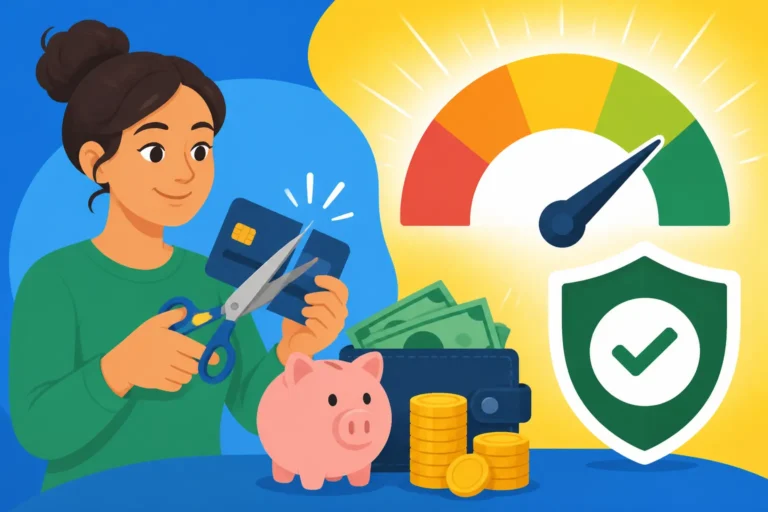
The most direct way to pay off debt without a balance transfer is to simply pay more than the minimum payment each month. But where does that "more" come from? It comes from understanding exactly where your money goes and then intentionally redirecting it. Building a solid budget isn't about deprivation; it's about empowerment and finding the cash flow you need to attack your debt head-on.
Uncovering Hidden Savings in Your Monthly Spending
Creating a realistic budget is the foundation of any successful debt payoff plan. Many people dread budgeting, imagining it as a restrictive exercise, but think of it as detective work. You're simply shining a light on your financial habits to see where your money truly goes. Start by tracking every dollar you spend for a month or two. Use an app, a spreadsheet, or even a simple notebook. This isn't about judging yourself, but gathering data. You might be surprised to find how much you spend on things you don't even remember buying, or how little expenses add up.
Once you have a clear picture, start identifying areas where you can trim. Look at recurring subscriptions you no longer use (that forgotten streaming service, for example). Evaluate your dining out habits – could you cook at home more often? Challenge your impulse purchases. Even small changes, like making your coffee at home instead of buying it daily, can free up significant funds over time. For instance, saving just $5 a day on coffee and lunch adds up to $150 a month – that's $1,800 a year you could be putting towards your credit card debt! These seemingly small adjustments are the bedrock of being able to pay off credit card debt with a tight budget.
Boosting Your Income to Accelerate Repayment
Sometimes, cutting expenses isn't enough, or there's simply nothing left to cut. In those cases, the other side of the equation is increasing your income. This doesn't necessarily mean getting a new full-time job (though that's an option for some). Think creatively about generating extra cash that you can funnel directly into your debt repayment.
Consider picking up a side gig. Are you good at writing, pet-sitting, driving for a ride-share service, or delivering food? Platforms like Rover, DoorDash, or Uber Eats offer flexible ways to earn money on your own schedule. You could also look around your home for items you no longer need. Selling clothes on Poshmark, electronics on eBay, or furniture on Facebook Marketplace can provide a quick influx of cash. Every dollar earned this way, especially if you earmark it solely for debt, makes a direct impact. Even if it's just a few hundred dollars a month, that extra income can significantly shorten your debt payoff timeline. The faster you can pay down your credit card balances, the better your credit utilization will look, which is a major factor in your credit score.
Exploring Other Consolidation and Support Avenues
If direct repayment strategies feel overwhelming, or if you're looking for a slightly different structure than a balance transfer, there are other financial tools and support systems available. These options can provide a clear path forward, helping you manage your debt without simply shuffling it between credit cards.
Personal Loans as an Alternative to Balance Transfers
A personal loan for debt consolidation is often compared to a balance transfer, but it's a distinct option that can be very helpful. Instead of moving your debt to another credit card, you take out a single, unsecured loan from a bank, credit union, or online lender. The funds from this loan are then used to pay off your credit cards completely. The major benefit here is that you're left with one fixed monthly payment at a (hopefully) lower interest rate than your credit cards. This predictability makes budgeting much easier and ensures that you're making steady progress towards becoming debt-free.
To qualify for a personal loan with a favorable interest rate, you'll generally need good to excellent credit. However, some lenders specialize in loans for those with fair or even less-than-perfect credit, though the interest rates will be higher. Always compare offers from multiple lenders, such as LightStream or Marcus by Goldman Sachs, and be wary of predatory rates. While a personal loan is a consolidation tool, it's different from a balance transfer because it completely replaces your credit card debt with a new loan structure, rather than just moving the existing credit card debt to a new card. It's a fundamental shift in the type of debt you hold. For those who are also looking to establish or rebuild positive credit history, especially if other credit products are hard to come by, exploring options like credit builder loans can be helpful. While not a debt consolidation loan, a product from a company like Credit Strong, for example, could help diversify your credit mix by adding an installment loan to your report, which can be beneficial in the long run.
Debt Management Plans Through Credit Counseling
If you have significant credit card debt, are struggling to make payments, and find yourself overwhelmed, a Debt Management Plan (DMP) through a non-profit credit counseling agency might be a powerful solution. This is not a loan, nor is it a balance transfer. Instead, a certified credit counselor works with you to create a single, affordable monthly payment that goes towards all your enrolled debts. The agency then disburses these funds to your creditors.
The magic of a DMP lies in the agency's ability to negotiate with your creditors on your behalf. They often can secure lower interest rates, waive fees, and stop collection calls. Most DMPs aim to have you debt-free in three to five years. While enrolling in a DMP can sometimes have a temporary, minor impact on your credit score, the long-term benefit of becoming debt-free often outweighs this. It’s a structured, supported approach that helps you address your debt systematically. Look for agencies approved by the National Foundation for Credit Counseling (NFCC) or the Financial Counseling Association of America (FCAA) to ensure you're working with a reputable organization. This approach is a comprehensive way to help you get out of credit card debt (step-by-step). Additionally, maintaining responsible financial habits, possibly even utilizing tools like a Credit Strong credit builder account in parallel once your budget allows, can strengthen your credit profile during and after a DMP, showing creditors you are committed to financial health.
Disclaimer
The information provided in this article is for general informational purposes only and does not constitute financial, legal, or professional advice. Always consult with a qualified financial advisor, credit counselor, or legal professional before making any financial decisions. While we strive to provide accurate and up-to-date information, financial situations and regulations can vary and change over time.