What Does 10% Credit Utilization Do to Your Score?
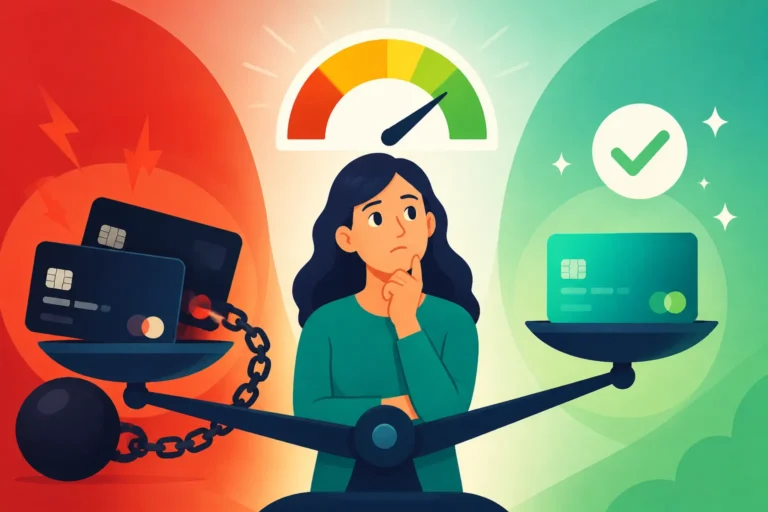
It's incredibly frustrating when you're trying to do everything right with your credit, but the rules feel like a secret code. One moment you're told to use your credit cards, the next you're warned not to use them too much. This balancing act often leaves people wondering exactly what percentage of their available credit they should be using. This guide is here to demystify credit utilization, especially that often-recommended 10% sweet spot, and explain exactly what it means for your credit score and financial future.
Understanding Credit Utilization in a Nutshell
Credit utilization is one of those credit score factors that can feel a bit abstract, but it has a huge impact on your financial standing. It's not just about paying your bills on time; it's also about how you manage the credit you've been extended. Many people focus solely on payment history, only to find their score isn't improving as quickly as they'd hoped, and often, high utilization is the culprit.
What Exactly is Credit Utilization?
At its core, credit utilization is a ratio that compares the amount of credit you're currently using to the total amount of credit you have available. Think of it like this: if you have a credit card with a $1,000 limit and you've spent $100 on it, your utilization for that card is 10% ($100 / $1,000). This ratio is usually calculated for each individual credit card you hold, and then an overall utilization ratio is calculated across all your credit accounts.
Credit bureaus like Equifax, Experian, and TransUnion receive updates from your creditors, typically once a month, detailing your current balance and credit limit. They then use this information to calculate your utilization. It's a snapshot of your current credit usage, and it's a significant indicator of how reliant you are on borrowed money. Lenders see high utilization as a red flag, suggesting you might be overextended or struggling financially, even if you make all your payments on time.
Why Credit Utilization Matters So Much
Credit utilization is a giant piece of the credit score pie, typically accounting for about 30% of your FICO score. That's a massive chunk, second only to your payment history (which makes up 35%). Because it weighs so heavily, even a slight change in your utilization can send your score soaring or plummeting. For instance, maxing out a credit card, even temporarily, can cause a significant drop in your score because it signals to lenders that you're using a large portion of your available credit.
Lenders want to see that you can manage credit responsibly without needing to use all of it. A low utilization ratio suggests you're not overly dependent on credit, you have plenty of breathing room, and you're a lower risk borrower. This is why understanding and actively managing this ratio is absolutely critical for anyone looking to maintain or improve their credit score. If you're wondering how to raise your credit score, getting your utilization in check is often one of the first and most impactful steps you can take.
The Sweet Spot: Why 10% Utilization is Often Praised
When you delve into the world of credit scores, you'll hear a lot of different numbers thrown around regarding utilization. Some experts say "keep it below 30%," others preach "under 20%." But consistently, you'll find that 10% utilization is frequently cited as the optimal target, the true sweet spot for maximizing your credit score. There's a good reason for this specific recommendation, and it goes beyond just being "low."
How 10% Utilization Positively Impacts Your Score
Achieving and maintaining a credit utilization ratio of around 10% sends a powerful message to credit scoring models like FICO and VantageScore: you are a highly responsible and low-risk borrower. This isn't just about showing restraint; it's about demonstrating intelligent credit management. When your utilization is at 10%, it indicates several positive things:
- Financial Discipline: You have access to credit but aren't relying on it heavily for everyday expenses. You're using it as a tool, not a crutch.
- Capacity to Borrow: Lenders see that you have ample available credit, which means you're less likely to need to borrow more in an emergency and are therefore less risky.
- Active Account Usage: Unlike 0% utilization (which we'll discuss next), 10% shows you are actively using your credit accounts, preventing them from looking dormant. Lenders like to see activity coupled with responsible management.
For someone working to improve their credit, consistently reporting a 10% utilization can lead to steady score increases. It effectively tells the credit bureaus that you're capable of handling debt, making timely payments, and managing your financial resources well. This positive signal translates directly into a higher credit score, opening doors to better interest rates on loans and more attractive credit card offers.
The Difference Between 0% and 10% Utilization
You might naturally think that using no credit at all, a 0% utilization ratio, would be the absolute best for your score. After all, isn't zero debt the goal? While paying off your balance in full every month is always the smartest financial move to avoid interest, a 0% reported utilization isn't always the top performer for your credit score.
Here's why: A perfectly 0% utilization can sometimes make it look like you're not using credit at all, which doesn't give the scoring models much data on your ability to manage revolving credit. They want to see that you can use credit and handle it responsibly. A small, consistent balance (like 1% to 10%) that you pay off regularly shows active, responsible usage. It proves you're borrowing, but keeping it well within your means.
Think of it like this: if you have a credit card and never use it, it's hard for lenders to assess your creditworthiness based on that account. By using a small portion and paying it off, you're consistently proving you're a good borrower. For those just starting their credit journey or rebuilding it, even a small, responsibly managed credit line, perhaps secured, can help you establish this positive pattern. Products designed to help you build credit from scratch, like a Credit Strong credit builder account, often encourage this type of low, consistent usage to establish a strong payment history and healthy utilization habits.
Strategies to Maintain 10% Credit Utilization
It's one thing to know that 10% credit utilization is ideal; it's another to consistently achieve and maintain it. Life happens, and sometimes unexpected expenses pop up, making it challenging to keep those balances low. However, with a few strategic approaches, you can significantly improve your chances of staying in that golden range. This isn't just about cutting spending; it's about smart financial maneuvering.
Paying Off Balances Strategically
The most direct way to control your credit utilization is by how and when you pay your bills. Most credit card companies report your balance to the credit bureaus around your statement closing date. If you wait until the due date to pay, the balance reported might be much higher than you'd like, even if you pay it in full.
Consider this: let's say your credit card statement closes on the 15th of the month, and your payment due date is the 10th of the next month. If you typically spend $200 on a card with a $1,000 limit, and you pay that $200 on the 9th, your utilization will be 0% on the 15th. But what if you spend another $100 after the payment, before the 15th? Now, your reported balance is $100, and your utilization is 10%.
The trick is to make payments more frequently, sometimes even before your statement closes. If you know you're approaching your 10% target, or even exceeding it, make an extra payment mid-cycle. This reduces the balance that gets reported to the credit bureaus. Many savvy individuals pay their credit cards multiple times a month to ensure a very low balance is reported, even if their spending is higher throughout the billing cycle. This strategy is also incredibly helpful if you're trying to quickly lower your credit utilization for an upcoming loan application. For more insights on this, you might find our guide on Should You Pay Off Your Card Before the Statement Date? valuable.
Increasing Your Credit Limit Responsibly
Another powerful way to lower your utilization ratio, without necessarily spending less, is to increase your total available credit. If your credit limit goes up while your spending stays the same, your utilization percentage naturally drops.
For example, if you have a $1,000 limit and a $100 balance (10% utilization), and your limit increases to $2,000 with the same $100 balance, your utilization immediately halves to 5%. This can be a great way to improve your score.
However, there's a caveat: asking for a credit limit increase often results in a hard inquiry on your credit report, which can cause a slight, temporary dip in your score. You also need to be disciplined enough not to spend more just because you have more available credit. If a higher limit leads to higher spending, you've defeated the purpose. Only request an increase if you trust yourself to maintain your spending habits. Some card issuers, like Capital One, might automatically increase your limit over time if you demonstrate responsible usage, without you even having to ask. Also, building a diverse credit mix, which can include installment loans like those from Credit Strong, can help demonstrate your overall creditworthiness, making lenders more willing to extend higher limits on revolving credit.
Spreading Out Spending Across Multiple Cards
If you have multiple credit cards, you have an opportunity to manage your utilization more effectively. Instead of putting all your expenses on one card, which might push its individual utilization high, consider spreading your spending across several cards.
Let's say you have three cards, each with a $2,000 limit, for a total available credit of $6,000. If you spend $600 on one card, that card's utilization is 30%, which is generally considered high. However, if you spread that $600 evenly across all three cards ($200 on each), then each card's utilization is only 10% ($200 / $2,000). Your overall utilization remains the same (10%, or $600 / $6,000), but by keeping individual card utilization low, you present a healthier overall credit profile.
This strategy requires careful tracking to ensure you don't overspend or miss payments. Automating payments and using budgeting apps can be a lifesaver here. Remember, payment history is king, so never sacrifice on-time payments for the sake of utilization. For those looking to optimize how much of your credit limit you should use, this multi-card approach can be very effective.
Real-World Scenarios and Practical Tips
Understanding the theory behind 10% credit utilization is a fantastic first step, but applying it in your everyday life can sometimes feel like playing a high-stakes game. Let's look at some practical scenarios and tips to help you keep your credit health in top shape. It's about being realistic and proactive, not just reactive, to your credit report.
When 10% Might Not Be Achievable (or Necessary)
Let's be real: sometimes, hitting that perfect 10% utilization just isn't feasible. Life throws curveballs. Maybe you had an unexpected car repair, a medical emergency, or simply a month where expenses were higher than usual. Don't beat yourself up if your utilization creeps up to 20% or even 30% occasionally. The key is to understand that these situations are temporary and to have a plan to bring it back down.
For instance, if you have a new credit card with a relatively low limit, even a modest amount of spending can push your utilization beyond 10%. In these cases, focus on getting it under 30% overall as a solid secondary goal. As your credit history grows and you demonstrate responsible payment behavior, your credit limits will likely increase, making it easier to maintain a lower utilization percentage naturally. Remember that a higher credit limit always helps your score, as long as you don't spend up to it!
The impact of utilization is also dynamic. If your utilization spikes one month but you pay it down the next, your score will usually recover fairly quickly once the lower balance is reported. The longer a high utilization is reported, the more significant and lasting the impact will be. It's about the consistent trend, not just one isolated month.
Monitoring Your Utilization Regularly
You can't manage what you don't measure. Regularly checking your credit reports and scores is paramount to staying on top of your credit utilization. You have the right to get your free credit report from each of the three major bureaus – Equifax, Experian, and TransUnion – once a year via AnnualCreditReport.com. Make use of this!
Beyond annual checks, many credit card companies and financial services offer free credit score tracking tools. These can give you monthly or even weekly updates, allowing you to see how your utilization is trending and if any accounts are reporting higher balances than you expected. Services like Credit Karma or your bank's own credit monitoring tools can be very helpful for this. While these often show a VantageScore, which differs slightly from FICO, they still provide a good indication of your credit health and highlight changes in your utilization.
If you spot a higher-than-desired utilization on a card, you can take immediate action, like making an extra payment before the next statement closes. Proactive monitoring helps you avoid surprises and keeps you in control of your credit score. Understanding how to read your credit report is also critical to spot any errors or discrepancies that might be impacting your utilization.
Long-Term Benefits of Low Utilization
Maintaining low credit utilization isn't just about getting a good credit score today; it's about setting yourself up for financial success tomorrow. When you consistently keep your utilization in that optimal 10% range, you'll unlock numerous benefits:
- Better Loan Terms: Whether it's a mortgage, car loan, or personal loan, lenders will offer you their best interest rates, saving you thousands of dollars over the life of the loan. A high credit score can mean significantly lower monthly payments.
- Easier Approvals: You'll find it much easier to get approved for new credit cards with desirable rewards programs, higher credit limits, and lower interest rates.
- Lower Insurance Premiums: In many states, insurance companies use credit-based insurance scores to determine your rates for auto and home insurance. A better credit score can mean lower premiums.
- Rental Opportunities: Landlords frequently check credit reports, and a strong score with low utilization can make you a more attractive tenant, especially in competitive rental markets.
- Financial Flexibility: Having a strong credit score means you have more financial options available to you when you need them, providing a crucial safety net.
Embracing responsible credit utilization is a fundamental pillar of sound financial health. It’s a habit that, once established, pays dividends for years to come. If you find yourself in a tight spot, remember that resources like a credit builder loan can help you get back on track by building a positive payment history and expanding your overall credit.
Credit Utilization Impact Table
To give you a clearer picture, here's a general overview of how different credit utilization percentages typically affect your credit score. Remember, these are general guidelines, and individual results can vary based on other factors in your credit report.
| Credit Utilization Percentage | General Score Impact | Lender Perception | Actionable Advice |
|---|---|---|---|
| 0% (No reported balance) | Good/Excellent | You rarely use credit, minimal data. | If always 0%, consider light usage (1-5%) for optimal scoring. |
| 1-10% | Excellent | Highly responsible, low risk. | Maintain this range for best results. |
| 11-29% | Very Good/Good | Responsible usage, manageable. | Aim to reduce to under 10% if possible. |
| 30-49% | Fair/Average | Approaching higher risk, watch carefully. | Actively work to lower this percentage. |
| 50-79% | Poor | High risk, reliance on credit. | Urgent action needed to reduce balances. |
| 80-100%+ | Very Poor | Maxed out, significant financial distress. | Seek immediate strategies to pay down debt, like those in How to Pay Off Credit Card Debt Fast. |
This table illustrates why the 10% mark is so frequently emphasized. It's the sweet spot where you show active, responsible usage without hinting at over-reliance on credit.
Disclaimer
The information provided in this guide is for general educational and informational purposes only, and does not constitute financial or legal advice. Credit scores and reporting are complex, and individual circumstances can vary greatly. We recommend consulting with a qualified financial advisor for personalized advice regarding your specific situation.