How to Pay Off Credit Card Debt With a Low Income
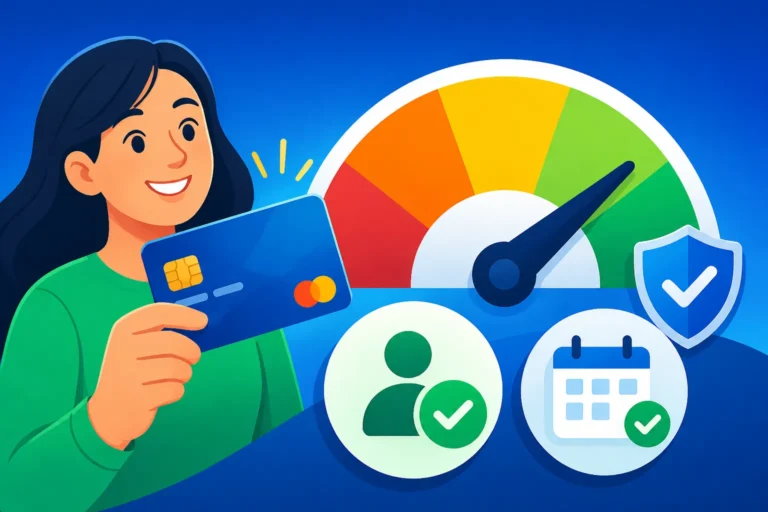
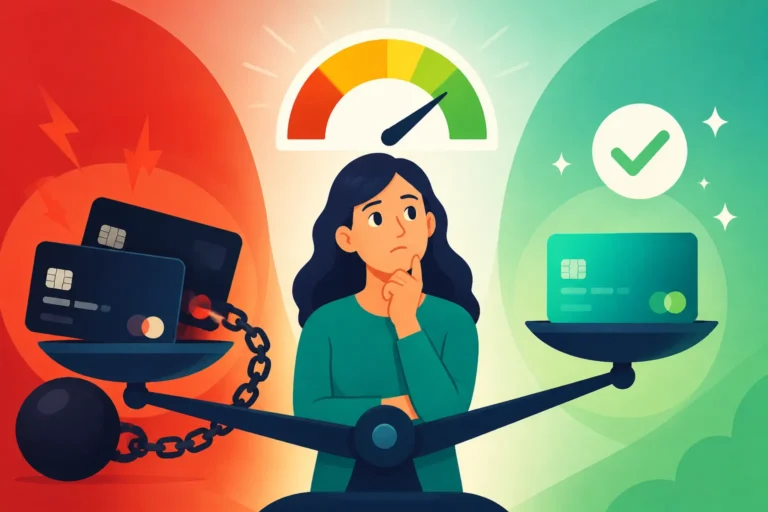
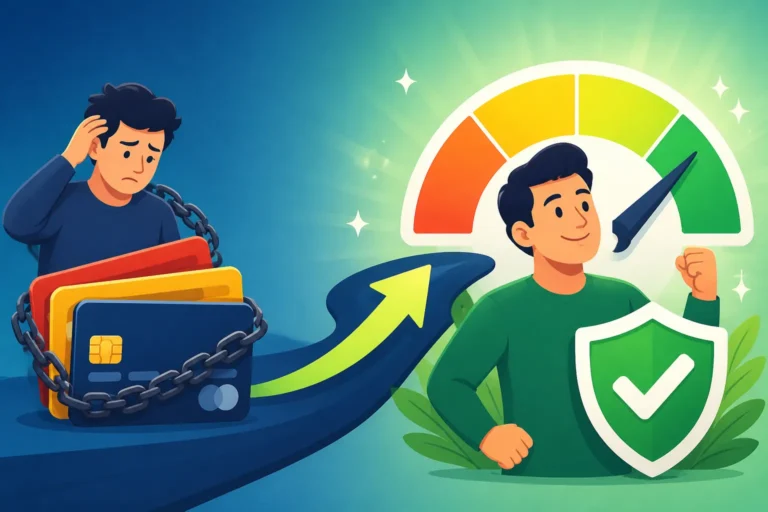
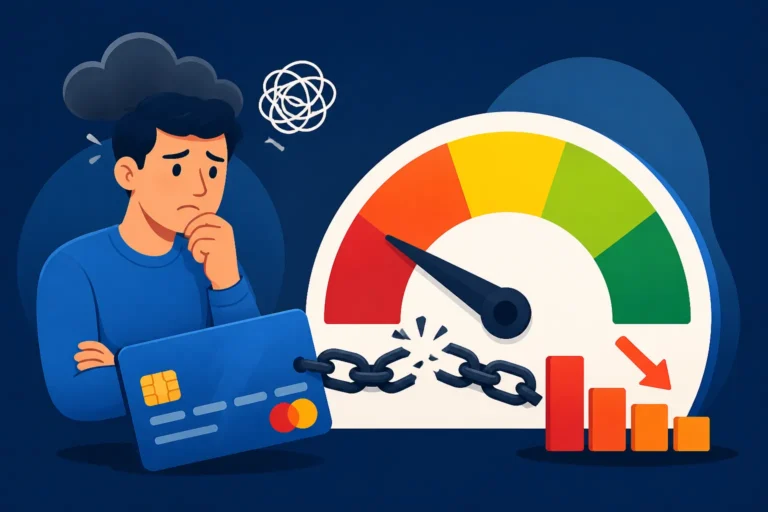
It's incredibly tough when you're trying to make ends meet, and then you look at your credit card statements, and that mountain of debt just feels insurmountable. You're living paycheck to paycheck, and the idea of tackling interest payments on top of everything else can be completely overwhelming and demoralizing. This guide is here to walk you through practical, empathetic strategies for how to pay off credit card debt when you're working with a low income, offering realistic steps to regain control of your finances.
Understanding Your Financial Landscape with Low Income
Before you can even begin to chip away at your debt, you need a crystal-clear picture of your current financial situation. This isn't about judgment; it's about understanding the battlefield you're on so you can plan your winning strategy. It's often the hardest part, looking at the cold, hard numbers, but it's absolutely essential.
Detailed Budgeting The First Step
The very first thing you need to do is create a detailed budget. I know, I know, it sounds boring, and you might think you already know where your money goes. But trust me, writing it all down often reveals hidden leaks. Grab every bank statement, every receipt, and list out every single dollar that comes in and every single dollar that goes out. Separate your expenses into "needs" (rent, utilities, basic groceries, transportation for work) and "wants" (streaming services, dining out, daily coffees, impulse buys). Be brutally honest with yourself here.
Once you have this comprehensive list, you can start identifying areas where you can cut back. Even small reductions add up over time. Maybe it's cancelling that one subscription you rarely use, or committing to bringing lunch from home instead of buying it. These might seem like tiny drops in an ocean of debt, but for someone on a low income, every dollar saved is a dollar that can be directed towards your credit card balances, making a real impact. Remember, the goal isn't to live a miserable existence; it's to free up resources so you can breathe easier in the long run.
Pinpointing Your Debt What You Owe
Next, gather all your credit card statements. You need to know exactly how much you owe on each card, what the interest rate (APR) is, and what the minimum payment is. This is crucial because not all debt is created equal. Some cards might have an APR of 15%, while others could be closer to 25% or even higher. Knowing these details will help you prioritize which debts to attack first. Don't forget to factor in any annual fees some cards might carry, as these just add to your burden.
Create a simple spreadsheet or even just a notebook list with columns for "Creditor," "Current Balance," "Interest Rate (APR)," and "Minimum Payment." This visual representation will help you see the scope of your challenge and where your money is currently going. For many people, just seeing it all laid out like this can be a huge motivator to make changes. This step is also important for understanding your overall Credit Utilization: The Complete Guide, which plays a significant role in your credit score.
Proven Strategies for Debt Reduction on a Tight Budget
Once you know your numbers, it's time to strategize. You might not have a lot of extra cash, but you can be smart about how you use what you do have.
Choosing a Debt Payoff Method
There are two popular methods for paying off debt, and each has its merits, especially for those with limited funds: the debt snowball and the debt avalanche.
The debt snowball method involves paying the minimum on all your debts except for the one with the smallest balance. You throw every extra penny you can find at that smallest debt until it's gone. Once it's paid off, you take the money you were paying on that debt (the minimum payment plus any extra) and apply it to the next smallest debt. This creates a "snowball" effect, gaining momentum and, crucially, providing psychological wins. For someone with a low income, those small victories can be incredibly motivating when the overall goal feels so distant. It helps you stay committed when funds are tight.
The debt avalanche method, on the other hand, prioritizes debts with the highest interest rates first. You pay the minimum on all other debts and direct any extra money toward the debt with the highest APR. Once that's paid off, you move to the next highest interest rate. Mathematically, this method saves you the most money in interest over time. If you can stick with it, even if the progress feels slower initially, it's the most financially efficient path. You can dive deeper into these strategies in our guide on Debt Snowball vs Debt Avalanche: Which Is Better?.
Talking to Your Creditors
Don't underestimate the power of simply talking to your creditors. Many people avoid this out of embarrassment or fear, but creditors would often rather work with you to get some payment than get no payment at all. Explain your situation – your low income, your desire to pay, and your current struggles. You might be surprised by what they offer. They might be willing to lower your interest rate, waive a late fee, or even set up a temporary hardship plan with reduced payments.
When you call, be prepared with your account numbers and your budget. Be polite but firm about your financial constraints. If you don't like the first offer, don't be afraid to ask if there are other options or to speak with a supervisor. This step is a proactive way to potentially ease your burden, and you can find more guidance in our post on How to Negotiate With Debt Collectors. Remember, consistency in communication shows good faith, which can make them more willing to help.
Exploring Debt Assistance Programs
Sometimes, despite your best efforts, you might need professional help. This is where non-profit credit counseling agencies can step in. They can assess your entire financial situation, help you create a realistic budget, and sometimes even negotiate with your creditors on your behalf to set up a Debt Management Plan (DMP). In a DMP, you make one monthly payment to the agency, and they distribute it to your creditors. Often, these agencies can get interest rates reduced, making your payments more manageable and helping you pay off debt faster.
Be cautious, however, and always choose a reputable, non-profit agency accredited by organizations like the National Foundation for Credit Counseling (NFCC) or the Financial Counseling Association of America (FCAA). Avoid any company that promises to instantly erase your debt or charges hefty upfront fees. For some, a DMP can be a lifeline, offering a structured path out of debt when you're feeling completely overwhelmed.
Building a Stronger Financial Future, Even on Low Income
Paying off debt is one piece of the puzzle, but building a solid financial foundation, especially when your income is limited, is just as important.
Finding Ways to Increase Your Income
While you're working diligently on reducing debt, it’s also important to explore ways to increase your income. Even a small increase can make a huge difference when you're on a tight budget. Consider side gigs that fit your skills and schedule – dog walking, babysitting, freelance writing, delivery services, or even selling items you no longer need. Many platforms exist today to connect people with flexible part-time work.
Also, don't overlook government assistance programs if you qualify. Programs like SNAP (food stamps), housing assistance, or energy assistance can free up money in your budget that you can then direct towards your debt payments. It's not about relying on these programs forever, but utilizing them responsibly during a difficult period can provide the breathing room you need to get back on your feet and avoid accumulating more high-interest debt. Every bit of income, no matter how small, adds fuel to your debt-crushing fire.
Establishing an Emergency Safety Net
This might sound counterintuitive when you're trying to pay off debt, but building a small emergency fund is critical, especially for those with low incomes. Life happens – an unexpected car repair, a medical bill, or a sudden reduction in work hours. Without an emergency fund, these unforeseen expenses usually end up on your credit card, plunging you deeper into debt.
Aim for even a small starter emergency fund, say $500 to $1,000, before aggressively tackling high-interest debt. This money acts as a buffer against life's inevitable curveballs. Once you have this small cushion, you can then allocate more aggressively to debt repayment, knowing you have a safety net. Think of it as investing in your future financial stability, preventing new debt from derailing your hard-won progress.
Focusing on Credit Building with Care
Even with low income and existing debt, it’s important to think about your credit score. A healthier score can open doors to better financial products, lower interest rates in the future, and even better rental opportunities. While paying down debt is the primary goal, you might also consider tools designed to help build credit, even with limited funds. Products like secured credit cards or credit-builder loans can be beneficial.
For example, a credit-builder loan from providers like Credit Strong can help you establish a positive payment history without needing a large lump sum upfront. You make small, regular payments into a savings account, and those payments are reported to the credit bureaus. Once the loan is paid off, you get access to the money you've saved. This is a disciplined way to build a payment history, which accounts for 35% of your FICO score. Just be sure any credit-building product fits within your tight budget and doesn't add undue financial strain. You can learn more about these options in our guide, Credit Builder Loans Explained (Self, Kikoff & More).
Sustaining Your Financial Health Long-Term
Getting out of debt on a low income is a marathon, not a sprint. The real challenge is not just paying it off, but staying out of it.
Mastering Ongoing Budgeting and Spending Habits
The budgeting skills you develop while paying off debt aren't just for crisis mode; they're for life. Once your debts are under control, continue to track your income and expenses rigorously. The goal is to develop a strong sense of financial awareness and discipline that prevents you from falling back into the debt trap. Regularly review your spending, celebrate small victories, and adjust your budget as your life circumstances change. This includes understanding the importance of your Credit Utilization: The Complete Guide even after debt is gone, keeping balances low.
Consider automating your savings, even if it's just $10 or $20 a paycheck. Over time, these small, consistent deposits can grow into a substantial savings cushion. The habit of consistent saving, even more than the amount, is what builds long-term financial resilience. This disciplined approach means you're always living within your means and planning for the future, rather than just reacting to immediate financial pressures.
Avoiding the Debt Trap Again
The absolute key to long-term financial stability, especially for those who've struggled with low income and debt, is to avoid accumulating new debt. This means being incredibly mindful of your spending, living below your means, and having that emergency fund in place to handle unexpected costs without resorting to credit cards. Every purchase should be weighed against your budget and your long-term goals.
If you find yourself tempted to use credit again, pause and ask if it's a "need" or a "want." Can you save up for it instead? Can you wait? Cultivating patience and delaying gratification are powerful tools in preventing future debt. This also means being careful about opening new credit accounts. While some new credit could help your How to Build Credit From Scratch (2026 Guide), too much can be a slippery slope. If you do open new credit lines, make sure they align with your overall strategy, such as using a secured card to build credit, and always pay the full balance every month.
Here's a quick comparison of the two main debt payoff strategies:
| Feature | Debt Snowball Method | Debt Avalanche Method |
|---|---|---|
| Primary Focus | Smallest debt balance first | Highest interest rate (APR) first |
| Psychological Impact | High motivation from quick wins | Can be slower to see initial results, requires discipline |
| Financial Savings | May pay more interest overall | Saves the most money on interest |
| Best For | Those needing motivation and quick progress | Those who are disciplined and want to save the most money |
| How it Works | Pay minimums on all but smallest, attack smallest aggressively | Pay minimums on all but highest APR, attack highest aggressively |
Remember, no matter which method you choose, consistency is your most valuable asset. It's about making progress, even if it feels slow, and sticking to your plan.
Disclaimer
This article is for general informational purposes only and does not constitute professional advice. Laws, prices and regulations vary by location and change over time. Consult a qualified professional for guidance on your specific situation.