What Does 1% Credit Utilization Do to Your Score?
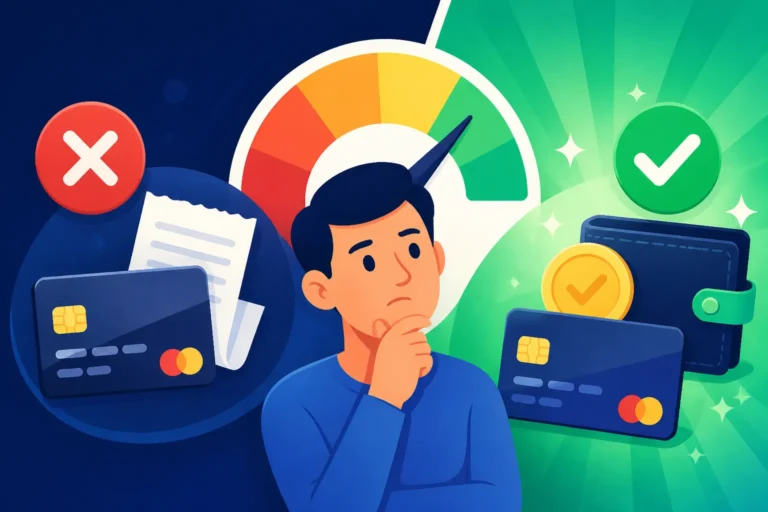
It can feel like navigating a dense fog when trying to understand how every little financial move impacts your credit score. Many people stress about credit card balances, wondering if carrying any debt is a death sentence for their score or if keeping a card completely unused is the secret. This guide will shine a light on one of the most talked-about concepts: how maintaining a 1% credit utilization ratio specifically influences your credit score and why it's often considered a magic number.
Deciphering Credit Utilization and Its Massive Influence
Let's cut to the chase: credit utilization is one of the most critical factors influencing your credit score, second only to your payment history. It's not just a minor detail; it's a huge piece of the puzzle that lenders scrutinize to gauge your financial health and responsibility. Many folks get tangled up worrying about how much they owe overall, but it's really about how much of your available credit you're actually using.
What Credit Utilization Really Means
In the simplest terms, credit utilization is the percentage of your total available credit that you're currently using. Imagine you have a credit card with a $1,000 limit, and your current balance is $100. Your utilization for that card is 10% ($100 / $1,000). If you have multiple cards, the credit bureaus (Equifax, Experian, and TransUnion) look at both your utilization on individual cards and your overall utilization across all your credit lines.
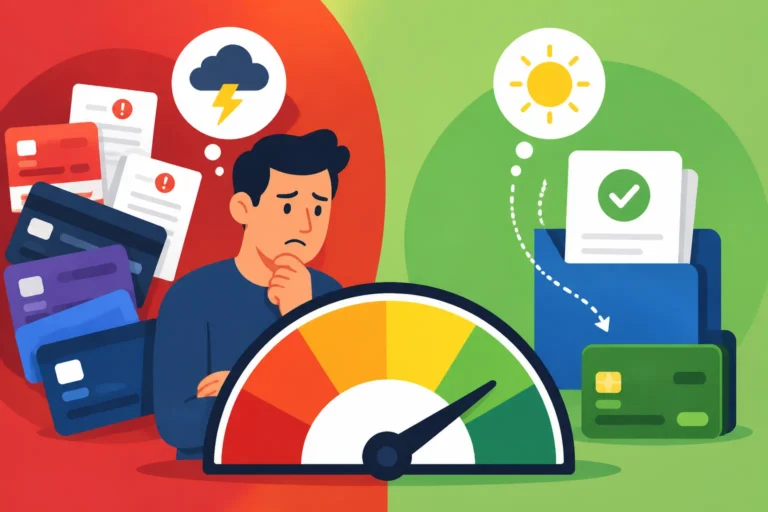
Why does this matter so much? Because it tells potential lenders how reliant you are on borrowed money. Someone constantly maxing out their cards, even if they pay them off, appears riskier than someone who uses a small fraction of their available credit. It signals a potential inability to manage debt or a reliance on credit to make ends meet, which sends up a red flag for future lenders. Understanding how to manage this ratio is key to boosting your credit. For a deeper dive into the mechanics, check out our guide on How Credit Scores Work: The Complete Guide.
The Outsized Role of Low Utilization
So, why is maintaining a low utilization so pivotal? It boils down to risk assessment. Lenders want to see that you're responsible with credit, not desperate for it. When your utilization is low, it suggests you're not stretched thin financially and can handle more debt if needed. Think of it from a lender's perspective: would you rather lend money to someone who has all their credit lines nearly maxed out, or someone who uses only a small portion of their available credit and pays it regularly? The answer is pretty clear.
Credit scoring models, like FICO and VantageScore, heavily weigh this factor. Payment history accounts for about 35% of your score, but credit utilization comes in right behind it at roughly 30%. That's a huge chunk! Keeping your utilization low demonstrates financial discipline and a healthy respect for your credit limits. It shows you have access to credit but don't need to use it all, which makes you a much more attractive borrower in the eyes of lenders. This single factor can easily be the difference between a "good" and "excellent" credit score.
The Magical Impact of 1% Credit Utilization
Now, let's talk about that magical 1% number. It's often cited as the "ideal" utilization, and for good reason. It’s not just about keeping your balances low; there's a nuanced reason why 1% can often outperform 0% for your credit score.
The "Sweet Spot" and How It Works
Achieving a 1% credit utilization means you're using a tiny fraction of your total available credit – essentially, you have a small, reported balance on one or more of your credit cards. For instance, if your total credit limit across all cards is $10,000, having a reported balance of $100 would put you at 1% utilization.
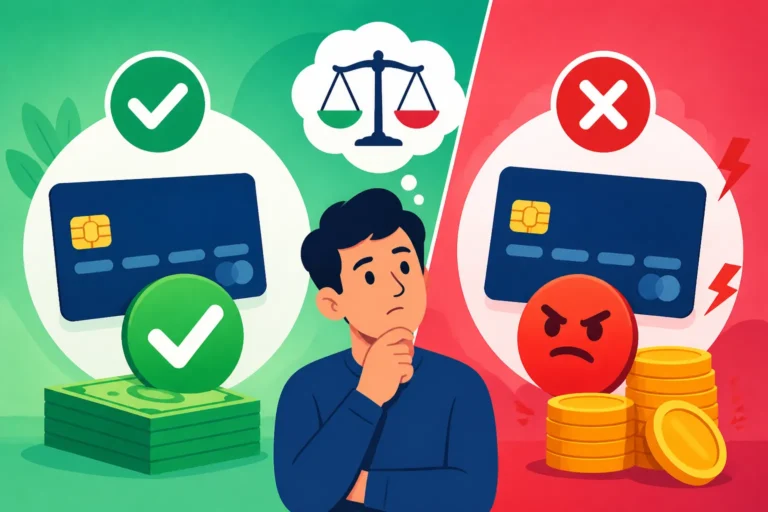
Why 1% and not a perfect 0%? The reasoning is subtle but important. While a 0% utilization rate certainly isn't bad, having a small balance that you pay off regularly shows active and responsible use of credit. It tells the credit bureaus that you are using your credit lines, you are making payments, and you are managing debt effectively. A completely unused credit card, while not hurting you, doesn't always showcase your active credit management skills as effectively as a card with a small, regularly paid balance. It demonstrates a history of handling credit, not just having it. This active, minimal use is what makes 1% utilization such a powerful signal for an optimal credit score.
Tangible Benefits of Near-Zero Utilization
Maintaining utilization at or around 1% can have a profound impact on your credit score, often pushing it into the "excellent" range. The benefits aren't just theoretical; they translate into real-world advantages:
- Higher Credit Scores: This is the most direct benefit. Consistently showing minimal reliance on credit while actively using it tells scoring models you're a low-risk borrower, leading to a bump in your score. Many people find their scores jump significantly once they consistently keep utilization below 10%, with the biggest gains often seen when hitting the 1-5% range.
- Better Loan Terms: Lenders reserve the best interest rates for those with top-tier credit. A high credit score driven by excellent utilization means you'll qualify for lower interest rates on mortgages, car loans, and personal loans, saving you thousands over the life of the loan. Imagine buying a home in a competitive market like Austin, Texas – a strong credit score can make your offer more attractive to sellers who know lenders will approve you with better terms.
- Easier Credit Approvals: Whether you're applying for a new credit card, a car loan, or trying to rent an apartment, a robust credit score built on low utilization makes the approval process smoother and more likely. Landlords in cities like Seattle or Denver often check credit reports, and a strong score can make you a more desirable tenant.
- Access to Premium Cards: The best rewards credit cards, with their lucrative sign-up bonuses and ongoing perks, are typically reserved for individuals with excellent credit. A 1% utilization rate makes you an ideal candidate for these exclusive offers.
The Nuance: Why 0% Isn't Always the Pinnacle
It might seem counterintuitive, but a perfectly 0% credit utilization reported across all your cards isn't always the absolute best for your FICO score. While it certainly won't hurt your score, it may not optimize it as much as a very low, but not zero, utilization.
Here's why: A 0% utilization across the board means the credit bureaus don't see any recent activity or balances on your revolving credit accounts. While this indicates you're not using much credit, it doesn't actively demonstrate your ability to manage credit and make payments. Some scoring models slightly prefer to see that you're an active, responsible user of credit, even if it's just a tiny amount. A 1% utilization signals that you are indeed using your credit, but with extreme discipline, which can sometimes result in a marginally higher score than a blanket 0%. It's about showing active, positive behavior, not just inactivity.
Practical Steps to Achieve and Maintain 1% Utilization
It's one thing to know that 1% utilization is great, but how do you actually get there and stay there? It requires a bit of strategy and consistent financial habits.
Mastering Your Payment Timing
This is perhaps the most crucial tactic for controlling your utilization. Most people think about paying their credit card bill by the due date, but that's not always when your utilization is reported to the credit bureaus.
- Statement Closing Date is Key: Your credit card issuer reports your balance to the credit bureaus around your statement closing date, not your payment due date. If your statement closes on the 15th of the month and your due date is the 10th of the next month, the balance reported on the 15th is what the bureaus see.
- Pay Down Before the Statement Closes: To achieve 1% utilization, you need to ensure that the balance reported on your statement closing date is at or around 1% of your limit. This often means making payments before your statement even generates. For example, if you have a $5,000 limit and want to report $50 (1%), you might use your card throughout the month but make multiple payments to ensure the balance is $50 or less by the time your statement closes. This might feel like extra work, but it's a game-changer for your score.
Strategic Spending and Consistent Habits
Achieving low utilization isn't just about timing; it's also about how you use your cards day-to-day.
- Small, Everyday Purchases: Instead of using your credit card for large purchases that might inflate your balance, consider using it for small, manageable expenses like your daily coffee or gas. Then, pay off most of that balance immediately, leaving just a tiny amount to be reported. This way, you keep the account active, build positive payment history, and maintain low utilization.
- Automate Payments: Set up automatic payments for the full statement balance (or a significant portion) to avoid late fees and ensure you're always paying on time. Then, manually make an additional payment before the statement closes to bring your reported balance down to your target 1%. Some people even use budgeting apps or financial tools that can help track spending and remind them to pay down balances throughout the month.
- Use Credit Building Tools: If you're struggling to manage utilization or don't have enough credit to begin with, tools like a secured credit card or a credit builder loan can help. For instance, Credit Strong offers credit builder loans designed to help you build payment history and improve your credit mix, indirectly helping with overall utilization as you expand your credit portfolio responsibly. This can be particularly useful if your current credit limits are very low, making it hard to keep utilization down. Our guide on How to Build Credit From Scratch (2026 Guide) provides more details on these options.
Thoughtfully Increasing Your Available Credit
Another effective way to lower your utilization, without necessarily changing your spending habits, is to increase your total available credit.
- Request Credit Limit Increases: If you've had a credit card for a while and have a good payment history, you can request a credit limit increase. This boosts your total available credit, which in turn lowers your utilization percentage, even if your balance stays the same. Just be mindful that some issuers might do a hard inquiry for this, which can temporarily ding your score.
- Open New Credit Accounts (Carefully!): Opening a new credit card can increase your overall available credit, thus lowering your utilization. However, this strategy must be approached with caution. A new credit inquiry will cause a temporary drop in your score, and a brand-new account will lower your average age of credit. Only pursue this if you're confident you can manage the new line of credit responsibly and if your existing utilization is high enough that the benefits outweigh the temporary drawbacks. You can learn more about this in our article Does Getting a New Credit Card Hurt Your Score?.
Common Pitfalls and Deeper Credit Insights
While 1% utilization is a powerful goal, it's easy to misunderstand some aspects or overlook how it interacts with other credit factors.
Individual Card vs. Overall Utilization
It's not just about your total credit utilization across all your cards; the utilization on individual cards also matters. The credit scoring models look at both.
- Overall Utilization: This is the most heavily weighted. If you have a total of $20,000 in credit limits and your combined balances are $200, your overall utilization is 1%. This is fantastic.
- Per-Card Utilization: Even if your overall utilization is low, having one card maxed out can still negatively impact your score. Lenders don't want to see any single card carrying a disproportionately high balance. So, it's best to keep all individual card utilizations low, ideally below 10%, with 1% being the gold standard on any cards you choose to report a balance on. Diversifying your credit and ensuring no single card appears overused is a great strategy. Using tools that help manage multiple credit lines, like those that monitor your total credit profile, can be very helpful.
The Harmony of Credit Factors
Credit utilization isn't the only factor at play. Your credit score is a holistic reflection of your borrowing behavior, and all elements work together.
- Payment History: As mentioned, this is number one. Making all your payments on time, every time, is paramount. Even perfect utilization won't fully offset a history of missed payments.
- Length of Credit History: The longer you've had credit accounts open and in good standing, the better. This demonstrates your long-term reliability.
- Credit Mix: Having a healthy mix of different types of credit (like revolving credit from credit cards and installment loans from mortgages or car loans) can also positively impact your score. It shows you can handle various forms of debt responsibly. For example, a credit builder loan from a service like Credit Strong can help add an installment loan to your credit mix, further diversifying your profile and potentially boosting your score.
- New Credit: Applying for too much new credit in a short period can be seen as risky and lead to multiple hard inquiries, which can temporarily lower your score. Balance the need for new credit with its potential short-term impact.
Here's a quick look at how different utilization ranges typically impact your credit score:
| Credit Utilization Ratio | Typical Score Impact | Lender Perception |
|---|---|---|
| 0% – 1% | Excellent to Optimal | Very Low Risk |
| 1% – 10% | Excellent | Low Risk |
| 10% – 30% | Good | Acceptable Risk |
| 30% – 50% | Fair | Moderate Risk |
| 50% – 75% | Poor | High Risk |
| 75% – 100%+ | Very Poor | Very High Risk |
This table highlights why aiming for that sweet spot under 10%, and ideally around 1%, is so beneficial. Remember, these are general guidelines, and individual results can vary based on your overall credit profile. If you're looking to aggressively raise your score, focusing on How to Raise Your Credit Score (Step-by-Step) is a great next step, with utilization being a key component.
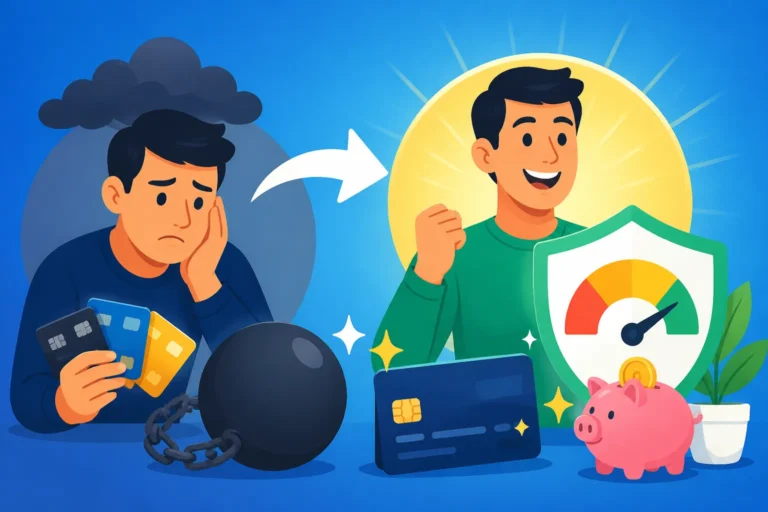
Ultimately, achieving a 1% credit utilization is a powerful strategy for optimizing your credit score. It's a clear signal to lenders that you're a responsible borrower who can manage credit effectively without relying on it too heavily. By understanding when your balances are reported and adopting smart spending and payment habits, you can harness the power of low utilization to unlock better financial opportunities. Consistency is key, so keep those good habits going! If you're curious about how specific actions affect your credit, you might want to read How Many Points Does High Utilization Cost You? or What Affects Your Credit Score? The 5 Factors.
Disclaimer
The information provided in this article is for general educational purposes only and should not be considered financial or legal advice. Credit scores and financial situations are highly individualized. It is always recommended to consult with a qualified financial advisor or credit counselor for advice tailored to your specific circumstances.