How to Pay Off $7,000 in Credit Card Debt in 6 Months
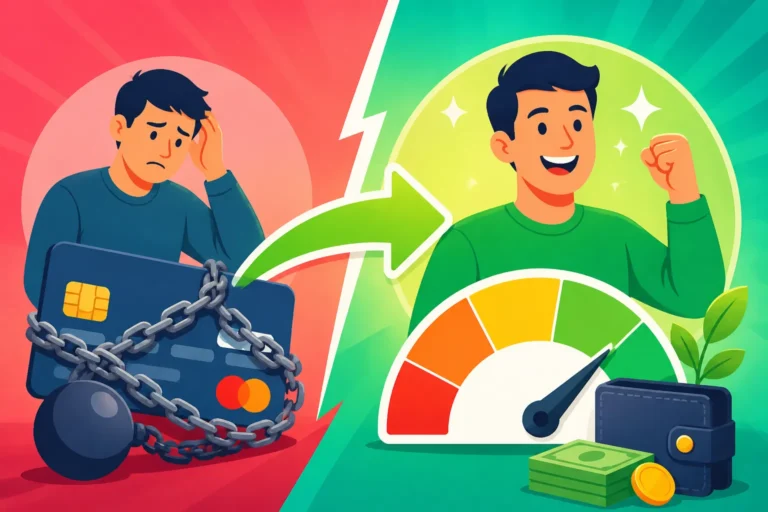
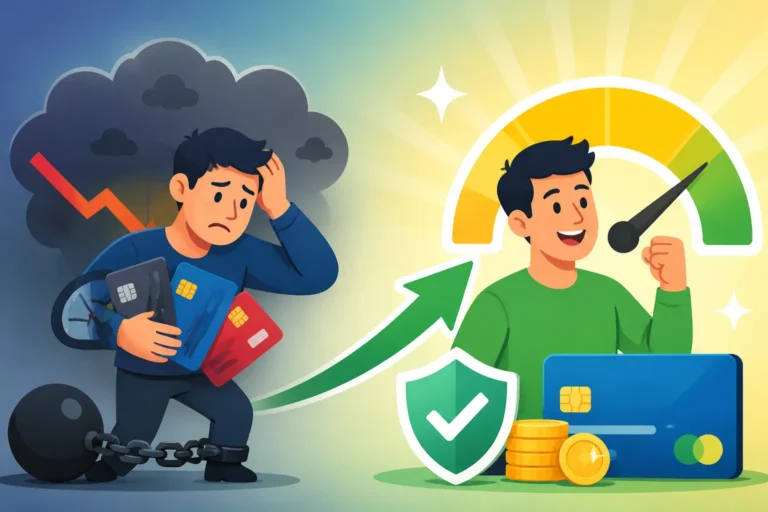
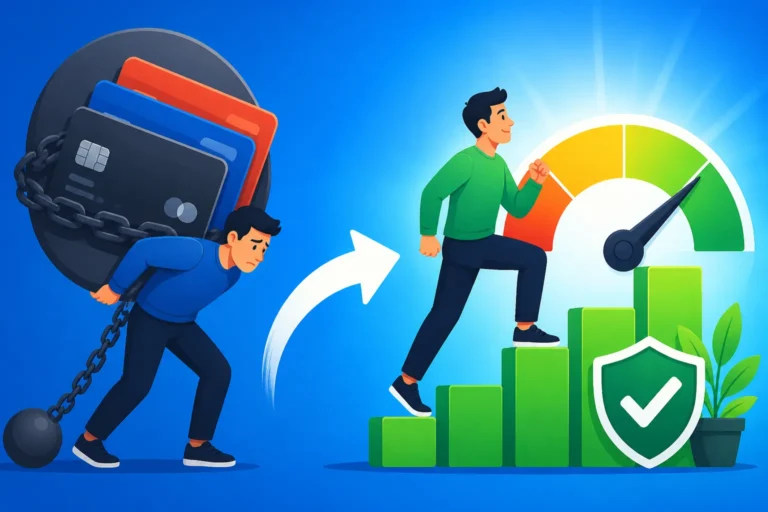
Staring down $7,000 in credit card debt can feel absolutely overwhelming, like a massive weight pressing down on every decision you make. And the thought of wiping all that out in just six short months? That probably sounds like a pipe dream, something only financial gurus on TV can achieve. But let me assure you, while it’s undeniably an aggressive goal that will require immense discipline and a clear strategy, it is absolutely within reach. This guide is here to break down exactly how you can tackle that $7,000 credit card debt and send it packing in half a year, giving you a fresh start.
The Harsh Reality of $7,000 in Debt and Why 6 Months is Ambitious But Doable
Let's be real for a moment: $7,000 is a significant amount of debt for most people, and paying it off in six months means you're looking at shedding roughly $1,167 each month just on the principal. Add in interest, and that number climbs even higher. This isn't a casual endeavor; it demands a radical shift in your spending habits, a laser focus on your finances, and potentially some sacrifices. But don't let that deter you. The motivation of being debt-free in a relatively short period can be a powerful driving force, and the strategies we're about to discuss are designed to give you the clearest path forward. It's about taking control, one calculated step at a time, and understanding that this journey, though intense, has a definite finish line.
Understanding Your Current Situation: The First Step
Before you can chart a course to freedom, you need to know exactly where you stand. This means getting intimately familiar with your credit card statements. Gather all your credit card information: the total balance on each card, the interest rate (APR), and the minimum monthly payment. Often, when we're in debt, it's easier to ignore these numbers, but knowledge is power. You might find you have multiple cards, each with a different balance and a wildly different interest rate. The higher the APR, the more expensive that debt is, meaning more of your payment goes towards interest rather than reducing the principal. It’s also crucial to pull your credit report and understand what's currently being reported, as this will impact your options. If you're unsure about what's affecting your score, diving into resources like How Credit Scores Work: The Complete Guide can be incredibly enlightening.
Beyond just the numbers, reflect on how you accumulated this debt. Was it an unexpected emergency, a series of small splurges, or perhaps a lack of budgeting? Understanding the root cause isn't about blaming yourself; it's about identifying patterns so you can prevent falling into the same trap once this debt is cleared. This introspection is a vital, often overlooked, part of the debt payoff journey.
Crunching the Numbers: What $7,000 Over 6 Months Really Means
To pay off $7,000 in six months, you're looking at needing to put aside, on average, at least $1,167 towards the principal each month. But remember, interest is always lurking, especially with credit cards. If your credit card has an average APR of, say, 18-24%, that $1,167 will need to be significantly higher to cover both the principal and the interest accruing each month. Let’s look at an example:
Hypothetical $7,000 Debt Payoff Plan (6 Months, 20% APR)
| Month | Starting Balance | Monthly Payment (approx.) | Interest Paid (approx.) | Principal Paid (approx.) | Ending Balance |
|---|---|---|---|---|---|
| 1 | $7,000.00 | $1,280.00 | $116.67 | $1,163.33 | $5,836.67 |
| 2 | $5,836.67 | $1,280.00 | $97.28 | $1,182.72 | $4,653.95 |
| 3 | $4,653.95 | $1,280.00 | $77.57 | $1,202.43 | $3,451.52 |
| 4 | $3,451.52 | $1,280.00 | $57.53 | $1,222.47 | $2,229.05 |
| 5 | $2,229.05 | $1,280.00 | $37.15 | $1,242.85 | $986.20 |
| 6 | $986.20 | $1,002.66 | $16.44 | $986.22 | $0.00 |
| Total | $7,402.66 | $407.64 | $7,000.02 |
Note: This table assumes a consistent payment. Actual payments might fluctuate slightly due to compounding interest and varying statement dates.
As you can see, you'd need to commit to paying around $1,280 per month to cover the principal and accruing interest within six months. This is a substantial chunk of change for most budgets, highlighting why you need a very deliberate plan. You'll need to know How Credit Card APR and Interest Explained to fully grasp the cost of your debt.
Strategic Approaches to Tackle Your Debt Head-On
With the numbers laid out, it's time to get strategic. This isn't just about paying more; it's about restructuring your finances and your habits to make those larger payments sustainable and effective. It's about finding money you didn't know you had and redirecting every spare dollar toward your debt. This phase is where many people get discouraged, but with perseverance, you'll see tangible progress that fuels your motivation.
Creating a Realistic, Aggressive Budget
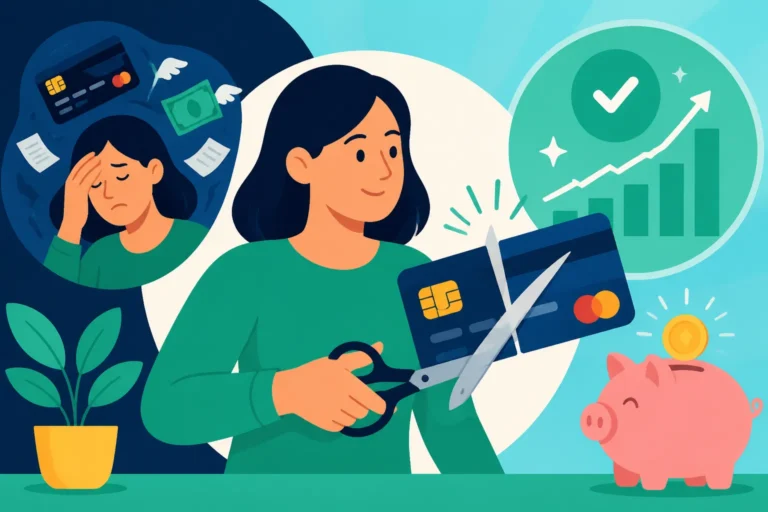
The cornerstone of any rapid debt payoff plan is an aggressive budget. This isn't about simply tracking where your money goes; it's about telling every single dollar where to go. Start by listing all your income sources and then every single expense. Categorize them into "needs" (housing, utilities, basic food, transportation to work) and "wants" (dining out, subscriptions, entertainment, new clothes). For the next six months, the goal is to ruthlessly cut down on your "wants" to free up as much cash as possible for debt repayment.
Consider a zero-based budget, where every dollar you earn is assigned a job – whether it's for rent, groceries, or debt repayment. If you don't assign it, it's too easy for it to disappear. Look for small cuts that add up: brewing coffee at home instead of buying it daily, canceling unused streaming services, or planning meals to reduce grocery waste and takeout. These seemingly minor adjustments can collectively free up hundreds of dollars each month. Remember, this isn't forever, just for a focused six-month sprint.
Boosting Your Income to Accelerate Payments
If cutting expenses isn't enough to reach that $1,280+ monthly payment goal, then it's time to explore increasing your income. This can be one of the fastest ways to inject extra cash directly into your debt payoff plan. Think about side hustles:
- Selling unused items: Go through your house, garage, and closets. Clothes you haven't worn in a year, old electronics, furniture, books – list them on platforms like Facebook Marketplace, eBay, or local consignment shops. You'd be surprised how quickly a few hundred dollars can accumulate from things you no longer need.
- Freelancing or gig work: Do you have a skill you can monetize? Writing, graphic design, web development, virtual assistance, dog walking, babysitting, tutoring, delivering food for apps like Uber Eats or DoorDash – there are countless ways to earn extra money in your spare time. Even an extra $200-$300 a week can make a massive difference.
- Asking for a temporary raise or extra hours: If applicable, speak to your employer about taking on additional responsibilities or overtime hours for the next six months. Explain that you're working towards a significant financial goal.
- Monetizing a hobby: Turn something you enjoy into a side income. Selling crafts online, teaching a skill, or even selling baked goods.
Every extra dollar you earn goes directly to your debt, shortening the timeline and saving you money on interest. This aggressive approach is what truly makes a six-month payoff possible.
The Power of Debt Snowball or Avalanche
Once you have a clear picture of your debts and a plan for generating extra cash, you need a strategy for how to pay them down if you have multiple cards. The two most popular methods are the debt snowball and the debt avalanche, and understanding their differences is key. You can find a deeper dive in Debt Snowball vs Debt Avalanche: Which Is Better?.
-
Debt Snowball: This method focuses on psychological wins. You list your debts from smallest balance to largest, regardless of interest rate. You make minimum payments on all but the smallest debt, on which you throw every extra dollar. Once the smallest debt is paid off, you take the money you were paying on it (minimum + extra) and apply it to the next smallest debt. This creates a "snowball" effect, as your payments grow larger with each paid-off debt, providing powerful motivation. For someone tackling an aggressive six-month plan, seeing those small debts disappear quickly can be incredibly encouraging.
-
Debt Avalanche: This method saves you the most money on interest. You list your debts from highest interest rate to lowest. You make minimum payments on all but the debt with the highest interest rate, on which you throw every extra dollar. Once that debt is paid off, you move to the next highest interest rate. This approach is mathematically superior, as it minimizes the total interest you pay over time. For a $7,000 debt over six months, where every dollar counts due to the aggressive timeline, the debt avalanche can be very appealing, as it ensures your money is working most efficiently.
Choose the method that best suits your personality. If you need quick wins to stay motivated, the snowball might be better. If you’re a numbers person and driven by saving money, the avalanche is likely your best bet.
Leveraging Financial Tools and Resources for Faster Payoff
Sometimes, sheer willpower and budgeting aren't enough. That's where smart financial tools and resources come into play. These options can help reduce the interest burden or provide a more structured repayment plan, making your six-month goal more achievable.
Balance Transfers and Low-Interest Personal Loans
If your credit score is decent, these options can be game-changers.
-
Balance Transfer Credit Cards: These cards allow you to move high-interest credit card debt from one or more cards onto a new card, often with an introductory 0% APR for a promotional period (typically 12-21 months). If you qualify for a balance transfer card with a 0% APR for 12+ months, you could effectively have zero interest on your $7,000 debt for that period. This means every dollar you pay goes directly to the principal, drastically accelerating your payoff. However, be mindful of balance transfer fees (usually 3-5% of the transferred amount) and ensure you can pay off the entire $7,000 before the promotional period ends, as regular high APRs will kick in. Learn more about Balance Transfer Cards: How They Work to see if this is a good fit for you.
-
Low-Interest Personal Loans: Another option is to consolidate your high-interest credit card debt into a single personal loan with a lower, fixed interest rate. This simplifies your payments and can significantly reduce the amount of interest you pay overall. A personal loan often has a set repayment schedule, which can provide excellent structure for aggressive debt payoff. Lenders like Discover, Marcus by Goldman Sachs, or SoFi often offer competitive rates for those with good credit. Just like with balance transfers, compare the APR of the personal loan to your current credit card APRs and ensure the monthly payment fits your aggressive budget.
The Role of Secured Cards and Credit Builder Products
What if your credit isn't strong enough for a balance transfer or a low-interest personal loan? Don't despair. The journey to debt freedom often goes hand-in-hand with credit rebuilding.
- Secured Credit Cards: These cards require an upfront security deposit, which typically becomes your credit limit. They are designed for individuals with limited or damaged credit. While not directly for consolidating debt, consistently making on-time payments with a secured card helps build positive payment history, which is 35% of your FICO score. This can eventually lead to qualifying for better financial products.
- Credit Builder Loans: These are unique loans where the money you "borrow" is held in a locked savings account while you make payments. Once the loan is paid off, you receive the money. The key benefit is that your on-time payments are reported to the credit bureaus, helping to build your credit history. This can be an excellent tool if you're struggling with your credit score alongside your debt. Services like Credit Strong offer these types of loans, providing a structured way to improve your credit profile. As you continue to chip away at your existing credit card debt, adding a positive payment history through a product like Credit Strong can make a real difference in your overall financial health. For a full understanding, check out How Credit Builder Loans Work.
- Credit Strong offers structured ways to save and build credit simultaneously. While it doesn't directly pay off existing debt, the positive payment history reported to the credit bureaus helps improve your credit score, potentially opening doors to better interest rates on future loans or refinance options for any remaining debt. It's a fantastic complementary tool for someone aggressively trying to improve their financial situation.
Using these tools wisely means focusing on paying down your high-interest credit card debt first, while simultaneously building a stronger credit foundation if needed.
Negotiating with Creditors
This step can feel intimidating, but it's worth exploring, especially if you're truly struggling or if your debt has been with a specific creditor for a while. You might be able to negotiate a lower interest rate, a reduced payment plan, or even a partial debt settlement.
- Calling Your Credit Card Company: Don't be afraid to call your credit card company directly and explain your situation. Many banks have hardship programs or are willing to temporarily lower your interest rate if you have a good payment history or a clear plan to pay off the debt. Be polite but firm, and come prepared with your payment plan.
- Debt Settlement: If you're in a dire situation and can't make minimum payments, debt settlement might be an option, though it comes with risks to your credit score. This is where you negotiate with your creditors (or a debt settlement company on your behalf) to pay back a percentage of the amount you owe. While it can reduce your debt, it will typically show as "settled" or "paid for less than the full amount" on your credit report, which can negatively impact your score for several years. This is usually a last resort before bankruptcy and should be approached with caution. If you're managing to make the aggressive payments, this route is likely unnecessary and ill-advised. For guidance on handling aggressive calls, How to Negotiate With Debt Collectors can provide useful strategies.
Staying Motivated and Avoiding Future Debt Traps
Paying off $7,000 in six months is a marathon sprint, and staying motivated is critical. It's not just about the numbers; it's about the mental game and setting yourself up for long-term financial success once the debt is gone.
Celebrating Small Wins and Maintaining Momentum
An aggressive debt payoff plan can feel like a grind. To combat burnout, it's essential to celebrate your milestones along the way. Did you pay off your first $1,000? Treat yourself to a small, free reward – a hike, a movie night at home, or cooking your favorite meal. Did you hit the halfway mark? Give yourself a high-five and acknowledge the hard work.
These small celebrations aren't about spending money; they're about recognizing your progress and reinforcing the positive habits you're building. Use a visual tracker – a thermometer, a chart, or even a simple spreadsheet – to see your debt balance shrinking. Seeing the numbers go down can be incredibly motivating and help you maintain that intense focus needed for the entire six months. Remember, the progress you're making is real, and it's something to be proud of.
Building an Emergency Fund to Prevent Relapse
One of the most common reasons people fall back into debt is a lack of an emergency fund. Life happens: your car breaks down, you get an unexpected medical bill, or you lose your job. Without a cash cushion, the immediate solution often becomes the credit card you just worked so hard to pay off.
As you near the end of your debt payoff journey, or even alongside it, start building a small emergency fund. Aim for at least $1,000 to start. Once the $7,000 debt is gone, redirect the money you were using for debt payments into rapidly building a more robust emergency fund, ideally covering 3-6 months of living expenses. This fund acts as a protective shield, allowing you to handle life’s curveballs without resorting to high-interest debt again. It's a fundamental step in How to Get Out of Credit Card Debt (Step-by-Step) for good.
Establishing Healthy Financial Habits for the Long Term
Congratulations, you've paid off $7,000 in six months! That's an incredible achievement. Now what? The challenge isn't just paying off the debt; it's staying debt-free and fostering a healthy relationship with money.
- Continue Budgeting: Don't abandon your budget. You’ve learned how to track and control your money; continue to do so. Adjust it to reflect your new reality (more money for savings, investments, or even some guilt-free spending), but keep that awareness.
- Maintain Low Credit Utilization: Keep your credit card balances low. Ideally, aim to use less than 30% of your available credit, and even lower, below 10%, is fantastic for your credit score. If you're using products like Credit Strong to build your credit, keep making those payments on time. The discipline you’ve developed will serve you well. For a deeper understanding of this, explore Credit Utilization: The Complete Guide.
- Regular Credit Monitoring: Regularly check your credit report to ensure there are no errors or fraudulent activity that could derail your progress.
- Financial Education: Keep learning about personal finance. The more you know, the better equipped you'll be to make smart financial decisions in the future. Maybe you want to learn How to Build Credit Without a Credit Card or explore What Is a Good Starter Credit Card? for future needs.
Paying off a substantial amount of debt like $7,000 in just six months is an intense, demanding process, but the freedom and financial peace of mind you gain are priceless. It requires unwavering commitment, a meticulous budget, and potentially a boost in income, but it is entirely achievable. Embrace the challenge, stay focused, and celebrate every step you take towards a debt-free future.
Disclaimer
The information provided in this article is for general informational purposes only and does not constitute financial, legal, or professional advice. Always consult with a qualified financial advisor, credit counselor, or legal professional before making any financial decisions. Individual results may vary based on personal circumstances, financial situation, and market conditions.