How to Pay Off $5,000 in Credit Card Debt in 6 Months
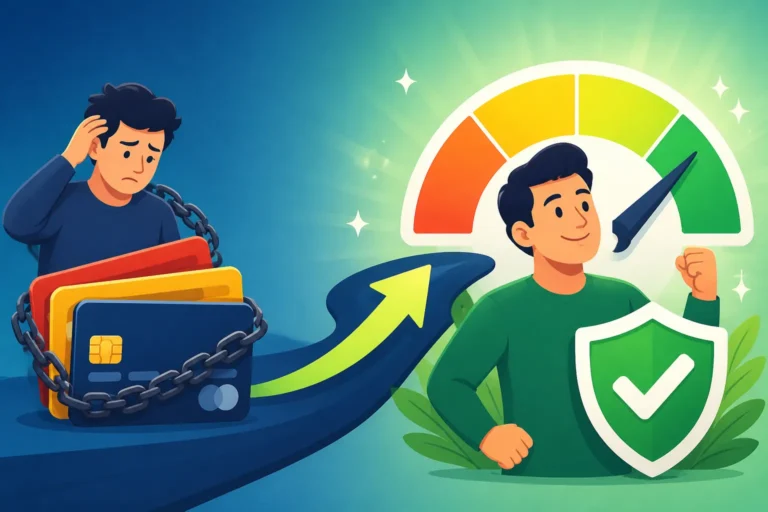
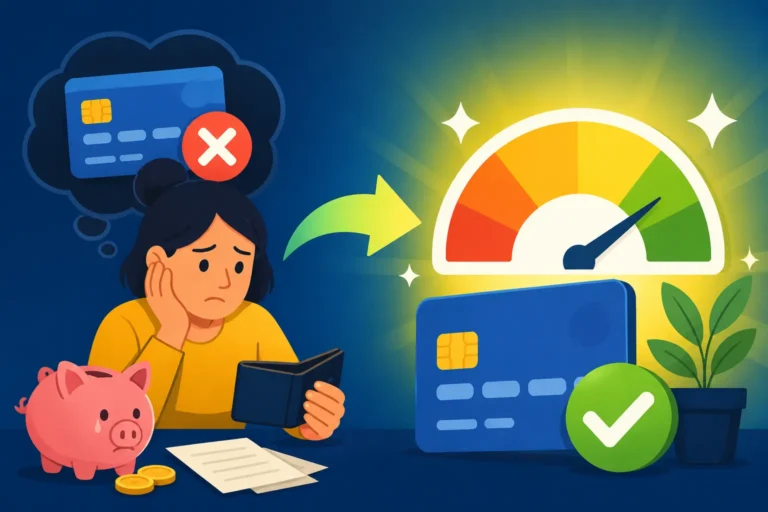
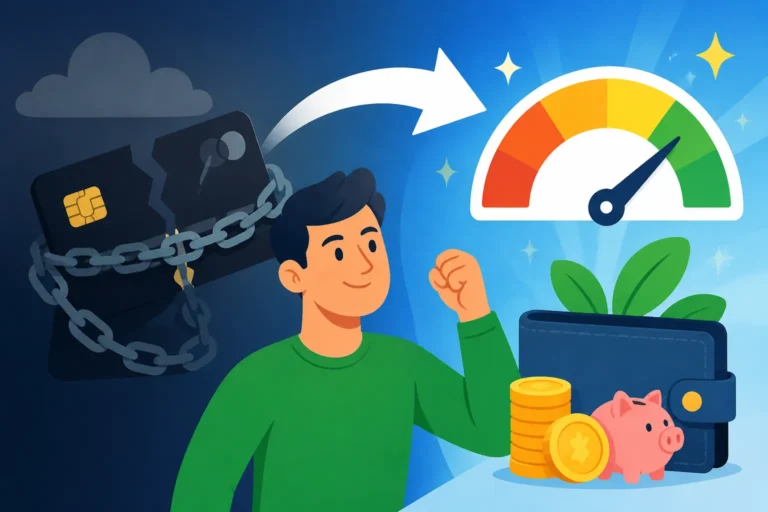
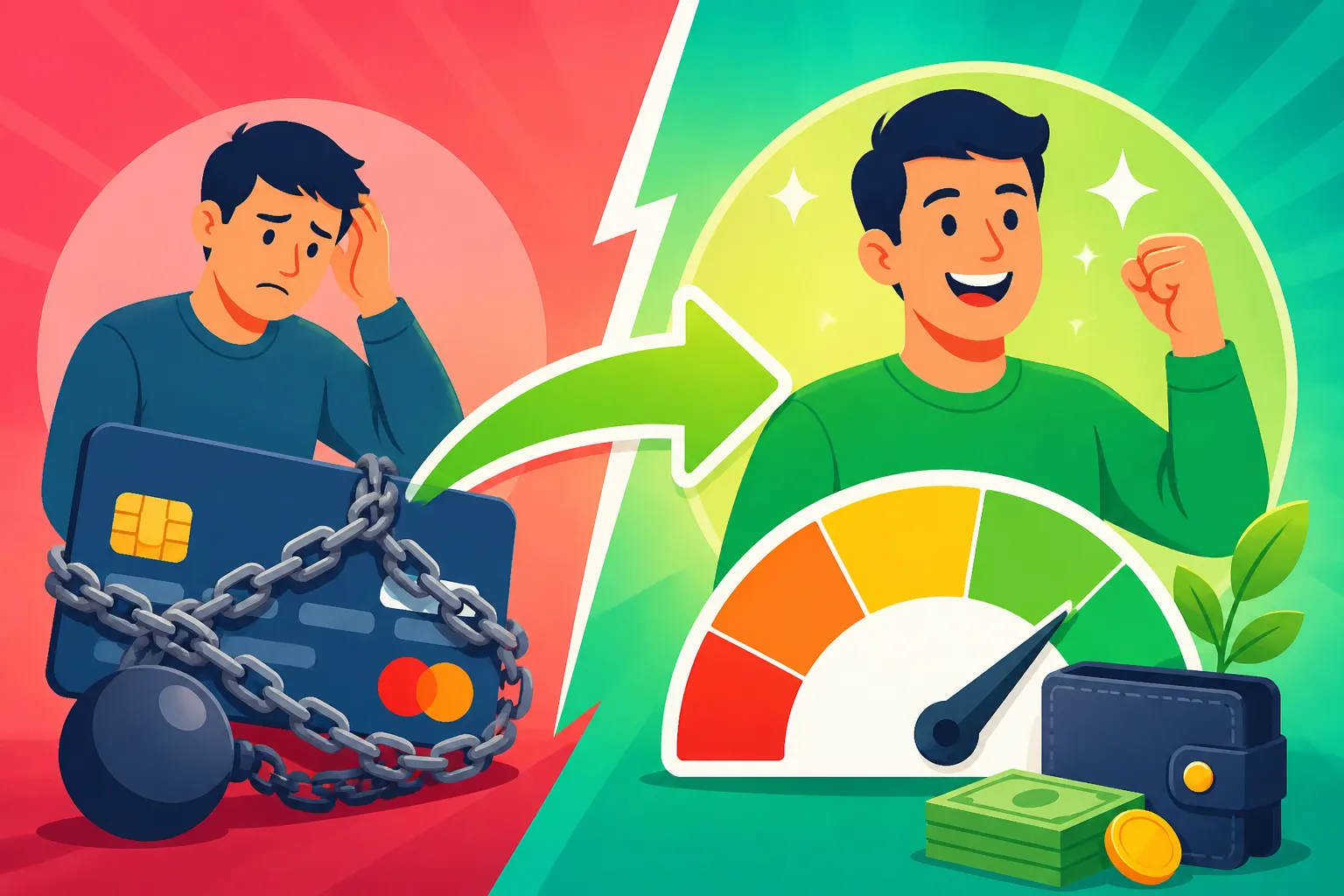
Carrying a $5,000 credit card balance can feel like a heavy anchor, especially when those interest charges just keep piling up, making it seem impossible to ever truly get ahead. It's a common frustration, seeing your minimum payments barely chip away at the principal while your dreams of financial freedom feel increasingly out of reach. But what if I told you that with a focused, aggressive strategy, you could shed that $5,000 burden in just six short months? This guide will walk you through the practical steps and mindset shifts needed to make that ambitious goal a reality, helping you regain control and build a stronger financial future.
The Reality of $5,000 in Credit Card Debt
Let's be honest, seeing a $5,000 credit card balance isn't just a number on a statement; it represents stress, missed opportunities, and often a nagging sense of guilt. Many people find themselves in this situation not because of reckless spending, but due to unexpected emergencies, a period of unemployment, or simply falling into the trap of minimum payments. Whatever the reason, the first step to tackling this debt is to acknowledge its impact and commit to a clear plan.
Why This Debt Feels Overwhelming
One of the biggest reasons $5,000 in credit card debt feels so overwhelming is the relentless nature of compound interest. Unlike a fixed loan payment, credit card interest often accrues daily on your outstanding balance. This means that a significant portion of your minimum payment might go directly to interest, leaving very little to reduce the principal amount. It's like trying to bail out a leaky boat with a teacup – progress feels agonizingly slow, if it feels like progress at all. This cycle can be incredibly demoralizing, making it hard to envision a future without that debt hanging over your head.
Beyond the numbers, there's the emotional toll. Debt can impact your mental health, relationships, and overall quality of life. The constant worry, the avoidance of financial statements, and the feeling of being trapped are all very real experiences. It's important to recognize these feelings, but then channel them into motivation. Understanding why this debt feels so heavy is crucial to developing the resolve needed to overcome it. We're not just paying off money; we're reclaiming peace of mind.
Your Starting Point: Calculating the True Cost
Before you can formulate a solid plan, you need to gather all the facts about your debt. This isn't just about the $5,000 figure; it's about understanding the nuances of each credit card. Get out your statements or log into your online accounts and list every credit card you owe money on. For each card, you need to note the current balance, the interest rate (APR), and the minimum monthly payment. This detailed breakdown is your financial battle map.
For example, you might have one card with $3,000 at 22% APR and another with $2,000 at 18% APR. The card with the higher interest rate is the one costing you more money every single day. Knowing this empowers you to prioritize. Many people only look at the total sum, but the true cost lies in those interest rates. This step might feel a bit uncomfortable, but it’s absolutely essential for crafting an effective strategy to pay off your credit card debt fast. Take the time to really dig into these numbers.
Designing Your Aggressive 6-Month Payoff Plan
Paying off $5,000 in six months is an ambitious goal, but it's entirely achievable with a strategic approach and unwavering commitment. This isn't about magical thinking; it's about making conscious choices to accelerate your debt repayment. It requires understanding what you're up against and then choosing the right tools to conquer it.
Breaking Down the Monthly Target
To pay off $5,000 in six months, you're looking at an average payment of approximately $833 per month, not including interest. When you factor in interest, especially with high APRs, this amount will increase. For instance, if your average APR is 20%, you might pay an extra $50-80 in interest during the first month alone, meaning you'd need to pay closer to $880-910 to hit your target. This is a significant sum for most people, highlighting why an "aggressive" plan is necessary. It means you'll need to free up a substantial portion of your income each month, which likely involves some serious belt-tightening and potentially finding ways to earn more.
This monthly target is your North Star. Every financial decision you make for the next six months should be viewed through the lens of, "Does this help me reach my $833+ monthly payment?" It's a short-term sprint, so temporary sacrifices are key. Think about this as a temporary, intense savings challenge with a clear, liberating prize at the end. The commitment to this specific monthly figure helps to solidify your resolve and gives you a concrete benchmark to aim for with every paycheck.
Choosing Your Debt Payoff Strategy (Snowball vs. Avalanche)
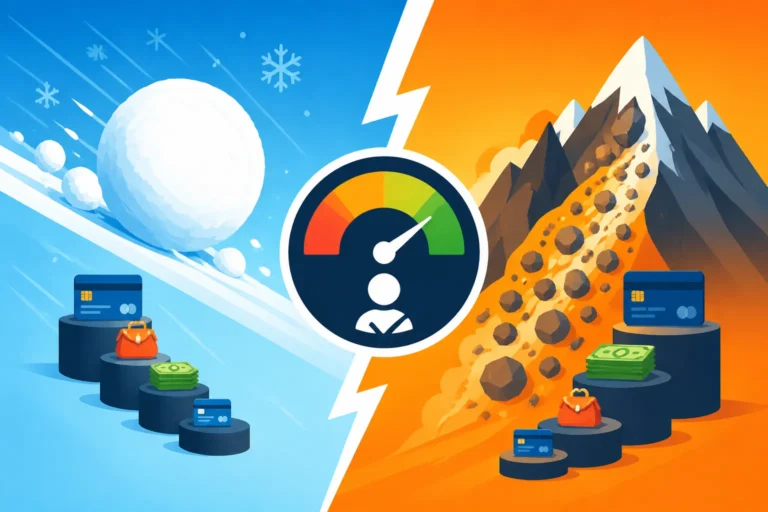
When tackling multiple credit card debts, two popular strategies emerge: the debt snowball and the debt avalanche. Both are effective, but they appeal to different psychological needs and financial priorities.
The debt snowball method focuses on motivation. With this approach, you list your debts from smallest balance to largest, regardless of interest rate. You pay the minimum on all debts except the smallest one, which you attack with all your extra available funds. Once that smallest debt is paid off, you take the money you were paying on it (its minimum payment plus the extra you were contributing) and roll it into the next smallest debt. This creates a "snowball" effect, gaining momentum as each debt is cleared, providing powerful psychological wins that keep you motivated. For someone who needs quick wins to stay on track, this can be incredibly effective. To learn more about this approach, read our guide on Debt Snowball vs Debt Avalanche: Which Is Better?.
The debt avalanche method, on the other hand, prioritizes saving money. With this strategy, you list your debts from highest interest rate to lowest interest rate. You pay the minimum on all debts except the one with the highest interest rate, which you hit with all your extra cash. Once that high-interest debt is gone, you move on to the next highest interest rate. This method saves you the most money on interest charges over time, as you're eliminating the most expensive debt first. While it might take longer to see the first debt disappear, the financial savings can be substantial. For a $5,000 debt with varying interest rates, the avalanche method is often the financially savvier choice.
| Strategy | Focus | Order of Payment | Benefit |
|---|---|---|---|
| Debt Snowball | Motivation | Smallest balance to largest balance | Quick wins, builds momentum |
| Debt Avalanche | Interest Savings | Highest APR to lowest APR | Saves most money on interest |
Choosing between these two depends on your personal financial psychology. If you struggle with motivation and need to see results quickly to stay engaged, the snowball method might be a better fit. If you're disciplined and want to minimize the total cost of your debt, the avalanche method is your champion. Either way, pick one and stick to it rigorously for the next six months.
Reaching Out to Your Creditors for Help
It might seem daunting, but contacting your credit card companies is a powerful, often overlooked step in your debt payoff journey. Don't assume they won't help; many creditors are willing to work with you, especially if you're proactive and haven't missed payments yet. Your goal is to negotiate a lower interest rate, which can significantly reduce the total amount you pay and free up more of your payment to go towards the principal.
Start by calling the customer service number on the back of your credit card. Explain that you're committed to paying off your debt but are struggling with the high interest rate. Be polite but firm. You can ask if they offer a hardship program, a temporary reduction in your APR, or if they have any balance transfer offers. While a balance transfer to a new card with 0% APR could be beneficial, be cautious about opening new credit while aggressively paying down existing debt. Focus on reducing the interest on your current cards first. Even a few percentage points off your APR can make a noticeable difference in your ability to pay off $5,000 in six months. Check out our guide on How to Negotiate With Debt Collectors for more tips, though here you're negotiating with the original creditor.
Unleashing Cash Flow to Accelerate Your Payments
To hit that aggressive $833+ monthly payment target, you're going to need to find cash you didn't think you had. This section focuses on a two-pronged approach: drastically cutting expenses and actively increasing your income. It's about optimizing every dollar that comes in and goes out for the next six months.
Deep Dive into Budgeting and Expense Cuts
This is where the rubber meets the road. Creating a detailed budget is non-negotiable. Track every single dollar you spend for a week or two to see exactly where your money is going. You might be surprised by how much you spend on seemingly small things like daily coffees, subscriptions you don't use, or eating out. Once you have a clear picture, it’s time to make some tough but temporary cuts.
Think of it as a financial detox. Can you cancel streaming services for six months? Pack your lunch every day instead of buying it? Cut down on entertainment expenses or find free alternatives? Delay non-essential purchases like new clothes or gadgets? Every dollar you save from your current spending habits is a dollar that can be thrown at your credit card debt. Even small savings add up quickly when you’re redirecting them purposefully. This intense focus on expense reduction is a core pillar of your rapid payoff strategy. For more ideas on managing your money, consider learning How to Use a Credit Card to Build and Keep Good Credit responsibly after you get this debt under control.
Boosting Your Income, Even Temporarily
If cutting expenses isn't enough to meet your monthly payment goal, or if you simply want to accelerate your payoff even further, boosting your income is the next logical step. Remember, this is a short-term sprint, so temporary side hustles are perfectly acceptable. Think about things you can do to earn extra cash for the next half-year.
Could you pick up some freelance work online, like writing, graphic design, or virtual assistance? What about driving for a rideshare or food delivery service during evenings or weekends? Selling unused items around your house on platforms like eBay, Facebook Marketplace, or local consignment shops can also provide a quick influx of cash. You might even consider asking for extra shifts at your current job or offering a specialized skill to friends and family for a fee. Every extra dollar you earn directly translates into more principal reduction, getting you closer to your debt-free date. This hustle is all about supplementing your primary income with targeted, temporary efforts.
Handling Unexpected Money (Windfalls)
Life has a funny way of throwing curveballs, but sometimes those curveballs come in the form of extra cash. If you receive any unexpected money during your six-month payoff journey, whether it's a tax refund, a work bonus, a gift, or even a small inheritance, resist the urge to spend it on anything other than your debt. This money is a golden opportunity to make a massive dent in your $5,000 balance.
Applying a windfall directly to your highest-interest credit card can dramatically reduce the total interest you'll pay and shave weeks or even months off your payoff timeline. It's like getting a turbo boost right when you need it most. It’s also important to avoid the temptation to celebrate with a portion of the windfall. While a small, symbolic treat might be okay for motivation, the vast majority should go straight to debt. This intense focus on debt repayment means leveraging every financial advantage you get.
Sustaining Momentum and Building a Debt-Free Future
Paying off debt isn't just about the initial push; it's about maintaining that drive over time and building habits that prevent you from falling back into the same trap. The next six months will fly by, but your financial habits should last a lifetime.
Monitoring Progress and Celebrating Milestones
One of the most powerful tools for staying motivated is to track your progress diligently. Seeing that balance shrink, even by a little bit, can provide the encouragement you need to keep going. Create a simple spreadsheet or use a debt payoff app to record your starting balances and how much you pay each month. Visually seeing the numbers decrease is incredibly rewarding.
Consider setting small, achievable milestones along the way. Maybe it's paying off the first $1,000, or clearing one entire credit card if you have multiple. When you hit a milestone, allow yourself a small, non-financial reward. A special meal cooked at home, a long walk in a favorite park, or an hour dedicated to a hobby you love can be powerful motivators. These small celebrations prevent burnout and reinforce the positive habit of paying down debt. This journey can feel like a marathon, even when it's a six-month sprint, so recognizing progress is essential for getting to the finish line.
Protecting Your Credit While Paying Down Debt
While your primary focus is on eliminating that $5,000 debt, it's also crucial to maintain or even improve your credit score during this process. A higher credit score can lead to better interest rates on future loans and generally healthier financial opportunities. The good news is that paying down credit card debt often improves your credit score, especially by reducing your Credit Utilization: The Complete Guide.
Keep making all your payments on time – this is the single most important factor for your credit score. If you have multiple cards, ensure all minimums are met, even as you aggressively attack one. As your balances decrease, your credit utilization ratio (the amount of credit you're using compared to your total available credit) will improve, which can give your score a nice boost. For individuals looking to establish a more diverse credit history alongside their debt payoff journey, or to rebuild credit after paying off high-interest debt, tools like credit builder loans from companies like Credit Strong can be beneficial. They help you build a positive payment history without requiring a traditional credit card, which can be useful as you pivot from debt elimination to credit strengthening. Understanding What Affects Your Credit Score? The 5 Factors will help you keep sight of the bigger picture.
Preventing Future Debt Accumulation
Once you've triumphantly paid off that $5,000, the last thing you want is to find yourself back in the same situation. This requires developing long-term strategies for financial resilience. First, aim to keep your credit card balances low, ideally below 10-20% of your credit limit, to maintain a healthy credit utilization ratio. This is a critical factor in What Is a Good Credit Utilization Ratio? and your overall credit health.
Second, build up an emergency fund. Having three to six months' worth of living expenses saved in an easily accessible account can prevent you from relying on credit cards when unexpected expenses arise. This fund acts as a buffer against life's inevitable surprises. Finally, continue to live within your means and regularly review your budget. The habits you formed over these intense six months of debt payoff – the careful spending, the increased earning – don't have to disappear. They can be adapted into a sustainable lifestyle that keeps you debt-free and financially secure for years to come. Your successful payoff is just the beginning of a new chapter of financial empowerment.
Disclaimer
This article is for general informational purposes only and does not constitute professional advice. Laws, prices and regulations vary by location and change over time. Consult a qualified professional for guidance on your specific situation.