What Does 30% Credit Utilization Do to Your Score?
It's incredibly frustrating when you're trying your best to manage your money, and then you hear all these different "rules" about credit scores, like the famous 30% credit utilization threshold. You're left wondering, "What does 30% credit utilization actually do to my score?" This guide is here to cut through the confusion and explain exactly how this crucial factor impacts your credit and what you can do to manage it effectively.
Understanding Credit Utilization and Why It Matters So Much
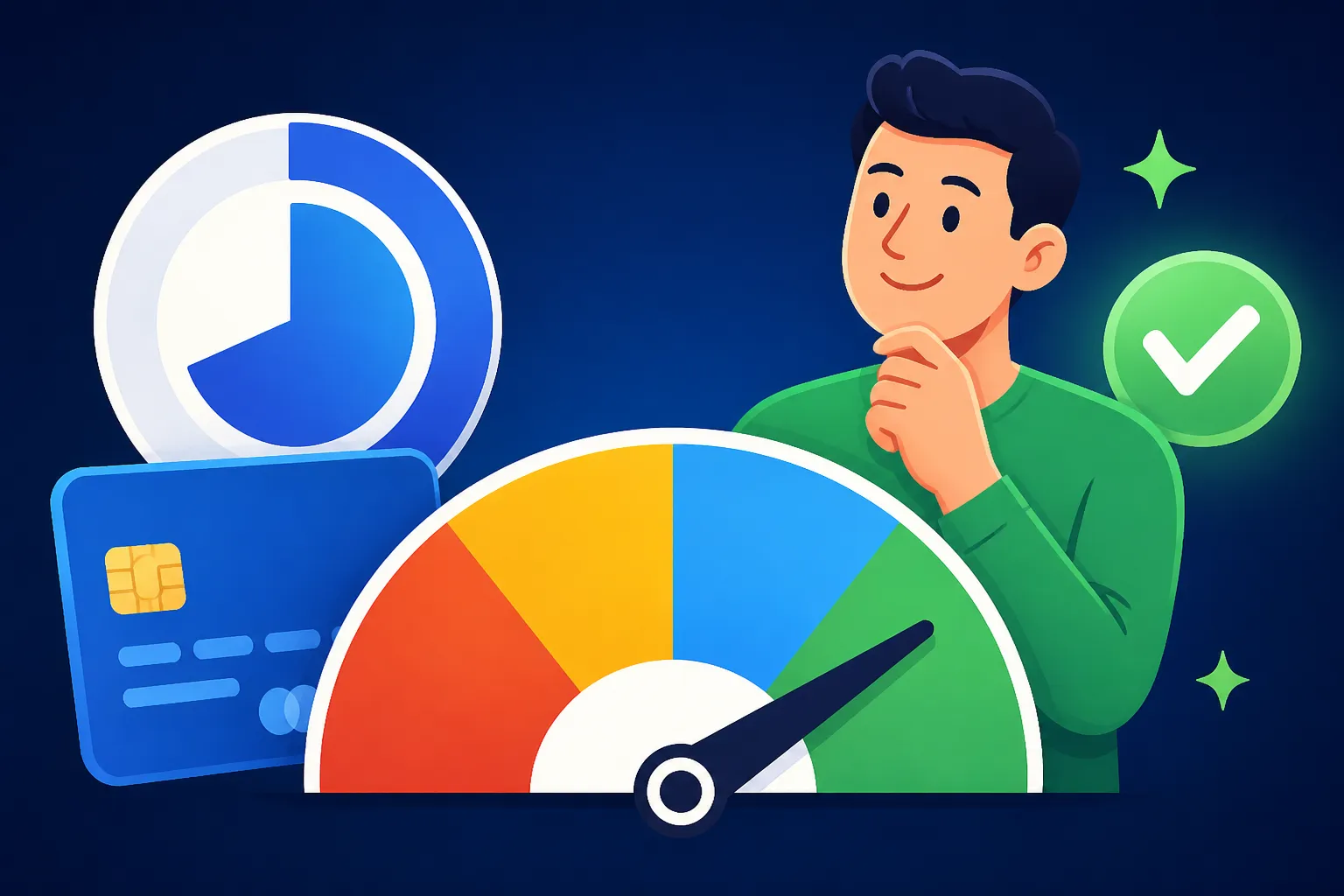
Credit utilization is one of the most significant factors in your credit score, making up a whopping 30% of your FICO Score, which is the most widely used scoring model by lenders. That’s a huge chunk! It’s not just some obscure number; it directly tells lenders how responsibly you handle the credit available to you. Think of it like a report card for your borrowing habits.
The Credit Utilization Ratio Explained
At its core, your credit utilization ratio is simply how much credit you're using compared to your total available credit. It's usually expressed as a percentage. For example, if you have one credit card with a $10,000 limit and you've spent $3,000 on it, your utilization for that card is 30% ($3,000 / $10,000).
However, it's not just about individual cards. Lenders also look at your overall credit utilization across all your credit accounts. So, if you have multiple cards, say Card A with a $5,000 limit and a $1,000 balance, and Card B with a $10,000 limit and a $2,000 balance, your individual utilization rates are 20% and 20% respectively. But your overall utilization would be ($1,000 + $2,000) / ($5,000 + $10,000) = $3,000 / $15,000 = 20%. Both individual and overall utilization play a role, but the overall number often carries more weight. Lenders want to see that you're not maxing out all your cards or even just one card consistently. It's a key indicator of your financial health. If you're looking for a deeper dive into this, our guide on Credit Utilization: The Complete Guide can provide even more context.
Why Lower is Almost Always Better
When it comes to credit utilization, lower is almost always better. A low utilization rate signals to lenders that you're not reliant on credit to get by and that you can manage your debts responsibly. It suggests you have plenty of breathing room, financially speaking. High utilization, on the other hand, can be a red flag. It might indicate that you're struggling to make ends meet, are overextending yourself, or could be at a higher risk of defaulting on your payments.
Imagine you're a bank looking to lend money. Would you rather lend to someone who uses only a small fraction of their available credit, indicating financial discipline, or someone who consistently uses nearly all of it, hinting at potential financial strain? The answer is usually obvious. This is why keeping your utilization low is a cornerstone of building and maintaining a good credit score. It's not just about paying on time, though that's crucial; it's also about how much of your available credit you use.
The Magic (or Myth) of the 30% Rule
The 30% rule is probably one of the most talked-about guidelines in the world of credit. It's a benchmark that many people strive for, but it's important to understand what it truly means and where it fits into the broader picture of your credit health.
Where the 30% Threshold Comes From
The 30% rule didn't just appear out of thin air. It's often cited as a general guideline because credit scoring models, like FICO and VantageScore, tend to start penalizing your score more significantly once your utilization creeps above this threshold. Historically, data has shown that consumers who maintain their credit utilization below 30% are generally seen as lower risk by lenders. This means they are more likely to qualify for better interest rates and higher credit limits.
However, it’s not a hard-and-fast rule carved in stone. It's more of a sweet spot or a "good enough" target. Think of it this way: getting an 80% on a test is good, but getting a 95% is even better. The same applies here. While staying below 30% is definitely a positive step, it's not the absolute optimal target. Many credit experts and lenders will tell you that the ideal range is actually much lower, often between 1% and 10%. Anything above 0% but not maxed out shows you're using credit responsibly, which is what lenders like to see.
How 30% Utilization Impacts Your Score
Let's be clear: keeping your credit utilization at or below 30% is a good strategy to avoid significant negative impacts on your credit score. If you consistently use 30% of your credit, you're generally telling lenders that you're managing your credit fairly well. Your score is unlikely to take a major hit, and you'll likely remain in a "good" or "fair" credit score range, depending on other factors like your payment history and length of credit.
However, moving from, say, 10% utilization to 30% utilization will almost certainly result in a slight dip in your score. It won't be as dramatic as jumping from 50% to 90%, but it will still register. The algorithms are designed to reward lower utilization.
Consider these scenarios:
- Scenario 1: You're at 5% utilization. Your score is likely benefiting significantly from this low usage, showing you have ample available credit and aren't over-reliant.
- Scenario 2: You're at 30% utilization. Your score is likely stable, perhaps "good." You're not being penalized heavily, but you're also not getting the maximum benefit. If you have an excellent score already, maintaining 30% might cause a small dip.
- Scenario 3: You're at 70% utilization. Here, your score is almost certainly taking a substantial hit. Lenders view this as a higher risk. You'll find it harder to get approved for new credit, and if you do, the interest rates will be much higher.
Here's a simplified look at how different utilization ranges might generally affect your credit score, keeping in mind that actual impact varies based on your overall credit profile:
| Credit Utilization Range | General Impact on Credit Score | Lender Perception |
|---|---|---|
| 0% | Generally good, but 1% is ideal | Responsible, but no active usage |
| 1-10% | Excellent impact, highly favorable | Very responsible, low risk |
| 11-29% | Good impact, positive for score | Responsible, manageable risk |
| 30-49% | Moderate impact, score may decline slightly | Moderate risk, watching closely |
| 50-79% | Significant negative impact, score will drop | Higher risk, potential financial strain |
| 80-100% | Severe negative impact, major score drop | Very high risk, overextended |
As you can see, the sweet spot for maximizing your score benefit is really in that 1-10% range. If you're consistently at 30%, you're doing okay, but there's definitely room to improve for a better score. If you're trying to figure out how to raise your score, reducing your utilization is one of the most effective ways. Check out our guide on How to Raise Your Credit Score Step-by-Step for more insights.
Practical Strategies for Managing Your Credit Utilization
Managing your credit utilization isn't just about knowing the numbers; it's about adopting smart habits and using effective tools to keep those percentages low. It’s about being proactive, not reactive, when it comes to your credit health.
Calculating Your Utilization and Monitoring It
The first step to managing your utilization is knowing what it is. It's surprisingly easy to calculate. Just divide your total current credit card balances by your total available credit limit across all your cards. Many credit monitoring services, like those offered by the major credit bureaus or apps like Credit Karma, will calculate this for you and show you your current utilization. It’s wise to keep an eye on this regularly, not just once a month. Knowing your numbers is empowering. You can also get a better understanding by learning How to Get Your Free Credit Report and reviewing it for all your credit accounts.
Example:
- Card 1: $500 balance / $2,000 limit = 25% utilization
- Card 2: $1,000 balance / $5,000 limit = 20% utilization
- Total balance: $1,500
- Total limit: $7,000
- Overall utilization: $1,500 / $7,000 = ~21.4%
Tips for Keeping Your Utilization Low
Keeping your utilization low requires a bit of discipline and strategic thinking. Here are some actionable tips:
- Pay Down Balances Frequently: Don't wait for your statement to close. If you can, make multiple payments throughout the month, especially if you use your cards regularly. This can ensure that a lower balance is reported to the credit bureaus. For instance, if your credit card statement typically closes on the 15th of each month, and you make a large purchase on the 1st, paying off a good chunk of that purchase before the 15th will show a lower reported balance.
- Request Credit Limit Increases: This can be a fantastic way to lower your utilization without paying down debt, as long as you don't then spend more to use up the new limit! If you have a good payment history, call your credit card issuer and ask for an increase. Be mindful that some requests might trigger a hard inquiry, which could temporarily ding your score. However, many issuers, especially if you initiate the request online, might only do a soft pull. Understanding Should You Ask for a Credit Limit Increase? can help you weigh the pros and cons.
- Spread Out Your Spending: If you have multiple credit cards, try not to put all your spending on one card, especially if it has a lower credit limit. Spreading your balance across several cards can help keep individual card utilization rates lower, even if your overall utilization remains the same.
- Consider a Secured Credit Card or Credit Builder Loan: If you're just starting out or rebuilding your credit, a secured credit card or a credit builder loan can be excellent tools. A secured card, like the Discover it® Secured Credit Card, requires a deposit, which then becomes your credit limit. A credit builder loan, like those offered by companies such as Credit Strong, helps you build payment history and can often be reported as an installment loan, diversifying your credit mix. These options allow you to establish a positive payment history and keep utilization in check. Our comprehensive guide on How to Build Credit From Scratch offers more advice on these types of tools.
- Avoid Unnecessary Purchases: This might sound obvious, but it's often the hardest. Every dollar spent on credit contributes to your utilization. Before swiping, ask yourself if the purchase is truly necessary or if it can wait until you have cash.
- Pay Off Your Cards Before the Statement Date: This is key! Your credit utilization is generally reported to the credit bureaus based on your balance on your statement closing date, not necessarily your payment due date. If you pay off your balance before the statement closes, a much lower — or even zero — balance will be reported, which looks fantastic to lenders. To understand more about the immediate impact of payments, read up on Does Paying Off Credit Cards Raise Your Score?.
Tools and Services to Help
Thankfully, you don't have to navigate credit management entirely on your own. There are some fantastic tools and services out there designed to help you stay on track and even improve your utilization.
For instance, companies like Credit Strong offer credit builder loans, which are designed specifically to help you build a positive payment history and improve your credit mix. With a Credit Strong account, you get a loan that's held in a locked savings account, and as you make on-time payments, those payments are reported to all three major credit bureaus (Equifax, Experian, and TransUnion). This not only helps you establish a good payment history but also adds a positive installment loan to your credit file, which can positively impact your credit mix, another factor in your score. This can be particularly useful if your credit profile mostly consists of credit cards.
Many banks and credit card issuers also provide free credit monitoring services that include your credit utilization. Synchrony Bank, for example, often provides tools within their online banking portals to help customers track their credit score and utilization. Using these tools diligently can give you a real-time pulse on your credit health and help you make informed decisions.
Beyond 30% What Other Factors Influence Your Score?
While credit utilization is incredibly important, it's just one piece of the puzzle. Your credit score is a complex beast, influenced by several factors, all working in concert to paint a picture of your financial responsibility. Understanding all these components is crucial for anyone striving for an excellent credit score. Our guide on What Affects Your Credit Score? The 5 Factors breaks these down in detail.
- Payment History (35%): This is the undisputed champion of credit scoring factors. Paying your bills on time, every time, is paramount. One single late payment can cause a significant drop in your score and stay on your report for seven years. It doesn't matter how low your utilization is if you're consistently missing payments.
- Length of Credit History (15%): This factor considers how long your credit accounts have been open, and the average age of all your accounts. Lenders like to see a long history of responsible credit use. This is why you often hear advice about not closing old, unused credit cards, even if they have no balance. A longer history generally equates to a more stable and predictable borrower.
- Credit Mix (10%): Having a diverse mix of credit, such as both revolving credit (like credit cards) and installment loans (like car loans, mortgages, or a credit builder loan from Credit Strong), can positively influence your score. It shows you can manage different types of debt responsibly. However, it's a smaller factor, so don't open new accounts you don't need just to diversify.
- New Credit (10%): This refers to recent applications for credit and newly opened accounts. When you apply for new credit, it usually results in a hard inquiry on your credit report, which can cause a small, temporary dip in your score. Opening too many new accounts in a short period can be seen as risky by lenders, suggesting you might be in financial distress. This is why understanding How Many Points Does a Hard Inquiry Cost You? is important.
So, while diligently keeping your credit utilization below 30% (and ideally much lower) will certainly help, remember that it's part of a bigger picture. Maintaining excellent payment history, cultivating a long credit history, and being mindful of new credit applications are equally vital for comprehensive credit health.
Disclaimer
The information provided in this article is for general informational purposes only and does not constitute financial or legal advice. Credit scores and reporting are complex, and individual circumstances can vary greatly. We recommend consulting with a qualified financial advisor for personalized advice regarding your specific situation.