How to Pay Off $15,000 in Credit Card Debt
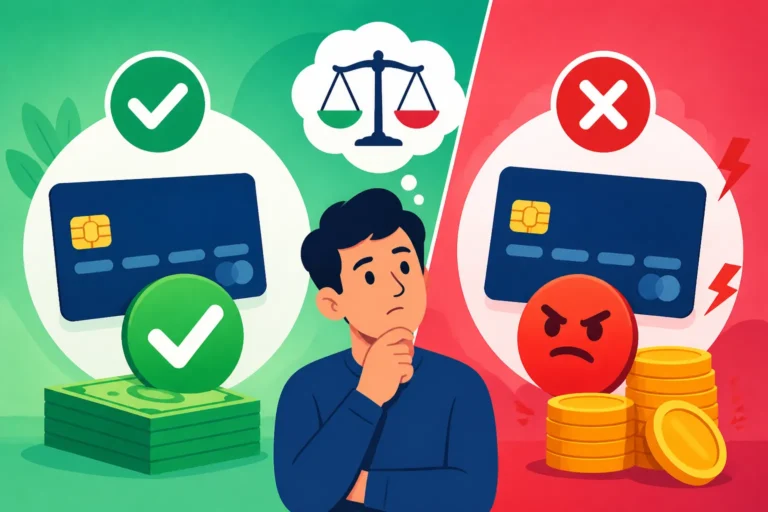
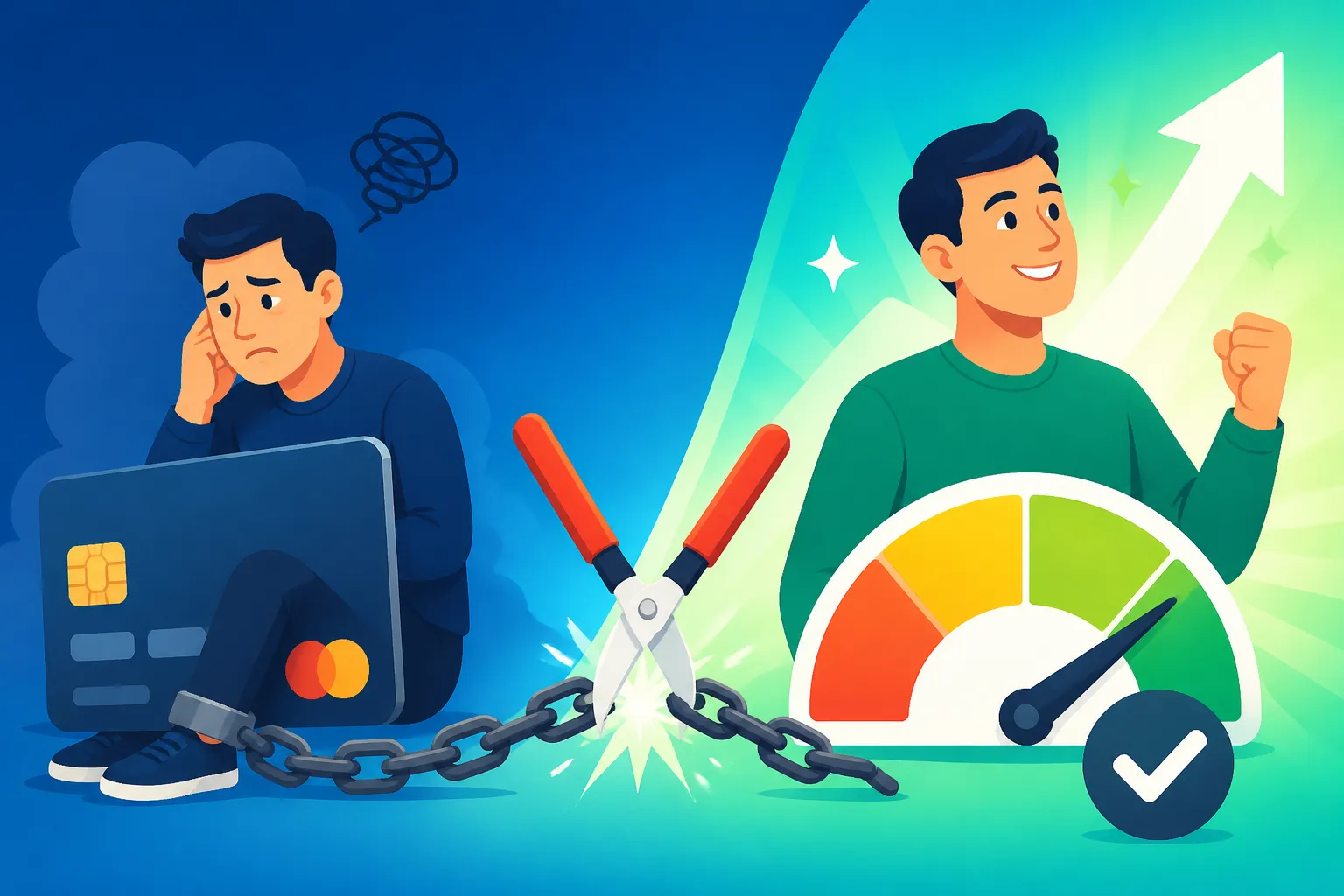
Facing down $15,000 in credit card debt can feel like staring up at a mountain you’re not sure how to climb. It’s overwhelming, stressful, and often accompanied by a sense of dread as those minimum payments barely scratch the surface. This guide isn't about quick fixes or magical solutions; it's about giving you a realistic, step-by-step roadmap to chip away at that debt, reclaim your financial freedom, and learn how to truly pay off credit card debt effectively.
The Weight of $15,000 in Credit Card Debt
Let's be honest, carrying a significant amount of credit card debt is a heavy burden, both financially and emotionally. It's not just the interest piling up; it's the constant worry, the missed opportunities, and the feeling of being trapped. Before we dive into the nuts and bolts of repayment strategies, it's crucial to acknowledge these feelings and prepare yourself mentally for the journey ahead. You're not alone in this, and countless individuals have successfully navigated similar situations.
Acknowledging the Emotional Toll
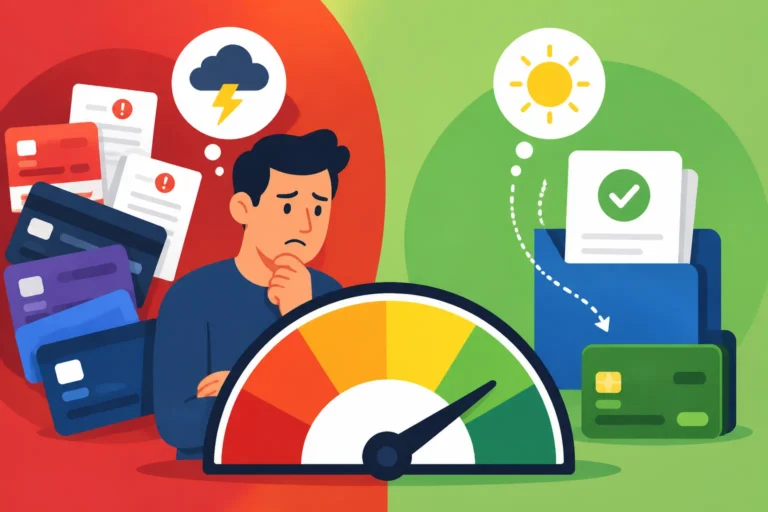
The sheer weight of $15,000 in credit card debt can trigger a range of emotions, from anxiety and guilt to frustration and helplessness. You might find yourself avoiding looking at your statements, dreading phone calls, or constantly calculating how long it will take to get out. These feelings are completely normal, but dwelling on them without action can be paralyzing. It’s vital to recognize that these emotions are signals, not sentences. They’re telling you that it’s time for a change, a call to action to take control of your financial narrative.
Instead of letting these emotions consume you, channel them into motivation. Think about what life would look like without this debt. Imagine the freedom to save, invest, or simply not worry every time an unexpected expense pops up. This vision can be a powerful driving force as you embark on your repayment journey. This mental shift is the first, often most difficult, step in any significant financial turnaround.
Why a Concrete Plan is Crucial
Without a clear, actionable plan, paying off $15,000 in credit card debt can feel like trying to empty a swimming pool with a teacup. You might make payments here and there, but without a focused strategy, progress can be slow and disheartening. A well-defined plan not only gives you direction but also provides a sense of control and a way to track your progress, which is incredibly motivating. It transforms an abstract, overwhelming goal into a series of manageable steps.
A concrete plan helps you prioritize which debts to tackle first, how much extra you can realistically pay, and when you can expect to see significant breakthroughs. It also allows you to anticipate challenges and build in flexibility, because life, as we all know, rarely goes exactly according to plan. This guide aims to help you formulate that plan, breaking down the complex process into simple, digestible actions you can start taking today.
Unpacking Your Debt: Getting Real with the Numbers
Before you can tackle your $15,000 debt head-on, you need to understand exactly what you're up against. This means gathering all the details about each credit card account. It's like preparing for a battle; you can't win if you don't know your enemy's strengths and weaknesses. This step might feel uncomfortable, but it's absolutely essential for crafting an effective repayment strategy.
Gathering All Your Account Details
The first step is to pull out every single credit card statement or log into your online accounts. You need to gather the following critical pieces of information for each card:
- Current Balance: The total amount you owe on that specific card.
- Annual Percentage Rate (APR): This is the interest rate you're being charged. Pay close attention to this number, as higher APRs mean more of your payment goes to interest and less to the principal.
- Minimum Payment Due: The smallest amount you can pay to keep the account in good standing. Be aware that paying only the minimum usually means you're just treading water, barely covering the interest.
- Due Date: Mark these on a calendar! Missing a payment can trigger late fees and a significant drop in your credit score. If you're struggling to keep track, consider setting up automatic minimum payments to avoid these pitfalls, even if you plan to pay more manually.
- Available Credit Limit: While it might seem counterintuitive, knowing your credit limit helps you understand your credit utilization ratio, a key factor in your credit score.
Create a simple spreadsheet or even just a notebook entry where you list all of these details. Seeing everything laid out in one place can be quite eye-opening and is the foundation for making informed decisions.
Understanding Your Interest Rates
Credit card interest rates are notoriously high, often ranging from 15% to well over 25%. This means that a significant portion of your minimum payment is often consumed by interest charges, leaving very little to reduce your actual principal balance. For example, on a $15,000 debt with a 20% APR, you could be paying hundreds of dollars in interest alone each month. This is why credit card debt can feel so intractable; it's a constant uphill battle against compounding interest.
Knowing the APR for each card allows you to identify which debts are costing you the most money. These high-interest debts are often the ones you want to prioritize in your repayment strategy, as they effectively "eat" more of your hard-earned money. Understanding how credit card APR and interest are calculated can truly motivate you to pay down these balances faster, as you'll see how much you're saving in the long run.
Calculating Your Total Minimum Payments
Once you've listed all your minimum payments, add them up. This sum represents the absolute bare minimum you need to pay each month to avoid late fees and further damage to your credit score. For $15,000 in debt spread across multiple cards, this total could easily be several hundred dollars. For instance, if you have five cards with an average minimum payment of $100 each, that's $500 just to stay afloat.
While this total gives you a baseline, it's crucial to understand that simply paying the minimum payments will likely trap you in debt for years, if not decades, costing you thousands in interest. The goal of this guide is to move beyond the minimums and explore how to pay off credit card debt fast. Knowing your minimum payment obligation helps you understand your current financial commitment and allows you to then strategize how much extra you can afford to pay.
Proven Strategies to Conquer Your Debt
Now that you have a clear picture of your debt, it's time to choose a repayment strategy. There isn't a one-size-fits-all solution, but several proven methods can help you systematically eliminate your $15,000 credit card debt. Each has its pros and cons, and the best choice for you will depend on your personality and financial situation.
The Debt Snowball vs. Debt Avalanche Methods
These are two of the most popular and effective strategies for paying off multiple debts.
The Debt Snowball Method focuses on psychological wins. With this approach, you list your debts from the smallest balance to the largest, regardless of interest rate. You make minimum payments on all debts except the smallest one, on which you throw every extra dollar you can find. Once that smallest debt is paid off, you take the money you were paying on it (minimum payment + extra) and apply it to the next smallest debt. This creates a snowball effect, building momentum and motivation as you quickly eliminate debts one by one. Many people find this method incredibly empowering because they see debts disappear quickly, keeping them engaged in the process.
The Debt Avalanche Method is purely mathematical and focuses on saving the most money on interest. With this approach, you list your debts from the highest interest rate to the lowest, regardless of balance. You make minimum payments on all debts except the one with the highest APR, on which you throw every extra dollar. Once that highest-interest debt is paid off, you move on to the next highest APR. This method will save you the most money over time because you're attacking the most expensive debt first. If you're highly disciplined and motivated by financial efficiency, the debt avalanche is often the smarter choice. For a deeper dive into these strategies, check out our guide on Debt Snowball vs Debt Avalanche: Which Is Better?.
Considering a Balance Transfer Credit Card
A balance transfer credit card can be a powerful tool for someone looking to pay off $15,000 in credit card debt, especially if a significant portion of that debt is on high-interest cards. These cards typically offer an introductory 0% APR period, often lasting anywhere from 12 to 21 months, on transferred balances. This means that for that promotional period, every dollar you pay goes directly towards your principal balance, not interest.
Imagine moving your $15,000 debt to a card with a 0% APR for 18 months. If you divide $15,000 by 18 months, that's roughly $833 a month you'd need to pay to clear the debt before interest kicks in again. This is a challenging but achievable goal for many. However, there are a few caveats:
- Transfer Fees: Most balance transfer cards charge a fee, usually 3% to 5% of the transferred amount. For $15,000, that could be an extra $450 to $750. You need to factor this into your calculations.
- Credit Score Requirement: You generally need good to excellent credit to qualify for the best balance transfer offers.
- New Spending: It's crucial not to use the new balance transfer card for new purchases, as those often accrue interest at the standard (non-promotional) rate immediately.
- Deadline: You must pay off the transferred balance before the promotional period ends, or you'll be hit with the regular, often high, APR.
If your credit is strong enough, a balance transfer can give you much-needed breathing room to accelerate your repayment. Learn more about Balance Transfer Cards: How They Work to see if this option is right for you.
Exploring Debt Consolidation Loans
Another viable option for tackling $15,000 in credit card debt is a debt consolidation loan. With this approach, you take out a single, new loan (often an unsecured personal loan) to pay off all your existing credit card balances. The goal is to get a lower interest rate and a single, predictable monthly payment, which can simplify your finances and potentially save you a lot of money in interest over time.
For example, if you have $15,000 spread across several credit cards with APRs ranging from 18% to 25%, and you qualify for a personal loan at 10% APR, you could significantly reduce your monthly interest burden. The fixed payment schedule also makes it easier to budget and see a clear end date for your debt. However, like balance transfers, qualifying for a good interest rate on a consolidation loan typically requires a decent credit score. If your credit is poor, the interest rate offered might not be much better than your credit cards, or you might not qualify at all.
It's important to compare this option carefully with other strategies like balance transfers or directly paying off credit card debt when you can only afford minimums. Look into our guide on Debt Consolidation vs Balance Transfer to understand the nuances of each.
Negotiating with Creditors
If your financial situation is particularly dire, and you're struggling to even make minimum payments on your $15,000 debt, it might be worth reaching out to your credit card companies directly. Many creditors have hardship programs or are willing to work with customers who are genuinely trying to pay but are facing difficulties. They might offer a temporary reduction in your interest rate, waive a late fee, or even set up a more manageable payment plan.
Remember, creditors would rather get some money from you than none at all. Be honest about your situation, clearly state your inability to pay under the current terms, and propose a realistic payment amount. This isn't a guarantee, and it usually works best if you proactively reach out before you start missing payments. You could also explore options like debt settlement, but be aware that debt settlement can significantly damage your credit score. For comprehensive advice on this, refer to How to Negotiate With Debt Collectors.
Here's a quick comparison of the main repayment strategies:
| Strategy | Primary Benefit | Best For | Potential Drawbacks |
|---|---|---|---|
| Debt Snowball | Psychological wins, motivation | Those needing quick wins to stay motivated | May pay more interest over time |
| Debt Avalanche | Saves most money on interest | Disciplined individuals, financially savvy | Progress may feel slower initially |
| Balance Transfer Card | 0% APR period, interest savings | Good credit, ability to pay off quickly | Transfer fees, strict deadlines, new purchases accure interest |
| Debt Consolidation Loan | Single payment, potentially lower APR | Good credit, multiple debts, prefer fixed payments | May still have high interest if credit is poor |
| Negotiation | Reduced payments, lower interest | Severe hardship, proactive communication | Not guaranteed, potential credit score impact (settlement) |
Optimizing Your Finances: Income and Expenses
No matter which debt repayment strategy you choose, it will be significantly more effective if you can free up more money each month to put towards your debt. This usually means a two-pronged approach: finding ways to increase your income and aggressively cutting down on your expenses.
Finding Extra Money to Accelerate Repayment
Think of this as finding hidden resources within your own life. Every extra dollar you can dedicate to your $15,000 debt will shorten your repayment timeline and save you money on interest.
- Side Hustles: Consider taking on a part-time job or a freelance gig. This could be anything from delivering food for DoorDash or Uber Eats, driving for ride-sharing services like Lyft, pet-sitting, freelancing online (writing, graphic design, virtual assistant work), or even teaching a skill you have. Even an extra $200-$300 a month can make a substantial difference over time.
- Selling Unused Items: Look around your home. Do you have electronics, furniture, clothing, or other items you no longer use or need? Platforms like Facebook Marketplace, eBay, Craigslist, or local consignment shops can turn these unused items into cash. Not only does this bring in extra money, but it also declutters your living space!
- Temporary Sacrifices: Maybe it's not a side hustle, but a temporary change in your spending habits. Can you pick up a few extra shifts at your current job? Is there a bonus coming your way? Are there any one-time windfalls you can direct straight to your debt? Even redirecting your tax refund entirely towards your credit card debt can make a noticeable dent.
Remember, these don't have to be permanent changes, but temporary efforts to accelerate your debt repayment. The sooner you eliminate the debt, the sooner you can redirect that income towards savings or other financial goals.
Trimming Your Budget Aggressively
This is where many people find the most immediate relief. Going through your budget with a fine-tooth comb can reveal surprising areas where you can cut back, freeing up money to send to your creditors. Start by tracking every single dollar you spend for a month or two. This will give you an honest picture of where your money is actually going.
Once you have that data, look for categories where you can reduce spending:
- Entertainment and Dining Out: These are often the biggest culprits. Try cooking more at home, packing lunches, and finding free or low-cost entertainment options. Even cutting out a few restaurant meals a month can save you hundreds.
- Subscriptions: Review all your streaming services, gym memberships, and other recurring subscriptions. Are you actively using all of them? Cancel or pause anything you don't absolutely need right now.
- Transportation: Can you carpool, use public transport, or bike more often? Even small changes, like reducing how often you fill up your gas tank, add up.
- Groceries: Meal planning, sticking to a list, buying generic brands, and avoiding impulse purchases at the grocery store can significantly lower your food bill.
- Miscellaneous Spending: This catch-all category often hides a lot of "leakage." Impulse buys, daily coffee runs, and small treats can drain your wallet over time. Challenge yourself to a "no-spend" day or week.
Every dollar saved and redirected is a dollar that helps you get out of debt faster. Think about it: an extra $250 a month applied to your $15,000 debt could potentially cut years off your repayment time and save you thousands in interest.
Beyond Repayment: Building a Stronger Financial Future
Paying off $15,000 in credit card debt is a monumental achievement, but the journey doesn't end there. To truly solidify your financial health, you need to implement strategies that prevent future debt accumulation and foster long-term financial stability.
Building an Emergency Fund
One of the primary reasons people fall back into credit card debt is the lack of an emergency fund. Life inevitably throws curveballs – unexpected car repairs, medical bills, or job loss. Without a safety net, it's all too easy to reach for a credit card again when these situations arise. Even while you're paying off debt, try to squirrel away a small "mini" emergency fund, perhaps $1,000. This acts as a buffer against life's little surprises, helping you avoid incurring new debt.
Once your $15,000 debt is completely gone, redirect the money you were paying towards your creditors into building a robust emergency fund, aiming for 3-6 months' worth of essential living expenses. This fund is your shield against financial setbacks and a cornerstone of true financial peace.
Monitoring Your Progress and Staying Motivated
The journey to pay off $15,000 in credit card debt is a marathon, not a sprint. There will be days when you feel discouraged, when progress seems slow, or when you're tempted to revert to old spending habits. This is why consistent monitoring and celebrating small wins are so important.
- Track Your Debt: Update your spreadsheet or tracking tool regularly. Seeing the balances shrink, even by a little, can be incredibly motivating.
- Visualize Your Progress: Consider using a debt payoff tracker, like a thermometer chart, where you color in your progress.
- Reward Yourself (Responsibly): When you pay off a card or hit a major milestone (like reducing your debt by $5,000), give yourself a small, non-debt-inducing reward. A nice meal at home, a movie night, or a new book can help keep your spirits up without derailing your efforts.
- Review Your Budget: Regularly revisit your budget to ensure it's still realistic and effective. Adjust as needed.
Remember that every single payment you make, especially those extra payments, is moving you closer to debt freedom.
The Impact on Your Credit Score and Rebuilding
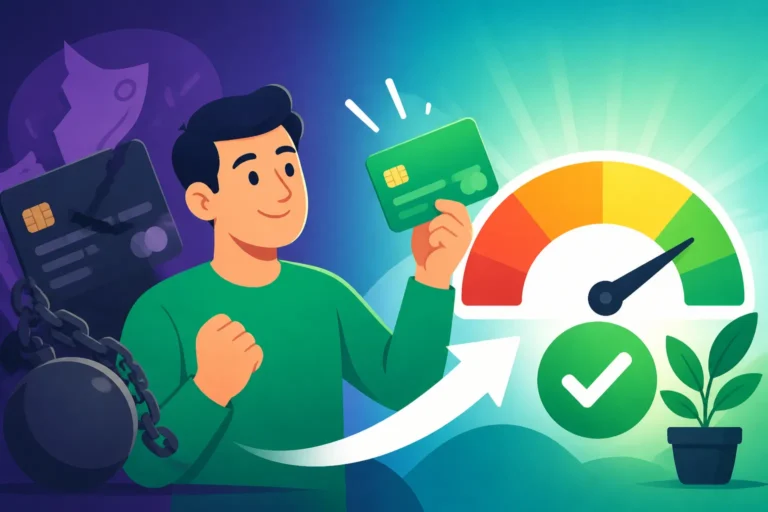
Paying off a significant amount of credit card debt has a profoundly positive impact on your credit score, primarily by reducing your credit utilization ratio. This ratio, which compares the amount of credit you're using to the total credit available to you, is a major factor in how your credit score is calculated. The lower your utilization, the better for your score. As your balances drop from $15,000, you'll likely see a healthy bump in your credit score. Understanding How Credit Card Debt Affects Your Credit Score can help you appreciate the full benefit of your hard work.
Once your debt is managed, focus on maintaining good credit habits. This includes making all payments on time (which impacts your payment history, the largest factor in your score) and keeping your credit utilization low. If your credit took a hit during your debt journey, you might consider tools to actively rebuild it. Products like a Credit Strong credit builder loan can be an excellent way to add positive payment history and diversify your credit mix without taking on more high-interest credit card debt. These tools help you build credit by essentially saving money while reporting your payments to the credit bureaus. For more on this, check out our guide on How to Build Credit After Collections, which offers strategies applicable even after you've paid off your credit cards. Ultimately, the goal is to reach a What Is a Good Credit Score? (2026 Ranges Explained) and maintain it.
Disclaimer
The information provided in this article is for general informational purposes only and does not constitute financial, legal, or professional advice. Always consult with a qualified financial advisor or credit counselor before making significant financial decisions.