What Happens to Your Score When You Pay Off a Loan?
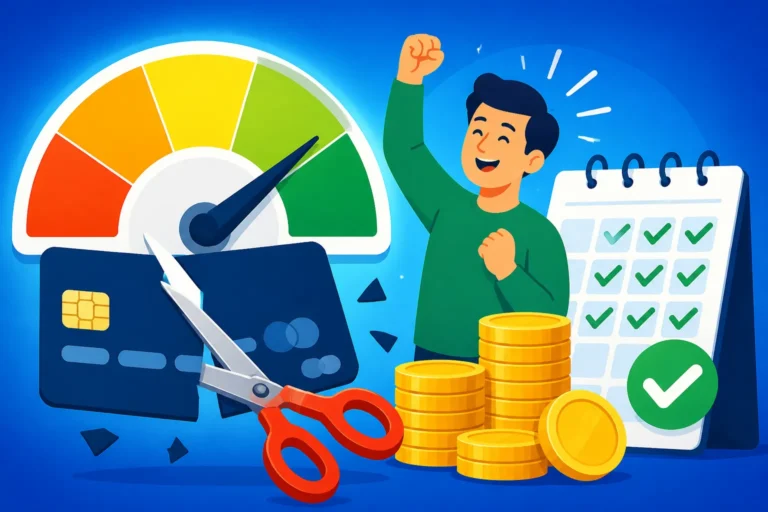
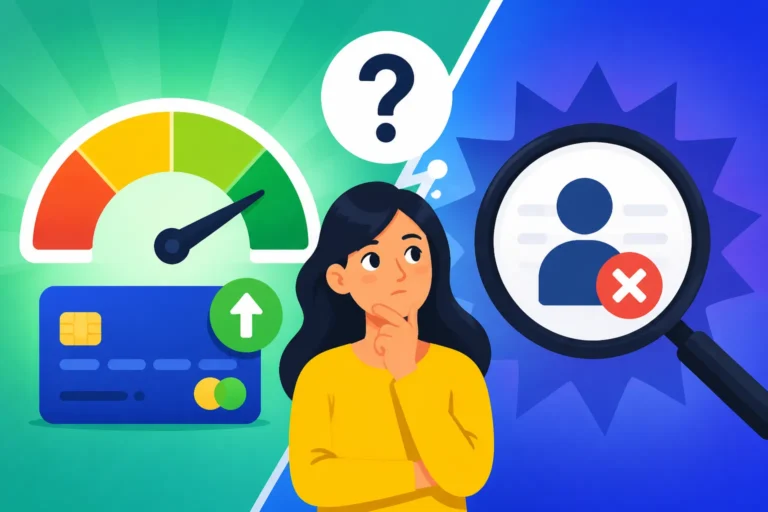
It's a really common experience: you've diligently chipped away at a loan, month after month, finally making that last payment, and you feel this huge sense of accomplishment. You check your credit score, expecting a massive jump, a ticker-tape parade of points, only to find… well, maybe a slight bump, or even a tiny dip, and a whole lot of confusion. This guide is here to unravel that mystery, explaining exactly what factors come into play when you pay off a loan and how it truly impacts your credit score, helping you understand the real picture.
The Pillars of Your Credit Score
Before we can truly understand what happens when a loan is paid off, it's essential to grasp the fundamental components that make up your credit score. Think of your credit score not as a single number, but as a dynamic reflection of your entire financial history, meticulously compiled from several key areas. Each one plays a role in how a paid-off loan might affect you. If you're looking for a broader understanding of how your score is calculated, you might want to check out our comprehensive guide on What Affects Your Credit Score? The 5 Factors.
Payment History: The Most Important Ingredient
When it comes to your credit score, your payment history is undeniably king. It accounts for about 35% of your FICO score, which is the model most lenders use. This factor looks at whether you've paid your bills on time, every time. A single late payment can significantly ding your score, and unfortunately, those negative marks tend to linger for quite a while.
When you successfully pay off a loan, what you've essentially done is added a closed account with a perfect payment record to your credit report. This is a huge positive! It demonstrates reliability and responsibility. For that specific loan, you've proven you can handle debt as agreed. This perfect record remains on your report for up to 7-10 years, continuing to positively influence your score by showcasing your consistent good behavior, even long after the account is closed.
Credit Utilization: Managing Your Revolving Debt
Credit utilization refers to how much of your available revolving credit you're currently using. This primarily applies to credit cards and lines of credit, not installment loans. It makes up about 30% of your credit score, making it the second most impactful factor. Lenders like to see you using less than 30% of your available credit, and ideally even lower, closer to 10% or less, to be considered a low-risk borrower.
When you pay off an installment loan like a car loan or a mortgage, your credit utilization ratio on revolving accounts doesn't directly change. You haven't freed up credit card limits, for instance. However, paying off a loan does reduce your overall reported debt load. While this doesn't directly factor into the credit utilization ratio itself, having less debt across the board can still be viewed favorably by lenders and certain scoring models. It's a subtle but important distinction. Keeping your credit card balances low is paramount, as discussed in detail in our guide on Credit Utilization: The Complete Guide.
Length of Credit History: The Test of Time
The longer your credit history, the better. This factor, accounting for about 15% of your score, considers the age of your oldest account, the age of your newest account, and the average age of all your accounts. A lengthy credit history with responsible usage shows lenders that you have sustained experience managing credit over time.
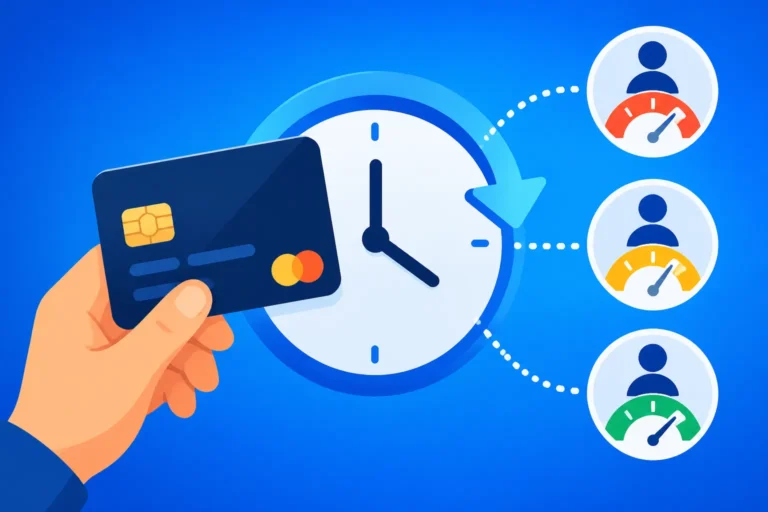
When you pay off a loan, that account becomes a "closed" account on your report. The good news is that closed accounts with positive payment histories continue to contribute to your average age of accounts for a significant period (often up to 10 years). So, paying off a loan that's relatively new might have a negligible impact on your average age. However, if the loan you just paid off was your absolute oldest account, its eventual removal from your active credit mix years down the line could slightly reduce your average account age, but this is a long-term, minor effect, not an immediate one.
Credit Mix: A Well-Rounded Financial Profile
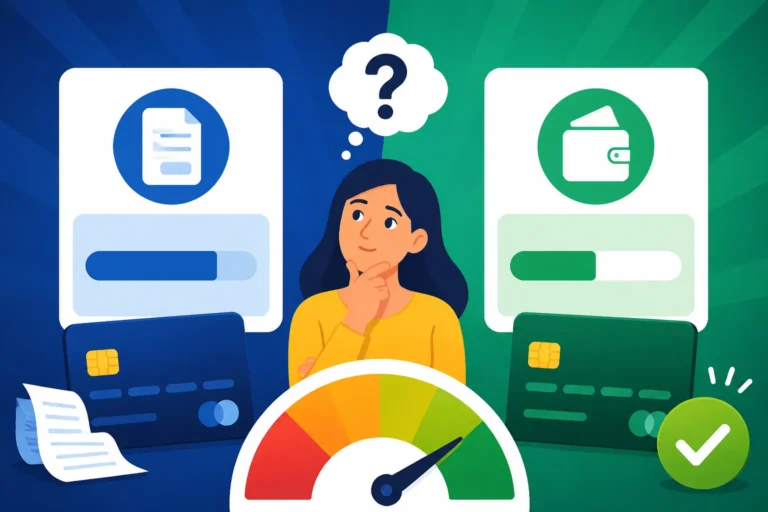
Lenders like to see that you can responsibly manage different types of credit. This is known as your credit mix, and it accounts for roughly 10% of your credit score. Having a mix of both installment loans (like mortgages, auto loans, or personal loans) and revolving credit (like credit cards) can be seen as a positive. It demonstrates versatility in managing various financial commitments.
When you pay off an installment loan, that specific account moves from being an "open" installment account to a "closed" one. If you have other installment loans or revolving accounts, your credit mix might not see a dramatic change. However, if this was your only installment loan and now you only have credit cards, for example, your credit mix could be slightly less diverse in the eyes of some scoring models. It’s a small piece of the puzzle, but it’s there.
New Credit: Don't Overdo It
The final 10% of your credit score comes from new credit. This refers to recent applications for credit and newly opened accounts. Each time you apply for new credit, a hard inquiry typically appears on your credit report, which can cause a small, temporary dip in your score. Having too many new accounts or inquiries in a short period can signal to lenders that you might be in financial distress or are taking on too much new debt.
Paying off an existing loan doesn't directly involve applying for new credit, so this factor generally isn't affected by a loan payoff itself. The key here is not to immediately go out and apply for a bunch of new credit cards or loans just because you've paid one off. That could undo some of the positive effects.
Understanding Different Loan Types and Their Credit Impact
Not all loans are created equal when it comes to their structure and how they appear on your credit report. The type of loan you pay off can subtly shift the way your credit score reacts, so let's break down the common categories.
Installment Loans: Predictable Payments, Predictable End
Installment loans are perhaps the most straightforward type of loan. These are loans where you borrow a fixed amount of money, agree to pay it back over a set period (the term), and make regular, fixed monthly payments. Common examples include:
- Mortgages: For buying a home.
- Auto Loans: For purchasing a vehicle.
- Personal Loans: For a variety of purposes, often unsecured.
- Student Loans: For educational expenses.
- Credit Builder Loans: Specifically designed to help people establish or improve their credit.
When you pay off an installment loan, a few things happen. First and foremost, you eliminate that specific debt from your financial obligations. This reduces your overall debt load, which is a definite positive in the eyes of lenders, even if it doesn't always translate into a massive, immediate score boost.
Second, the account moves from an "open" status to a "closed" status on your credit report. For a mortgage or auto loan, this is usually a significant account. If you've had it for many years and always paid on time, it leaves behind a fantastic trail of positive payment history. This contributes to the age of your credit history and serves as strong evidence of your reliability.
For those just starting out or looking to add diversity to their credit mix, credit builder loans are a great example of an installment loan. Companies like Credit Strong offer products that allow you to make small, regular payments that are reported to the credit bureaus, building a positive payment history over time. Once you pay off a Credit Strong loan, for instance, you've completed an installment account with a perfect record, which can be immensely helpful, especially if you had a thin credit file to begin with.
Revolving Credit: Flexible Spending, Ongoing Debt
In contrast to installment loans, revolving credit gives you a credit limit that you can borrow from repeatedly, pay back, and then borrow from again. There isn't a fixed end date for the account itself, only for the repayment of any outstanding balance. The most common example is:
- Credit Cards: You use them, pay them down, use them again.
- Home Equity Lines of Credit (HELOCs): Similar to a credit card but secured by your home equity.
While the article focuses on loans, it's crucial to understand the difference. When you "pay off" a credit card, you're bringing its balance to zero, but the account remains open. This action directly and significantly impacts your credit utilization ratio (often positively), which can lead to a quick score improvement. The impact is usually more immediate and noticeable than paying off an installment loan because utilization is such a volatile and important factor.
If you're struggling with credit card debt, resources like How to Pay Off Credit Card Debt Fast can provide invaluable strategies. Keeping your revolving balances low is key to a healthy credit score, irrespective of how many installment loans you have.
The Immediate and Long-Term Effects of Paying Off a Loan
So, you've finally made that last payment. What happens next? The impact on your credit score isn't always as straightforward as people hope. It's a combination of immediate benefits and some potential, minor, and usually temporary downsides.
The Immediate Boost: Reduced Debt Burden
The most significant and undeniable positive effect of paying off a loan is the reduction of your total outstanding debt. While this doesn't directly translate into a sudden surge in your credit score, it certainly signals financial health to future lenders.
- Zero Balance for that Account: When a loan account shows a zero balance on your credit report, it removes a financial obligation you had. This is a clear indicator that you're successfully managing your debts.
- Improved Debt-to-Income Ratio (DTI): Your DTI isn't a direct credit scoring factor, but it's hugely important to lenders when you apply for new credit, especially large loans like a mortgage. It's calculated by dividing your total monthly debt payments by your gross monthly income. By eliminating a loan payment, you instantly improve your DTI, making you a more attractive borrower for future financing. For instance, if you were paying $300 a month on a car loan and your gross monthly income was $4,000, paying off that loan would instantly improve your DTI from say, 35% to 27%, depending on your other debts. That's a big deal for approval odds and interest rates on new loans.
- Reduced Risk Profile: From a lender's perspective, someone with fewer debts is less risky. You have more disposable income and less financial strain, making you more likely to pay back any new loans responsibly. This general reduction in risk is a net positive, even if specific scoring algorithms don't award an arbitrary number of points for it.
The Potential (Temporary) Dip: Account Closure and Credit Mix
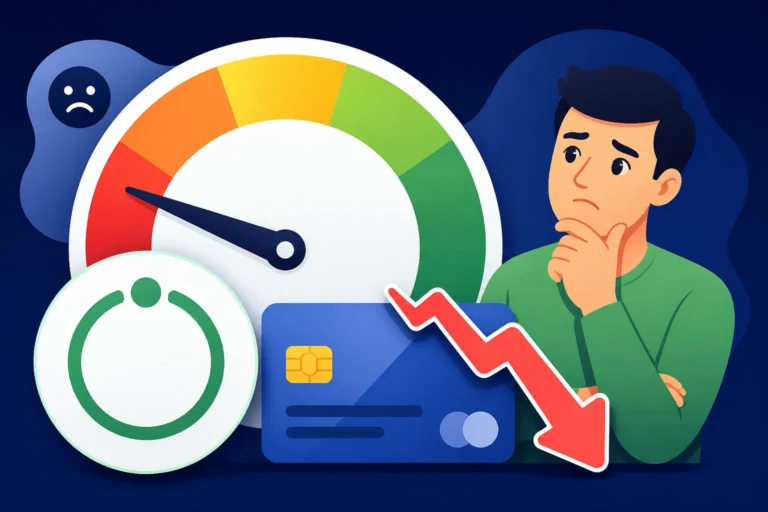
This is often the most confusing and frustrating part for many people: why did their score actually drop, even slightly, after paying off a loan? It's not because you did something wrong; it's just how the algorithms sometimes interpret the change.
- Loss of an Active Account: Credit scoring models like to see a healthy number of open, active accounts that are being managed responsibly. When you pay off and close an installment loan, you lose one of those active accounts. If it was a long-standing account, it was contributing to your credit mix and average age of accounts. Its closure can, in the short term, slightly reduce your total number of accounts and potentially impact the average age of your open accounts, which can cause a minor, temporary dip.
- Shift in Credit Mix: If the paid-off loan was your only installment loan, and now you only have revolving credit (like credit cards), your credit mix becomes less diverse. While this is a minor factor (around 10% of your score), a less diverse mix can sometimes lead to a small score reduction. It's not a dramatic drop, but it can be noticeable. For those concerned about maintaining a good credit mix, considering a small, controlled installment product like a Credit Strong credit builder loan could be a strategic move to show diversity without taking on significant new debt.
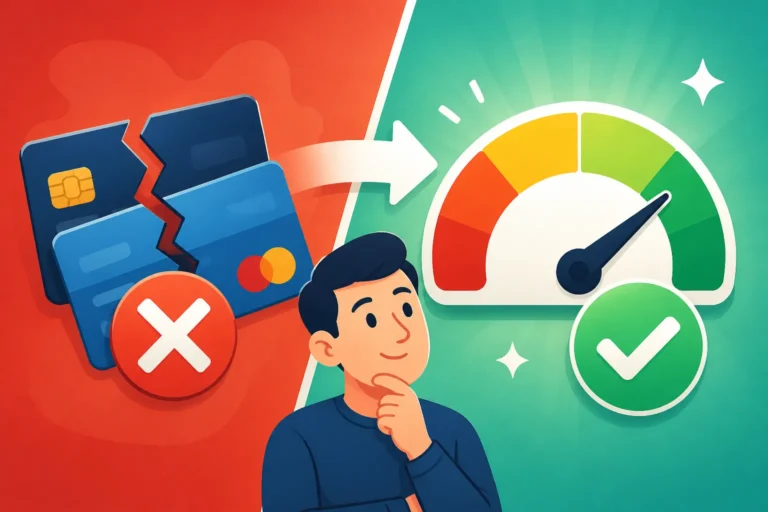
It's crucial to remember that any dip is usually minimal and short-lived. The long-term positive impact of having successfully paid off a loan almost always outweighs this minor, temporary setback. If you've noticed your credit score drop for other reasons, our guide on Why Did My Credit Score Drop? Common Reasons might shed more light.
Let's look at a hypothetical scenario to illustrate the immediate vs. long-term impacts:
| Factor | Immediate Effect (Month 1-3) | Long-Term Effect (6+ Months) |
|---|---|---|
| Payment History | Solidifies positive history for that loan | Continues to contribute positively for up to 10 years |
| Credit Utilization | No direct change to revolving utilization | Overall debt burden is lower, improves DTI (non-score) |
| Length of History | Slight decrease in average age of open accounts | Closed account still contributes for up to 10 years |
| Credit Mix | Potentially less diverse if it was your only type | Stabilizes if other accounts are present or new mix formed |
| New Credit | Unaffected (unless you open new credit) | Unaffected (unless you open new credit) |
| Overall Score | Small, temporary dip possible or minor gain | Generally positive, reflecting reduced debt and good history |
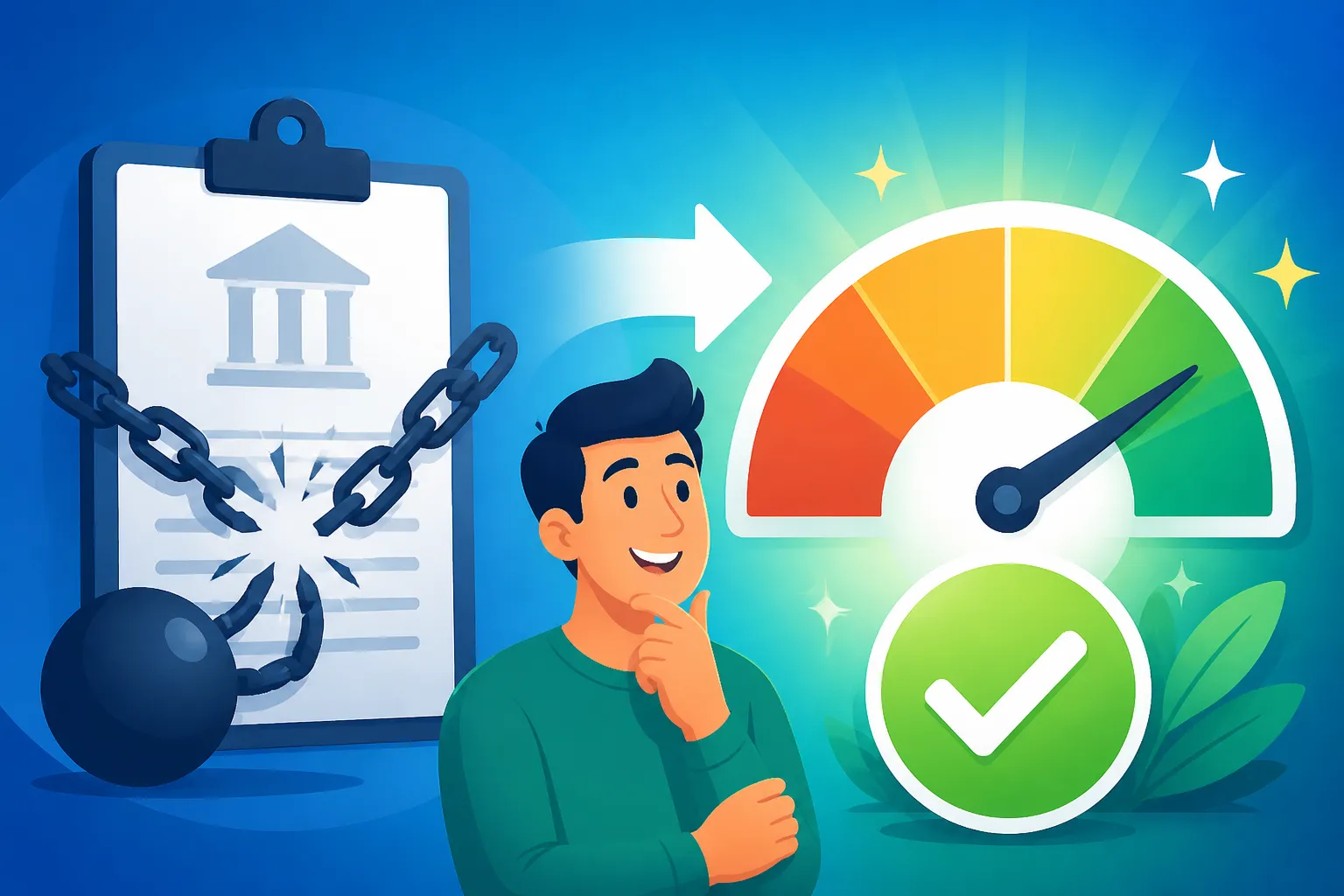
Ultimately, paying off a loan is a financially responsible move and nearly always beneficial for your credit health in the long run. Don't let a small, temporary dip discourage you.
Strategies for Managing Your Score After a Loan Payoff
While paying off a loan is undoubtedly a positive financial milestone, it's wise to have a plan to ensure your credit score continues its upward trajectory. These strategies can help you maximize the benefits and minimize any potential temporary score fluctuations.
Continue Flawless Payment History on Remaining Accounts
The importance of payment history simply cannot be overstated. Even after one loan is paid off, your remaining credit accounts—whether they're other installment loans, credit cards, or even utility bills that report to bureaus—must be paid on time, every single month.
Make it a habit to set up automated payments or calendar reminders for all your due dates. Missing a payment on even a small credit card can cause a far more significant drop in your score than any temporary dip from closing a loan account. If you're looking for more general ways to boost your score, check out How to Raise Your Credit Score (Step-by-Step). Consistency truly is the key here.
Keep Credit Card Utilization Low
Since your credit utilization on revolving accounts becomes an even more prominent factor once an installment loan is paid off, diligently managing your credit card balances is critical. Aim to keep your total credit card utilization below 30% across all your cards, and ideally even lower, closer to 10%.
This means if you have a total of $10,000 in credit card limits across all your cards, try to keep your collective balance under $1,000. If you can pay off your statement balance in full each month, even better! This strategy not only helps your credit score but also saves you money on interest. For a deeper dive, read our article on What Is a Good Credit Utilization Ratio?.
Consider a Credit Builder Loan or Secured Card
If the loan you just paid off was your only installment loan, and you now only have credit cards, you might find your credit mix has become less diverse. To counteract this and maintain a healthy blend of credit types, you could consider a credit builder loan or a secured credit card.
A credit builder loan, like those offered by Credit Strong, is specifically designed to help you add an installment account to your credit report. You make small, regular payments, which are reported to the credit bureaus, building positive payment history and demonstrating your ability to handle installment debt responsibly. Once the loan term is complete, you receive the funds, plus any interest earned.
Similarly, a secured credit card requires a security deposit, which typically becomes your credit limit. It functions much like a regular credit card, but it's easier to obtain if you have limited credit history or are rebuilding your credit. Using it responsibly and paying on time helps build positive credit history and improve your credit mix. You can learn more about these options in our guides on Credit Builder Loans Explained (Self, Kikoff & More) and Secured Credit Cards: How They Build Credit. The goal isn't to take on unnecessary debt but to strategically add a different type of positive account to your report.
Regularly Monitor Your Credit Report
After any significant credit event, like paying off a loan, it's always a good idea to keep a close eye on your credit report. You want to ensure that the loan is reported as "paid in full" and that no inaccuracies have popped up.
You're entitled to a free copy of your credit report from each of the three major bureaus—Equifax, Experian, and TransUnion—once every 12 months through AnnualCreditReport.com. Make it a point to review them. Look for correct account statuses, accurate balances, and ensure there are no unfamiliar accounts or hard inquiries. Catching and disputing errors quickly is crucial. Our guide on How to Get Your Free Credit Report provides all the details you need to access yours.
Dispelling Common Myths About Loan Payoffs and Credit Scores
There are a lot of misconceptions floating around about credit scores, and what happens when you pay off a loan is a prime example. Let's clear up some of these myths so you can approach your credit health with realistic expectations.
The Myth of the Instant 100-Point Jump
One of the biggest myths is that paying off a loan will instantly send your credit score soaring by 50, 80, or even 100 points. While it's true that eliminating debt is a hugely positive financial move, the impact on your score itself is usually more modest and nuanced, especially for installment loans.
Think about it: an installment loan has a fixed payment schedule. By the time you're making your last payment, you've likely already demonstrated years of responsible payment history. The scoring model has already factored in those on-time payments, and they've been positively influencing your score throughout the loan term. The final payment simply completes that positive history; it doesn't suddenly add a massive new layer of creditworthiness that wasn't there before. The most significant boosts from paying down debt usually come from reducing high balances on revolving credit accounts, like credit cards, due to the direct impact on utilization.
The Nuance of Credit Mix and Age
Another common point of confusion stems from the credit mix and age of accounts. People sometimes worry that closing an account, even a paid-off one, will tank their score. While it's true that the average age of your open accounts might slightly decrease, and your credit mix might shift, the overall impact is generally minimal.
Remember, a closed account with a perfect payment history remains on your credit report for many years (up to 10 years for most accounts), continuing to contribute to your historical credit age. It's not like the account simply vanishes from your history. The positive past payments will still be there, serving as a testament to your reliability. The "credit mix" factor (10% of your score) is also less impactful than payment history or utilization. Unless the paid-off loan was your absolute only form of installment credit and you have very few other accounts, this effect is usually negligible in the long run.
It's About the Overall Picture, Not One Event
The most important reality to grasp is that your credit score is a holistic snapshot of your entire credit profile, not just a reaction to a single event. It's built on a consistent pattern of responsible behavior over time, across multiple accounts.
Paying off one loan is a fantastic achievement and a strong indicator of financial responsibility. It cleans up your balance sheet, improves your debt-to-income ratio for future borrowing, and solidifies a positive payment history. But it's just one piece of a much larger puzzle. The ongoing management of your other credit accounts, maintaining low credit card utilization, and avoiding new debt will have a far more significant and sustained impact on your score than the mere act of closing a single installment loan. For a broader perspective on how long it takes to see real change, explore How Long Does It Take to Improve Your Credit Score?.
Disclaimer
The information provided in this article is for general informational purposes only and does not constitute financial or legal advice. Credit scoring models are complex and can vary. It is always recommended to consult with a qualified financial advisor for advice tailored to your specific situation.