When Does a Credit Card Report to the Bureaus?
It’s incredibly frustrating when you’re diligently paying your credit card bills on time, trying your best to build or maintain a good credit score, and yet it feels like your efforts aren't immediately reflected on your credit report. Many people wonder about the invisible dance between their credit card activity and the official records kept by the credit bureaus. Understanding when your credit card reports to the bureaus is key to demystifying your credit score and making your financial efforts count. This guide will walk you through the precise timing and processes, so you can stop guessing and start strategizing.
Understanding the Credit Reporting Cycle
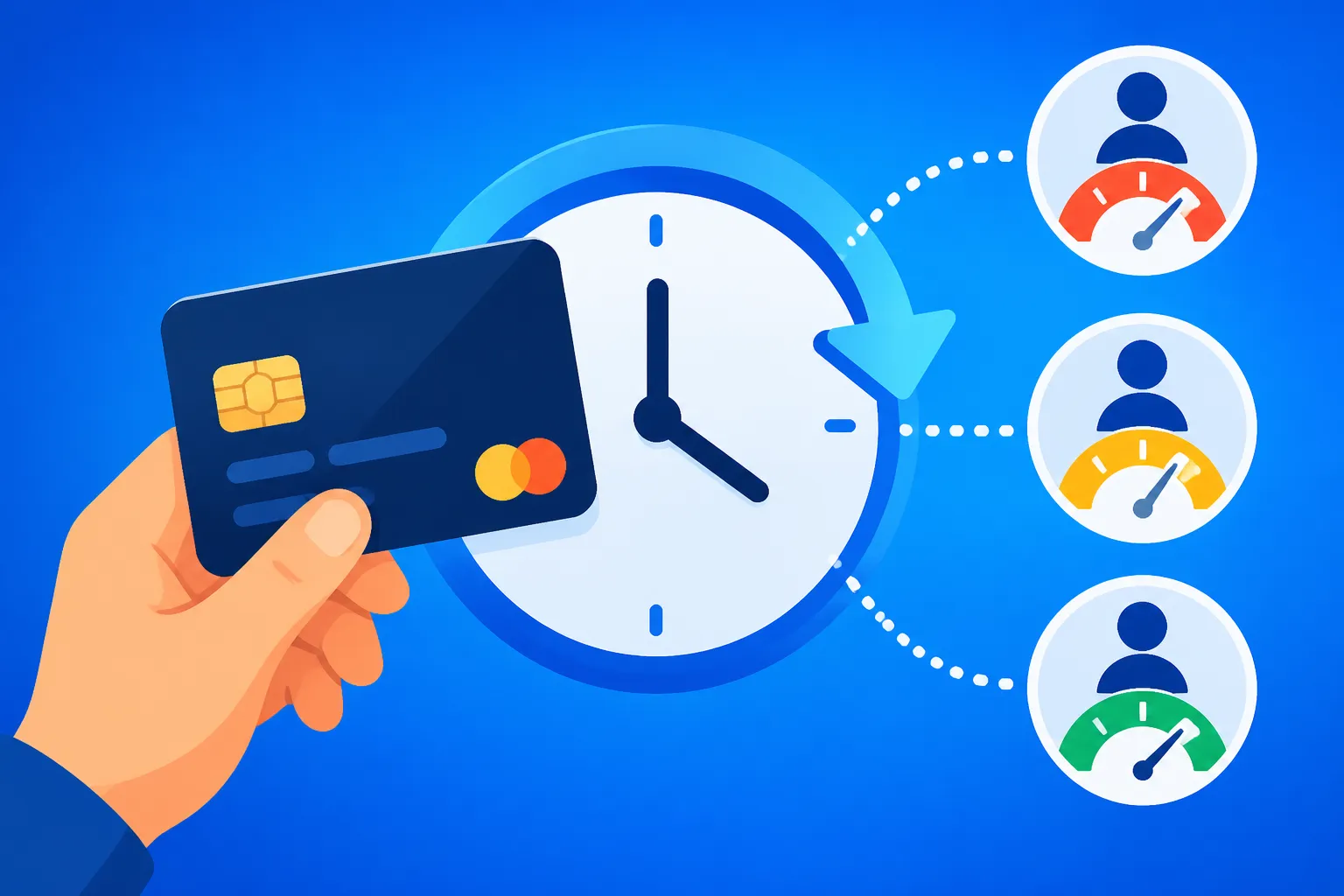
The world of credit reporting can feel like a labyrinth, but once you understand the basic cycle, it becomes much clearer. Every month, your credit card issuer compiles information about your account and sends it off to the major credit bureaus. This isn't a random event; there's a specific rhythm to it that directly influences what lenders and other entities see when they check your credit.
The Role of the Three Major Credit Bureaus
First things first, let's talk about the big three: Equifax, Experian, and TransUnion. These are the primary consumer credit reporting agencies in the United States. Your credit card issuer doesn't just send information into a void; they report to these specific companies. It's important to remember that while they all receive data, they might not receive it at the exact same moment, or they might process it slightly differently, which is why you sometimes see variations between your reports from each bureau. Many folks ask, "Why Are My 3 Credit Reports Different?" and this timing discrepancy is often a contributing factor.
Each bureau then uses the data they receive to compile your individual credit report, which includes details about your accounts, payment history, balances, and more. This information is then used by various scoring models, like FICO and VantageScore, to generate your credit scores. So, when we talk about reporting, we're talking about the flow of data from your card issuer to these three vital repositories.
The Creditor's Reporting Process
Credit card companies have their own internal schedules for when they gather and transmit account data. While there isn't a universal "credit reporting day" for all cards and all issuers, there's a very strong pattern. Most credit card issuers report your account activity to the credit bureaus around the time your monthly statement closes. This isn't when your payment due date is, but rather the end of your billing cycle.
Think about it: your credit card statement reflects all the activity, including purchases, payments, and the resulting balance, for a specific period. Once that statement "closes," the issuer then has a complete snapshot of your account for that cycle. It's this snapshot that gets packaged up and sent to Equifax, Experian, and TransUnion. This process ensures that the information shared is consistent with the figures you see on your statement. This means that if you make a payment after your statement closes but before the due date, that payment might not be reflected in the balance reported to the bureaus for that specific month.
How the Statement Closing Date Dictates Reporting
This is perhaps the most crucial detail to grasp: your credit card's statement closing date is the invisible hand guiding when your information hits your credit report. On this date, the credit card company calculates your balance, interest, and minimum payment due for that billing cycle. The total balance shown on that statement is typically the amount that will be reported to the credit bureaus.
Let's say your credit card statement closes on the 15th of every month. Any purchases or payments made before the 15th will be included in that month's statement balance and subsequently reported. However, if you make a large payment on the 16th – the day after your statement closed – that payment won't reduce the reported balance until the next reporting cycle, after the next statement closes. This timing is incredibly important for managing your credit utilization, which is a major factor in your credit score. If you're trying to achieve a specific credit utilization percentage for an upcoming loan application, understanding this exact timing is absolutely critical. You can learn more about how crucial this factor is in our guide on what affects your credit score.
Key Reporting Milestones and Their Impact
Knowing when data is reported is only half the battle; understanding what gets reported and how it impacts your score is just as vital. Different types of activities on your credit card have varying levels of significance when they hit your credit file.
Initial Account Opening and First Report
When you first open a new credit card, there's a bit of a waiting game before it appears on your credit report. The card issuer generally won't report the account until your first statement closes, and sometimes it can take a full billing cycle or two for it to show up across all three bureaus. This initial report will establish your account on your credit file, including the date opened, your credit limit, and usually a zero balance if you haven't made any purchases yet.
This first report is a significant milestone, especially for those who are new to credit or working to build their credit history. It starts the clock on your "length of credit history," which is a component of your credit score. For instance, if you're using a tool like Credit Strong to establish credit through a credit builder loan, the opening of that account and its consistent reporting are what will begin to positively shape your credit profile from the ground up. Don't be alarmed if it takes a few weeks; patience is key here.
Monthly Payment Activity and Balances
Every month, the credit card issuer reports your payment activity and your statement balance. This is where the rubber meets the road for your credit score. Your payment history is the single most important factor, accounting for 35% of your FICO score. A positive payment history, showing on-time payments, is the bedrock of good credit. Conversely, a late payment can severely damage your score, and unfortunately, it can stay on your credit report for up to seven years. We have a detailed article on how long does a late payment stay on your credit report?
The reported balance directly impacts your credit utilization ratio – the amount of credit you're using compared to your total available credit. If your statement closes with a high balance, even if you pay it off in full before the due date, that high balance is what gets reported, potentially causing a temporary dip in your credit score. This is why knowing your statement closing date is so powerful; it allows you to manage the balance that gets reported. A balance of less than 30% of your credit limit is generally recommended, and even lower, ideally under 10%, for optimal scores. Our guide on "What is a good credit utilization ratio?" can provide even more insights.
Late Payments and Their Immediate Fallout
A late payment is probably the most feared piece of information on a credit report, and for good reason. Credit card issuers typically report payments as "late" once they are 30 days past the due date. They usually won't report a payment that is just a few days overdue, but once that 30-day mark passes, they are very likely to inform the credit bureaus.
When a 30-day late payment is reported, you can expect a noticeable drop in your credit score. The exact impact depends on various factors, including your overall credit history and how high your score was to begin with. The higher your score, the harder it typically falls. Subsequent late payments (60, 90, 120+ days) cause even more damage. This is why it's so crucial to make at least the minimum payment on time, every single month. If you accidentally miss one, contacting your issuer immediately might sometimes prevent it from being reported if it's caught early enough, though this is not guaranteed and often depends on your payment history with that specific creditor.
Why Timing Matters for Your Credit Score
Understanding the credit card reporting cycle isn't just academic; it has practical implications for how you manage your credit and, ultimately, your credit score. By strategically timing your payments, you can significantly influence the numbers that lenders see.
Optimizing Your Credit Utilization Ratio
Your credit utilization ratio is one of the most heavily weighted factors in your credit score, second only to payment history. It looks at how much of your available credit you're currently using. For example, if you have a credit card with a $5,000 limit and your statement closes with a $1,000 balance, your utilization for that card is 20%. The general rule of thumb is to keep your overall utilization below 30%, but truly excellent scores often see utilization below 10%.
Since your statement balance is what typically gets reported, you have a golden opportunity to influence this ratio. By paying down a significant portion, or even the entire balance, before your statement closing date, you can ensure a much lower utilization is reported to the credit bureaus. This strategy is incredibly effective, especially if you're planning a major credit application like a mortgage or car loan in the near future. It allows you to present the best possible credit profile. Our guide on "How to Lower Your Credit Utilization Fast" offers more practical advice on this topic.
The Impact on Credit Applications
Lenders review your credit report and score to assess your creditworthiness when you apply for a loan or a new credit card. The information they see is usually the most recent data reported by your creditors. If your credit card reports a high balance just before you apply for a mortgage, that high utilization could make you appear riskier, potentially leading to a higher interest rate, a lower loan amount, or even an outright denial.
Imagine you're applying for a car loan. You know your statement closes on the 20th. If you make a large purchase on the 10th and don't pay it down until after the 20th, that higher balance will be reflected on your report. A smart move would be to pay down that large purchase before the 20th, so a lower utilization is reported, demonstrating responsible credit management. This strategic timing can literally save you thousands of dollars in interest over the life of a loan.
Avoiding Common Pitfalls
Many people fall into the trap of thinking that paying their bill by the due date is enough. While it prevents late payment penalties and derogatory marks, it doesn't necessarily optimize your reported credit utilization. A common pitfall is carrying a high balance from month to month, even if you’re always paying the minimum on time. If that high balance is consistently reported, it suppresses your score.
Another pitfall is not checking your credit reports regularly. Errors can occur, and sometimes a creditor might report incorrect information, such as an outdated balance or even a late payment that was actually on time. Regularly reviewing your credit reports allows you to catch these inaccuracies early. You can get free copies of your credit report from AnnualCreditReport.com. If you find errors, you should dispute credit report errors as quickly as possible.
What If Your Credit Card Isn't Reporting?
While most credit card issuers are pretty reliable about reporting to the bureaus, sometimes things go awry. It's not common, but it can happen that an account isn't showing up or isn't being updated as expected. This can be frustrating, especially if you're actively trying to build your credit history.
Checking Your Credit Reports Regularly
The very first step if you suspect an issue is to regularly check your credit reports from all three major bureaus: Equifax, Experian, and TransUnion. As mentioned, you're entitled to a free report from each once every 12 months through AnnualCreditReport.com. However, many credit monitoring services and even some credit card companies offer access to one or more of your reports or scores more frequently. This is critical because if an account isn't reporting, or is reporting incorrectly, you need to identify it before you can fix it. For a comprehensive understanding of what to look for, refer to our guide on how to read your credit report.
Look for the account in question. Is it listed? If so, is the information accurate? Check the credit limit, the balance, the payment status, and the date it was last reported. If an account you've had for a while is completely missing, or if the balances haven't updated in several months despite your activity, that's a red flag. Sometimes, the problem isn't that it's not reporting, but that it's only reporting to one or two of the bureaus, not all three.
Contacting Your Credit Card Issuer
If you've identified that an account isn't reporting or is reporting incorrectly, your next step is to contact your credit card issuer directly. Don't go straight to the credit bureaus just yet. The issuer is the source of the data, so they're often the best place to start. Have all your account information ready – account number, recent statement, and the specific discrepancy you've noticed.
Clearly explain the issue: "My [Credit Card Name] account is not appearing on my Experian report," or "My reported balance on my TransUnion report is incorrect; it should be [X] but shows [Y]." Ask them about their reporting schedule and confirm that they are indeed reporting to all three bureaus. Most reputable issuers will be able to investigate the matter and, if an error is found on their end, correct it and re-report the accurate information to the bureaus. This direct communication can often resolve the issue much faster than going through the dispute process with the bureaus first.
Disputing Inaccurate or Missing Information
If contacting your credit card issuer doesn't resolve the problem, or if they claim they're reporting correctly but the information on your credit report is still wrong or missing, then it's time to formally dispute the item with the credit bureaus. You have the right under the Fair Credit Reporting Act (FCRA) to dispute any information on your credit report that you believe is inaccurate or incomplete.
You can initiate a dispute online, by mail, or by phone with each credit bureau where the error appears. Provide them with all relevant documentation, such as account statements showing correct balances or proof of payment. The bureaus are then required to investigate your dispute, usually within 30 days. If their investigation finds the information to be inaccurate or unverifiable, they must remove or correct it. This process can sometimes feel like a marathon, but it's essential for maintaining an accurate credit file. Our detailed article on how to dispute with Equifax, Experian, and TransUnion can guide you through each bureau's specific process.
Strategies to Optimize Your Reporting Cycle
Once you understand the mechanics of credit card reporting, you can turn that knowledge into actionable strategies to improve or maintain a strong credit score. It's about being proactive rather than reactive with your credit management.
Strategic Payment Timing
This is where the statement closing date truly becomes your best friend. Instead of just paying your credit card bill by the due date, consider making payments before your statement closes. If you can pay off a large portion or even the entire balance a few days before your statement closing date, the credit card issuer will report that much lower balance to the bureaus. This instantly translates into a lower credit utilization ratio, which can give your credit score a healthy boost.
For example, if your statement closes on the 10th of the month and your due date is the 5th of the following month, aim to make your full payment by the 8th or 9th. This ensures that when the card issuer takes its snapshot on the 10th, your balance is minimal. This doesn't mean you should ignore your due date for the payment that's already on your statement; you still need to pay that minimum by its due date to avoid late fees. This strategy focuses on influencing the reported balance for the next cycle. Many credit-savvy individuals use this trick, sometimes even making two payments within a billing cycle: one before the statement closes to reduce the reported balance, and one before the due date to cover any new spending or to ensure the card is paid off in full.
Utilizing Smaller Balances for Better Scores
While a zero balance can look great, having some activity can be beneficial, showing you actively manage credit. However, the key is keeping those balances very low relative to your credit limit. A common piece of advice is to let a very small balance, perhaps 1-9% of your credit limit, report on one of your cards. This demonstrates active use without signaling high risk. This is sometimes called the "pizza method" – using your card for a small, easily payable expense.
This strategy is particularly helpful if you're working to build credit from scratch. By consistently using a small portion of your credit and paying it off before the statement close, or letting a tiny balance report and paying it quickly, you're building a strong positive payment history and showing low utilization. For example, if you have a credit builder product like the one offered by Credit Strong, or even a secured credit card, consistently showing low reported balances can expedite your journey to a higher score.
Leveraging Credit Builder Tools
For those who are just starting out or rebuilding their credit, understanding the reporting cycle is paramount when using credit builder tools. A credit builder loan, for instance, works by holding funds in a savings account while you make payments, and those payments are reported to the credit bureaus. Companies like Credit Strong specialize in this. The consistent, on-time payments on these loans are reported monthly, establishing a positive payment history and adding to your credit mix.
Similarly, secured credit cards report your activity just like traditional credit cards. By making small purchases and paying them off completely before the statement closing date, you can ensure a zero or very low utilization is reported, helping to build a strong credit profile. These tools are designed to facilitate positive reporting, so knowing their reporting schedule can help you maximize their benefit, ensuring every on-time payment and low balance contributes optimally to your score. Explore our guide on "Credit Builder Loans Explained (Self, Kikoff & More)" for more insight into these valuable resources.
Common Misconceptions About Credit Card Reporting
The world of credit is rife with myths and misunderstandings, and credit card reporting is no exception. Clearing up these misconceptions can save you from making choices that could inadvertently harm your credit score.
Believing Payments Are Reported Immediately
One of the most common misconceptions is that when you make a payment, it's reflected on your credit report almost instantly. As we've discussed, this isn't the case. While your payment is typically processed by your credit card issuer within a day or two, it won't impact your reported balance to the credit bureaus until after your next statement closing date.
This lag can cause frustration, especially if you're trying to quickly boost your score for a specific purpose. For example, if you pay off a high balance today and check your credit score tomorrow, you might not see any change because the updated balance hasn't yet been reported by the issuer and processed by the bureaus. It generally takes anywhere from a few days to a few weeks after your statement closes for the new information to appear on all your credit reports. Patience is crucial here; the system isn't designed for instant gratification.
Thinking Your Due Date is the Reporting Date
Another pervasive myth is conflating your payment due date with the date your activity is reported. These are two distinct dates. Your payment due date is the deadline by which your payment must be received to avoid late fees and a potential negative mark on your credit report. Your statement closing date, which usually occurs about 20-25 days before your due date, is the date when the issuer generates your bill and takes the snapshot of your account for reporting purposes.
So, while paying by the due date is critical for avoiding negative marks, it does not influence the balance that gets reported for that cycle. Only payments made before the statement closing date will affect the balance reported for that particular month. Understanding this distinction is fundamental to truly optimizing your credit utilization and, by extension, your credit score.
Assuming All Bureaus Update Simultaneously
It would be convenient if all three credit bureaus (Equifax, Experian, and TransUnion) updated your credit information at the exact same time, but they often don't. While most credit card issuers report to all three, the bureaus might process the information on slightly different schedules. One bureau might reflect an updated balance a few days before another, or an entirely new account might appear on one report before it shows up on the others.
This staggered updating is a normal part of the credit ecosystem. It’s why checking all three of your credit reports occasionally is a good practice, rather than relying solely on one. Services that provide a "single" credit score often only pull from one bureau, so what you see there might not be a complete picture of what's on file with the other two. To get the most accurate and comprehensive view, checking the distinct reports from each bureau is always the best approach. Our guide on "How to Get Your Free Credit Report" can help you navigate this process.
Disclaimer
This article is for general informational purposes only and does not constitute professional advice. Laws, prices and regulations vary by location and change over time. Consult a qualified professional for guidance on your specific situation.