Secured Credit Cards: How They Build Credit
It can feel incredibly frustrating when you're trying to establish financial footing, but you keep running into brick walls because you don't have a credit history – or worse, you have a credit history that's less than stellar. Lenders often demand to see a solid track record before they'll even consider you for a loan or a new credit card, leaving many of us wondering how we're supposed to get started in the first place. This comprehensive guide will walk you through everything you need to know about secured credit cards, a powerful tool designed to help you build or rebuild your credit responsibly and confidently.
Understanding the Credit Catch-22
The world of credit often feels like a bewildering maze, especially when you're standing at the entrance with no map and no experience. Many people find themselves trapped in a frustrating cycle: you need credit to get credit, but you can't get credit without it. This "credit catch-22" is a very real challenge, and it impacts millions of individuals looking to secure their financial future.
The Frustration of No Credit History
Imagine trying to rent an apartment, get approved for a car loan, or even set up utilities, only to be told you don't have enough credit history. It's a common scenario for young adults just starting out, new immigrants, or anyone who's always paid for everything with cash or a debit card. You might be a perfectly responsible person with a stable income, but without a documented history of borrowing and repaying, the financial system sees you as an unknown quantity. Lenders simply have no way to assess your risk, and that often means a flat-out denial or exorbitant interest rates. It's not about being bad with money; it's about not having played the game before, and that can feel incredibly unfair. This is a crucial starting point for anyone asking How to Build Credit From Scratch (2026 Guide).
It's not just about large purchases, either. A lack of credit can affect smaller, everyday aspects of your life. For instance, some cell phone providers might require a significant deposit if you don't have a credit score they can review. Insurance premiums can also be higher in some states for individuals with lower or nonexistent credit scores. This constant uphill battle can be disheartening and make you feel like you're perpetually stuck in a less-than-ideal financial situation, despite your best efforts to be responsible.
Why a Low Credit Score Holds You Back
If you've had a few financial bumps in the road – maybe some late payments, a collection, or even a bankruptcy – you know the sting of a low credit score. It's not just a number; it's a barrier. A low score can prevent you from getting approved for loans, credit cards, or mortgages, and if you do get approved, the interest rates will likely be much higher, costing you thousands of dollars over the life of a loan. This can make it incredibly difficult to achieve significant life goals, like buying a home or even just financing a reliable vehicle for work.
Beyond lending, a poor credit score can also impact your life in unexpected ways. Landlords often check credit reports before approving rental applications, and a low score could mean missing out on your dream apartment or being asked for a larger security deposit. Some employers, particularly those in financial or management roles, even check credit reports as part of their background checks. It’s a harsh reality that your financial past, even if it feels distant, can continue to cast a long shadow over your present and future opportunities. Understanding How Credit Scores Work: The Complete Guide is the first step to overcoming these hurdles.
What Exactly Is a Secured Credit Card?
Secured credit cards are a unique and often misunderstood financial product. They represent a fantastic stepping stone for those who are either new to credit or need to repair damaged credit. Unlike traditional, unsecured credit cards, these cards require a different approach, primarily due to one key feature: a security deposit.
The Security Deposit Difference
The defining characteristic of a secured credit card is the collateral you provide in the form of a security deposit. When you apply for and are approved for a secured card, you'll be asked to deposit a certain amount of money, typically ranging from $200 to $2,500, with the card issuer. This deposit then becomes your credit limit. For example, if you deposit $300, your credit limit will be $300. This is fundamentally different from unsecured cards, which lend you money based solely on your creditworthiness.
This deposit acts as a safety net for the issuer. If, for some reason, you fail to pay your bill, the credit card company can use your deposit to cover the outstanding balance. This significantly reduces the risk for them, which is why secured cards are much easier to obtain for individuals with limited or poor credit history. It's your money essentially backing your spending, allowing the issuer to take a chance on you and give you the opportunity to prove your reliability. What's even better is that in most cases, this deposit is fully refundable once you close the account in good standing or graduate to an unsecured card.
How They Function Like Regular Credit Cards
Despite the security deposit, a secured credit card functions almost identically to a regular, unsecured credit card in your day-to-day life. You can use it to make purchases online, in stores, and for bills, just like any other Visa, Mastercard, or Discover card. You’ll receive a monthly statement, and you'll be expected to make at least the minimum payment by the due date. The interest rates, fees (like annual fees), and grace periods are also comparable to unsecured cards, though interest rates on secured cards can sometimes be on the higher side.
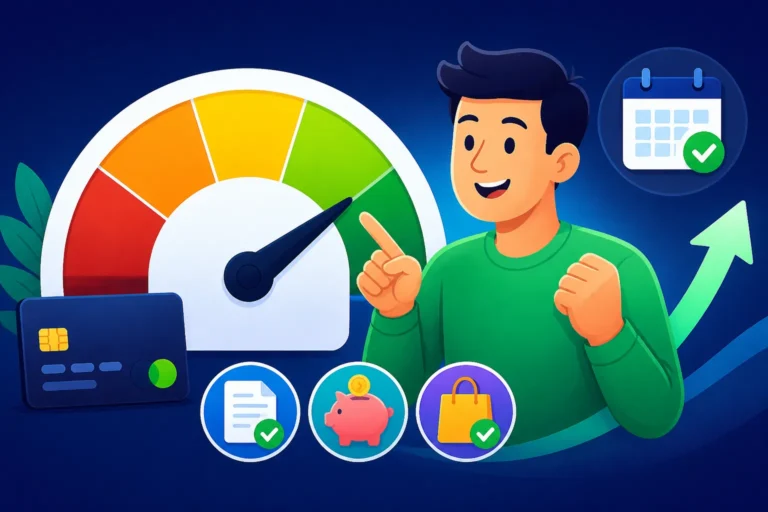
The most crucial similarity, however, lies in their reporting practices. Secured credit card issuers report your payment activity to the major credit bureaus – Equifax, Experian, and TransUnion. This is the whole point! Every on-time payment, every responsible use of your credit limit, gets recorded, contributing directly to the building or rebuilding of your credit history. This consistent reporting is how you demonstrate financial responsibility and gradually improve your credit score over time, moving you closer to better financial products. Comparing Secured vs Unsecured Credit Cards: Which to Get? can help solidify your understanding.
The Mechanics of Building Credit with Secured Cards
The magic of secured credit cards isn't just in getting approved; it's in how diligently and effectively they report your financial habits to the credit bureaus. This reporting is the engine that drives your credit score improvement, systematically proving your creditworthiness over time.
Reporting to the Credit Bureaus
The cornerstone of credit building with a secured card is consistent reporting to the three major credit bureaus: Equifax, Experian, and TransUnion. Every month, the card issuer sends a detailed report of your account activity. This includes whether you made your payment on time, your outstanding balance, your credit limit, and how long you've had the account. This information then feeds into the complex algorithms that calculate your credit scores, like FICO Scores and VantageScores.
It’s not just about one payment; it's about a pattern of responsible behavior. The longer you maintain an account in good standing, making on-time payments and managing your utilization, the more positive data accumulates on your credit report. This positive history begins to outweigh any previous negative entries or fills in the blanks for a thin credit file. Over time, this consistent positive reporting demonstrates to other lenders that you are a low-risk borrower, making them more likely to approve you for better loan terms or traditional credit cards. Knowing How to Read Your Credit Report (2026 Guide) is essential to track this progress.
Payment History: The Foundation of Your Score
When credit scoring models, like FICO, look at your credit report, payment history is by far the most influential factor, accounting for approximately 35% of your total score. This means that consistently making your payments on time is paramount. With a secured credit card, every single payment you make on or before the due date contributes positively to this crucial category. It’s a straightforward, almost therapeutic process: pay on time, and your credit score gets a boost.
Conversely, late payments can be incredibly damaging. Even one payment that's 30 days or more past due can cause a significant drop in your credit score, and that negative mark can stay on your report for up to seven years. Therefore, treating your secured card payments with the utmost seriousness is non-negotiable. Setting up automatic payments or calendar reminders can be an excellent strategy to ensure you never miss a due date and build that strong foundation of positive payment history. This factor is a major part of What Affects Your Credit Score? The 5 Factors.
Credit Utilization: Managing Your Spending
The second most important factor in your credit score, after payment history, is credit utilization, which makes up about 30% of your FICO Score. Credit utilization refers to how much of your available credit you're using. It's calculated by dividing your total outstanding balances by your total credit limits. For instance, if you have a secured card with a $300 limit and you have a $150 balance, your utilization is 50%.
The general rule of thumb is to keep your credit utilization as low as possible, ideally below 30% of your total available credit, but even lower is better. Aiming for 10% or even 0% when your statement closes can significantly help your score. With a secured card, where your limit might be relatively low (e.g., $200-$500), it's easy to accidentally hit high utilization. If your limit is $300, and you spend $100, you're already at 33%. The key is to make small purchases and pay them off quickly, ideally before your statement closing date, to show low utilization to the credit bureaus. Understanding Credit Utilization: The Complete Guide can help you master this aspect of credit building.
Choosing the Right Secured Credit Card
Not all secured credit cards are created equal. While their core function of building credit remains the same, the terms, fees, and features can vary significantly from one card to another. Taking the time to research and choose the right card for your specific needs is a crucial step towards successful credit building.
Key Factors to Consider
When you're looking for a secured credit card, don't just jump at the first offer you see. There are several important factors you'll want to carefully evaluate to ensure you're getting a product that genuinely helps you without unnecessary headaches or costs.
First, consider the annual fee. Some secured cards charge an annual fee, which can range from $29 to $75 or more. While this might seem like a small amount, it's an expense that eats into your budget and doesn't directly contribute to your credit limit. Ideally, you want to find a secured card with no annual fee. Second, look at the interest rate (APR). While the goal is always to pay your balance in full every month to avoid interest, life happens. A lower APR means if you ever do carry a balance, you'll pay less in interest charges. Third, evaluate the minimum and maximum security deposit requirements. Make sure the minimum deposit is affordable for you, and consider if you want to deposit more to get a higher credit limit, which can help keep your utilization low. Finally, research the upgrade path. Does the issuer offer a clear path to upgrade to an unsecured card after a period of responsible use? This is a huge benefit, as it means you can eventually get your deposit back without closing the account and potentially shortening your credit history.
Evaluating Different Secured Card Options
There are several reputable secured credit card options available, each with its own set of features. For instance, the Discover it Secured Credit Card is a popular choice because it offers rewards (something rare for secured cards) and has a clear path to convert to an unsecured card after consistent on-time payments. It also typically has no annual fee, which is a big plus. Another widely recognized option is the Capital One Platinum Secured Credit Card, which offers a variable security deposit based on your credit profile, potentially allowing for a lower initial deposit for some applicants.
Beyond these well-known options, there are other choices like the OpenSky Secured Visa Credit Card, which uniquely doesn't require a credit check, making it accessible even to those with previous credit issues or no credit at all, though it does often come with an annual fee. For those looking for alternative ways to build credit, a company like Credit Strong offers credit builder loans which can be an effective way to build payment history without the need for a traditional credit card, often complementing the use of a secured card. This diversified approach can be quite effective for building a robust credit profile.
What to Look for in an Upgrade Path to Unsecured
The ultimate goal for most secured cardholders is to "graduate" to an unsecured credit card. This means the issuer returns your security deposit and converts your account into a standard credit card, trusting you to manage credit without collateral. A clear and attainable upgrade path is a significant advantage when choosing a secured card.
Look for cards that explicitly state their graduation criteria. Some issuers, like Discover, will automatically review your account after a certain period (e.g., 7-12 months) of responsible use, characterized by on-time payments and low utilization. Others, like Capital One, might require you to initiate the upgrade request once you feel your credit has improved sufficiently. Understanding this process upfront is key. An issuer with a defined upgrade program signals that they are committed to helping you transition to better credit products, saving you the hassle of applying for a brand new unsecured card and potentially incurring another hard inquiry. This transition is often a key step in How to Get Your First Credit Card With No Credit.
Maximizing Your Credit-Building Potential
Simply having a secured credit card isn't enough; you need to use it strategically to truly make it work for you. Maximizing its potential means adopting habits that consistently feed positive data to your credit report, turning your efforts into tangible credit score improvements.
Best Practices for Using Your Secured Card
The way you manage your secured credit card can either accelerate your credit-building journey or inadvertently slow it down. Adhering to a few best practices will ensure you get the most out of this valuable tool.
Firstly, always pay your bill on time, every single month. This cannot be stressed enough, as payment history is the most important factor in your credit score. Set up automatic payments for at least the minimum amount, or even the full balance, to avoid any misses. Secondly, keep your credit utilization low. As discussed, aim to use no more than 30% of your credit limit, and ideally even less, like 10%. If your limit is $300, try to keep your balance below $90. You can achieve this by making small purchases and paying them off throughout the month, rather than waiting for the statement due date. For example, if you use the card for a $50 gas purchase, pay that $50 off a few days later instead of letting it sit on your statement.
Thirdly, use the card regularly, but responsibly. Don't let it sit unused, as an active account with a positive payment history is what helps build credit. However, don't overspend just to use it. Just a few small, paid-off transactions each month are sufficient. Finally, don't close old accounts once you've graduated. The length of your credit history (credit age) is another important factor. Keeping your first credit-building card open, even if it's no longer your primary card, helps maintain a longer average age of accounts on your credit report. These are all vital tips for How to Raise Your Credit Score (Step-by-Step).
Monitoring Your Progress
Building credit isn't a "set it and forget it" process. Actively monitoring your credit report and score is a critical step to ensure your efforts are paying off and to catch any errors that might hinder your progress. You are entitled to a free copy of your credit report from each of the three major bureaus once every 12 months via AnnualCreditReport.com. It’s a good idea to stagger these requests so you can check one every four months.
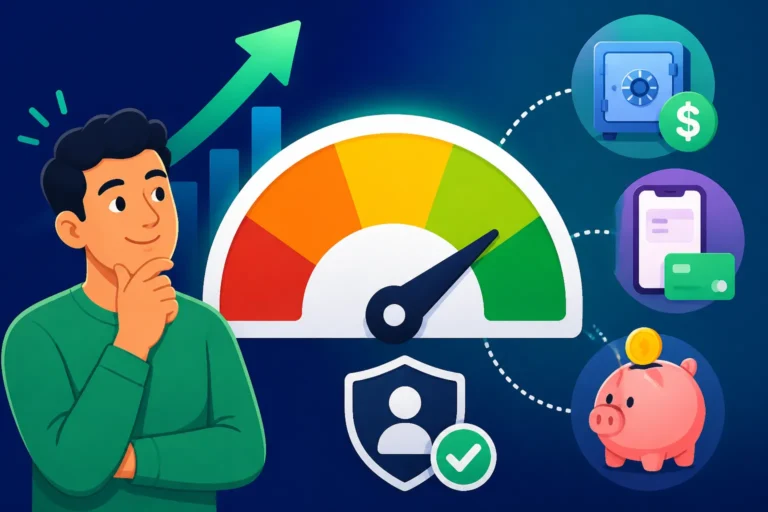
When reviewing your report, check for accuracy: Are all payments reported correctly? Are there any accounts you don't recognize? Is your personal information up-to-date? If you find any discrepancies, you'll want to dispute them immediately. Many credit card issuers and financial websites also offer free credit score monitoring services, providing an easy way to see how your score is trending. Keep an eye on your FICO Score and VantageScore to see the impact of your responsible secured card use. If you see unexpected changes, it could be a sign of an error or even potential identity theft, making it important to know How to Monitor for New-Account Fraud.
Here's a quick overview of how secured cards impact credit factors:
| Credit Factor | Contribution to FICO Score | How Secured Cards Help |
|---|---|---|
| Payment History | 35% | Consistent on-time payments build a positive track record. |
| Credit Utilization | 30% | Keeping balances low relative to your limit demonstrates responsibility. |
| Length of Credit History | 15% | The longer you keep the card open, the older your average account age. |
| Credit Mix | 10% | Adds a revolving credit account to your profile. |
| New Credit | 10% | Initial application causes a hard inquiry, but new account helps diversification. |
The Transition to an Unsecured Credit Card
The day your secured card graduates to an unsecured card is a significant milestone in your credit-building journey. It's a testament to your responsible financial habits and opens the door to more traditional credit products with potentially better terms.
When and How to Graduate
The timeline for graduating from a secured to an unsecured card varies widely depending on the issuer and your individual credit performance. Generally, most issuers will review your account for an upgrade anywhere from 7 to 18 months after you've opened the account. What they're looking for is a consistent pattern of responsible behavior: regular on-time payments, low credit utilization (ideally below 30%), and no other negative marks appearing on your credit report.
Some cards, like the Discover it Secured Card, will automatically graduate your account once you meet their internal criteria. They'll notify you that your deposit is being refunded and your account has been converted. Other issuers might require you to actively request the upgrade. If you've been managing your secured card well for over a year and haven't heard anything, it doesn't hurt to call customer service and inquire about their graduation policy and if you qualify. It shows initiative and that you're engaged with your financial health. This process is a great step in How to Build Credit Fast: What Actually Works.
What Happens to Your Security Deposit
The best part about graduating to an unsecured card is getting your security deposit back! Once your account successfully transitions, the issuer will typically refund your deposit. This refund can take various forms: some companies will mail you a check, others will credit the amount directly to your credit card account (which you can then spend or request as a cash disbursement), or they might deposit it into a linked bank account.
It’s important to note that the refund process isn't always immediate and can sometimes take a few weeks to a billing cycle to fully process. Once you receive your deposit back, you're free to use that money as you wish – whether it's for savings, to pay down other debt, or even to fund another credit-building tool like a credit builder loan. This is truly the reward for your hard work and diligent credit management with your secured card.
Potential Pitfalls and How to Avoid Them
While secured credit cards are excellent tools for building credit, they aren't without their potential downsides. Being aware of these common pitfalls and actively working to avoid them will ensure your credit-building journey remains smooth and successful.
Overspending and High Interest
One of the biggest traps with any credit card, including secured cards, is the temptation to overspend. Because your credit limit is backed by your own money, it might feel like you're just spending your savings. However, remember this is still credit, and if you carry a balance, you'll be charged interest, which can quickly erase any financial gains. Secured credit cards often come with relatively high Annual Percentage Rates (APRs), sometimes in the range of 20-25% or even higher. If you're not paying your balance in full each month, those interest charges can add up, making it harder to manage your debt and hindering your credit-building progress.
To avoid this, treat your secured card like a debit card and only spend money you already have in your bank account. Make a habit of paying off your balance in full every month, ideally before the statement closing date. This practice not only saves you money on interest but also ensures you're reporting low credit utilization to the bureaus, which is excellent for your credit score. If you find yourself struggling with overspending, consider a lower credit limit (if allowed) or limiting the card's use to a single recurring bill that you know you can always pay off. This helps to prevent needing a path like How to Pay Off Credit Card Debt Fast.
Annual Fees and Hidden Costs
While there are many excellent secured credit cards with no annual fee, some cards do charge one. An annual fee is a recurring charge, typically paid once a year, just for the privilege of having the card. For someone trying to build credit, an annual fee is an expense that doesn't contribute to your credit limit or directly to your credit score, making it less than ideal. Over several years, these fees can accumulate to a substantial amount.
Beyond annual fees, be on the lookout for other potential hidden costs. These could include application fees, maintenance fees, foreign transaction fees if you travel internationally, or even fees for increasing your credit limit. Always read the cardholder agreement carefully before applying. Look for a transparent fee structure and prioritize cards with minimal fees. The less money you spend on fees, the more you can put towards your security deposit or other financial goals, ultimately making your credit-building journey more cost-effective. For example, some cards might have a one-time setup fee, which isn't an annual fee but is still an upfront cost to consider.
Alternative Credit Building Strategies
While secured credit cards are a fantastic and effective way to build credit, they aren't the only option. Depending on your financial situation and goals, combining a secured card with other credit-building strategies can accelerate your progress and create a more robust credit profile.
Credit Builder Loans
Credit builder loans are another excellent tool, particularly for those who struggle with responsible credit card use or prefer a different approach. Unlike traditional loans where you receive the money upfront and pay it back, with a credit builder loan, the money is typically held in a locked savings account or Certificate of Deposit (CD) while you make monthly payments. Once the loan is fully paid off, you receive access to the funds. For example, a common credit builder loan might be for $1,000. You make 12 monthly payments of about $85 (plus interest), and after a year, you get the $1,000 back.
The primary benefit of a credit builder loan is that it reports your consistent, on-time payments to the credit bureaus, just like a secured credit card. It demonstrates your ability to manage installment debt, which can diversify your credit mix. Companies like Credit Strong specialize in these types of loans, making it accessible for many. This can be a great option to pair with a secured credit card to show both revolving and installment credit responsibility. Find out more about Credit Builder Loans Explained (Self, Kikoff & More).
Authorized User Status
Becoming an authorized user on someone else's credit card can be a quick way to gain a positive credit history, but it comes with caveats. When you're added as an authorized user, the primary cardholder's account activity (including their payment history and credit limit) typically appears on your credit report. If the primary user has excellent credit habits, this can significantly boost your score, as you benefit from their long history of on-time payments and low utilization.
However, this strategy is only effective if the primary cardholder is financially responsible. If they make late payments or max out the card, that negative activity will also show up on your report, potentially harming your credit. It's crucial to choose a primary user whom you trust implicitly with their financial management. Discuss expectations beforehand, and ensure they understand the impact their actions could have on your credit. While this can provide a quick boost, it's generally best used in conjunction with your own credit-building efforts, like a secured credit card, to build independent creditworthiness. Learn more about How to Become an Authorized User to Build Credit.
Secured credit cards are a powerful, practical solution for anyone looking to establish or rebuild their credit. By requiring a security deposit, they mitigate risk for lenders, making them accessible to a wider range of individuals. Their ability to report your responsible payment habits to the major credit bureaus directly impacts your credit score, laying the groundwork for a healthier financial future. With diligent use and careful management, a secured card isn't just a stepping stone; it's a launchpad to achieving your financial goals.
Disclaimer
Please note that this content is intended for informational purposes only and does not constitute financial advice. Credit scores and credit building strategies can vary based on individual circumstances and credit bureau algorithms. Always consult with a qualified financial advisor for personalized advice.