How to Get Your First Credit Card With No Credit
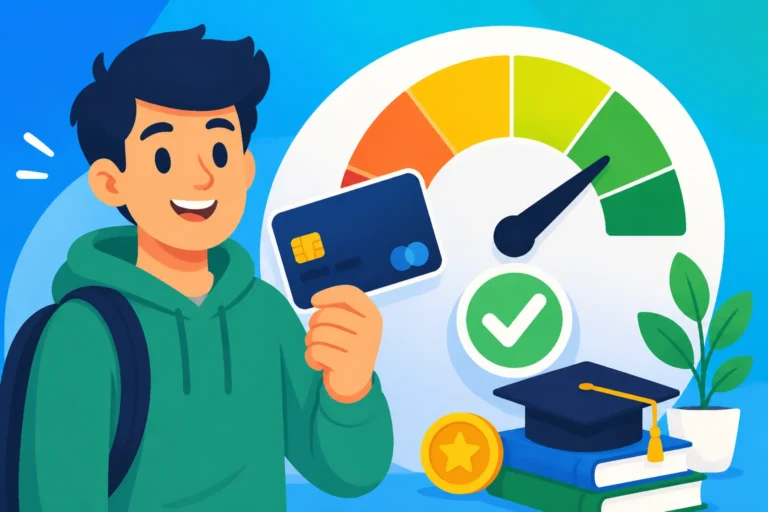
It's incredibly frustrating, isn't it? You know you need good credit for so many things in life – renting an apartment, getting a car loan, even some jobs – but how are you supposed to build credit when no one will give you a credit card without a credit history? This guide is here to walk you through that confusing maze, offering clear, actionable steps to get your very first credit card and start building a strong financial future, even if you currently have no credit whatsoever.
Understanding the Credit Catch-22
The biggest hurdle many people face when trying to establish credit is the notorious "credit catch-22." It's a frustrating situation where you need credit history to get credit, but you can't get credit history without first getting credit. It feels like you're constantly running into a brick wall, especially when every online application asks for information you simply don't have. This can be incredibly disheartening and make you feel like you'll never break free from the cycle.
The Vicious Cycle of No Credit
Imagine you're trying to get approved for a basic credit card, perhaps one with a modest limit, just to cover everyday expenses and begin showing responsible financial behavior. You meticulously fill out the application, feeling a glimmer of hope. Then, a few days or weeks later, you receive a polite but firm rejection letter. The reason often cited? "Insufficient credit history." It's a cycle that traps countless individuals, from young adults just starting out to those who've simply always used cash or debit and never needed to borrow money. The system wasn't really designed with the "credit invisible" in mind, and navigating it requires a strategic approach rather than just hoping for the best.
This lack of a credit file isn't necessarily a bad thing, like having poor credit, but it presents a different kind of challenge. Lenders operate on risk. Without any record of how you handle borrowed money, they have no data points to assess that risk. It’s not that they think you’re irresponsible; it’s just that they don’t know anything about your potential responsibility. This blank slate, sometimes called a "thin file," is what we need to start filling in, one positive entry at a time. Breaking this cycle involves understanding what lenders look for and then proactively supplying that information in ways they accept.
Why Lenders Hesitate with First-Timers
From a lender's perspective, extending credit to someone with no credit history is akin to lending money to a complete stranger. They have no past behavior to analyze, no record of on-time payments, no indication of how much debt you've managed successfully (or unsuccessfully). This lack of information represents a higher risk for them. Their algorithms and underwriting criteria are designed to predict who will repay their debts based on historical data. If there's no data, their systems flag you as an unknown quantity, which usually translates to a denial.
This hesitation isn't personal; it's purely business. Banks and credit card companies are in the business of making money through interest and fees, and they want to minimize losses from defaults. They look for signals of stability, reliability, and a proven track record of managing debt. Without that track record, they'll typically opt for applicants who already have established credit, making it harder for those without a history to get a foot in the door. Our goal, then, is to demonstrate those qualities in alternative ways that mitigate their perceived risk.
Laying the Groundwork: Before You Apply
Before you even think about submitting your first credit card application, there are a few foundational steps you should take. Preparing properly can significantly increase your chances of approval and set you up for success in your credit-building journey. Skipping these initial steps might lead to unnecessary rejections, which can be disheartening and make you feel like giving up. Taking the time now will save you a lot of headache later.
Checking for a Thin File, Not a Blank Slate
While you might believe you have absolutely no credit, it’s always a good idea to confirm. Sometimes, you might have a "thin file" rather than a completely blank one. This means there might be a few small entries, perhaps from student loans, medical bills that went to collections, or even rent payments reported by a specialized service that you weren't aware of. Checking your credit report is the first crucial step. You can get a free copy of your credit report from each of the three major credit bureaus – Equifax, Experian, and TransUnion – once every 12 months through AnnualCreditReport.com. This is a legitimate and safe website to use.
When you receive your reports, look for any accounts listed. Are there any old utility bills, a past landlord, or even forgotten medical debt that might have been reported? Even a single entry, positive or negative, begins to form your credit history. If you find errors or accounts you don't recognize, you'll want to address those first. Knowing precisely what's on your report, or confirming it's genuinely empty, will inform your strategy for which type of credit card to pursue. This also helps you understand How to Read Your Credit Report (2026 Guide).
Gathering Necessary Information
Even without a credit history, you'll still need to provide a fair bit of personal and financial information when applying for a credit card. Having this readily available will make the application process smoother and prevent you from having to scramble mid-application. Typically, you'll need your full legal name, current address, date of birth, and Social Security Number (SSN) or Individual Taxpayer Identification Number (ITIN). If you're an immigrant without an SSN, some lenders may accept an ITIN, but options might be more limited.
Beyond personal identification, you'll need to provide your income information. This includes your gross annual income from all sources – salary, wages, tips, commissions, even benefits like Social Security or alimony. Lenders use this to assess your ability to repay debt, even without a credit history. Make sure this figure is accurate and verifiable, as misrepresenting your income can lead to issues down the line. Some applications may also ask for your employment status, employer's name, and contact information, as well as monthly housing payments. Having all these details organized will streamline your application process significantly.
Your First Credit Card Options
When you have no credit history, the world of credit cards can seem overwhelming and uninviting. However, there are specific types of cards and strategies designed to help people like you get their foot in the door. These options recognize the "no credit" challenge and offer pathways to establish a positive payment history. It’s about finding the right entry point rather than trying to jump straight to premium travel cards.
Secured Credit Cards: The Gateway
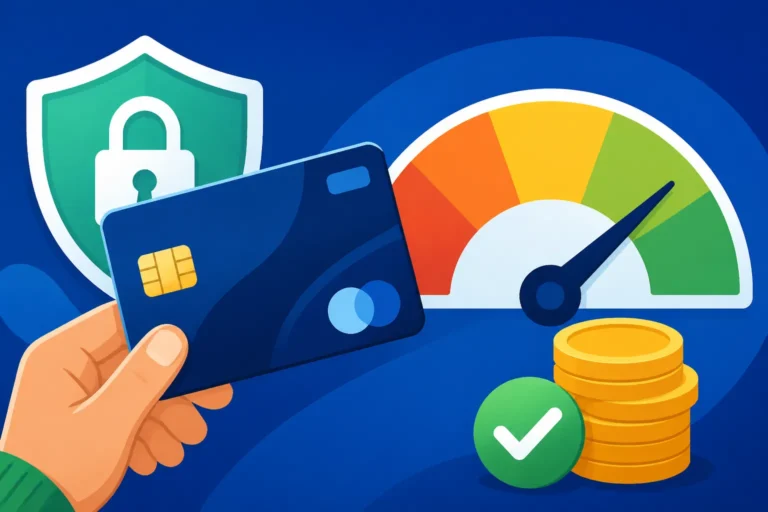
For most people starting from scratch, a secured credit card is hands down the most accessible and effective way to begin building credit. The reason they're so widely available is because they require a security deposit, which typically matches your credit limit. For example, if you deposit $200, your credit limit will be $200. This deposit acts as collateral, significantly reducing the risk for the lender. If you fail to make your payments, the bank can use your deposit to cover the debt. Because of this low risk, secured cards are much easier to get approved for, even with no credit history or a past bankruptcy.
Think of it as a stepping stone. You're proving to the lender that you can manage credit responsibly. As you use the card and make on-time payments, the issuer reports this positive activity to the credit bureaus. Over time, usually 6-12 months, this consistent behavior builds a positive credit history, opening doors to better financial products. Many secured cards even offer a path to convert to an unsecured card and get your deposit back once you've demonstrated good habits. This makes them an ideal choice for building a strong foundation. You can learn more about Secured Credit Cards: How They Build Credit.
Student Credit Cards: For the Academically Inclined
If you're currently enrolled in college or university, student credit cards can be an excellent alternative to secured cards. These cards are specifically designed for students, often recognizing that young adults may not have an established credit history but are likely to have future earning potential. While they don't typically require a security deposit like secured cards, they often come with lower credit limits and may have slightly less stringent approval criteria than standard unsecured cards.
Student cards often offer perks tailored to student life, such as rewards on gas or dining, or even statement credits for good grades. When applying, lenders will consider factors like your enrollment status, academic standing, and any income you might have from part-time jobs, internships, or even financial aid (though not all lenders consider federal student aid as income). While still requiring careful management, a student credit card can be a fantastic way to establish credit early in life and develop good financial habits before graduation.
Authorized User Status: Riding on Someone Else's Coattails
Becoming an authorized user on someone else's credit card is another pathway to building credit without directly applying for your own card. This strategy involves a trusted individual—a parent, spouse, or close family member—adding you to their existing credit card account. Once added, the account's history, including its age, credit limit, and payment history, can appear on your credit report. This can provide a significant boost to your credit file, especially if the primary cardholder has a long history of responsible credit use and low credit utilization.
However, this method comes with a few important caveats. Firstly, you are relying entirely on the primary cardholder's financial behavior. If they miss payments or carry high balances, it could negatively impact your credit score as well. Secondly, not all credit card issuers report authorized user activity to the credit bureaus, so it's essential to confirm this with the card issuer before proceeding. Lastly, while it can help establish a credit file, it might not be as impactful as having your own primary account. It’s a good starting point, but eventually, you’ll want to graduate to your own card. Consider researching How to Become an Authorized User to Build Credit for more details.
Secured Credit Cards: Your Best Bet
When you're trying to establish credit from scratch, secured credit cards are often championed as the most reliable starting point. They are specifically designed for individuals with no credit history or those looking to rebuild damaged credit. Their structure minimizes risk for lenders, making them widely available and a practical entry into the credit world. Understanding how they operate and how to choose the right one is paramount to your success.
How Secured Credit Cards Work
A secured credit card functions much like a regular credit card, but with one key difference: you provide a security deposit upfront. This deposit, typically ranging from $50 to a few hundred dollars, serves as collateral for your credit limit. So, if you put down a $200 deposit, your credit limit will be $200. This arrangement drastically reduces the lender's risk, as they can claim your deposit if you fail to repay your balance. Because of this built-in security, these cards are much easier to obtain for those with no credit history.
Every month, just like with a traditional credit card, you'll receive a statement detailing your purchases and the minimum payment due. Your goal is to use the card responsibly by making small purchases you can easily afford to pay off, and then paying your balance in full and on time every single month. The issuer reports your payment activity to the major credit bureaus (Equifax, Experian, and TransUnion), which is how you start building a positive payment history. Over time, consistent on-time payments will establish your credibility as a responsible borrower.
Choosing the Right Secured Card
Not all secured cards are created equal, so it's wise to compare a few options before applying. Look for cards with reasonable annual fees, or ideally, no annual fee at all. Some secured cards might also offer a path to convert to an unsecured card after a certain period of responsible use (e.g., 6-12 months). This "graduation" feature is a significant advantage, as it means you'll eventually get your security deposit back and move to a regular credit card without having to apply for a new one.
Another factor to consider is the minimum and maximum deposit amounts. Choose a card that aligns with what you can comfortably afford to deposit while still offering a credit limit that meets your needs. For instance, the Capital One Platinum Secured Card is a popular choice known for its flexibility in deposit amounts and potential for graduation. The Discover it Secured Card is another highly-rated option that even offers cash back rewards, a rarity for secured cards, and also provides a clear path to becoming unsecured. Consider what benefits matter most to you while prioritizing low fees and a clear credit-building path. For more comparisons, check out Secured vs Unsecured Credit Cards: Which to Get?.
The Path to Unsecured Credit
The primary goal of a secured credit card is to serve as a temporary tool to build your credit history until you qualify for an unsecured card. After 6 to 12 months of diligent, responsible use—meaning always paying on time and keeping your credit utilization low—many secured card issuers will review your account. If you've demonstrated good habits, they may automatically "graduate" you to an unsecured version of the card. This means your security deposit is returned, and you continue to have credit with them, but now without the collateral requirement.
If your card doesn't automatically graduate, or if you want to explore other options, you can apply for a regular unsecured credit card after about a year of using your secured card. By then, you'll have a respectable credit history to show potential lenders. When you do get approved for an unsecured card, it's generally a good idea to keep your secured card open, especially if it has a low or no annual fee. The length of your credit history is an important factor in your credit score, and closing old accounts can sometimes shorten your average account age, potentially impacting your score negatively.
Alternative Ways to Build Credit
While secured credit cards are often the most straightforward path, they aren't the only way to start building a credit history when you have none. A variety of other financial products and services are designed to help you establish that initial track record, often by leveraging different aspects of your financial life or offering a low-risk structure. Exploring these can provide additional avenues or even complement your secured card efforts.
Credit Builder Loans: A Different Approach
Credit builder loans are a clever and effective way to establish credit without actually borrowing money upfront for a purchase. Here's how they work: A lender, often a credit union or a specialized service like Credit Strong, issues you a small "loan" (say, $500 to $1,000), but instead of giving you the money immediately, they place it in a locked savings account or Certificate of Deposit (CD) that you cannot access until the loan is fully repaid. You then make fixed monthly payments over a period, typically 6-24 months, to pay off this "loan" plus a small amount of interest.
Each on-time payment is reported to the credit bureaus, showing your ability to responsibly manage debt. Once the loan is fully repaid, you receive the money from the locked account. It's essentially a forced savings plan that also builds your credit history. This can be an excellent option if you have trouble saving or want another tradeline reporting positively to the bureaus. Companies like Credit Builder Loans Explained (Self, Kikoff & More) offer accessible credit builder loans that can be a real game-changer for someone starting out.
Becoming an Authorized User
We touched on this earlier, but it bears repeating due to its effectiveness as an alternative path. If you have a family member or trusted friend with excellent credit habits, asking them to add you as an authorized user on one of their credit card accounts can provide a significant boost to your credit profile. Their positive payment history, credit limit, and length of credit history can start appearing on your credit report. This can instantly create a credit file for you where there was none before, making it easier to qualify for your own credit products down the line.
However, choosing the right person and making sure they understand the implications is key. The primary cardholder needs to be someone who consistently pays their bills on time and keeps their credit utilization low. If they fall behind on payments or max out their card, it could negatively affect your score, even if you never use the card. It's also vital to confirm that the specific card issuer reports authorized user activity to all three credit bureaus, as some do not. This strategy is an excellent way to get your feet wet in the world of credit without the direct responsibility of managing your own account initially.
Rent and Utility Reporting Services
In the past, paying your rent or utility bills on time had no direct impact on your credit score, which felt incredibly unfair, especially since these are often a person's largest and most consistent monthly expenses. Fortunately, this is changing. Several services now allow you to have your on-time rent and utility payments reported to the major credit bureaus. Companies like Experian Boost, RentReporters, and LevelCredit can collect your payment data and add it to your credit file.
While these services might not always carry the same weight as a traditional credit card or loan, they can certainly help build a positive payment history, especially for those with a thin or non-existent credit file. Experian Boost, for example, focuses specifically on Experian data and can incorporate utility and phone bill payments. These methods are particularly valuable because they leverage financial habits you're likely already maintaining, turning them into credit-building opportunities. It’s a proactive way to get credit for doing what you already do well. Learn more about Rent Reporting: Can Paying Rent Build Credit?.
Applying for Your First Credit Card: The Nitty-Gritty
Once you've done your research, gathered your information, and chosen the best first credit card option for your situation, it's time to actually apply. This part of the process can feel a little intimidating, especially if you're worried about rejection. But by understanding what to expect and what to do if things don't go as planned, you can navigate it with confidence.
The Application Process Explained
Applying for a credit card, especially a secured one, is generally a straightforward process. Most applications can be completed online in about 10-15 minutes. You'll typically be asked for the personal and income information we discussed earlier. Be sure to fill out every field accurately and completely. Inaccurate information can lead to delays or even outright denial. When asked for your income, remember to include all verifiable sources, not just your primary salary, to present the strongest financial picture possible.
After submitting your application, the lender will perform a credit check. Since you have no credit history, this might be a "soft inquiry" (which doesn't affect your score) or a "hard inquiry" (which can temporarily ding your score by a few points, but is quickly offset by having a new, positive account). For secured cards, hard inquiries are less common because of the collateral, but still possible. You usually receive an instant decision, or a decision within a few business days. If approved, you'll then be instructed on how to make your security deposit (for secured cards) and your card will be mailed to you.
What to Do if You're Denied
Even after careful preparation, it's possible to be denied for your first credit card. Don't let this discourage you; it's a common experience for those with no credit. If you receive a denial, the lender is legally required to send you an Adverse Action Notice explaining the specific reasons for their decision. This letter is crucial. It will tell you exactly why you were denied, which is valuable feedback for your next steps. Common reasons for first-time denials include "insufficient credit history" (obviously), or sometimes "income too low."
Once you have this letter, take a moment to understand the stated reasons. If it's simply "no credit history," then your strategy of pursuing a secured card or credit builder loan is still the correct one; you may just need to apply with a different issuer or consider starting with a lower deposit amount. Sometimes, you can even call the reconsideration line of the bank that denied you. Explain your situation, emphasize your readiness for financial responsibility, and sometimes a human review can overturn an automated denial, especially if you can provide additional income information or clarify something in your application.
Responsible Credit Card Use: Building a Strong Foundation
Getting your first credit card is a fantastic accomplishment, but it's only the first step. The real work—and the real benefit—comes from using it wisely and consistently. Responsible credit card use is the bedrock of a good credit score. It's not just about having the card; it's about demonstrating to lenders that you can be trusted with borrowed money. This involves understanding key concepts and avoiding pitfalls.
Understanding Your Credit Limit and Utilization
One of the most critical factors in your credit score is credit utilization, which is the amount of credit you're using compared to your total available credit. For instance, if you have a secured card with a $200 limit and you charge $100, your utilization is 50%. Lenders like to see low utilization, ideally below 30% for the best impact on your score. For beginners, even lower is better, aiming for 10% or less if possible. This means if your limit is $200, try to keep your balance under $20-$60.
High credit utilization signals to lenders that you might be over-reliant on credit or struggling financially, which can negatively impact your score. To keep your utilization low, make small purchases that you can easily pay off. Using your card for a recurring streaming service, a tank of gas, or a small grocery run, then paying it off in full each month, is an excellent strategy. The key is to show activity without appearing to stretch your credit too thin. Understanding How Much of Your Credit Limit Should You Use? is vital for maximizing your credit score.
Making On-Time Payments
This might sound like a no-brainer, but consistent, on-time payments are the single most important factor in your credit score, accounting for 35% of your FICO score. A single late payment, especially if it's 30 days or more overdue, can severely damage your credit score and stay on your report for up to seven years. It's much harder to recover from late payments than it is to build credit from scratch. Therefore, prioritizing on-time payments is non-negotiable.
To ensure you never miss a payment, set up automatic payments from your checking account for at least the minimum amount due. Better yet, set up automatic payments for your full statement balance. Consider setting up alerts on your phone or email to remind you a few days before your due date. Some card issuers will also send you reminders. The goal is to establish a flawless payment history, demonstrating reliability and financial discipline from day one. This consistent positive behavior is what truly builds a robust credit profile.
Avoiding Common Pitfalls
As you embark on your credit-building journey, be aware of common mistakes that can derail your progress. The first is overspending. It's tempting to see that available credit as "free money," but it's not. Only charge what you can comfortably afford to pay back in full each month. Carrying a balance accrues interest, which makes your purchases more expensive and can lead to a debt spiral, negating all your hard work in building credit. Remember, paying interest isn't necessary to build good credit.
Another pitfall is closing your first credit card too soon, especially if it's a secured card you've "graduated" from. The length of your credit history (credit age) is another significant factor in your credit score. Keeping older accounts open, even if you don't use them frequently (though an occasional small purchase and immediate payoff is a good idea to keep them active), helps lengthen your average credit age, which boosts your score. Lastly, avoid applying for too many new credit accounts in a short period, as multiple hard inquiries can temporarily lower your score. Focus on responsibly managing the accounts you have.
What Comes Next: Graduating to Unsecured Cards
Building credit is a marathon, not a sprint. Your first credit card is just the beginning. The ultimate goal for many is to transition from starter cards, like secured cards, to traditional unsecured credit cards with higher limits, better rewards, and no security deposit. This transition signifies that you've demonstrated consistent financial responsibility and are now a trusted borrower.
Monitoring Your Progress
As you consistently use your first credit card responsibly, it's crucial to regularly monitor your progress. You can often check your credit score for free through various apps or your bank's online portals. These tools can show you your FICO Score or VantageScore, along with a summary of the factors impacting it. Seeing your score gradually increase serves as excellent motivation and confirms your strategies are working. Remember that How Long Does It Take to Build Credit? varies, but consistency is key.
Beyond your score, regularly reviewing your full credit report from Equifax, Experian, and TransUnion (you can get them annually for free) is essential. Look for accuracy in reported accounts, payment history, and credit limits. Ensure that your secured card is indeed reporting to all three bureaus. This proactive monitoring helps you spot any errors that might hinder your progress and allows you to dispute them promptly. Platforms like Credit Karma and myFICO can give you insights, but remember they sometimes use different scoring models than lenders.
Applying for an Unsecured Card
After 6 to 12 months (or even longer, depending on your individual progress and the specific card), you'll likely have enough positive history to apply for an unsecured credit card. Start by looking for "starter" unsecured cards or cards specifically marketed for "fair credit." Many issuers offer cards without an annual fee that are designed for people transitioning from no credit or fair credit. Check if your current secured card issuer offers an upgrade path, as this can be the easiest way to get an unsecured card without a new application.
When you do apply for an unsecured card, ensure you meet the income requirements and that the card's features align with your financial goals. Don't apply for multiple cards simultaneously, as each application typically results in a hard inquiry that can temporarily lower your score. Instead, apply for one card, wait for the decision, and if approved, focus on managing it well. If denied, refer to the denial letter and adjust your strategy before trying again, perhaps with a different issuer or a slightly different card. Choosing What Is a Good Starter Credit Card? can set you up for future success.
Maintaining Excellent Credit
Once you've successfully transitioned to an unsecured credit card and built a solid credit history, the journey doesn't end there. Maintaining excellent credit requires ongoing diligence and smart financial habits. Continue to pay all your bills on time, keep your credit utilization low (ideally under 10-20% overall), and avoid opening too many new accounts unless absolutely necessary. A diversified credit mix (e.g., a credit card, a small personal loan, maybe a car loan) can also contribute positively to your score over time.
Your credit score is a dynamic number that reflects your ongoing financial behavior. It's a powerful tool that can open doors to better interest rates on mortgages and car loans, lower insurance premiums, and even easier approval for rentals and utility hookups. By consistently practicing responsible credit habits, you're not just maintaining a number; you're building a foundation for greater financial freedom and opportunity throughout your life. Remember that What Affects Your Credit Score? The 5 Factors remain crucial at every stage.
Here's a handy comparison of common first credit-building options:
| Feature | Secured Credit Card | Student Credit Card | Credit Builder Loan | Authorized User Status |
|---|---|---|---|---|
| Security Deposit | Required (e.g., $200-$500) | Not typically required | Funds held in a locked account | Not required |
| Credit History Req. | None (designed for no credit) | Limited (some income/enrollment reqs) | None (designed for no credit) | None (relies on primary user's history) |
| Credit Limit | Equals deposit amount | Often low (e.g., $500-$1,000) | N/A (funds released at end) | Shares primary user's limit |
| Primary Benefit | Direct credit card experience, reports to bureaus | Builds credit with student perks | Builds savings & credit simultaneously | Leverages established positive credit history |
| Risk to Lender | Low (due to deposit) | Moderate (due to income, student status) | Low (funds held as collateral) | Low (primary user is responsible) |
| Typical APR | Varies, can be high | Varies, usually competitive | Often a fixed, low interest rate | N/A (primary user pays interest) |
| Potential for Upgrade | Many graduate to unsecured cards | Can upgrade to standard cards post-graduation | N/A (terminates when repaid) | Requires getting own card eventually |
| Time to Build Credit | 6-12 months of responsible use | 6-12 months of responsible use | 6-24 months (loan term) | Immediate, but passive |
Disclaimer
The information provided in this article is for general informational purposes only and does not constitute financial or legal advice. While we strive to offer accurate and up-to-date content, individual circumstances may vary. It is always recommended to consult with a qualified financial advisor or credit counselor before making any significant financial decisions.