How Long Does It Take to Build Credit?
It’s incredibly frustrating to know you need good credit for so many things in life – renting an apartment, buying a car, or even getting approved for a phone plan – but feel completely in the dark about how to get there. You might be starting from absolute zero, or maybe you're rebuilding after some tough times, and the question constantly nagging at you is, "How long does it really take to build credit?" This guide aims to pull back the curtain on the credit-building timeline, offering clear, realistic expectations and actionable strategies to help you navigate your journey toward a strong credit profile.
Understanding Your Starting Line: Where Are You Now?
Before we can even talk about how long it takes to build credit, we need to understand where you're beginning. Everyone's journey is unique, whether you're fresh out of high school with no credit history, an immigrant establishing financial roots, or someone looking to bounce back from past financial difficulties. Your starting point significantly influences the duration and specific steps of your credit-building process. It’s not a one-size-fits-all scenario, and acknowledging this is the first step toward setting realistic expectations.
No Credit History (Thin File)
This is a common situation for many young adults, new immigrants, or anyone who has primarily used cash or debit cards throughout their life. If you have "no credit history," it doesn't mean you have bad credit; it simply means the credit bureaus – Equifax, Experian, and TransUnion – don't have enough information on file to generate a reliable score for you. This often means you'll have a FICO score of "N/A" or perhaps a very low score in the 300-500 range if some limited data exists but isn't positive. Lenders see this as a risk because they have no track record to evaluate your ability to repay debt. The challenge here isn't to fix mistakes, but to create a positive history from scratch. You might be surprised to learn that there are specific strategies on how to build credit from scratch, even if it feels daunting initially.
Getting started usually involves securing your first credit product that reports to the major bureaus. This could be a secured credit card, where you put down a deposit that acts as your credit limit, or a credit builder loan. The key is to start demonstrating responsible borrowing behavior. For instance, companies like Credit Strong specialize in helping individuals with little to no credit history establish a solid foundation through their unique credit builder loan products. They report your payments to all three major credit bureaus, which is essential for building a comprehensive credit file.
Limited Credit History (Developing File)
Perhaps you have one credit card you've used sporadically, or a single student loan, but not much else. This falls into the "limited credit history" category. You might have a low but existing credit score, perhaps in the sub-600 range, because the credit bureaus don't have enough data points to fully assess your creditworthiness. While you have some history, it's not robust enough to secure the best rates on loans or higher credit limits. Lenders might still be hesitant, or they'll offer you less favorable terms, simply because your financial story isn't fully written yet.
The good news is that having some history means you're already past the initial hurdle. Your focus now shifts from simply creating a file to strategically diversifying your credit mix and demonstrating consistent, positive payment behavior over a longer period. This might involve adding a second credit card, perhaps an unsecured one if your score has improved slightly, or even looking into how to become an authorized user to leverage someone else's good credit history. The goal is to show a broader range of responsible credit management, proving you can handle different types of credit accounts successfully.
Negative Credit History (Rebuilding File)
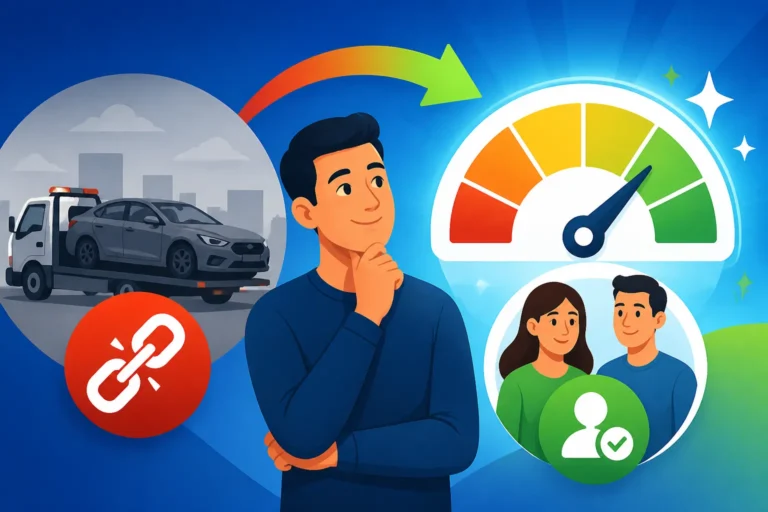
This is often the most challenging starting point, as it involves overcoming past financial missteps like late payments, collections, charge-offs, or even bankruptcies. Your credit report will likely show a lower credit score, possibly below 580, and these negative marks will actively deter lenders. The reality is that negative information on your credit report can linger for years, making it difficult to access new credit or secure favorable terms. This can feel like you're constantly fighting an uphill battle, and it's completely understandable to feel discouraged.
However, rebuilding credit is absolutely possible, though it generally takes the longest. The first step in this journey is often to stop the bleeding – prevent any new negative items from appearing. Then, it’s about strategically addressing existing negative items and simultaneously building new, positive payment history. This might involve disputing errors on your report, negotiating with creditors, and carefully adding new, manageable credit accounts that report positive activity. While it might take a while to remove negative items from your credit report, consistent positive actions will eventually outweigh them. Patience and persistence are your greatest allies here.
Key Factors That Influence Credit Building Speed
Building credit isn't just about time; it's about what you do during that time. Several critical factors, which credit scoring models like FICO and VantageScore consider, significantly influence how quickly your credit profile develops and improves. Understanding these components is like having a roadmap; it shows you exactly where to focus your efforts for maximum impact.
Payment History: The Foundation of Your Score
Hands down, your payment history is the most important factor, accounting for about 35% of your FICO score. This category essentially tells lenders how reliably you pay your bills on time. A single late payment, especially if it's 30 days or more past due, can cause a significant drop in your credit score and remain on your report for up to seven years. On the flip side, a long history of on-time payments is the most powerful way to build and maintain excellent credit.
Think of it this way: every single payment you make on time is a vote of confidence in your financial responsibility. If you consistently pay your credit card bills, loan installments, and other debts by their due dates, you're signaling to lenders that you are a low-risk borrower. This positive trend over time is what truly accelerates your credit-building journey. Conversely, even one missed payment can set you back months, sometimes even a year or more, in your progress. Prioritizing on-time payments above all else is non-negotiable for fast and effective credit building.
Credit Utilization Ratio: How Much You Owe
This factor, which makes up around 30% of your FICO score, looks at how much of your available credit you're actually using. It's calculated by dividing your total credit card balances by your total credit limits. For example, if you have a credit card with a $1,000 limit and you owe $300, your utilization for that card is 30%. The general rule of thumb is to keep your overall credit utilization below 30%, and ideally, even lower, below 10%, for the best results.
High credit utilization signals to lenders that you might be over-reliant on credit or struggling financially, even if you pay on time. This can cause your score to drop quickly. On the other hand, keeping your balances low demonstrates responsible credit management, suggesting you have plenty of breathing room. The good news is that credit utilization has no memory; if you pay down your balances, your score can rebound quickly. This means you can quickly lower your credit utilization fast by paying off debt strategically, making it a powerful lever for short-term score improvements.
Length of Credit History: Time is Money (or Credit)
The age of your credit accounts, specifically the average age of all your accounts and the age of your oldest account, contributes about 15% to your credit score. This factor essentially measures how long you've been managing credit. Lenders prefer to see a longer credit history because it provides more data points to assess your long-term financial behavior. It's much harder to predict future behavior based on a six-month credit history than on a six-year one.
This is one area where you simply cannot rush things. Time is the essential ingredient here. The longer your accounts remain open and in good standing, the more positively this factor will impact your score. This is why it's often advised to keep your oldest credit cards open, even if you don't use them frequently, as long as they don't have annual fees. Closing old accounts can actually shorten your average credit age, potentially causing a temporary dip in your score. This aspect of credit building requires consistent effort over a sustained period.
New Credit and Credit Mix: Strategic Expansion
The remaining 20% of your credit score is influenced by new credit (how many new accounts you've opened recently) and credit mix (the types of credit accounts you have).
- New Credit (10%): Opening multiple new credit accounts in a short period can be viewed as risky behavior by lenders, as it suggests you might be desperate for credit. Each time you apply for new credit, a hard inquiry is typically placed on your credit report, which can cause a small, temporary dip in your score (usually 3-5 points per inquiry). While these inquiries fade from your score's influence within a year, too many too quickly can hinder your progress. It's generally best to space out applications.
- Credit Mix (10%): Lenders like to see that you can responsibly manage different types of credit, such as revolving credit (credit cards) and installment loans (mortgages, car loans, personal loans). Having a diverse mix of accounts indicates a broader financial management capability. However, it's crucial not to take out loans you don't need just to improve your credit mix. The positive impact is modest compared to payment history and utilization, and unnecessary debt is never a good credit-building strategy. For those starting out, a credit builder loan combined with a secured credit card can be a great way to establish a foundational mix.
Building Credit From Scratch: The Initial Milestones
When you're starting with no credit history, the initial phase is all about establishing that first line of credit and demonstrating consistent, responsible behavior. This isn't a race; it's a marathon where consistency trumps speed. The goal is to get something, anything, reporting positive payments to the credit bureaus.
Securing Your First Credit Product
For many, the journey begins with products specifically designed for those with no or limited credit. These are often easier to qualify for because they carry less risk for the lender.
- Secured Credit Cards: These are perhaps the most common starting point. You deposit a sum of money (e.g., $200-$500) with the issuer, and that deposit becomes your credit limit. This collateral significantly reduces the risk for the bank. You use the card like a regular credit card, making purchases and monthly payments. The crucial part is that your payment activity is reported to the credit bureaus. After a period of responsible use (typically 6-18 months), many secured card issuers will "graduate" you to an unsecured card and return your deposit. For more in-depth information, you can read about secured credit cards: how they build credit.
- Credit Builder Loans: These are unique loans where the money isn't given to you upfront. Instead, it's held in a locked savings account or CD while you make monthly payments. Once the loan is fully paid off, you receive the money. The key here is that your on-time payments are reported to the credit bureaus, establishing a positive payment history. Companies like Credit Strong are prominent providers of such loans, helping individuals build credit without taking on immediate debt or needing a large upfront deposit. It’s an effective way to both save and build credit simultaneously.
- Authorized User Status: If you have a trusted family member with excellent credit, they might add you as an authorized user on one of their credit card accounts. This can be a shortcut, as their positive payment history and credit limit might be reflected on your credit report, instantly boosting your file. However, it's crucial that the primary cardholder maintains good habits, as their mistakes could also impact your score. Understanding authorized user benefits and risks is important before considering this option.
Establishing Initial Reporting and Visibility (3-6 Months)
Once you've secured your first credit product, the clock starts ticking, but not in an instant gratification kind of way. Credit bureaus typically require a few months of reporting before they can generate a reliable score.
- First Few Statements: It usually takes about 1-2 billing cycles for your new account to even show up on your credit report. Don't expect to see a score immediately after getting your card or loan.
- Minimum History for a FICO Score: Most FICO scoring models require an account to be open for at least six months and have activity reported during that time before they can calculate a score. So, a realistic minimum timeframe to see your first official FICO score after starting from scratch is around 3 to 6 months.
- Consistent Payments are Key: During this initial period, the absolute most important thing you can do is make every single payment on time. Even missing one payment in these early stages can severely stunt your credit growth and delay the appearance of a solid score. Keep your credit utilization low, ideally below 10%, on any secured cards. The goal is to build a flawless, positive payment history.
Accelerating Your Credit Journey: Strategies for Faster Growth
While building credit undeniably takes time, there are proactive steps you can take to make the most of that time and potentially accelerate your journey towards a stronger credit profile. These strategies focus on optimizing the factors that influence your score most directly.
Strategic Credit Card Use and Payment Habits
How you use your credit cards is paramount, particularly in the early stages and for continued growth. It's not just if you pay, but how and when.
- Keep Utilization Low (Under 10%): As discussed, credit utilization has a huge impact. Aim to keep your reported balance well below 30% of your limit, and ideally under 10%. For a card with a $500 limit, that means keeping your balance under $50. If you need to make a larger purchase, pay it off before the statement closing date. This ensures a low balance is reported to the credit bureaus.
- Pay in Full, On Time, Every Time: This is the golden rule. Not only does it avoid interest charges, but it also demonstrates perfect payment history. Automate payments if possible, or set calendar reminders. Consistency here is critical for boosting your score and showing lenders you're reliable.
- Multiple Payments per Cycle: If you have a low credit limit, it can be hard to keep utilization low with everyday spending. Consider making multiple smaller payments throughout the month rather than one large payment at the end. For example, if your statement closes on the 15th, you could pay off balances on the 5th and the 12th to ensure a low balance is reported. This strategy can significantly improve your credit utilization fast.
Diversifying Your Credit Mix
Once you have a few months or a year of positive credit history under your belt, strategically adding different types of credit can positively impact your score.
- Add a Second Card (Responsibly): After 6-12 months of managing your first secured card well, you might qualify for an unsecured starter card. This adds another line of credit, increasing your total available credit (which helps utilization) and diversifying your history. However, be cautious: only open a new card if you can truly manage it responsibly. If you're wondering how many credit cards should a beginner have, the answer is usually not many, just enough to build a solid foundation.
- Consider a Small Installment Loan: If you don't already have one through a car loan or mortgage, a small personal loan (like a consolidation loan, or even another credit builder loan from a company like Credit Strong if you need an additional boost) can add an installment account to your credit mix. Successfully paying this off demonstrates your ability to handle different loan types. Remember, always take on debt you can afford.
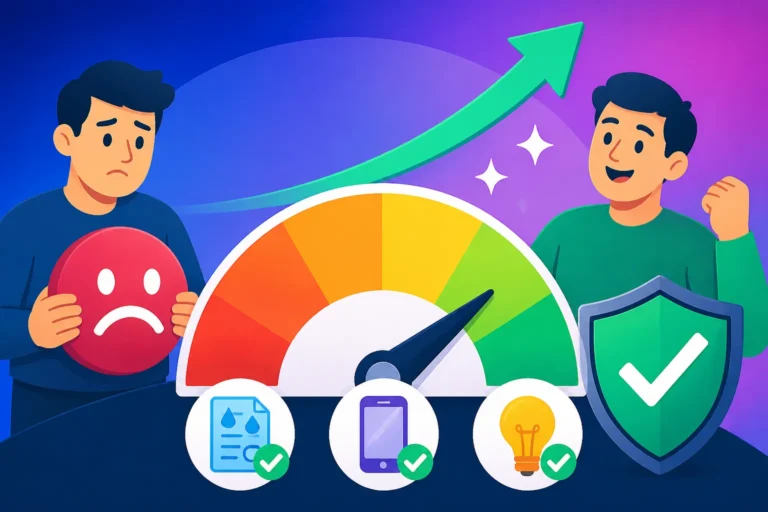
- Rent and Utility Reporting: Services like Experian Boost or similar rent-reporting services allow you to have your on-time rent and utility payments reported to credit bureaus. This can be a huge advantage for those with thin credit files, as these are bills you're already paying. This is an increasingly popular way to build credit without a credit card.
Requesting Credit Limit Increases
A higher credit limit, when managed correctly, can be a secret weapon for improving your credit utilization.
- Automatically Lowers Utilization: If your credit limit increases but your spending stays the same, your utilization ratio automatically goes down. For example, if you have a $500 limit with a $50 balance (10% utilization) and your limit increases to $1,000, that same $50 balance now represents only 5% utilization. This can give your score a nice bump.
- Timing is Key: Most lenders prefer to see at least 6-12 months of excellent payment history before considering a credit limit increase. Don't ask too frequently; once a year is usually sufficient. Some banks, like Capital One or Discover, might even offer automatic increases if you demonstrate responsible use.
- Avoid the Temptation to Spend More: The crucial caveat here is not to increase your spending just because your limit went up. The goal is to lower your utilization percentage, not accumulate more debt.
Common Roadblocks and How They Affect Your Timeline
Building credit is rarely a perfectly smooth journey. There are common pitfalls that can significantly extend your timeline or even derail your progress. Recognizing these roadblocks and understanding their impact is key to avoiding them and staying on track.
Late Payments and Missed Due Dates
This is arguably the biggest and most detrimental roadblock. A single payment that is 30 days or more past due can cause a significant drop in your credit score, potentially by 50-100 points or more, especially if you have a short credit history.
- Long-Term Impact: Late payments stay on your credit report for seven years from the date of the delinquency. While their impact diminishes over time, they will continue to negatively affect your ability to get new credit or favorable interest rates for years.
- Snowball Effect: One late payment can lead to late fees, higher interest rates, and potentially a cascade of other late payments if you're struggling to catch up. This can quickly spiral into a more serious credit repair situation.
- Delaying Progress: If you're actively trying to build credit, a late payment means you effectively hit a reset button on your positive payment history for that specific account. You'll need several months, or even a year, of perfect payments after the late payment to start seeing significant recovery. The lesson here is paramount: prioritize on-time payments above all else. This factor alone can answer how long does a late payment stay on your credit report?
High Credit Utilization
Consistently maxing out your credit cards or carrying high balances month after month can significantly hinder your credit-building efforts, even if you make your minimum payments on time.
- Immediate Score Drop: As previously mentioned, high utilization (above 30%, and definitely above 50%) instantly signals risk to lenders and can cause your score to plummet.
- Perpetuates Debt: Beyond the score impact, high utilization often means you're carrying a balance, incurring interest charges, and potentially getting stuck in a cycle of debt that's hard to break. This prevents you from freeing up income that could be used for savings or more strategic investments.
- Harder to Get New Credit: Lenders are less likely to extend new credit or increase existing limits to someone who is already heavily utilizing their current credit. This can stifle your ability to diversify your credit mix or access better terms, effectively lengthening your journey.
Too Many Hard Inquiries
Each time you apply for a new loan or credit card, a "hard inquiry" is typically placed on your credit report. While one or two inquiries won't typically cause major damage, a cluster of them can be a red flag.
- Temporary Score Dip: Each hard inquiry can cause a small, temporary dip of a few points in your credit score. These generally stay on your report for two years, though their impact lessens after about 12 months.
- Sign of Risk: Multiple hard inquiries in a short period can suggest you're desperately seeking credit or might be in financial distress. Lenders see this as a higher risk.
- Pacing is Important: It's generally wise to space out your credit applications. If you're building credit, focus on securing one or two foundational products (like a secured card and a credit builder loan) and then nurture those accounts for at least 6-12 months before applying for anything new. Learning how many points does a hard inquiry cost you? can help you be more strategic.
Ignoring Your Credit Report
Many people make the mistake of not regularly checking their credit reports, especially when they're actively trying to build credit. This can lead to nasty surprises.
- Undetected Errors: Credit reports can contain errors, from misspelled names to accounts that aren't yours or incorrect payment statuses. These errors can drag down your score without you even knowing it. Regularly checking your report, at least once a year from each of the three major bureaus via AnnualCreditReport.com, is crucial. If you find mistakes, it's vital to learn how to dispute credit report errors promptly.
- Identity Theft: Ignoring your report also means you might miss signs of identity theft, where someone has opened accounts in your name. Early detection is key to minimizing damage and protecting your financial future.
- Lack of Progress Monitoring: Without reviewing your report, you won't know if your credit-building efforts are actually paying off or if certain accounts aren't reporting correctly. This makes it impossible to adjust your strategy effectively. Knowing how to read your credit report (2026 Guide) is a fundamental skill.
Measuring Progress: What to Expect at Different Stages
Building credit isn't a linear process, and the gains aren't always immediate or uniform. However, by understanding what to expect at various stages, you can better track your progress and stay motivated.
The First 6-12 Months: Establishing the Baseline
This is the foundational stage, particularly if you started with no credit history.
- Initial Score Appearance: After 3-6 months of active use with your first credit product (e.g., secured credit card, credit builder loan from a provider like Credit Strong), you should start seeing your first FICO score. Don't expect a superstar score right away; it will likely be in the "Fair" range (580-669), or even "Poor" (300-579) if you have very little data.
- Small, Steady Increments: With consistent on-time payments and low utilization, you'll likely see small, steady increases in your score each month. It might be 5-10 points here, another 10 points there. These small gains add up.
- Getting to "Good": Reaching a "Good" credit score (670-739) from scratch often takes at least 6-12 months of diligent effort. If you're building credit from zero, this initial year is crucial for laying down a solid, positive payment history. Your success during this period hinges entirely on making every single payment on time and keeping balances low. This timeframe aligns with the goal of how to build your credit score to 650 in 6 months for many individuals.
1-2 Years: Solidifying Your Credit Profile
Once you've passed the one-year mark, you're moving beyond the "newbie" stage. Your credit file now has a reasonable length, and if you've been consistent, it should look healthier.
- Entering the "Good" to "Very Good" Range: With continued responsible use, you can realistically expect to move into the "Good" (670-739) or even "Very Good" (740-799) range within 1 to 2 years. This is often the sweet spot where you start qualifying for better credit cards, more favorable loan terms, and a wider range of financial products. This is also when you might see your secured card graduate to an unsecured one, freeing up your deposit.
- More Diverse Credit: By this stage, you might have added a second credit card or perhaps a small installment loan, contributing positively to your credit mix. Your oldest account is now over a year old, which helps the "length of credit history" factor.
- Increased Lending Opportunities: Lenders will view you as a much more reliable borrower. You'll likely receive pre-approved offers for better credit cards and personal loans, reflecting your improved creditworthiness.
2-5+ Years: Reaching Excellent Credit and Beyond
This is the long game where sustained excellent habits truly pay off.
- Aiming for "Excellent": Achieving an "Excellent" credit score (800-850) usually requires a history of at least 2-5 years, often longer, of impeccable financial behavior across multiple accounts. This means zero late payments, very low utilization, a healthy credit mix, and a long average age of accounts.
- Maximized Benefits: With excellent credit, you'll have access to the best interest rates on mortgages and car loans, top-tier rewards credit cards, and generally more seamless financial experiences. You become a preferred customer.
- Ongoing Maintenance: Even with excellent credit, the work isn't over. It's about maintaining those good habits: continuing to pay on time, keeping utilization low, and monitoring your credit reports regularly. The goal is not just to reach a high score but to sustain it.
Credit Building Timelines: What's Realistic?
Setting realistic expectations is paramount to avoid discouragement. Credit building is a journey, not a sprint. The exact timeline varies significantly based on your starting point and how diligently you apply credit-building strategies.
From No Credit to Good Credit
If you're starting with absolutely no credit history, meaning you have no accounts on your credit report, here's a realistic breakdown:
- First 3-6 Months: You'll be focused on opening your first credit account(s)—likely a secured credit card or a credit builder loan. Your initial FICO score will appear during this period, likely in the "Fair" or even "Poor" range. You'll be laying the groundwork.
- 6-12 Months: With consistent, perfect payments and low utilization, you can reasonably expect to reach a "Fair" (580-669) credit score. This is enough to start qualifying for more mainstream credit products, though still with higher interest rates. This is a critical period for establishing a reliable payment history.
- 12-24 Months: By the end of two years, many individuals who started with no credit and followed best practices can achieve a "Good" (670-739) credit score. This typically involves graduating from a secured card, adding a second credit product, and maintaining flawless payment history. This timeframe is often cited for those wondering how long it takes to build credit.
From Bad Credit to Good Credit
Rebuilding credit after a significant negative event (like bankruptcy, collections, or multiple late payments) is generally a longer and more arduous process.
- First 6-12 Months: This period is about damage control and starting fresh. You'll focus on stopping new negative items, perhaps disputing errors, and securing a single credit-building product (e.g., a secured card or a credit builder loan like those offered by Credit Strong) to start establishing new, positive payment history. Your score might still be in the "Poor" range, but you'll see small, incremental improvements as new positive data begins to accumulate. For example, knowing how to fix your credit after collections can be a lengthy process.
- 1-3 Years: Significant recovery is often seen in this window. As negative items age and new positive payments stack up, their impact on your score lessens. You might move from "Poor" to "Fair" and then to "Good" within this timeframe. The speed depends on the severity and recency of the negative marks. For example, a bankruptcy can stay on your report for up to 10 years, but its impact diminishes over time.
- 3-7+ Years: To move into the "Very Good" or "Excellent" categories after severe credit damage, it often takes several years. The older the negative marks get, the less they weigh on your score. Eventually, some negative items may fall off your report entirely after seven years, giving your score a significant boost. Patience is truly a virtue when rebuilding credit.
General Timeline for Specific Account Types
Here's a quick overview of how long certain positive and negative items typically remain on your report and influence your score:
| Item Type | Time on Credit Report (Typically) | Impact on Score |
|---|---|---|
| Positive Payment History | Indefinitely (as long as account open) | Continuously builds and supports score. |
| Late Payments (30+ days) | 7 years | Significant drop, impact lessens over time. |
| Collections | 7 years + 180 days from delinquency | Major negative, impact lessens over time. |
| Charge-Offs | 7 years | Major negative, impact lessens over time. |
| Bankruptcies (Chapter 7) | 10 years | Severe negative, long-lasting impact. |
| Bankruptcies (Chapter 13) | 7 years | Severe negative, long-lasting impact. |
| Hard Inquiries | 2 years | Small temporary drop, impact fades after 12 months. |
| Foreclosures | 7 years | Significant negative. |
This table helps illustrate why some credit issues take longer to overcome than others. While you can often remove collections from your credit report through strategic action, even legitimate ones will naturally fall off after seven years.
Beyond the Score: Maintaining Excellent Credit
Once you've put in the hard work and built a strong credit score, the journey shifts from building to maintaining. This isn't a passive process; it requires ongoing vigilance and consistent smart financial habits. A high credit score is a valuable asset that needs to be protected.
Continuous Monitoring and Review
You wouldn't buy a new car and never check its oil, right? Your credit profile is similar. Regular check-ups are essential to ensure everything is running smoothly.
- Annual Credit Report Check: Make it a habit to pull your free credit reports from AnnualCreditReport.com at least once a year, from each of the three major bureaus. Stagger them if you like (e.g., Experian in January, Equifax in May, TransUnion in September) to monitor for new activity throughout the year. Review them thoroughly for any inaccuracies or suspicious activity. You should know how to get your free credit report easily.
- Credit Monitoring Services: Many banks and credit card companies offer free credit monitoring services, or you can opt for paid services that provide more frequent updates and alerts. These tools can notify you of significant changes to your credit report, like new accounts opened in your name or large credit inquiries. This allows you to quickly spot potential identity theft or errors.
- Understand Score Fluctuations: It's normal for your credit score to fluctuate by a few points month-to-month. Don't panic over small dips. Focus on the overall trend and major changes. If your credit score drops suddenly and significantly, investigate immediately using your credit reports.
Sustaining Smart Financial Habits
The habits that got you to a good credit score are the same habits that will keep you there. Consistency is key.
- On-Time Payments Are Non-Negotiable: This remains the bedrock of good credit. Never miss a payment due date. Automate payments if it helps, and always ensure you have sufficient funds in your account.
- Maintain Low Credit Utilization: Continue to keep your credit card balances well below 30% of your available credit, and ideally closer to 1-10%. Pay your statement balance in full every month to avoid interest and optimize this crucial factor.
- Keep Old Accounts Open: As long as old credit card accounts don't have annual fees, keep them open, even if you rarely use them. They contribute to your length of credit history and overall available credit, both of which benefit your score. You can make a small, recurring purchase (like a streaming subscription) on them and pay it off immediately to keep them active.
- Be Strategic About New Credit: Don't open new credit accounts just for the sake of it. Only apply for new credit when you genuinely need it (e.g., a mortgage, car loan, or a new credit card with better rewards) and when you can comfortably manage the additional debt. Space out your applications to avoid too many hard inquiries.
Protecting Against Identity Theft
A strong credit profile also makes you a target for identity thieves. Proactive protection is paramount.
- Strong Passwords and Two-Factor Authentication: Use unique, strong passwords for all your financial accounts and enable two-factor authentication wherever possible.
- Be Wary of Phishing: Be highly skeptical of unsolicited emails, texts, or calls asking for personal financial information. Legitimate institutions rarely ask for sensitive data this way.
- Consider a Credit Freeze: If you're not planning on applying for new credit in the near future, consider placing a credit freeze with each of the three major credit bureaus. This prevents new creditors from accessing your report, making it much harder for identity thieves to open accounts in your name. For details, you can refer to how to freeze your credit (all 3 bureaus). This is a powerful protective measure.
Building credit is a journey of education, discipline, and patience. There are no magical shortcuts, but there are proven strategies that can lead you to financial freedom and opportunity.
Disclaimer
This article is for general informational purposes only and does not constitute professional advice. Laws, prices and regulations vary by location and change over time. Consult a qualified professional for guidance on your specific situation.