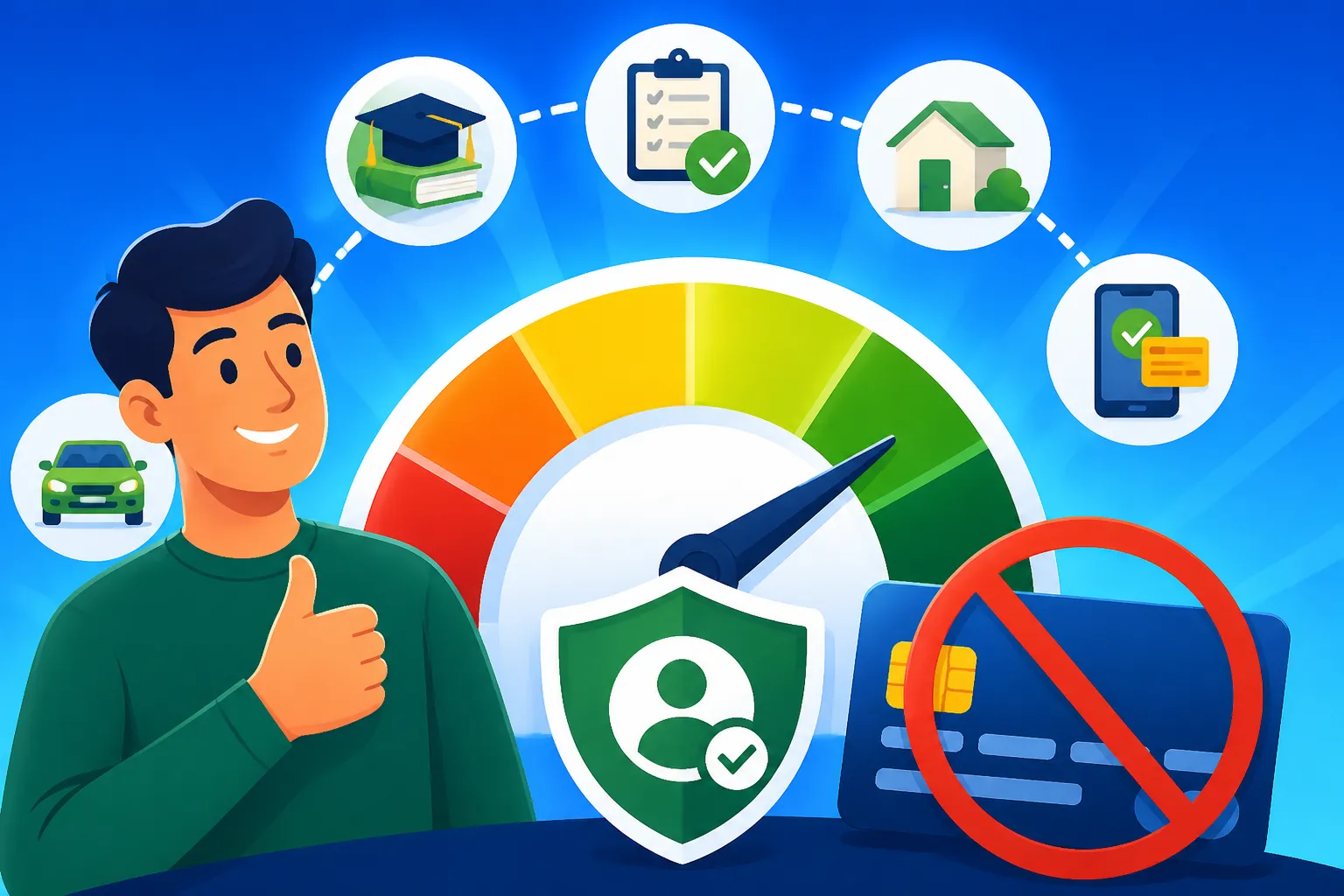
How to Build Credit Without a Credit Card
It’s incredibly frustrating when you’re trying to establish or improve your credit, but every path seems to lead back to needing a credit card – a tool you might not want, can’t get, or simply prefer to avoid. Many people find themselves in this exact dilemma, feeling stuck in a catch-22. This comprehensive guide will walk you through proven, practical strategies to build a solid credit history and boost your credit score, all without ever needing a traditional credit card.
Understanding Why Credit Cards Are the "Default" for Building Credit
For decades, the standard advice for building credit has been to get a credit card, use it responsibly, and pay it off. While effective, this isn't the only way, and it certainly isn't suitable for everyone. Understanding why credit cards became the go-to helps us appreciate the alternatives.
The Traditional Path to Credit
Think about how credit scores were initially designed. They primarily evaluated your ability to handle revolving debt – the kind you get with a credit card where your balance fluctuates. Lenders wanted to see consistent, on-time payments, responsible credit utilization (how much of your available credit you're using), and a history of managing multiple accounts over time. Credit cards offer a direct, measurable way for the three major credit bureaus – Equifax, Experian, and TransUnion – to track these behaviors. Every swipe, every payment, every statement balance feeds into these reports, creating a detailed picture of your financial habits. For many, this has been a relatively straightforward entry point into the world of credit, assuming they qualify for a card in the first place.
This traditional path, however, often overlooks the anxieties and difficulties many consumers face. Perhaps you've had a bad experience with credit cards in the past and are wary of falling into debt again. Maybe you simply prefer to live a cash-only or debit-card-only lifestyle and don't see the need for a credit card. Whatever the reason, the idea that credit cards are the only way to build credit can feel incredibly limiting and discouraging, especially for those who are just starting out or trying to recover from past financial missteps. It's a common misconception that often leaves people feeling like they have no options.
Common Barriers to Getting a Credit Card
The biggest hurdle for many when it comes to traditional credit cards is simply qualifying for one. If you have a limited credit history, meaning you haven't had loans or credit cards before, lenders see you as a higher risk. They don't have enough data to predict how you'll handle new debt, making them hesitant to approve you for an unsecured card. This is often the case for young adults, recent immigrants, or anyone who has consciously avoided credit in the past. It creates a frustrating cycle: you need credit to get a credit card, but you need a credit card to build credit.
Beyond a thin credit file, other factors can make credit cards inaccessible. A low credit score due to past financial difficulties, such as late payments or collections, will also make it challenging to get approved for standard credit card products. Even without a poor score, some individuals simply don't have the income to qualify for cards that often require a certain level of financial stability. And, let's be honest, for some, the temptation of easy credit can be a real concern. They might consciously choose to avoid credit cards altogether to prevent falling into debt, even if it means missing out on a conventional credit-building tool.
The Power of Credit Builder Loans
One of the most effective and often overlooked methods for building credit without a traditional credit card is a credit builder loan. These aren't like typical loans where you receive money upfront. Instead, they work in reverse, helping you establish a positive payment history.
How Credit Builder Loans Work
With a credit builder loan, the lender doesn't hand you a lump sum of money immediately. Instead, the loan amount (typically a few hundred to a couple of thousand dollars) is placed into a locked savings account or a Certificate of Deposit (CD) that you can't access until the loan is fully paid off. You then make fixed monthly payments, usually over 6 to 24 months, to repay this loan, plus a small amount of interest or fees. Each on-time payment you make is reported to the major credit bureaus.
This unique structure is brilliant because it removes the risk for the lender. They already have your money, ensuring they'll be repaid. For you, it creates a disciplined savings mechanism while simultaneously building a positive payment history, which is the most crucial factor in your credit score. Once the loan is paid in full, the money in the locked account is released to you, often with a little interest earned. It's a win-win: you build credit, and you end up with a modest savings pot. This method directly addresses the challenge of needing a credit card to build credit by providing an alternative, structured way to demonstrate financial responsibility.
Choosing the Right Credit Builder Loan Provider
Not all credit builder loans are created equal, so it's important to do your homework. You want to look for providers that report to all three major credit bureaus (Equifax, Experian, and TransUnion), as this ensures your efforts are recognized across the board. Look at the fees and interest rates – while they should be relatively low, they can vary. Some providers, like Credit Strong, are specifically designed to offer these types of loans, focusing on helping individuals build a strong payment history without the pitfalls of traditional debt.
When evaluating options, consider the loan amounts and terms available. A smaller loan with a shorter term might be a great starting point if you're nervous, while a larger loan over a longer period could show a more extensive payment history. Read reviews and check their reputation for customer service. Companies like Credit Strong often streamline the application process and provide tools to track your progress, making the experience transparent and user-friendly. Don't just jump at the first offer; compare a few to find the best fit for your financial situation and credit-building goals.
Pros and Cons of Credit Builder Loans
Credit builder loans offer several compelling advantages. First and foremost, they are specifically designed to help people with limited or no credit history. Because the funds are held in a locked account, there’s no risk of overspending or falling into debt, unlike with a credit card. This structured approach helps instill good financial habits, as you're making consistent, on-time payments. Plus, at the end of the term, you get a lump sum back, essentially a forced savings plan. It's a powerful tool for demonstrating reliability to future lenders. Many users find it a comforting way to start their credit journey, knowing they aren't incurring new, accessible debt.
However, there are a few downsides to consider. Credit builder loans typically come with fees or interest, meaning you'll pay a small amount for the service of building your credit. While usually modest, it's still an expense. The funds are inaccessible until the loan is paid off, so if you need emergency cash, this isn't the solution. Also, the impact on your credit score, while positive, might not be as rapid or dramatic as some other methods, especially if it's your only credit-building effort. It's a marathon, not a sprint. Nevertheless, for those who want a safe, effective, and disciplined way to establish credit without traditional credit cards, a credit builder loan is a stellar option. For a deeper dive into how these products work and how they stack up against other options, check out our guide on Credit Builder Loans Explained Self, Kikoff & More.
Leveraging Secured Loans for Credit Building
Beyond credit builder loans, traditional secured loans can also be a fantastic way to establish credit, especially if you have an asset that can serve as collateral.
What is a Secured Loan?
A secured loan is simply a loan where you offer an asset as collateral. This asset could be a car, a savings account, or even a Certificate of Deposit (CD). The collateral reduces the risk for the lender, making them more willing to approve you, even if you have a limited credit history or a less-than-perfect score. If you fail to make payments, the lender can seize the collateral to recover their losses. Because of this reduced risk, secured loans often come with lower interest rates compared to unsecured loans, which rely solely on your creditworthiness.
A common example is a "passbook loan" or "CD-secured loan" offered by banks and credit unions. With this type of loan, you borrow against money you already have in a savings account or CD. The bank effectively locks that amount, and you make payments to yourself, so to speak. As you pay down the loan, the bank reports your positive payment history to the credit bureaus. Once paid off, your savings or CD is fully released to you. This is very similar in principle to a credit builder loan, but often initiated with funds you already possess, rather than the lender placing the loan amount into an account on your behalf.
Finding a Secured Loan for Credit Building
Many local banks and credit unions offer secured loans that can be used for credit-building purposes. Credit unions, in particular, are often very community-focused and willing to work with members who are trying to establish or rebuild credit. They might offer "share-secured" loans, where your savings account acts as collateral, or "credit-builder loans" that function in a similar fashion to those from specialized providers. It's worth calling around to institutions in your area, explaining your goal to build credit, and asking what secured loan products they offer.
When you're searching, look for loans with manageable interest rates and terms. The goal isn't to get bogged down in expensive debt, but to make consistent, affordable payments that get reported to the credit bureaus. Make sure the lender explicitly states that they report to all three major credit bureaus (Equifax, Experian, and TransUnion). Some smaller institutions might only report to one or two, which could slow down your overall credit-building progress. Be prepared to put up some form of collateral, whether it's an existing savings account, a CD, or another acceptable asset.
Benefits and Drawbacks
The main benefit of a secured loan for credit building is the ease of approval. Since there's collateral involved, lenders are much more likely to approve you, even if you have no credit history. This can be a lifeline for individuals who are otherwise shut out of traditional credit products. It also allows you to borrow a larger amount than a typical credit builder loan, if needed, providing a more substantial line of credit history. Plus, like credit builder loans, it encourages responsible payment behavior, as consistent on-time payments are crucial to avoid losing your collateral. You're building a strong foundation of credit by demonstrating your ability to handle installment debt.
However, the primary drawback is, of course, the requirement for collateral. You need to have an asset, whether it's cash in a savings account or something else of value, to secure the loan. If you don't have these resources, a secured loan won't be an option. There's also the risk of losing your collateral if you default on the loan, which can have severe financial consequences beyond just damaging your credit score. Always ensure you can comfortably afford the monthly payments before taking on any secured debt. Despite these considerations, for those with the means, a secured loan can be an excellent, lower-risk avenue to establish a positive credit history.
Becoming an Authorized User Strategically
Becoming an authorized user on someone else's credit card account is a simple yet powerful way to build credit without actually having your own credit card. It leverages someone else's good credit habits to benefit your own file.
How Being an Authorized User Builds Credit
When you become an authorized user on an existing credit card account, the primary account holder's payment history, credit limit, and credit utilization often start appearing on your own credit report. If the primary user has a long history of on-time payments and keeps their credit utilization low, those positive factors can significantly boost your score. It’s like getting a free ride on someone else's good financial behavior. The key here is "often" – not all credit card issuers report authorized user activity to the bureaus in the same way, but most do.
Even if you never use the card, the mere presence of this well-managed account on your report can add to your credit age and payment history, two vital components of your credit score. This method is particularly popular for parents helping their children establish credit or spouses assisting each other. It provides a fast track to building a credit file without the responsibility of managing your own credit card debt. You're benefiting from the primary cardholder's established good standing, allowing you to bypass the initial hurdles of applying for credit yourself.
Important Considerations Before Becoming an Authorized User
While being an authorized user can be incredibly beneficial, it's not a decision to take lightly. The most critical factor is the primary account holder's financial habits. If they are prone to late payments, high balances, or even defaulting, their negative actions could also appear on your credit report, damaging your score. This could inadvertently set back your credit-building efforts, so choose wisely! You need someone you trust implicitly with their finances.
Another consideration is that you don't legally own the debt. Even if you have a card in your name, you're not responsible for making payments. This means that while you can benefit from their good habits, you can't force them to pay if they fall behind. You also typically don't have access to the account details or the ability to make changes. Before agreeing, have a frank conversation with the primary account holder about their payment habits, how much they use the card, and how they plan to maintain a low utilization. Transparency is key to ensuring this strategy helps rather than harms you. To learn more about the ins and outs, read our detailed guide, Does Being an Authorized User Build Credit?
Maximizing the Benefits
To truly maximize the credit-building benefits as an authorized user, aim for an account that has a long, spotless payment history and a low credit utilization ratio. An older account shows a greater "length of credit history," which is a significant factor in your credit score. A low utilization ratio (ideally under 10-30%) indicates responsible use and also positively impacts your score. If the primary user's card often carries a high balance, even if they pay it off on time, it could still reflect poorly on your report in the short term.
It's also a good idea to ensure the primary cardholder understands your goal is to build credit, not necessarily to use the card. Discuss whether you'll be given a physical card and if so, set clear boundaries around its use (or non-use). Remember, the aim is for their positive reporting to benefit you, so their consistent, responsible management of the account is paramount. Regularly check your credit report to ensure the account is being reported correctly and positively. Becoming an authorized user is often one of the fastest ways to get a positive tradeline on your credit report when starting from scratch.
The Untapped Potential of Rent and Utility Reporting
For most people, rent and utility payments are among their largest monthly expenses. Imagine if those consistent, on-time payments could actually build your credit. Well, they can! This often-overlooked strategy is gaining traction, especially for those looking for alternatives to credit cards.
How Rent Reporting Works
Traditionally, rent payments don't show up on your credit report because landlords aren't usually considered creditors in the same way a bank is. However, a growing number of third-party services now allow you to have your rent payments reported to the major credit bureaus. These services act as intermediaries, collecting your rent payment information and then submitting it to Equifax, Experian, and/or TransUnion. When reported, your on-time rent payments contribute to your payment history, which is the most influential factor in your FICO score.
The process usually involves signing up for a service, providing proof of your rent payments (like bank statements or canceled checks), and authorizing the service to report on your behalf. Some services can even go back and report up to two years of past payments, giving your credit score an immediate boost by adding a substantial payment history. This is particularly beneficial for individuals with a "thin credit file" – meaning they don't have many active accounts – as it adds a new, positive tradeline to their report without requiring a credit card or new loan. It essentially turns a regular expense into a credit-building asset.
Services that Report Rent and Utilities
There are several reputable services dedicated to rent and utility reporting. Companies like Rent Reporters, LevelCredit, and PayYourRent are popular options that focus specifically on helping renters build credit. They verify your rent payments and report them to one or more of the major credit bureaus. Many of these services also offer the option to report utility payments – things like electricity, gas, water, and even internet bills – further diversifying your credit report with positive payment history.
Beyond these specialized services, some credit bureaus themselves offer direct solutions. For instance, What Is Experian Boost and Does It Work? is a free service that allows you to connect your bank accounts and incorporate qualifying on-time utility and telecom payments into your Experian credit file. While it only impacts your Experian score, it's a quick and free way to get some traction. When choosing a service, make sure they report to at least two, preferably all three, major bureaus to ensure broad impact. Check their fees, as most charge a monthly or annual subscription, and look into their process for verifying payments and resolving any potential disputes.
Weighing the Costs and Benefits
The primary benefit of rent and utility reporting is that it leverages expenses you're already paying to build credit. You're not taking on new debt, making it a low-risk option. It's especially powerful for those with a limited credit history, as it can quickly establish a positive payment track record and help you move away from a "thin credit file." For many, seeing years of responsible rent payments finally contribute to their credit score is incredibly validating. It truly recognizes financial responsibility outside of traditional credit products.
However, the main drawback is the cost. Most rent reporting services charge a monthly or annual fee. While some, like Experian Boost, are free, they might have limitations (e.g., only reporting to one bureau). You need to decide if the cost is worth the potential credit score improvement. Also, not all lenders consider rent payments with the same weight as traditional loans or credit cards, although their influence is growing. It's also crucial that you always pay your rent and utilities on time. Missed payments, if reported, could damage your score, so ensure you have a solid track record before enrolling in these services. For more on maximizing this approach, check out Rent Reporting Can Paying Rent Build Credit?.
| Credit Building Method | How it Works | Pros | Cons | Ideal For |
|---|---|---|---|---|
| Credit Builder Loan | You make payments into a locked savings account; funds released at end of term. | Builds payment history & savings; low risk of debt. | Small fees/interest; funds inaccessible until paid off. | Beginners, those wary of credit cards. |
| Secured Loan | Borrow against collateral (e.g., savings, CD, car); make payments. | Easier approval; can secure larger loan amounts. | Requires collateral; risk of losing asset if defaulted. | Those with assets, needing a larger loan history. |
| Authorized User | Added to someone else's well-managed credit card account. | Immediate credit history boost; no personal debt responsibility. | Dependent on primary user's habits; no control over account. | Quick boost, young adults, those with trusted family/friends. |
| Rent & Utility Reporting | Third-party services report your on-time rent/utility payments. | Leverages existing expenses; no new debt. | Often involves fees; not all lenders weigh equally. | Anyone paying rent/utilities, thin files. |
Alternative Credit Building Products and Services
Beyond the methods discussed, the financial landscape is continually evolving, offering even more innovative ways to build credit without a traditional, unsecured credit card. These options leverage technology and different financial products to help you establish your creditworthiness.
Secured Credit Cards (Yes, Still a Card, But Different)
You might be thinking, "But I thought this guide was about building credit without a credit card!" And you're right, primarily, we're focusing on non-traditional revolving credit. However, secured credit cards are a crucial distinction. Unlike regular credit cards, a secured card requires a cash deposit, which typically becomes your credit limit. For example, if you deposit $200, your credit limit is $200. This deposit acts as collateral, significantly reducing the risk for the lender.
Because of the collateral, secured cards are much easier to qualify for, even if you have no credit history or a poor one. You use the card just like a regular credit card, making purchases and paying your bill on time each month. The key difference is that your deposit secures the line of credit. If you default, the issuer can use your deposit to cover the debt. Consistent, on-time payments are reported to the credit bureaus, helping you build a positive payment history and improve your credit score. After a period of responsible use (often 6-12 months), many secured card issuers will "graduate" you to an unsecured card and return your deposit, making it a fantastic stepping stone. To understand more about this path, read our article: Secured Credit Cards How They Build Credit.
Fintech Solutions and Apps
The rise of financial technology (fintech) has brought forth a new wave of products designed specifically for credit building, often without the need for traditional credit cards. These apps and services aim to make credit more accessible and understandable. For example, some platforms offer micro-loans or small installment loans, like those from Kikoff, which are designed to be easy to get and report positive payment history to the bureaus. You might get a small line of credit for a specific online store or a tiny loan that you repay over a few months.
Another popular example is the Chime Credit Builder Card. While it's a Visa card, it functions like a secured card, but instead of a fixed deposit, it uses money you move into a separate Chime account as your spending limit. This means you can only spend what you've put in, eliminating the risk of overspending and debt. These innovative solutions prioritize financial safety while still providing the necessary reporting to credit bureaus. They often come with user-friendly apps, making it easy to manage your finances and track your credit-building progress. Many of these solutions, like those provided by Credit Strong, focus on a smooth, educational experience for users.
The Role of Experian Boost
Experian Boost is a unique, free service offered by Experian, one of the three major credit bureaus. While it doesn't directly give you a loan or a card, it leverages your positive payment history for bills that traditionally aren't included in your credit report. By securely connecting your bank accounts, Experian Boost identifies qualifying on-time payments for utility bills (electricity, gas, water), telecom bills (phone, internet), and even streaming services.
Once identified and verified, these positive payment histories can be added to your Experian credit report. The key here is that it can boost your Experian FICO Score 8, and sometimes VantageScore 3.0, instantly. It’s particularly effective for those with thin credit files who have a good history of paying their bills on time but lack traditional credit accounts. It's not a magic bullet, and it only impacts your Experian score (not Equifax or TransUnion directly), but it's a simple and free way to get some immediate positive credit reporting. It's definitely worth checking out if you're looking for every possible edge in your credit-building journey.
Maintaining and Monitoring Your Credit Growth
Building credit isn't a one-time event; it's an ongoing process. Once you start using these alternative methods, it’s crucial to understand how to monitor your progress and maintain those good habits. This ensures your efforts translate into a consistently improving credit score.
Understanding Your Credit Report and Score
Your credit report is the detailed history of your credit accounts, payment behavior, and inquiries. Your credit score, like a FICO Score or VantageScore, is a numerical summary derived from that report. To effectively build credit, you need to understand what's on your report and how it influences your score. You are legally entitled to a free credit report from each of the three major bureaus (Equifax, Experian, and TransUnion) once every 12 months through AnnualCreditReport.com. Make it a habit to check them regularly, at least once a year. This allows you to spot any errors, identify potential fraud, and track the progress of your credit-building efforts.
When you review your report, pay attention to specific sections. Look for your payment history: are all your credit builder loan payments or authorized user accounts showing as on-time? Check your credit utilization: even with alternative methods, some secured credit cards or even specific fintech solutions will have a utilization factor. Ensure your personal information is accurate. Understanding How to Read Your Credit Report (2026 Guide) is essential for financial literacy and taking control of your credit journey.
Best Practices for Ongoing Credit Health
The cornerstone of good credit health, regardless of the method you use, is consistent, on-time payments. Every single payment, whether it's for a credit builder loan, a secured loan, or even your reported rent, matters. One late payment can significantly ding your score and take months to recover from. Set up automatic payments or calendar reminders to ensure you never miss a due date. This foundational habit is more important than almost anything else.
Secondly, keep an eye on your credit utilization. If you're using a secured credit card or a similar revolving account, try to keep your balance well below your credit limit, ideally under 30%. Lower utilization signals to lenders that you're not overly reliant on credit. Finally, patience is a virtue. Building a strong credit history takes time. The length of your credit history is a factor in your score, so don't close accounts prematurely. Continue to diversify your credit mix responsibly, and over time, your score will reflect your diligent efforts. If you want to know more about improving your score, consider reading How to Raise Your Credit Score Step-by-Step.
What to Do If You Find Errors
Discovering an error on your credit report can be alarming, but it's crucial to address it promptly. Whether it's an incorrect late payment, an account you don't recognize, or inaccurate personal information, these errors can negatively impact your credit score. The good news is you have the right to dispute inaccurate information under the Fair Credit Reporting Act (FCRA). The first step is to gather all supporting documentation related to the disputed item. This could include payment records, account statements, or any communication with the creditor.
Next, you'll need to send a dispute letter to the credit bureau reporting the error (Equifax, Experian, or TransUnion) and, ideally, to the creditor who provided the information. Clearly explain why you believe the information is inaccurate and include copies of your supporting documents. The credit bureaus generally have 30 days to investigate your dispute. If they find the information is indeed inaccurate or can't verify it, they must remove it from your report. Don't be afraid to be persistent; your credit report is your financial resume, and it needs to be accurate. For a detailed walkthrough, check out our guide on How to Dispute Errors on Your Credit Report.
Disclaimer
This article is for general informational purposes only and does not constitute professional advice. Laws, prices and regulations vary by location and change over time. Consult a qualified professional for guidance on your specific situation.