How to Build Credit With No Job
It’s a truly frustrating situation: you're trying to establish or improve your credit, but you don't have a traditional job, and it feels like every door is closing in your face. Lenders often look for steady income as a sign of your ability to repay debt, creating a seemingly impossible hurdle. This guide is here to break down that cycle, offering actionable strategies to help you build a solid credit history, even when you're not on a conventional payroll.
Understanding the Credit Challenge Without Traditional Employment
Let's face it, the traditional financial system isn't always set up for those who don't fit the mold of a 9-to-5 job with a regular paycheck. Whether you're a freelancer, a stay-at-home parent, retired, on disability, or simply between jobs, the quest to build credit can feel like an uphill battle. It’s important to understand why this challenge exists so you can strategically navigate around it.
Why Lenders Hesitate
When you apply for a credit card, a loan, or even an apartment, lenders and landlords want to assess your risk. Their primary concern is whether you'll pay back what you borrow or owe on time. A stable, verifiable income from a traditional job is usually their go-to indicator of your financial reliability. Without this, they see a higher risk, which can lead to denials, higher interest rates, or demands for security deposits. They’re not necessarily judging your character; they’re assessing their financial exposure. They need to see a consistent flow of money, even if it's not from a W-2 employment, to feel comfortable extending credit.
The Credit Catch-22
Perhaps the most infuriating aspect is the credit Catch-22: you need credit to get credit. If you have no job, it's harder to get credit. But without credit, it's harder to secure a rental, get favorable insurance rates, or even qualify for certain phone plans. This cycle can leave you feeling stuck, unable to move forward with significant life goals. It’s a common frustration, and many people feel isolated in this predicament, but you’re far from alone. The good news is that there are increasingly more ways to bypass this old-fashioned system and establish a credit footprint.
Leveraging Alternative Income and Assets
Just because you don't have a conventional job doesn't mean you don't have income or resources. The key is to understand how to present these to the financial world in a way that builds your credit profile. Many people have diverse income streams today, and the credit bureaus are slowly but surely catching up.
Documenting Non-Traditional Income
Your income might not come from a single employer, but it still counts. Many lenders are becoming more open to considering various forms of income. This includes earnings from the gig economy (think rideshare driving, delivery services, freelance writing, or web design), disability payments, social security benefits, alimony or child support, rental income from properties you own, or even substantial savings and investment dividends. The crucial part is to have a clear, consistent record of this income. This might mean detailed bank statements showing regular deposits, tax returns from self-employment, or official award letters for benefits. Being able to clearly demonstrate your ability to pay is paramount, even if the source isn't traditional employment.
Using a Secured Credit Card
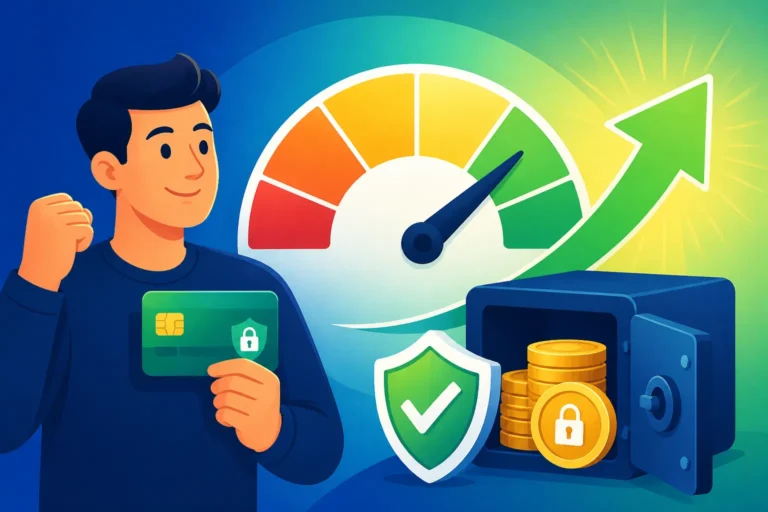
Secured credit cards are often the absolute best starting point for anyone looking to build credit, especially without a traditional job. How they work is pretty straightforward: you put down a cash deposit, which typically becomes your credit limit. For example, if you deposit $200, your credit limit is $200. This deposit acts as collateral, which significantly reduces the risk for the lender. Because of this, approval requirements are generally much more relaxed, focusing less on your income and more on your ability to make the deposit.
You use the card like any other credit card, making purchases and then paying your bill on time each month. The key is that your payment activity is reported to the major credit bureaus – Equifax, Experian, and TransUnion. This is how you build a positive payment history, which is a massive component of your overall credit score. You don't even need a large deposit; cards like the Capital One Platinum Secured Credit Card or the Discover it® Secured Credit Card often start with modest deposit requirements. Remember, the goal here is to establish responsible payment habits, not to rack up debt. To learn more about how these cards work, you can check out our guide on Secured Credit Cards: How They Build Credit.
The Power of Credit Builder Loans
Credit builder loans are a fantastic tool for those without a traditional job because they don't require good credit or significant income upfront. Instead of receiving a lump sum loan, the money is placed into a locked savings account or Certificate of Deposit (CD) in your name. You then make regular monthly payments on the "loan" itself. These payments are reported to the credit bureaus. Once you've paid off the full amount, the money in the savings account is released to you, often with a little interest earned.
This structure allows you to build a positive payment history while also accumulating savings. It's a win-win, especially if you're struggling to save money and build credit simultaneously. Companies like Credit Strong specialize in these types of loans, making it easier for individuals to start their credit journey. They understand that life doesn't always fit into a neat box, and they provide an accessible pathway to establish a credit score based on your commitment to consistent payments, regardless of your employment status. This approach helps demonstrate financial responsibility directly to the credit bureaus. For a deeper dive into these options, read our article on Credit Builder Loans Explained (Self, Kikoff & More).
Strategies for Building Credit with Limited or No Income
Beyond secured cards and credit builder loans, there are other creative avenues you can explore to establish or strengthen your credit profile when traditional employment isn't a factor.
Becoming an Authorized User
If you have a trusted family member or friend with excellent credit, you might ask them to add you as an authorized user on one of their credit card accounts. When you become an authorized user, their positive payment history and credit limit often get reflected on your credit report. This can provide a significant boost to your credit score, especially if you have a thin credit file or no credit history at all.
It's a powerful shortcut, but it comes with a major caveat: their spending and payment habits will directly impact your credit. If they make late payments or max out the card, your score could suffer. It's a decision that requires a lot of trust and open communication. Make sure you understand the nuances of this strategy by reading How to Become an Authorized User to Build Credit.
Rent and Utility Reporting
Did you know that your regular rent and utility payments, which you're likely already making, could be helping your credit score? Traditionally, these payments don't show up on your credit report, but several services now allow you to report them. Companies like RentReporters, LevelCredit, or even services integrated with Credit Strong can take your on-time rent and utility payments and send that data to the credit bureaus.
This can be incredibly beneficial, as it leverages financial responsibilities you already manage into a positive credit history. Imagine all those years of on-time rent payments finally counting toward your creditworthiness! While some services charge a fee, the investment might be well worth it for the credit-building benefits. To understand more about this, check out our piece on Rent Reporting: Can Paying Rent Build Credit?.
Considering a Cosigner
For certain loans, such as car loans or personal loans, having a cosigner can be an option if you have no job or limited income. A cosigner is someone with good credit who agrees to be equally responsible for the debt if you can't make the payments. Their good credit history can help you get approved and potentially secure better terms than you could on your own.
However, just like being an authorized user, this is a significant commitment for both parties. If you miss payments, it negatively impacts both your credit and your cosigner's. This could strain relationships and financial standing. It's a serious step that should only be taken with full understanding and open communication with your cosigner.
Responsible Credit Habits Even Without a Job
Building credit isn't just about opening new accounts; it's about demonstrating responsible financial behavior over time. These habits are even more crucial when you're navigating the credit world without traditional employment.
Maintaining Low Credit Utilization
Credit utilization is a fancy term for how much of your available credit you're actually using. For example, if you have a credit card with a $500 limit and you have a $50 balance, your utilization is 10%. Lenders like to see low utilization, generally under 30%. The lower, the better, with under 10% being ideal.
Even with a secured card with a small limit, like $200, keeping your balance low is vital. If you charge $150 on that $200 card, your utilization is 75%, which can actually harm your score. It shows that you're using a large percentage of your available credit, which can signal financial stress to lenders. Focus on making small, manageable purchases and paying them off quickly to keep this ratio in check. This is one of the five major factors that affect your credit score, as explained in What Affects Your Credit Score? The 5 Factors.
Always Pay On Time
This is the golden rule of credit building, whether you have a job or not. Payment history is the most significant factor in your credit score, accounting for about 35% of your FICO score. One late payment can drastically set back your progress and linger on your report for up to seven years.
Set up payment reminders, automatic payments, or mark your calendar to ensure you never miss a due date. If you're using a credit builder loan from a provider like Credit Strong, those consistent, on-time payments are the entire mechanism for how your credit grows. Prioritize paying at least the minimum amount due on all your credit obligations every single month.
Monitoring Your Credit
Regularly checking your credit report is crucial. This is how you'll ensure that all your hard work is being accurately reported and that no errors or fraudulent activity are dragging your score down. You're entitled to a free copy of your credit report from each of the three major bureaus (Equifax, Experian, and TransUnion) once every 12 months through AnnualCreditReport.com.
Make it a habit to review these reports for any inaccuracies, such as accounts you don't recognize, incorrect payment statuses, or outdated personal information. Catching and disputing errors quickly can protect your score and prevent headaches down the road. For guidance on this, our article How to Read Your Credit Report (2026 Guide) can walk you through the process, and you can also find out How to Check Your Credit Score for Free.
Table of Credit-Building Tools for Those Without Traditional Jobs
Here’s a quick overview of the tools and strategies discussed, and their pros and cons for individuals without traditional employment:
| Credit-Building Tool | How it Works | Pros | Cons | Best For |
|---|---|---|---|---|
| Secured Credit Card | Deposit acts as credit limit, reported to bureaus. | Easy approval, builds payment history, teaches responsible card use. | Requires initial deposit, low credit limits. | Everyone without credit, especially if income is irregular. |
| Credit Builder Loan | Payments made to a locked savings account, reported. | Builds credit and savings, no credit check often, like Credit Strong. | Funds inaccessible until paid off, small monthly payments required. | Building payment history and forced savings. |
| Authorized User | Added to someone else's good credit card account. | Instant credit boost from established history. | Relies on another person's financial habits, trust required. | Quick boost, if you have a trustworthy contact. |
| Rent & Utility Reporting | On-time payments reported to bureaus via third-party service. | Turns existing bills into credit history, uses money you already spend. | May incur fees, not all landlords/utilities participate directly. | Leveraging existing, consistent expenses. |
| Cosigner | Another person guarantees your loan or credit line. | Helps qualify for loans/cards with better terms. | Cosigner's credit is at risk, can strain relationships. | Larger loans (car, personal) when no other options exist. |
Building credit without a traditional job definitely presents its unique set of challenges, but it's far from impossible. By understanding how the credit system works, documenting your alternative income, and leveraging specific tools like secured credit cards and credit builder loans (many of which, like Credit Strong, are designed for this exact situation), you can absolutely establish a strong credit profile. Consistency, patience, and diligent monitoring are your best friends on this journey. Don't let the lack of a W-2 stop you from achieving your financial goals.
Disclaimer
Please note that this content is for informational purposes only and does not constitute financial or legal advice. Credit repair outcomes vary based on individual circumstances. We recommend consulting with a qualified financial advisor for personalized guidance.