Thin Credit File: How to Build a Credit History
It's a classic catch-22, isn't it? You need credit to get credit, but how do you get started if you have no history to begin with? This scenario, often called having a "thin credit file," leaves countless individuals feeling stuck and frustrated. This comprehensive guide is here to break down exactly how to navigate that challenge and build a robust credit profile from the ground up, even if you feel like you're starting from absolute zero.
Understanding the Thin Credit File Dilemma
Many people find themselves in a predicament where they have virtually no credit history, often referred to as a "thin credit file." This isn't necessarily a sign of bad financial management; rather, it simply means there isn't enough information for lenders to assess your creditworthiness. Whether you're a young adult just starting out, an immigrant new to the U.S. financial system, or someone who's simply lived a cash-only lifestyle, the lack of a credit trail can be a significant barrier.
Why a Thin File is a Problem
The issue with a thin credit file stems from the way lenders and service providers operate. When you apply for a loan, a new credit card, or even some rental apartments or utility services, prospective creditors want to see a history of responsible borrowing and repayment. They use your credit report, which is maintained by the three major credit bureaus – Equifax, Experian, and TransUnion – to evaluate your risk. If your file is sparse, meaning it has fewer than five tradelines (accounts) or a short credit history, they have little to no data to base their decision on.
This lack of data often leads to rejections for credit applications, higher interest rates, or demands for security deposits, even for basic services. It's not about having bad credit; it's about having no credit, which lenders often perceive as an unknown risk. It can feel unfair, especially when you know you're financially responsible, but the system relies on documented history.
Who Typically Has a Thin File
While it might seem like a niche problem, many different groups of people commonly face the thin credit file challenge. Recent college graduates, for example, often haven't had the need for credit cards or loans, so their financial journey starts with a blank slate. Newcomers to the country might have excellent credit histories in their home countries, but those records don't transfer to the U.S. credit system. Even stay-at-home parents or individuals who have always used debit cards or paid cash for everything can find themselves in this situation later in life when they need a mortgage or a car loan. Understanding that you're not alone in this boat can be reassuring, but the real solution lies in proactive steps to build that history.
Building Your Credit Foundation
Starting to build your credit history can feel a bit like trying to find the first step on a ladder that doesn't quite reach the ground. But rest assured, there are clear, actionable strategies you can employ to establish that crucial foundation. The key is to start small, be consistent, and understand how each action contributes to your overall credit profile.
The Role of Credit Bureaus
First, it’s essential to grasp the role of the three major credit bureaus: Equifax, Experian, and TransUnion. These are the organizations that collect and maintain your credit information. Every time you open a credit account, make a payment, or miss one, that data is typically reported to these bureaus. They then compile this information into your credit report, which is what lenders review. When you have a thin file, it means there isn't much, or any, data for them to report. The goal, then, is to start creating those positive data points for them to record. If you're wondering, "Why Are My 3 Credit Reports Different?", it's usually because lenders don't always report to all three bureaus simultaneously, or there can be slight delays in processing.
It's also worth noting that credit scores, like FICO Score and VantageScore, are generated from the data in your credit reports. No report, no score. So, the first step isn't to get a good score, but to get enough data on your report for a score to even be calculated. This foundational understanding helps frame your approach: you're not just getting a card; you're creating data points for your financial future.
The Importance of Payment History
Out of all the factors that influence your credit score, payment history is by far the most significant, accounting for about 35% of your FICO Score. This means consistently paying your bills on time is paramount. Even with a thin file, any account you do have – whether it's a utility bill, a student loan, or a future credit card – needs to be paid punctually. Lenders want to see a pattern of reliability, demonstrating that you can manage financial obligations responsibly.
Establishing a habit of on-time payments from day one is more crucial than the amount you pay (as long as it's at least the minimum). Setting up automatic payments for any bills you have can be a huge help in ensuring you never miss a due date. Even if these aren't traditional credit accounts, practicing this discipline will serve you well when you eventually open accounts that do report to credit bureaus. It's about building good financial habits that translate directly into a positive credit history.
Leveraging Secured Credit Products
When you have a thin credit file, traditional unsecured credit cards or loans can be hard to come by because you lack the history lenders need to assess risk. This is where secured credit products shine, acting as fantastic stepping stones. They offer a way to demonstrate responsible credit behavior without posing a significant risk to the lender.
Secured Credit Cards: A Solid Starting Point
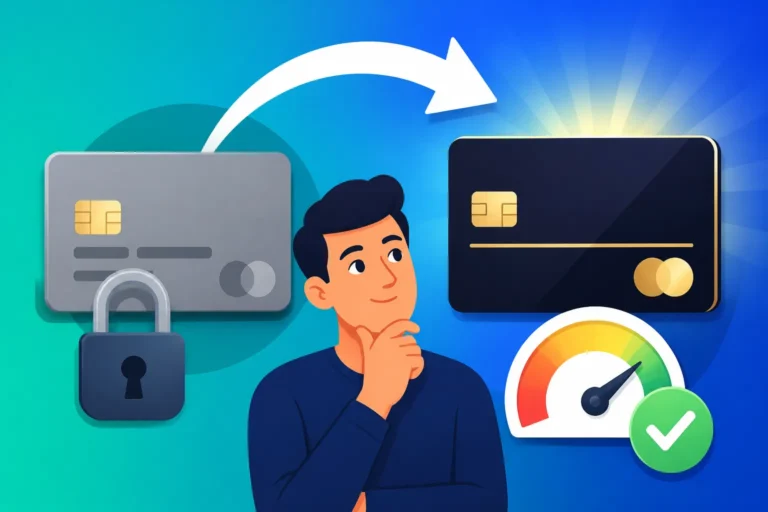
Secured credit cards are often the go-to recommendation for individuals looking to establish credit. Unlike a regular credit card, a secured card requires you to put down a cash deposit, which typically becomes your credit limit. For example, if you deposit $300, your credit limit will be $300. This deposit acts as collateral, reassuring the lender that they won't lose money if you fail to pay. This is why they are much easier to get with little to no credit history.
Using a secured card responsibly means making small purchases you can afford to pay off completely and on time, every month. The key is to treat it like a debit card – only spend what you have in your bank account. As you consistently make on-time payments, the card issuer reports this positive activity to the credit bureaus. Over time, usually 6 to 12 months, this consistent behavior helps you build a positive payment history and can lead to qualifying for an unsecured credit card. Many issuers, like Capital One or Discover, even offer pathways to upgrade your secured card to an unsecured one, and you’ll get your deposit back. To dive deeper, check out our guide on "Secured Credit Cards: How They Build Credit".
Credit Builder Loans for Diverse Reporting
Another excellent tool for building credit with a thin file is a credit builder loan. These loans work a bit differently than traditional loans. Instead of receiving a lump sum upfront, the money you "borrow" is held in a savings account or CD by the lender. You make regular monthly payments on this loan, typically over 6 to 24 months, and these payments are reported to the credit bureaus. Once you've paid off the loan in full, you receive access to the funds you've been paying into, minus any fees or interest.
This mechanism is genius for credit building because it forces you into a savings habit while simultaneously demonstrating your ability to make consistent loan payments. It diversifies your credit mix, showing lenders you can handle different types of credit, which can also positively impact your score. Companies like Self and Credit Strong are prominent providers of these types of loans, offering structured programs designed specifically for credit building. For a detailed look at how these work, read our article on "Credit Builder Loans Explained (Self, Kikoff & More)".
Here's a quick comparison of these two popular methods:
| Feature | Secured Credit Card | Credit Builder Loan |
|---|---|---|
| Purpose | Build credit history with a revolving account | Build credit history with an installment account |
| Deposit Required? | Yes, typically equals your credit limit | Yes, payments often held in an account |
| Access to Funds | Immediate (up to your credit limit) | After loan is fully paid off |
| Credit Type | Revolving credit | Installment credit |
| Reports To Bureaus | Yes, payment history and utilization | Yes, payment history |
| Primary Benefit | Establishes revolving credit history, improves utilization | Establishes installment credit, forced savings |
| Potential Drawback | High utilization can hurt score if not managed | Funds are locked up until loan is repaid |
| Good For | Everyday spending you can pay off | Demonstrating ability to make regular payments |
Micro-Loans and Retail Store Cards
While secured cards and credit builder loans are usually the strongest starting points, some individuals might find success with smaller, more accessible options. Some credit unions offer "fresh start" loans that function similarly to credit builder loans but with slightly different terms. These local options can be great if you prefer a community-based banking experience.
Retail store cards can also be a way to get your foot in the door, but proceed with caution. Many store cards are easier to qualify for than general-purpose credit cards, especially if you have a relationship with the retailer. However, they often come with high interest rates and can only be used at that specific store. If you choose this route, use it very sparingly, pay it off in full and on time, and only consider it if it truly reports to all three major credit bureaus. Always verify their reporting practices before applying, as some smaller store cards might not.
Exploring Alternative Credit Building Methods
Beyond the more traditional secured products, the financial landscape has evolved to offer several innovative ways to build credit history. These methods leverage existing financial behaviors that don't typically report to credit bureaus and turn them into credit-building opportunities.
Rent Reporting Services
For many, rent is their largest monthly expense, paid consistently for years. Yet, for a long time, these on-time payments did nothing to build credit history because landlords rarely reported them to credit bureaus. Thankfully, this is changing with the rise of rent reporting services. Companies like Experian Boost, RentReporters, or LevelCredit allow you to have your on-time rent payments reported to one or more of the major credit bureaus.
These services essentially take a positive financial behavior you're already doing and turn it into data for your credit file. This can be particularly impactful for those with a thin file, as it immediately adds a significant tradeline demonstrating consistent, responsible payments. It's not uncommon to see a noticeable bump in your credit score once your rent payments start appearing on your report. Just be sure to research the specific service, understand their fees, and confirm which bureaus they report to. For more on this, you can look into "Rent Reporting: Can Paying Rent Build Credit?".
Utility and Bill Reporting Programs
Similar to rent reporting, some services now allow you to get credit for on-time utility and cell phone payments. Experian Boost, for instance, specifically aims to include these payments on your Experian credit report. It works by connecting to your bank account and identifying qualifying payments for utilities, telecom, and streaming services. If it finds a history of on-time payments, it can add this positive information to your Experian report, potentially increasing your FICO Score 8.
While these services generally only impact one credit bureau (Experian, in the case of Experian Boost), they can still be incredibly beneficial for someone struggling with a thin file. Every positive tradeline helps. It leverages existing, responsible financial behavior without requiring you to take on new debt or apply for traditional credit. It's a low-effort, high-impact way to start populating your credit file with positive data points. If you're curious, you might find our article "What Is Experian Boost and Does It Work?" helpful.
Banking Habits and Financial Footprint
While not directly credit-building in the same way as secured cards or loans, your overall banking habits can indirectly contribute to your financial footprint and, eventually, your credit profile. Maintaining a stable checking and savings account, avoiding overdrafts, and showing consistent income can make you a more attractive candidate for financial products down the line.
Some challenger banks and fintech companies are also exploring ways to use alternative data, such as banking history, to assess creditworthiness. While this isn't yet mainstream for traditional credit scores, having a well-managed bank account demonstrates financial responsibility. It shows a stable financial life, which can be a point in your favor when applying for a secured product or even a first-time unsecured card, especially if you have an established relationship with a particular bank or credit union.
Becoming an Authorized User Strategically
One of the fastest and easiest ways to gain credit history without actually taking on debt yourself is to become an authorized user on someone else's credit card. This method can instantly add a seasoned tradeline to your credit report, potentially giving your thin file a much-needed boost.
How Becoming an Authorized User Works
When you're added as an authorized user to an existing credit card account, that account's history, including its age, credit limit, and payment history, can then appear on your own credit report. This means if the primary cardholder has a long history of on-time payments and low credit utilization, that positive data immediately becomes part of your credit profile. It's like getting a jumpstart on building credit.
Many parents add their children to their credit cards as authorized users to help them start building credit early. However, it's not just for family members; anyone with a trusted relationship can do this. The key is trust. As an authorized user, you're not legally responsible for the debt, but the account's activity, good or bad, will be reflected on your report. You can explore this further in our guide on "How to Become an Authorized User to Build Credit".
Choosing the Right Account
The success of becoming an authorized user hinges entirely on the primary cardholder's financial habits. To truly benefit your thin credit file, you need to be added to an account that meets specific criteria:
- Excellent Payment History: The primary cardholder must have a flawless record of paying on time, every single month. Even one late payment on their part could negatively impact your newly formed credit history.
- Low Credit Utilization: The account should ideally have a low credit utilization ratio, meaning the cardholder uses only a small portion of their available credit. Lenders prefer to see utilization below 30%, but ideally, aim for under 10% for the best impact.
- Long Account Age: The older the account, the better. A credit card that has been open for many years and has a consistent positive history will provide a more substantial boost to your credit age, a factor that influences your score.
Before agreeing to be an authorized user, have an honest conversation with the primary cardholder about their spending habits and commitment to responsible credit use. Ask them to confirm these details and ensure it's a card that will genuinely help your credit, not harm it.
Potential Risks and Considerations
While being an authorized user offers significant benefits, it's not without its risks, primarily due to your dependence on someone else's financial behavior. If the primary cardholder suddenly starts missing payments or racks up a high balance, that negative activity will also show up on your credit report, potentially damaging your nascent credit history.
Furthermore, some credit scoring models, particularly older versions, might weigh authorized user accounts differently than primary accounts. While FICO 8 (the most commonly used scoring model) generally counts authorized user accounts positively, it's not a substitute for having your own primary accounts. It's a fantastic stepping stone, but eventually, you'll want to transition to managing your own credit lines to build a truly robust credit profile. Consider it a booster rocket to get off the ground, not the main engine for your entire journey.
Monitoring Your Progress and Protecting Your File
As you diligently work to build your credit history, it's absolutely crucial to monitor your progress. Building credit is a marathon, not a sprint, and staying on top of your credit reports and scores is key to ensuring your efforts are paying off and that no unexpected issues arise.
Regularly Checking Your Credit Report
This is non-negotiable. You should be checking your credit reports regularly, at least once a year from each of the three major bureaus (Equifax, Experian, and TransUnion) through AnnualCreditReport.com. It's the only truly free and authorized source for your official reports. When you're building a thin file, it's even more important to monitor because you want to confirm that the positive accounts you're opening—like your secured card or credit builder loan—are actually being reported.
What should you look for?
- New Accounts: Confirm that your secured credit card, credit builder loan (like those from Credit Strong), or rent reporting tradelines are appearing on your report as expected.
- Payment History: Verify that all payments are being reported as "on time." Any missed payments, even those you believe you made, need immediate attention.
- Personal Information: Ensure your name, address, and employment information are correct. Incorrect personal data can sometimes lead to mixed files or errors.
- Errors or Inaccuracies: Even with a thin file, errors can occur. Look for anything that doesn't seem right. If you spot something amiss, you'll want to know how to dispute credit report errors.
Staying vigilant helps you catch problems early and ensures your hard work isn't undermined by reporting mistakes. For a deep dive into understanding what you're seeing, refer to "How to Read Your Credit Report (2026 Guide)".
Understanding Your Credit Score
While building your file, your credit score might fluctuate as new accounts are added and more data accumulates. Initially, you might not even have a score if your file is truly thin. As you add positive tradelines, your score will begin to form and gradually increase. Most credit card companies and banks now offer free credit scores (often VantageScore, but some provide FICO) to their customers. Services like Credit Karma also provide free scores and monitoring.
Don't obsess over daily fluctuations, but do pay attention to the overall trend. A steadily rising score is a good indicator that your credit-building strategies are working. Understanding "What Affects Your Credit Score? The 5 Factors" will give you a clearer picture of how your actions translate into points. This knowledge empowers you to make informed decisions and adjust your strategy if needed.
Protecting Against Identity Theft
Even with a thin credit file, you're not immune to identity theft. In some ways, a thin file can make you a more vulnerable target because fraudsters might try to open accounts in your name, which could go unnoticed if you're not actively monitoring your reports for new activity.
Consider placing a fraud alert on your credit file, especially if you're concerned. This alerts lenders to take extra steps to verify your identity before opening new credit. As your credit profile grows, you might also consider a credit freeze, which locks down your credit reports, preventing new credit from being opened in your name without your explicit permission. For more information, check out "Credit Freeze vs Credit Lock vs Fraud Alert". Implementing these protective measures early on can save you a lot of headache and financial damage down the road.
Common Pitfalls to Avoid When Building Credit
Building credit, especially from scratch, comes with its own set of temptations and traps. It's easy to make mistakes that can hinder your progress or even set you back significantly. Being aware of these common pitfalls can help you navigate the journey more smoothly and build a strong financial foundation.
Falling for "Too Good to Be True" Offers
When you have a thin credit file, you might feel desperate for any opportunity to get credit. This vulnerability can make you a target for predatory lenders or credit repair scams. Be incredibly wary of offers that promise guaranteed approval for large credit limits without any credit check or that demand upfront fees before you receive any services. Legitimate credit products for those with thin files, like secured credit cards or credit builder loans, always involve some form of verification or a deposit.
Avoid companies that charge exorbitant fees, promise to instantly remove accurate negative information from your report, or require you to pay them before they perform any services. These are red flags. Stick to reputable financial institutions and well-known credit-building products. Remember, building credit takes time and consistent, responsible behavior, not magic tricks or quick fixes.
Opening Too Many Accounts Too Quickly
It might be tempting to apply for every credit card or loan you think you might qualify for, especially once you get a taste of success with your first secured product. However, opening too many accounts in a short period can actually hurt your credit-building efforts. Each new credit application results in a hard inquiry on your credit report, which can cause a small, temporary dip in your credit score. A flurry of hard inquiries signals to lenders that you might be desperate for credit, which can be seen as a risk.
Instead, be strategic. Focus on one or two effective credit-building tools at a time, like a secured credit card and a credit builder loan. Allow a few months of positive payment history to accumulate on these accounts before considering additional credit. This approach demonstrates stability and patience, which lenders appreciate. Our article "How Many Credit Cards Should a Beginner Have?" can offer more specific advice on this balance.
Maxing Out Your Credit Limit
Credit utilization, or the amount of credit you're using compared to your total available credit, is a significant factor in your credit score. For those with secured cards, it's easy to accidentally max out your small credit limit. For example, if you have a secured card with a $300 limit and you spend $250, your utilization is over 80% ($250/$300). High utilization, especially above 30%, can severely ding your credit score, even if you pay your bill on time.
The goal is to keep your credit utilization as low as possible, ideally below 10%. If you have a secured card with a $300 limit, try to keep your monthly spending on it to $30 or less, and pay it off in full before the statement closes. This shows lenders that you're capable of managing credit responsibly without overextending yourself. It's a key habit to develop early on. You can find more detail in "Credit Utilization: The Complete Guide".
Missing Payments or Paying Late
This is arguably the biggest pitfall of all. Even one late payment (typically 30 days or more past the due date) can have a devastating impact on your credit score and remain on your credit report for up to seven years. For someone with a thin credit file, where every positive data point is precious, a late payment can erase months of hard work.
Always prioritize making your payments on time. Set up automatic payments, calendar reminders, or whatever system works best for you to ensure you never miss a due date. If you foresee a problem, contact your lender immediately to see if arrangements can be made. Communication is always better than simply missing a payment. The entire purpose of building credit is to demonstrate reliability, and late payments directly contradict that.
Transitioning to a Stronger Credit Profile
Once you've spent some time diligently building your credit with secured products and alternative methods, you'll reach a point where your credit file is no longer "thin." This is an exciting milestone, but it also signals a transition phase where you can start moving towards more traditional, unsecured credit products and continue to strengthen your financial standing.
Upgrading Your Secured Cards
Many issuers of secured credit cards offer a path to upgrade to an unsecured version after a period of responsible use, typically 6 to 12 months. When you consistently pay on time and keep your utilization low, the bank sees you as a lower risk. They might then offer to "graduate" your card, converting it to an unsecured card and refunding your security deposit.
This is a fantastic step, as it shows you've successfully demonstrated responsible credit management. It also usually means you'll get a higher credit limit, which automatically lowers your credit utilization ratio if your spending stays the same. Always inquire with your secured card issuer about their graduation policies once you feel you've established a solid history. Some companies, like Discover, are well-known for their clear pathways to upgrading.
Applying for Your First Unsecured Credit Card
With a few months of positive credit history under your belt from secured cards and credit builder loans (like those from Credit Strong), you might be ready to apply for your very first unsecured credit card. Start by looking for cards specifically marketed for "fair credit" or "average credit" or those with no annual fee. These cards are often more accessible for those transitioning from a thin file.
When applying, be strategic. Don't apply for multiple cards at once. Choose one or two that you genuinely need and that offer reasonable terms. Many major banks offer entry-level unsecured cards that can be a good fit. Remember that each application will result in a hard inquiry, so make sure you have a good chance of approval before applying. To help guide your search, you might want to read "How to Get Your First Credit Card With No Credit".
Diversifying Your Credit Mix
As your credit file grows, consider diversifying your credit mix. Your credit score benefits from having a healthy mix of different types of credit, such as revolving credit (credit cards) and installment credit (loans). By starting with a secured card (revolving) and a credit builder loan (installment), you're already on the right track to diversification.
Later on, as your credit score improves, you might consider other types of installment loans, such as a small personal loan (if needed and affordable) or even a car loan or mortgage down the line. However, never take on debt just for the sake of diversifying your credit mix. Only open new accounts when you genuinely need them and can comfortably afford the payments. Responsible borrowing across different credit types showcases your ability to manage various financial obligations.
Sustaining a Strong Credit History
Building a credit history is just the first step; maintaining and strengthening it over the long haul is where true financial security lies. A robust credit profile opens doors to better interest rates, lower insurance premiums, and easier approvals for major life purchases like homes and cars.
Consistent On-Time Payments
I can't stress this enough: consistency is king. The single most important habit for sustaining a strong credit history is making all your payments on time, every single time. One late payment can undo months, or even years, of positive effort. As your number of accounts grows, it becomes even more vital to have a reliable system for managing due dates.
Set up auto-pay for all your credit accounts, even if it's just for the minimum payment. Always aim to pay in full to avoid interest, but if that's not possible, ensure at least the minimum is covered. A perfect payment history over many years is the bedrock of an excellent credit score. This aspect of "Payment History: Why It's 35% of Your Score" cannot be overstated.
Maintaining Low Credit Utilization
As you gain higher credit limits on your unsecured cards, it can be tempting to use more of that available credit. However, to maintain a strong score, you should continue to keep your overall credit utilization low. Aim for below 30% across all your revolving accounts, and ideally, keep it under 10% for the best scores.
This doesn't mean you shouldn't use your credit cards. In fact, regular, responsible use is good for your credit. Just make sure you pay down your balances before your statement closing date or at least before your due date. If you find your utilization creeping up, consider making multiple payments throughout the month to keep your reported balance low.
The Value of Account Longevity
The length of your credit history, often referred to as "credit age," is another important factor. The older your accounts, especially those with positive payment histories, the better it is for your credit score. This is why it's generally a good idea to keep your oldest credit card accounts open, even if you don't use them frequently.
Before closing any credit card, especially one you've had for a long time, consider the potential impact on your credit age and overall credit utilization. If closing an account significantly reduces your total available credit, your utilization ratio could spike, which would negatively affect your score. Maintaining a few long-standing, well-managed accounts demonstrates stability and experience to lenders.
Continual Monitoring and Review
Just because your credit is strong doesn't mean you should stop monitoring it. Continue to check your credit reports annually for errors and ensure that all information is accurate. Use free credit monitoring services offered by many banks or credit reporting agencies to get alerts about new accounts, large purchases, or changes to your personal information.
Staying proactive about your credit health means you can quickly identify and address any potential issues, whether they are errors, signs of identity theft, or simply a need to adjust your financial habits. Building a strong credit history is a journey, not a destination, and continuous attention ensures your financial well-being. For a good overview of how long you should expect to be on this journey, consider "How Long Does It Take to Build Credit?".
Disclaimer
The information provided in this guide is for general educational and informational purposes only, and does not constitute financial, legal, or professional advice. Always consult with a qualified financial advisor, credit counselor, or legal professional for advice tailored to your specific situation. Credit reporting and scoring models can change, and individual results may vary.