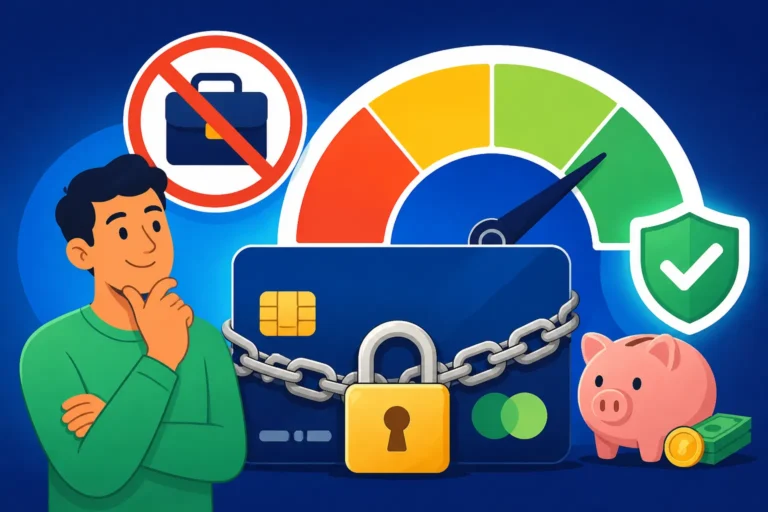
How to Build Credit After a Repossession Using a Starter Credit Card
Experiencing a repossession can feel like a devastating blow to your financial stability, leaving your credit score in shambles and making you question if you’ll ever get back on solid ground. It’s a tough spot to be in, and the road to recovery can seem incredibly long and complicated. But here’s the good news: it's absolutely possible to rebuild your credit after such an event. This comprehensive guide will walk you through the practical, step-by-step process of using a starter credit card as your primary tool to mend your credit after a repossession, helping you regain control and open doors to a brighter financial future.
Understanding Repossessions and Your Credit
When a vehicle, or any asset, is repossessed, it’s not just the loss of the item that hurts; the ripple effect on your credit score can be substantial and long-lasting. It’s a major negative mark that signals to future lenders that you struggled to meet a significant financial obligation. Understanding exactly how this impacts your credit and what you're up against is the first crucial step in planning your comeback.
The Immediate Impact of a Repossession on Your Credit Score
A repossession is one of the most severe negative items that can appear on your credit report, second only perhaps to a bankruptcy. When your car is repossessed, the lender will report this to the major credit bureaus – Equifax, Experian, and TransUnion. This action immediately triggers a significant drop in your credit score, often by 100 points or more, depending on where your score stood beforehand. If you had an excellent credit score, the fall might be steeper, as there’s more room to drop. If your score was already struggling, it might not plummet quite as dramatically, but it will still sink further into the "poor" category.
Beyond the initial drop, the repossession creates a stain on your payment history, which is the single most important factor in calculating your FICO Score, accounting for 35% of it. This negative entry indicates a severe default, making you look like a high-risk borrower to potential lenders. They'll see that you were unable to make payments, and they'll be wary of lending to you again in the future, at least not without significantly higher interest rates or stricter terms. This impact isn't just about getting a new car loan; it can affect your ability to secure a mortgage, rent an apartment, or even get approved for a basic credit card.
How Long a Repossession Stays on Your Credit Report
The bad news is that a repossession isn't a temporary blip; it's a long-term entry on your credit report. Under the Fair Credit Reporting Act (FCRA), most negative information, including repossessions, can remain on your credit report for up to seven years from the date of the first missed payment that led to the repossession. This means you'll be living with this mark for quite some time.
It’s important to understand that even after the seven-year period, the emotional and practical effects can linger. While the repossession itself will eventually fall off your report, the habits and financial situation that led to it need to be addressed proactively. During these seven years, its impact will gradually lessen as it ages, but it will still be a factor. This long timeline underscores why starting the rebuilding process as soon as possible is so critical. Every positive step you take from here on out helps to slowly but surely outweigh that negative entry, demonstrating a renewed commitment to financial responsibility.
Why a Starter Credit Card is Your Go-To Tool for Rebuilding
After a repossession, traditional credit products might seem out of reach. Banks and lenders are often hesitant to extend unsecured credit to someone with a recent history of default. This is where starter credit cards come into play, particularly secured credit cards. They are designed specifically for individuals with limited credit history or those, like you, who are trying to rebuild after significant financial setbacks.
The Role of Secured Credit Cards in Rebuilding Credit
A secured credit card is perhaps the most effective and accessible tool for rebuilding credit after a repossession. Unlike a traditional unsecured credit card, a secured card requires you to put down a security deposit, which typically becomes your credit limit. For example, if you deposit $300, your credit limit will be $300. This deposit acts as collateral for the bank, significantly reducing their risk. Because of this reduced risk, secured cards are much easier to get approved for, even with a repossession on your record.
The beauty of a secured credit card is that it works just like a regular credit card. You make purchases, receive a statement, and make payments. The key difference is the collateral. Most importantly, the issuer reports your payment activity to the major credit bureaus. Every on-time payment you make and every month you keep your credit utilization low sends positive signals to Equifax, Experian, and TransUnion, slowly building a new history of responsible behavior. This positive data begins to counteract the negative impact of the repossession over time. Think of it as planting new, healthy seeds in your credit garden; with consistent care, they'll eventually overshadow the weeds. You can learn more about how secured cards work by reading our guide on Secured Credit Cards: How They Build Credit.
The Power of Responsible Card Usage
Simply having a secured credit card isn't enough; it's how you use it that truly matters. Responsible usage is the engine that drives your credit score recovery. The goal is to demonstrate a consistent ability to manage credit wisely, proving to future lenders that the repossession was a past setback, not a predictor of future behavior.
This means making all your payments on time, every single month. Late payments are credit score killers, especially when you’re trying to recover from a repossession, as they reinforce negative patterns. Set up automatic payments to ensure you never miss a due date. Furthermore, keeping your credit utilization low is paramount. This refers to the amount of credit you're using compared to your total available credit. For a secured card with a $300 limit, using more than $30 of that limit (10%) is generally not ideal if you’re trying to maximize your score growth. Aim to keep your utilization below 10-30% at all times. Paying off your full balance before the statement closing date is an excellent strategy to report a low utilization rate. Consistently demonstrating low utilization and on-time payments will gradually, but steadily, improve your credit score. If you're wondering how much of your credit limit you should use, our article on How Much of Your Credit Limit Should You Use? offers detailed insights.
Choosing the Right Starter Credit Card for Your Situation
Navigating the world of starter credit cards can feel a bit overwhelming, especially when you're already feeling the weight of a repossession. But don't worry, there are specific features to look for that will make your choice easier and more effective for rebuilding your credit.
Key Features to Look For in a Secured Card
When you're searching for a secured credit card, prioritize a few essential features that align with your goal of credit rebuilding. First and foremost, choose a card that reports to all three major credit bureaus: Equifax, Experian, and TransUnion. This is non-negotiable, as consistent reporting to all bureaus ensures your positive payment history is captured across the board, affecting all versions of your credit score. If a card only reports to one or two, your progress will be uneven.
Secondly, look for cards with reasonable fees. Some secured cards might have an annual fee, maintenance fee, or even a foreign transaction fee. While a small annual fee might be unavoidable, try to find cards with lower fees to maximize the value of your deposit. Many reputable banks and credit unions offer secured cards with modest or even no annual fees. Thirdly, consider cards that offer a path to graduation. Many secured cards are designed to eventually transition into an unsecured card after a period of responsible use, typically 6-12 months. This means you’ll get your security deposit back and have a regular credit card, a significant milestone in your rebuilding journey. Fourth, look at the minimum security deposit requirement. Start with what you can comfortably afford, even if it's just $200 or $300. Remember, you're building a foundation, not trying to get a massive line of credit right now.
Navigating Application Challenges
Applying for credit after a repossession can be disheartening. You might face rejections, or only be offered cards with less favorable terms. It's crucial to be realistic but persistent. Many traditional banks might be hesitant to approve even a secured card if the repossession is very recent, perhaps less than a year old. However, there are typically options available. Some financial institutions specialize in helping those with past credit challenges. Credit unions, for example, often have more flexible lending standards and may be more willing to work with members who have a recent repossession, especially if you establish a banking relationship with them first.
Another excellent option to consider alongside a secured credit card, especially if you're struggling to get approved for one initially, is a credit builder loan. Companies like Credit Strong offer these products, which work by holding funds in a CD while you make fixed monthly payments. Once the loan is paid off, you receive the funds, and your payment history is reported to the credit bureaus. This can be a fantastic way to establish a positive payment history and diversify your credit mix while you work towards qualifying for a secured card. Think of it as building credit from another angle. Even if you can get a secured card, adding a credit builder loan can accelerate your progress by adding another on-time payment tradeline to your report. For more detailed information, our guide on What Is a Good Starter Credit Card? can help you weigh your options.
Strategies for Effective Credit Building with Your New Card
Getting approved for a starter credit card is a monumental first step, but the real work begins now. Your behavior with this card will dictate how quickly and effectively your credit score recovers. It’s all about establishing consistent, positive habits that overshadow the past negative events.
Mastering Credit Utilization
Credit utilization is a critical factor, accounting for about 30% of your FICO Score. After a repossession, every point matters, and keeping this ratio low is non-negotiable. Your credit utilization ratio is calculated by dividing your outstanding balance by your total credit limit. For instance, if you have a secured card with a $500 limit and you charge $150, your utilization is 30%. While 30% is often cited as an acceptable maximum, to truly optimize your score rebuild, especially after a repossession, you should aim for much lower – ideally under 10%.
This might mean making several small payments throughout the month rather than one large payment at the end. If your credit limit is $200, try to keep your balance under $20 when your statement closes. If you need to make a larger purchase, pay it off before the statement date to ensure a low balance is reported to the credit bureaus. For example, if you spend $100 on groceries, pay that $100 back immediately. This proactive approach shows lenders that you can manage your credit responsibly and aren't reliant on your full credit line. For more on this, check out our guide on Credit Utilization: The Complete Guide.
Consistent and Timely Payments
This is the cornerstone of credit rebuilding. After a repossession, your payment history has taken a severe hit. Your primary goal now is to establish an impeccable record of on-time payments. Payment history makes up 35% of your FICO Score, so consistency here is king. Make sure you pay at least the minimum amount due, and ideally the full statement balance, before the due date every single month.
To ensure you never miss a payment, set up automatic payments from your bank account. If your payment due date is the 15th, schedule the payment to go out on the 10th, giving a few days of buffer. You can also set up alerts and reminders on your phone or calendar. Every single on-time payment contributes to your positive payment history, slowly pushing the repossession further into the past and demonstrating your renewed commitment to financial responsibility. Over time, this consistent positive behavior will significantly improve your credit score. If you're struggling with multiple debts, strategies like those discussed in How to Pay Off Credit Card Debt Fast can be incredibly helpful.
Monitoring Your Progress and Staying Disciplined
Rebuilding credit after a repossession is a marathon, not a sprint. It takes time, patience, and unwavering discipline. Regularly monitor your credit reports and scores to track your progress and ensure accuracy. You can get your free credit reports from AnnualCreditReport.com once every 12 months from each of the three major bureaus. Review them carefully for any errors, especially related to the repossession itself. Make sure the balance is correctly reported as zero (if settled) and that the dates are accurate.
Tools like Credit Karma or Experian can give you free access to your VantageScore, and sometimes even your FICO Score. While these scores might not be the exact ones lenders use, they provide a good general indication of your progress. Celebrate the small victories – seeing your score tick up even a few points can be incredibly motivating. Remember that the repossession will eventually age off your report, but your current actions are what matter most in the interim. Staying disciplined with low utilization and on-time payments will solidify your recovery and eventually lead to a significantly improved credit profile. Regularly checking How to Read Your Credit Report (2026 Guide) can help you understand all the entries.
Beyond the Starter Card: Looking Ahead
A starter credit card is just the beginning of your credit rebuilding journey after a repossession. As you demonstrate responsible behavior and your credit score improves, you'll open up new opportunities to expand your credit profile and eventually transition to more traditional credit products. This long-term vision is crucial for maintaining healthy financial habits.
Graduating to Unsecured Cards and Other Credit Options
After 6 to 12 months of diligent, responsible use of your secured credit card, you should start seeing noticeable improvements in your credit score. This is the time to start thinking about graduating to an unsecured credit card. Many secured card issuers will automatically review your account after a certain period and, if you've been a good customer, convert your secured card to an unsecured one, returning your security deposit. If they don't, it might be time to apply for a basic unsecured card with another issuer. Look for cards designed for "fair" or "average" credit, as your score might still be in that range.
Beyond unsecured credit cards, you can also explore other credit-building options to diversify your credit mix, which is another factor in your credit score. A small personal loan (often referred to as a "credit builder loan" from institutions like Credit Strong, which we mentioned earlier) can add an installment loan to your credit history, showing you can handle different types of credit. If you have a trusted family member with excellent credit, becoming an authorized user on one of their well-managed credit cards can also provide a boost, though this path requires open communication and trust. Remember, the goal is to show a consistent ability to manage various forms of credit responsibly. Our guide on How to Build Credit From Scratch (2026 Guide) can offer a broader perspective on these strategies.
The Long-Term Vision for Financial Health
Building credit after a repossession isn't just about getting new credit products; it's about establishing a foundation for overall financial health. This means not just focusing on your credit score, but also on your budgeting, saving, and debt management skills. Continue to monitor your spending, create and stick to a realistic budget, and build an emergency fund. These habits will prevent you from falling into similar financial traps in the future.
The path to full recovery after a repossession takes time, but every positive step you take today contributes to a more secure financial tomorrow. Your secured credit card is more than just a piece of plastic; it's a tool for demonstrating responsibility, rebuilding trust with lenders, and ultimately, reclaiming your financial future. Stick with the plan, stay disciplined, and you will see your hard work pay off. Keep learning and growing your financial knowledge; understanding What Affects Your Credit Score? The 5 Factors can give you a clear roadmap.
| Credit Rebuilding Tool | Key Benefit | Best For | Considerations |
|---|---|---|---|
| Secured Credit Card | Establishes positive payment history & utilization | Those with poor credit or no credit history | Requires a security deposit; aim for low utilization (under 10%) |
| Credit Builder Loan | Diversifies credit mix (installment loan) | Adding another tradeline, especially if a secured card is hard to get | Funds are often held until loan is paid off (e.g., Credit Strong model) |
| Authorized User Status | Inherits positive history from main cardholder | Individuals with a trusted, creditworthy friend/family member | No control over spending; primary user's actions affect your report |
| Rent Reporting Services | Adds positive rental payments to credit reports | Individuals whose rent payments aren't automatically reported | May involve fees; not all lenders consider these tradelines |
Disclaimer
This article is for general informational purposes only and does not constitute professional advice. Laws, prices and regulations vary by location and change over time. Consult a qualified professional for guidance on your specific situation.