What Is a Good Starter Credit Card?
Stepping into the world of credit can feel like navigating a maze blindfolded, especially when you're just starting out and everyone seems to expect you to have a perfect credit history from thin air. It's a frustrating catch-22: you need credit to get credit. This comprehensive guide is here to unravel that mystery, helping you understand what a good starter credit card is and how to choose one that sets you up for financial success, not stress.
Understanding Starter Credit Cards
For many, the idea of getting a credit card is intimidating. You hear stories of debt, high interest rates, and ruined credit scores. But the truth is, a credit card, especially a starter one, can be an incredibly powerful tool if used correctly. It's your first step toward building a strong financial foundation.
What Makes a Card "Starter"?
A "starter" credit card isn't just a marketing term; it refers to credit products specifically designed for individuals with limited or no credit history. These cards understand the predicament of new borrowers and typically have more lenient approval requirements compared to premium rewards cards or those requiring an excellent credit score. Their primary purpose is to help you establish a credit file and demonstrate responsible borrowing habits to the three major credit bureaus: Equifax, Experian, and TransUnion.
Unlike a traditional credit card that might offer high limits and extensive perks right out of the gate, starter cards often come with lower credit limits, fewer bells and whistles, and sometimes a security deposit requirement. This isn't a downside; it's a feature. The lower limit helps prevent you from getting into too much debt too quickly, while the reporting to credit bureaus is the essential mechanism by which you begin to build your credit score. Think of it as a training wheels card – it's designed to teach you how to ride before you tackle the open road. These cards are your entry point into the credit system, signaling to future lenders that you are a reliable borrower, provided you manage them well.
Why You Need a Starter Card
If you've ever tried to rent an apartment, get a car loan, or even secure better rates on insurance, you've likely encountered the reality that your credit history matters. Without a credit score or a thin credit file, you're often seen as an unknown risk, which can lead to denials, higher interest rates, or demands for larger security deposits. A starter credit card is the most common and effective way to begin addressing this.
By consistently using a starter card and making on-time payments, you start creating a positive payment history, which is the most significant factor in calculating your credit score. Over time, this history will open doors to better financial products and opportunities. For instance, a strong credit score can lead to lower interest rates on mortgages and auto loans, making major life purchases more affordable. It can also make it easier to get approved for rental applications, utility services without a deposit, and even some jobs that conduct credit checks. Essentially, a starter card is an investment in your financial future, proving your creditworthiness and laying the groundwork for a more stable and advantageous financial life. It's about empowering yourself to achieve future financial goals without being held back by a lack of credit. If you're looking to understand more about this journey, our guide on How to Build Credit From Scratch (2026 Guide) offers a broader perspective.
Types of Starter Credit Cards
The term "starter credit card" isn't a single product; it encompasses a few different categories, each with its own structure and advantages. Understanding these distinctions is key to choosing the card that best fits your current financial situation and goals.
Secured Credit Cards
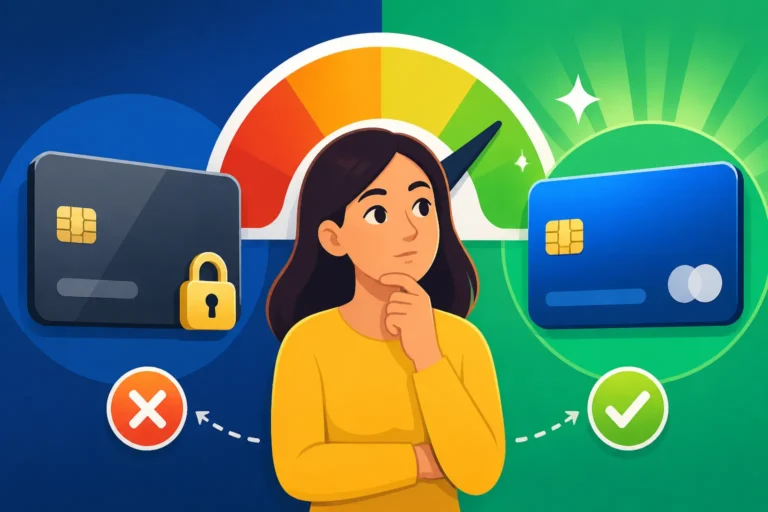
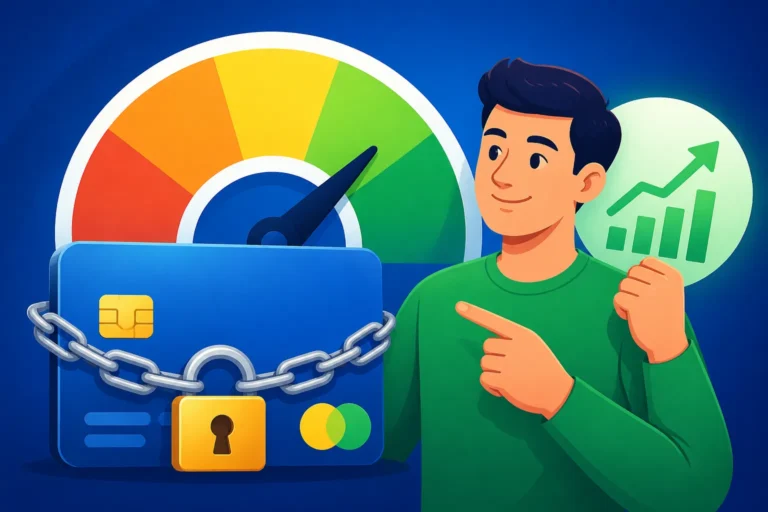
Secured credit cards are arguably the most common and accessible type of starter card, especially for those with absolutely no credit history or a past credit misstep. The defining feature of a secured card is the requirement of a cash deposit, which typically serves as your credit limit. For example, if you deposit $200, your credit limit will be $200. This deposit acts as security for the issuer, significantly reducing their risk and making it easier for them to approve applicants without a credit history.
What's crucial to understand is that despite the deposit, a secured credit card functions just like a regular credit card. You make purchases, receive a statement, and pay your bill. The key difference is that if you default on payments, the issuer can claim your deposit to cover the outstanding balance. As you make on-time payments, the issuer reports your activity to the major credit bureaus, building your credit history. Many secured cards offer a "graduation path," meaning after a period of responsible use (typically 6-12 months), the issuer may review your account and convert it to an unsecured card, refunding your deposit. This is a fantastic transition and a testament to your responsible credit management. Popular options often include the Discover it Secured Card and the Capital One Platinum Secured Credit Card, which are known for their clear paths to becoming unsecured and for reporting to all three major credit bureaus. For a deeper dive, check out Secured Credit Cards: How They Build Credit.
Student Credit Cards
If you're a college student, student credit cards are specifically tailored for your demographic, often offering a path to credit without requiring a security deposit. These cards recognize that students generally have limited income and no credit history but represent a low-risk population with future earning potential. Approval is typically based on factors like your enrollment status, age, and sometimes a modest income from a part-time job or financial aid.
Student credit cards often come with lower credit limits, similar to secured cards, to help prevent overspending. Some also offer student-friendly perks, like cash back on specific categories (e.g., dining, groceries, gas) or rewards for good grades, which can be a nice bonus when funds are tight. The main benefit, however, is the opportunity to establish credit early on without tying up cash in a deposit. Responsible use during your student years can set you up for a much smoother transition into post-graduation financial independence. It's an excellent way to start your credit journey while you're still in school.
Unsecured Cards for Limited Credit
While less common for someone with absolutely zero credit, there are some unsecured credit cards available for individuals with limited or fair credit. "Unsecured" means no deposit is required. These cards typically come with higher interest rates, lower credit limits, and sometimes annual fees, reflecting the higher risk the issuer takes on by not requiring collateral. They are generally harder to get approved for if you truly have no credit, but if you have a very thin file or a short history with a positive mark or two, you might qualify.
It's important to be cautious with these cards, as some can come with predatory fees (e.g., high annual fees, monthly maintenance fees, program fees) that can quickly erode any benefit. Always read the terms and conditions carefully before applying. Look for cards that explicitly state they are for "fair" or "building" credit, rather than those marketed towards "bad credit" which often have the highest fees. While they offer the immediate benefit of not needing a deposit, they might require a bit more vigilance to ensure you're not getting saddled with unnecessary costs.
Key Features to Look for in a Starter Card
When you're sifting through the many options for a starter credit card, it's easy to get overwhelmed. Beyond just getting approved, you want a card that actively helps you build credit efficiently and affordably. Focusing on a few key features will help you make the best choice.
Fees and Interest Rates
One of the first things to scrutinize when looking at any credit card, especially a starter one, is the fee structure and interest rate. High fees can quickly negate the benefits of building credit.
Annual Fees: Many starter cards, particularly secured ones or those for limited credit, might carry an annual fee. While a modest fee (say, $29-$39) can be acceptable if the card genuinely helps you build credit and offers a path to an unsecured card, anything higher should give you pause. Ideally, look for a card with no annual fee if possible.
APR (Annual Percentage Rate): This is the interest rate you'll pay on any balance you carry month-to-month. Starter cards often have higher APRs, sometimes in the mid-20s or even higher. The best way to avoid paying this interest is to pay your statement balance in full by the due date every single month. If you anticipate carrying a balance, a high APR can lead to significant costs.
Other Fees: Be wary of other potential fees like foreign transaction fees (if you plan to travel internationally), late payment fees, or cash advance fees. While some fees are standard, excessive or obscure fees should raise a red flag. Always read the Schumer Box, which summarizes these terms, before applying. Choosing a card with manageable fees means more of your money goes towards paying down debt and less towards unnecessary charges.
Reporting to All Three Credit Bureaus
This is perhaps the most critical feature for any starter credit card. The entire point of getting a starter card is to build your credit history, and that only happens if your responsible payment activity is reported to the major credit bureaus. There are three main credit bureaus in the U.S.: Equifax, Experian, and TransUnion. All three compile your credit reports and generate your credit scores.
It's vital that your chosen card reports to all three of them. Some lesser-known or subprime cards might only report to one or two, which can lead to inconsistencies across your credit reports and potentially slower credit building with certain lenders who pull from a specific bureau. Before you apply, check the card's terms or website to confirm its reporting practices. A card that consistently reports your on-time payments to all three bureaus ensures that your positive actions are visible to the widest range of potential lenders and landlords. This comprehensive reporting helps you establish a robust and widely recognized credit profile. You can learn more about this by checking out The 3 Credit Bureaus: Equifax, Experian & TransUnion.
Graduation Paths and Credit Limit Increases
A good starter card isn't just a stepping stone; it often offers a clear path forward. For secured cards, a "graduation path" is highly desirable. This means that after a period of responsible use (typically 6-12 months of on-time payments and low utilization), the card issuer will review your account and may convert your secured card into an unsecured card. When this happens, your security deposit is refunded, and you continue to build credit with a standard credit card. This is a clear indicator that the issuer trusts your creditworthiness.
Beyond graduation, look for cards that offer the potential for credit limit increases. Even if you start with a low limit, showing consistent, responsible use can prompt the issuer to raise your limit. A higher credit limit can be beneficial for your credit score because it can help lower your credit utilization ratio, assuming your spending remains consistent. For example, if you have a $200 limit and use $50, your utilization is 25%. If your limit increases to $500 and you still use $50, your utilization drops to 10%, which is much healthier for your score. Some issuers automatically review accounts for increases, while others require you to request them. Knowing these possibilities upfront can help you choose a card that grows with you, rather than one you'll quickly outgrow.
Applying for Your First Credit Card: What to Expect
The application process for your first credit card can feel a bit like a mystery, especially when you're uncertain about what information lenders are looking for. However, understanding the typical requirements and steps can help demystify the process and boost your confidence.
Eligibility Requirements
Before you even start filling out an application, it's wise to understand the general eligibility requirements. These can vary by card issuer and card type, but some fundamental criteria apply to nearly all credit card applications.
Age: In the United States, you must be at least 18 years old to open a credit card in your own name. If you're under 21, you might need to show proof of independent income or have a co-signer (though co-signers on credit cards are less common these days).
Income: While you don't need a six-figure salary, card issuers need to see that you have the means to pay your debts. This can come from employment, scholarships, grants, Social Security benefits, or even a spouse's income if you have reasonable access to it. You'll typically be asked to report your gross annual income. Don't inflate this number; providing false information can lead to problems down the road.
Social Security Number (SSN) or Individual Taxpayer Identification Number (ITIN): Most U.S. credit card applications require an SSN. However, some issuers are beginning to accept ITINs, particularly those catering to immigrants. If you don't have an SSN, it's worth researching specific cards that accommodate ITINs, as they are less common.
Residency: You generally need to be a U.S. resident with a stable U.S. mailing address. International students or new immigrants might find this tricky, but there are options for How to Build Credit as an Immigrant (No SSN History).
Understanding these basic requirements upfront can save you time and potential disappointment, allowing you to focus on cards you're more likely to be approved for.
The Application Process
Once you've identified a suitable starter credit card, the application process itself is usually straightforward and can often be completed online in a matter of minutes.
Filling Out the Form: You'll be asked for personal details such as your full name, address, date of birth, SSN, income, and employment information. Be sure to fill out all fields accurately. Any discrepancies could flag your application for further review or even denial.
Soft vs. Hard Inquiries: When you submit a credit card application, the issuer performs a credit check. This typically results in a "hard inquiry" on your credit report. A hard inquiry can cause a slight dip in your credit score (usually a few points) and remains on your report for two years, though its impact diminishes over time. This is why it's important to be strategic and apply for cards you have a good chance of getting, rather than submitting multiple applications at once. Some companies, however, allow you to check for pre-qualification with a "soft inquiry," which doesn't affect your score. This can be a useful tool to gauge your chances before committing to a full application. Our article on Hard vs Soft Inquiries: How Each Affects Your Score provides more details on this.
Decision Time: Many online applications provide an instant decision. If approved, you'll receive your new card in the mail, usually within 7-10 business days. Sometimes, applications go into a "pending" status, meaning the issuer needs more time to review your information, or they might request additional documentation.
What to Do If Denied
Receiving a credit card denial can be frustrating, especially when you're just trying to get your foot in the door. However, it's not the end of the world, and it provides an opportunity to learn and improve.
Receive a Denial Letter: By law, if you are denied credit, the issuer must send you an Adverse Action Notice (or denial letter) explaining the specific reasons for the denial. This letter is incredibly valuable. It will detail exactly why you were turned down, such as "insufficient credit history," "too many recent inquiries," or "high debt-to-income ratio."
Contact the Reconsideration Line: Many credit card companies have a "reconsideration line" – a dedicated phone number where you can speak to an analyst and ask them to re-evaluate your application. If your denial was due to something like a small technicality, or if you can provide additional context or information (e.g., explaining a recent income boost not yet reflected in your file), you might be able to overturn the decision. Be polite, clear, and confident in your conversation.
Understand the Reasons and Improve: Once you know why you were denied, you can take steps to address those issues. If it's a lack of credit history, a secured card or a credit builder loan might be a better starting point. If it's a mistake on your credit report, you'll want to dispute it. Don't immediately apply for another card after a denial, as repeated hard inquiries can further impact your score. Instead, take some time to strengthen your financial profile based on the feedback you received. Understanding What Happens After You File a Credit Dispute? can be helpful if you suspect errors.
Maximizing Your Starter Card for Credit Growth
Getting your first credit card is just the beginning. The real magic happens in how you manage it. Responsible use is the cornerstone of building a strong credit profile and unlocking better financial opportunities down the line.
Responsible Usage Habits
Establishing good habits from day one with your starter credit card is paramount. These habits will not only help your credit score grow but also prevent you from falling into common debt traps.
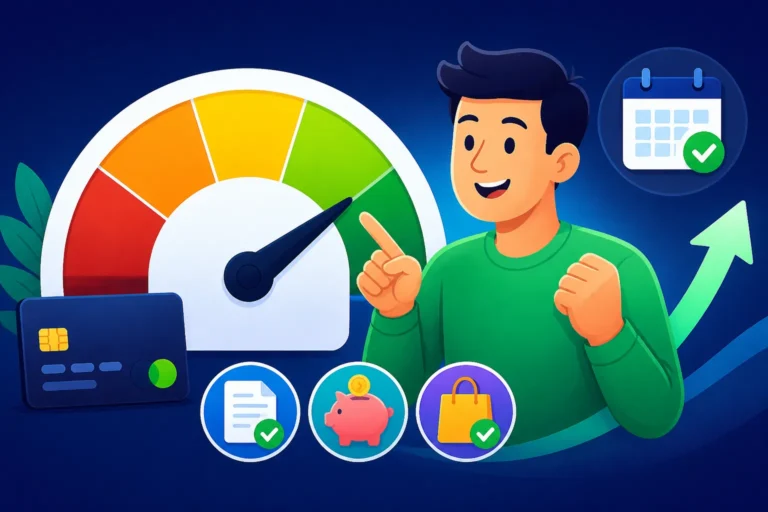
Pay Your Bill On Time, Every Time: This is the golden rule of credit building. Your payment history accounts for a whopping 35% of your FICO score, making it the most influential factor. A single late payment (usually 30 days past due) can severely damage your credit score and stay on your report for up to seven years. Set up automatic payments for at least the minimum amount, or even better, for the full statement balance, to ensure you never miss a due date. Consider setting calendar reminders or opting for email/text alerts from your card issuer.
Keep Your Credit Utilization Low: Credit utilization refers to how much of your available credit you're using. For example, if your credit limit is $500 and your statement balance is $100, your utilization is 20%. Experts generally recommend keeping your overall credit utilization below 30%—and ideally even lower, under 10%—for optimal credit health. High utilization signals to lenders that you might be over-reliant on credit, which can lower your score. To keep utilization low, try to pay your balance in full each month, or at least make multiple payments throughout the billing cycle to keep your reported balance low. Our guide on Credit Utilization: The Complete Guide dives deep into this crucial factor.
Understand Your Statement Date vs. Due Date: Many new cardholders confuse these. The statement date is when your billing cycle ends, and your statement is generated, showing the balance you owe. The due date is when that balance (or at least the minimum payment) must be received. To keep your utilization low, ideally, pay off your balance before your statement date so a lower balance is reported to the credit bureaus.
Monitoring Your Credit Progress
Building credit isn't a "set it and forget it" process. Actively monitoring your credit report and score allows you to track your progress, spot potential issues, and understand the impact of your financial decisions.
Regularly Check Your Credit Report: You are entitled to a free credit report from each of the three major bureaus (Equifax, Experian, TransUnion) once every 12 months via AnnualCreditReport.com. It's a good practice to pull one report every four months, staggering them throughout the year. This allows you to review your entire credit history for accuracy and identify any unfamiliar accounts or errors that could be dragging down your score. Finding and disputing errors, as outlined in How to Read Your Credit Report (2026 Guide), is a vital part of credit management.
Track Your Credit Score: Many credit card issuers and financial services (like Credit Karma, Experian, or your bank's credit monitoring service) offer free access to your credit score. While these might not always be your FICO Score (the most widely used by lenders), they provide a good indication of your progress. Watching your score rise month after month as you maintain good habits can be incredibly motivating and helps you understand How Credit Scores Work: The Complete Guide. Pay attention to any sudden drops, as these could indicate a new negative item, a mistake, or even identity theft.
Understand the "Why" Behind Score Changes: Don't just look at the number; try to understand why your score changed. Most credit monitoring services provide insights into the factors influencing your score. Did it drop because you missed a payment? Did it rise because you paid down a large balance? Understanding these connections helps you adjust your behavior for continued improvement.
When to Consider Upgrading or Getting a Second Card
As your credit score improves and your credit history lengthens, you'll naturally reach a point where your starter card might feel a bit limiting. This is a good problem to have!
Graduating Your Secured Card: If you started with a secured card that offers a graduation path, the first milestone is to see it convert to an unsecured card. This means you get your deposit back, and the card continues to report positive activity. Keep the card open, even after graduation, as it contributes to your average age of accounts, another important factor in your credit score.
Applying for a Second Card: Once you have a solid 6-12 months of responsible payment history on your starter card, you might consider applying for a second, unsecured credit card with better benefits, like rewards or a lower APR. A second card can help improve your credit mix and increase your overall available credit, which in turn can lower your utilization ratio. However, be strategic. Don't apply for too many cards at once, as multiple hard inquiries in a short period can temporarily ding your score. Space out your applications.
Requesting a Credit Limit Increase: Instead of (or in addition to) a new card, you might ask your current issuer for a credit limit increase. This can be particularly beneficial for your utilization ratio. Wait until you have at least six months of on-time payments, and ensure you haven't been maxing out your card. Some issuers might do a soft pull for this, others a hard pull, so always ask beforehand. The goal is to evolve your credit profile responsibly, ensuring each step builds upon the last.
Alternatives to Traditional Starter Credit Cards
While starter credit cards are often the go-to for building credit, they aren't the only game in town. For some individuals, or in certain situations, alternative credit-building tools might be a better fit, especially if you're struggling to get approved for even a secured card. These options can complement a starter card or serve as a preliminary step.
Credit Builder Loans
Credit builder loans are a fantastic and often overlooked tool for establishing credit, especially if you're hesitant about traditional credit cards or prefer a structured savings approach. Unlike a typical loan where you receive the money upfront and then pay it back, with a credit builder loan, the money is held in a savings account or certificate of deposit (CD) while you make regular monthly payments.
Here's how it works: You apply for a small loan, say $500 or $1,000. The lender places that money in a locked account that you can't access immediately. You then make monthly payments on the loan for a set period (e.g., 6-24 months). As you make each payment, the lender reports this positive activity to the credit bureaus. Once the loan is fully paid off, you receive access to the original loan amount, plus any interest earned, minus any fees. It's essentially a forced savings plan that builds your credit history. Companies like Credit Strong and Self are well-known providers of credit builder loans. They structure these products specifically to help individuals with thin or no credit establish a strong payment history. This can be a less risky way to prove your reliability as a borrower since the funds are secured by your own payments, much like a secured credit card. You can explore this further in our article, Credit Builder Loans Explained (Self, Kikoff & More).
Becoming an Authorized User
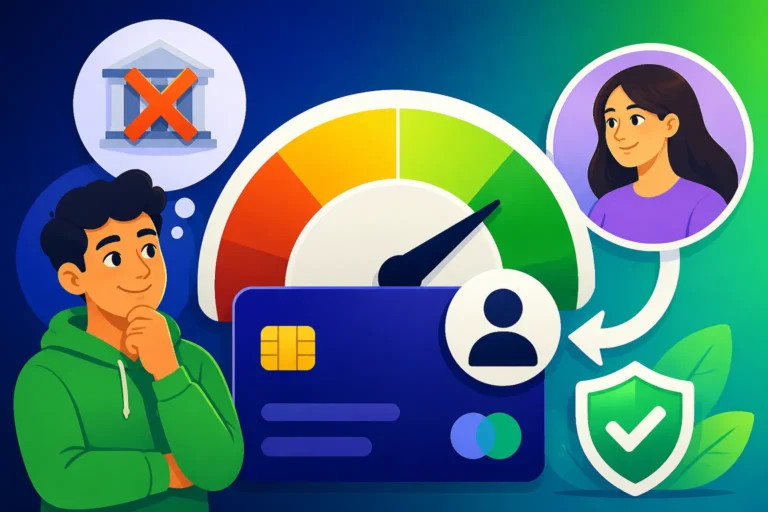
If you have a trusted family member or friend with excellent credit, becoming an authorized user on one of their credit card accounts can be a very quick way to get positive payment history onto your credit report. When you're added as an authorized user, the account's history (including its age, credit limit, and payment history) often appears on your credit report. If the primary cardholder has a long history of on-time payments and low credit utilization, those positive marks can significantly boost your score.
However, there are important caveats. First, you are not legally responsible for the debt, but the primary cardholder is. Second, if the primary cardholder starts missing payments or racks up high balances, that negative activity can also reflect on your credit report, hurting your score. Third, not all issuers report authorized user activity to all bureaus, or in a way that fully benefits the authorized user. It's crucial to have a clear understanding and trust with the primary cardholder. Ensure they are financially responsible and willing to maintain good credit habits. While it can be a powerful boost, it's also largely out of your control, so choose wisely. Our guide on How to Become an Authorized User to Build Credit offers a more detailed perspective on the benefits and risks.
Rent and Utility Reporting Services
In recent years, several services have emerged that allow you to add your on-time rent and utility payments to your credit report. Traditionally, these payments don't show up on your credit report because landlords and utility companies aren't considered traditional lenders. However, some third-party services can collect this payment data and report it to the credit bureaus, giving you credit for bills you're already paying.
Experian Boost is one popular option, specifically designed to help by adding positive utility and telecom payment history to your Experian credit file. Other services like RentReporters or LevelCredit allow you to have your rent payments included on your credit report, sometimes for a fee. The impact of these services can vary. While they can definitely help those with a very thin credit file by adding more positive payment history, they generally don't carry the same weight as revolving credit accounts (like credit cards) or installment loans (like credit builder loans) in traditional scoring models like FICO. Nevertheless, for someone just starting out or needing a nudge, leveraging these payments you're already making can provide a helpful boost to demonstrate your financial responsibility to lenders.
| Feature | Secured Credit Card | Student Credit Card | Unsecured Card for Limited Credit | Credit Builder Loan |
|---|---|---|---|---|
| Security Deposit | Yes (often refundable upon graduation) | No | No | Yes (loan amount held in account) |
| Credit Limit | Matches deposit amount | Typically low ($300-$1,000) | Typically low ($300-$1,000) | N/A (loan amount received at end of term) |
| Annual Fee | Common, but many no-fee options exist | Less common, some offer perks | More common, sometimes higher fees | May have admin fees |
| Typical APR | High (often 20%+) | High (often 20%+) | Very High (often 25%+) | N/A (you're paying interest on a "loan") |
| Approval Ease | Very easy (for no/bad credit) | Moderate (for students with limited income) | Harder (for fair/thin credit) | Easy (for no/thin credit) |
| Reports to Bureaus | All 3 (crucial for credit building) | All 3 (crucial for credit building) | All 3 (verify before applying) | All 3 (crucial for credit building) |
| Primary Benefit | Establishes credit with minimal risk for issuer | Builds credit without deposit during student years | Builds credit without deposit | Builds credit while encouraging savings |
| Risk | Can lose deposit if you default | Overspending if not careful | High interest rates, potential for high fees | Less liquid, funds locked until paid off |
| Best For | No credit, poor credit, rebuilding | Current students with limited income | Thin credit, established positive history | No credit, thin credit, wanting to avoid cards |
Disclaimer
This article is for general informational purposes only and does not constitute professional advice. Laws, prices and regulations vary by location and change over time. Consult a qualified professional for guidance on your specific situation.