How to Build Credit With No Bank Account Using an Authorized User Spot
It can feel like a Catch-22: you need a bank account for so many financial transactions, but sometimes you just don't have one, or perhaps you're rebuilding your financial life from scratch. And then there's credit – a seemingly insurmountable hurdle without traditional banking. But what if I told you there’s a surprisingly effective way to start building a positive credit history, even if you don't have a bank account? This guide will walk you through how becoming an authorized user on someone else's credit card can open the door to a healthier credit profile, providing a solid foundation for your future financial goals.
Understanding the Authorized User Concept When You Have No Bank Account
Navigating the world of credit without a traditional bank account can feel incredibly isolating. Many financial products seem to require one, and the idea of building credit might feel out of reach. However, the authorized user strategy is one of the few avenues that doesn't inherently demand you have an open checking or savings account.
What Being an Authorized User Means for Your Credit
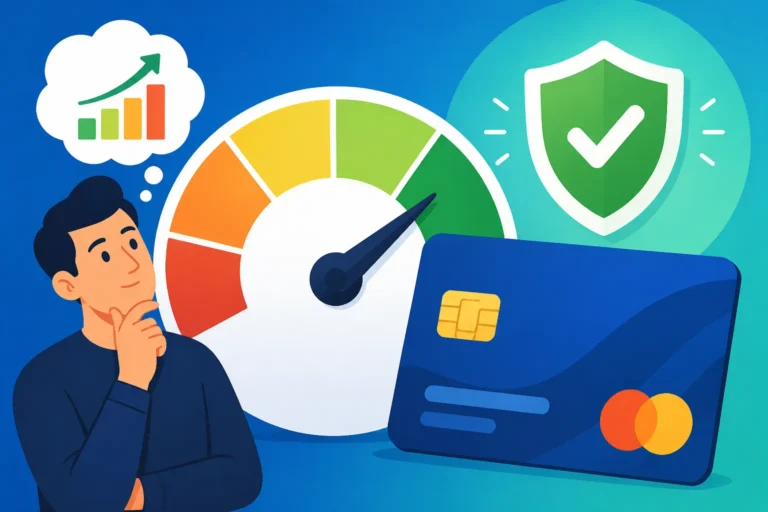
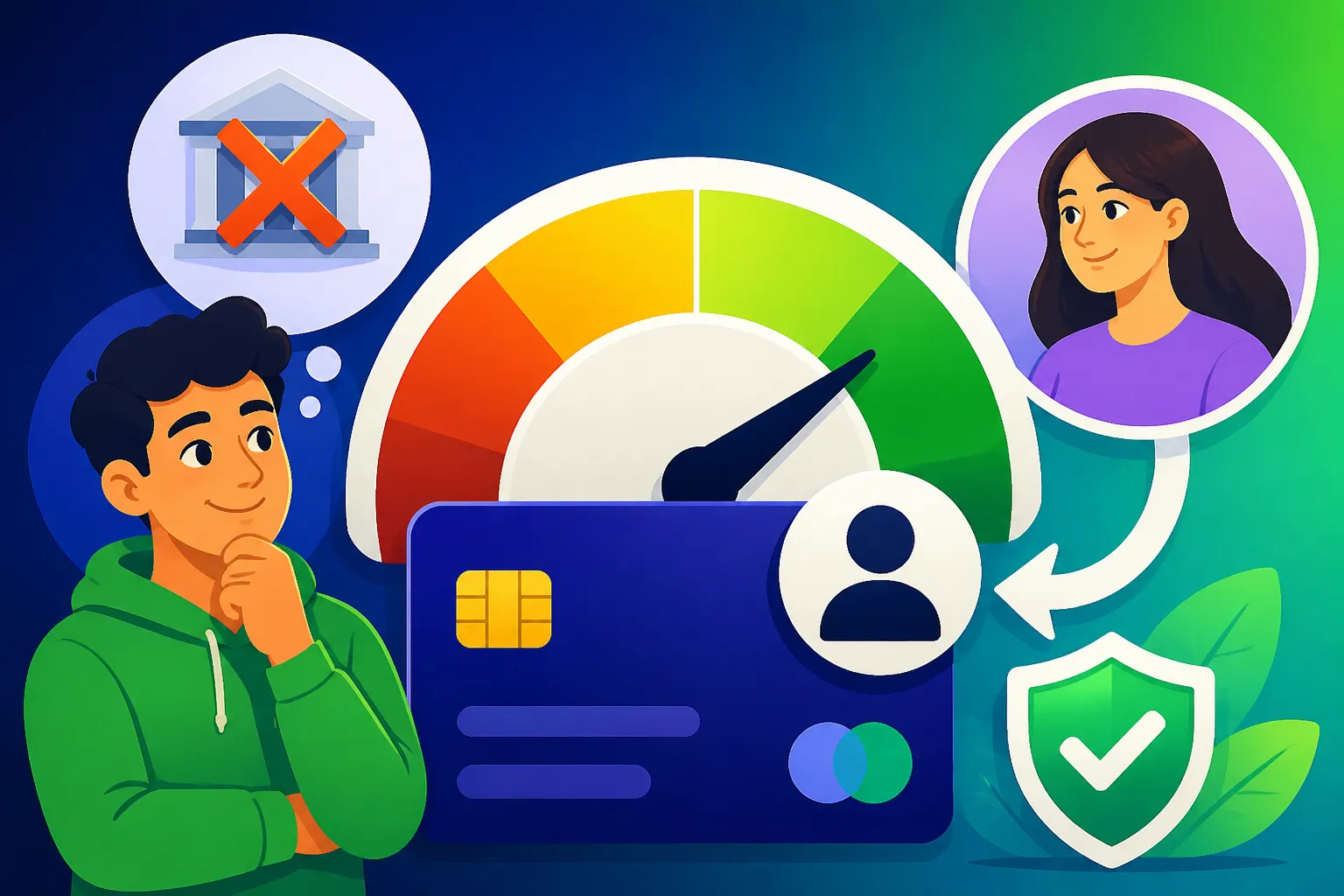
When someone adds you as an authorized user to their credit card, it essentially means you're allowed to use their credit account. You might even get your own physical card with your name on it. But here's the crucial part: usually, the payment history of that primary account starts appearing on your credit report. This means if the primary cardholder uses the card responsibly, pays their bills on time, and keeps their credit utilization low, all that positive activity can reflect positively on your credit file. It's like getting a piggyback ride on someone else's good financial habits.
For someone without a bank account, this is incredibly valuable. Lenders often look at your payment history as one of the most significant factors when determining your creditworthiness. By becoming an authorized user, you can establish a history of on-time payments, even if you're not the one making them directly. This is a foundational step in learning How to Build Credit From Scratch (2026 Guide). It's also important to understand that while you can use the card, you're not legally responsible for the debt – that falls squarely on the primary cardholder.
Why a Bank Account Isn't Always Necessary for AU Status
The beauty of being an authorized user for credit-building purposes is that the credit card account itself belongs to the primary cardholder. Their bank account is linked to the card, and they're responsible for all payments. When you're added, the credit card company typically reports the account activity to the credit bureaus using your name, address, and Social Security Number (SSN). They don't usually ask for your bank account information. Your connection to the account is through the primary cardholder's established relationship with the issuer.
This is a stark contrast to other credit-building methods like secured credit cards or credit builder loans, which almost always require you to have a bank account for deposits, payments, or direct debits. Without a bank account, those options are often inaccessible. Even many rent-reporting services that can help build credit by reporting your on-time rent payments often require a bank account to verify transactions. So, for many, the authorized user route becomes a critical entry point into the credit system when traditional banking isn't an option.
How to Find Someone to Add You as an Authorized User
This step is perhaps the most delicate, as it involves trust and clear communication. You're asking someone to put their own credit standing on the line for you, so it's essential to approach this thoughtfully and respectfully.
Identifying the Right Primary Cardholder
Choosing the right person to add you as an authorized user is paramount. You need someone with excellent credit habits, a long history of on-time payments, and low credit utilization on the specific card they plan to add you to. This isn't just about finding someone who loves you; it's about finding someone who is financially responsible.
Look for a close family member – a parent, a trusted sibling, or even a very close friend – who has a credit card they've managed impeccably for years. Ideally, they should have a card with a high credit limit and consistently keep a low balance, well below 30% of that limit, but ideally under 10%. The longer the account has been open and the better their payment history, the more beneficial it will be for your credit report. When you're learning How to Become an Authorized User to Build Credit, this careful selection process is the first critical step. Avoid anyone who frequently carries high balances or has a history of late payments, as their negative actions could unfortunately reflect poorly on your credit score, too.
Crucial Conversations to Have Beforehand
Before anyone agrees to add you, you need to have a frank and detailed conversation. Transparency is key. Explain your situation: that you don't have a bank account and are looking to build credit responsibly. Reassure them that you understand the responsibility they're taking on.
Here are some points to cover:
- Payment Agreement: Even if you won't be making the payments directly from your own bank account, discuss whether you will contribute to payments for purchases you make, or if this is purely for credit-building and you won't be using the card. If you plan to use it, establish clear boundaries on spending limits and how you will reimburse them. Perhaps you'll pay them in cash or through a money order.
- Card Usage: Will you actually receive a physical card? In many cases, for pure credit-building purposes, you don't even need to use the card. The primary cardholder can simply add your name and SSN to their account, and the positive history will typically start appearing on your report. This is often the safest route for both parties, as it eliminates any risk of you overspending.
- Credit Monitoring: Discuss how you'll both monitor the account and your credit reports. You should be regularly checking your own credit reports (you can get them for free at AnnualCreditReport.com) to ensure the account is being reported correctly and positively. The primary cardholder should also be comfortable sharing basic account status updates with you, like statements, so you can see the positive impact. Understanding Does Being an Authorized User Build Credit? requires careful monitoring of your credit file.
A table outlining the responsibilities and benefits can be helpful for both parties to visualize the agreement:
| Aspect | Primary Cardholder Responsibilities | Authorized User Responsibilities (and Benefits) |
|---|---|---|
| Account Ownership | Owns the account, legally responsible for all debt. | Not legally responsible for debt. |
| Payment Management | Must make all payments on time. | (Optional) Reimburse primary for purchases made. |
| Credit Impact | Their credit score can be affected by AU's spending (if card is used). | Benefits from primary's good payment history; builds credit score. |
| Communication | Shares account status/statements if agreed. | Communicates spending (if applicable) and thanks primary. |
| Risk | Risks credit damage if AU overspends and doesn't reimburse. | Risks credit damage if primary mismanages the account. |
| Control | Can remove AU at any time. | Gets a start on building credit, even without a bank account. |
This conversation ensures everyone is on the same page and helps mitigate any potential misunderstandings down the line.
Maximizing Your Authorized User Status for Credit Building
Once you're successfully added as an authorized user, the real work of leveraging this status for your credit-building journey begins. It's not a set-it-and-forget-it kind of thing; a little proactive effort goes a long way.
The Importance of a Well-Managed Primary Account
Your credit health as an authorized user is directly tied to how the primary cardholder manages their account. If they start missing payments, or if their credit utilization skyrockets (meaning they're using a high percentage of their available credit), those negative actions will likely show up on your credit report too, potentially dragging your score down. This is why the "Crucial Conversations" discussed earlier are so vital.
Regular check-ins with the primary cardholder can be beneficial, just to ensure everything is running smoothly. You can also monitor your own credit report (which you should be doing regularly anyway) to see the reported activity. A well-managed primary account will report consistent on-time payments and low balances, which are the twin pillars of a healthy credit score. Remember, payment history makes up a huge portion of your credit score, and credit utilization is another major factor. These are critical components of What Affects Your Credit Score? The 5 Factors.
Monitoring Your Credit Report as an Authorized User
Even without a bank account, you absolutely have the right to access your credit reports. You can get a free copy of your credit report from each of the three major credit bureaus (Equifax, Experian, and TransUnion) once every 12 months through AnnualCreditReport.com. Make this a priority.
When you receive your reports, carefully check for the authorized user account. Ensure it's listed correctly with your name and the primary cardholder's positive payment history. Look for any discrepancies or errors. If you find any, you’ll need to understand How to Dispute Credit Report Errors (Step-by-Step). Monitoring your report also helps you confirm that the positive activity is indeed being reported, giving you tangible proof that your authorized user status is working. This vigilance is a key part of effectively using an authorized user spot to build credit.
Transitioning to Your Own Credit Journey
Being an authorized user is a fantastic starting point, especially without a bank account. However, it's typically a stepping stone, not the final destination. As your credit score improves from this positive history, your ultimate goal should be to qualify for and manage your own credit accounts. This means eventually exploring options like secured credit cards or credit builder loans.
For instance, some reputable credit builder options, like those offered by Credit Strong, are specifically designed to help people establish or improve their credit. While many of these eventually require a bank account for direct debits, the positive history you build as an authorized user can make it easier to qualify for these products once you do open an account.
Once you have established a positive credit history as an authorized user and are ready to take the next step, you can apply for your own accounts. A good strategy might be to start with a secured credit card, where you put down a deposit that acts as your credit limit. This is an excellent way to continue demonstrating responsible credit behavior. Another option is a credit builder loan, which helps you save money and build credit simultaneously. Products like those from Credit Strong offer credit builder loans, and with a stronger credit profile from your authorized user experience, you might find yourself in a much better position to qualify. The ultimate aim is to use the authorized user status to make it easier to get approved for your own financial products and continue your journey to a robust credit score. You'll want to review resources like How to Get Your First Credit Card With No Credit when you're ready for this step.
Potential Pitfalls and How to Avoid Them
While becoming an authorized user can be a powerful tool for building credit, it's not without its risks. Both you and the primary cardholder need to be aware of these potential issues and take steps to mitigate them.
Risks for the Primary Cardholder and You
For the primary cardholder, the biggest risk is financial. If they give you a physical card and you use it, they are ultimately responsible for paying back those charges, even if you promised to reimburse them. If you fail to do so, it can strain your relationship and, more importantly, damage their credit score and financial well-being. Their credit utilization could go up, or they could miss payments trying to cover your spending. This is why many choose the "no physical card" approach for authorized users focused purely on credit building. They need to understand Authorized User Benefits and Risks thoroughly.
For you, the authorized user, the main risk is that the primary cardholder's mismanagement of the account could hurt your credit. If they suddenly start missing payments or maxing out the card, that negative activity will likely appear on your credit report, undoing all the good work you're trying to achieve. This is a significant drawback compared to directly building your own credit with products like Credit Builder Loans Explained (Self, Kikoff & More), where your actions directly control the outcome. Furthermore, if the primary cardholder decides to remove you as an authorized user, that positive history may eventually drop off your credit report, especially if it was a newer account.
What to Do if Things Go Wrong
Despite the best intentions, things can sometimes go awry. If the primary cardholder begins to misuse the account, or if you discover negative activity being reported on your credit report due to their actions, you have options.
First and foremost, have an open and honest conversation with the primary cardholder. Express your concerns about the impact on your credit. If the situation doesn't improve, you can ask the primary cardholder to remove you as an authorized user from their account. They can usually do this by calling the credit card company directly. Once removed, the account should eventually stop appearing on your credit report or at least stop updating with new activity.
If, for some reason, the primary cardholder is unwilling or unable to remove you, you can contact the credit bureaus (Equifax, Experian, TransUnion) yourself and request to be removed as an authorized user. You'll need to explain your situation and provide your personal information. The Fair Credit Reporting Act (FCRA) gives you the right to have accurate information on your credit report. While not always straightforward, it is a viable path if communication breaks down. After removal, you’ll need to focus on building credit independently. This might mean starting with other options like a secured credit card. Even if you don't have a traditional bank account, some options exist for those working with alternative banking solutions, or you can work towards opening a basic checking account to unlock more credit-building tools. Credit Strong offers credit builder accounts that can be a great way to transition, though they typically involve direct payments from a bank account.
Remember, the goal is to build positive credit, so taking swift action to prevent further damage from a mismanaged authorized user account is crucial for How to Raise Your Credit Score (Step-by-Step).
Moving Forward on Your Credit Journey
Building credit, especially when you don't have a traditional bank account, can feel like navigating a maze. However, becoming an authorized user offers a clear, actionable path to get started. By carefully selecting a trustworthy primary cardholder, having open conversations, and diligently monitoring your credit report, you can establish a positive credit history that will open doors to future financial opportunities.
This initial step is about leveraging existing relationships to create a foundation. As you gain positive history, you'll be better positioned to explore other credit-building tools, like secured credit cards or credit builder loans, even if they require you to eventually open a basic bank account. Services like Credit Strong can become viable options once you have that initial credit history and a place to manage funds. Remember, consistency and responsible financial behavior are what truly pave the way to a strong credit score. Keep learning, keep monitoring, and keep moving forward.
Disclaimer
This article is for general informational purposes only and does not constitute professional advice. Laws, prices and regulations vary by location and change over time. Consult a qualified professional for guidance on your specific situation.