How to Build Credit as an Immigrant (No SSN History)
Navigating the financial landscape in a new country can feel like trying to solve a puzzle with half the pieces missing, especially when it comes to building credit as an immigrant without a Social Security Number (SSN) history. Many new arrivals face the frustrating reality of needing credit for essential things like renting an apartment or financing a car, but without an SSN or existing credit history, the doors often remain shut. This comprehensive guide is here to shed light on those challenges and offer practical, actionable strategies to help you establish and strengthen your credit profile from the ground up, even when you're starting with very little.
Understanding the Unique Credit Challenges for Immigrants Without an SSN
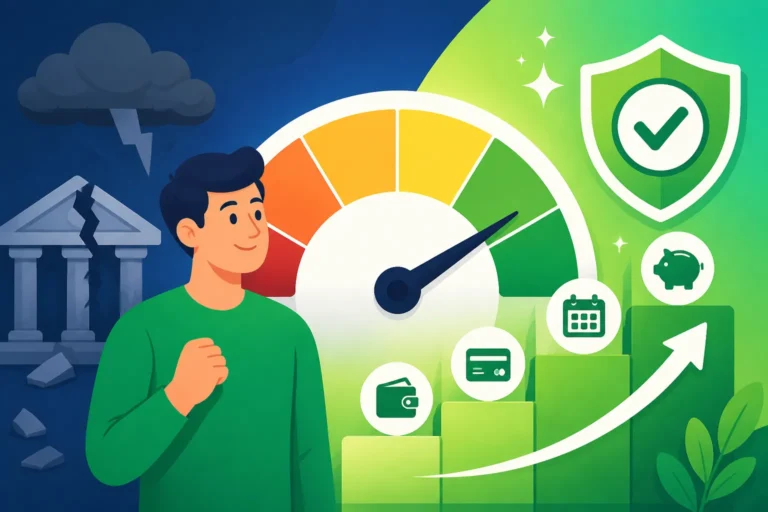
Starting fresh in a new country is incredibly brave, but one of the biggest silent hurdles many immigrants face is the invisible barrier of credit. It’s not just about a lack of funds; it’s about a lack of a recognized financial identity, especially when you don't yet have an SSN. This can feel incredibly isolating and make even simple tasks daunting.
The SSN Hurdle and Why It Matters
Let's be real: in the United States, the Social Security Number is like a golden ticket for financial services. For most lenders, credit card companies, and even utility providers, an SSN is the primary way they identify you and access your credit history. Without it, you’re often stuck at the first gate. It's not a personal failing; it's a systemic requirement that wasn't designed with recent immigrants in mind. This means that applying for traditional credit cards, loans, or even some apartment rentals becomes incredibly difficult, if not impossible, because there's no standard way for institutions to verify your financial trustworthiness or report your payment behavior. Many find themselves feeling invisible to the credit system, trapped in a cycle where they can't get credit without a history, and can't build a history without credit.
Limited Credit History and "Thin Files"
Even if you had impeccable credit in your home country, that history generally doesn't transfer to the U.S. credit system. What this often means for immigrants is having a "thin file" – a credit report with very few accounts, or sometimes, no accounts at all. A thin file is just as problematic as a bad credit history in the eyes of many lenders because it offers no data points for them to assess your risk. Imagine trying to get a loan for a car; the dealership pulls your credit, and sees nothing. To them, it's a blank slate, and that uncertainty makes them hesitant to approve you for anything significant. This lack of history prevents you from accessing better interest rates, competitive loan products, and even some housing opportunities, essentially limiting your financial mobility. It’s a frustrating Catch-22 that requires specific, deliberate steps to overcome.
Essential First Steps to Establish Financial Footing
Before you can even begin to think about building credit, there are foundational steps you need to take to establish your financial presence in the U.S. These actions, while not directly credit-building, lay the groundwork and signal to institutions that you are a reliable, financially engaged individual.
Obtaining an ITIN (Individual Taxpayer Identification Number)
If you don't have an SSN and aren't eligible for one, your very first step should be to apply for an Individual Taxpayer Identification Number (ITIN). An ITIN is a tax processing number issued by the U.S. Internal Revenue Service (IRS). It’s available to individuals who are required to have a U.S. taxpayer identification number but do not have, and are not eligible to obtain, an SSN. While an ITIN isn't a substitute for an SSN and won't automatically grant you access to all credit products, it is a crucial bridge. It allows you to file taxes, which is fundamental to establishing a financial record. Some banks and lenders will accept an ITIN for certain financial products, especially secured ones, recognizing it as a valid form of identification for tax purposes. To apply, you'll need to fill out Form W-7 and provide original or certified copies of identity documents, such as your passport or national identity card. You can submit this through the mail, at certain IRS Taxpayer Assistance Centers, or through an IRS-authorized Acceptance Agent.
Opening a Bank Account
Regardless of your SSN status, having a checking and/or savings account is non-negotiable for anyone living in the U.S. This is where your financial life truly begins. It provides a secure place for your funds, allows you to receive direct deposits, and enables you to pay bills easily. When you're trying to build credit, a consistent banking history, even without an SSN, demonstrates financial responsibility. Many banks, particularly larger national ones like Bank of America, Chase, or Wells Fargo, and increasingly, local credit unions, have procedures for opening accounts with an ITIN or other forms of identification, like a passport and a secondary form of ID (e.g., a foreign driver's license or a lease agreement). While a bank account itself doesn't directly build credit, it's often a prerequisite for applying for secured credit cards or credit builder loans. It shows a pattern of financial engagement, which can be a positive signal to institutions considering you for credit-building products later on. Plus, managing your money effectively through a bank account is key to developing good financial habits that will serve your credit journey well.
Strategies to Build Credit Without an SSN
Once you have your ITIN and a solid banking foundation, you can start exploring specific credit-building products designed to help individuals with limited or no credit history. These options are often more flexible and accessible, making them ideal starting points for immigrants.
Secured Credit Cards
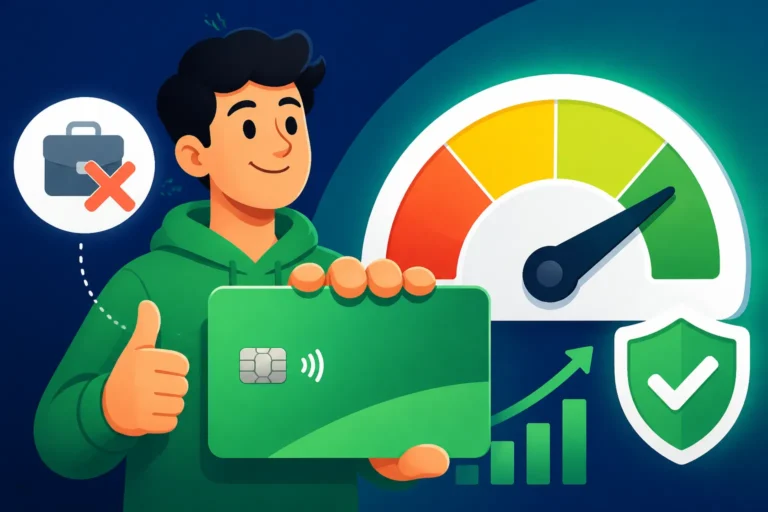
For many immigrants without an SSN, a secured credit card is the most straightforward path to begin building credit. These cards require you to put down a cash deposit, which then typically becomes your credit limit. For instance, if you deposit $300, your credit limit is $300. This deposit acts as collateral, significantly reducing the risk for the lender, which is why they are often more willing to approve applicants without a traditional credit history or SSN.
The beauty of a secured card is that it functions much like a regular credit card. You use it for purchases, and then you pay off your balance on time each month. The key difference is that your responsible usage is reported to the three major credit bureaus (Equifax, Experian, and TransUnion), just like an unsecured card. This consistent reporting is what truly helps you establish a positive payment history and build your credit score over time. When looking for a secured card, research issuers known for working with ITINs. Capital One and Discover are often cited as being more accessible in this regard. Remember, the goal is not to carry a balance, but to demonstrate your ability to manage credit responsibly. After several months of on-time payments, some secured cards will even allow you to "graduate" to an unsecured card and get your deposit back. To dive deeper into how these cards work, check out our guide on Secured Credit Cards: How They Build Credit.
Credit Builder Loans
Another excellent option for building credit without an SSN is a credit builder loan. These aren't like traditional loans where you receive a lump sum upfront. Instead, the loan amount is held in a locked savings account or Certificate of Deposit (CD) by the lender. You then make regular monthly payments on this "loan" over a set period, typically 6 to 24 months. Each of your on-time payments is reported to the credit bureaus. Once the loan is fully paid off, you receive access to the money that was held in the savings account.
This method is fantastic because it helps you establish both a positive payment history and, by the end, a small savings cushion. It’s a win-win situation, showing lenders you are capable of making consistent payments and demonstrating financial prudence. Companies like Credit Strong and Self Financial are popular choices for credit builder loans and are known for their accessibility, often accepting ITINs. With Credit Strong, for example, you can open a Credit Builder Account that reports your payments to the credit bureaus, helping you establish a payment history without needing an SSN upfront for approval. These services understand the specific needs of individuals new to the U.S. credit system. If you want a full breakdown, our article on Credit Builder Loans Explained (Self, Kikoff & More) offers more insights.
Becoming an Authorized User
If you have a trusted friend or family member who has excellent credit and is willing to add you as an authorized user on one of their credit card accounts, this can be a surprisingly effective way to kickstart your credit history. As an authorized user, you'll receive a card with your name on it, linked to their account, but you are not legally responsible for the debt.
The major benefit here is that the primary account holder's positive payment history and credit limit are often reported on your credit report. This means you can benefit from their established credit age and responsible usage, essentially "inheriting" some of their good credit. However, there are crucial considerations. You need to ensure the primary cardholder is extremely responsible with their payments and keeps their credit utilization low. If they miss payments or max out their card, it could negatively impact your budding credit profile. Always have a clear discussion with the primary account holder about how you'll use the card (or if you'll use it at all) and your expectations for their responsible management. This strategy can be a quick boost, but it relies heavily on someone else's financial habits. For more on this, consider reading How to Become an Authorized User to Build Credit.
Leveraging Non-Traditional Reporting and Local Resources
While traditional credit products are important, there are also less conventional avenues and local resources that can help immigrants without an SSN establish a credit foothold.
Rent and Utility Bill Reporting
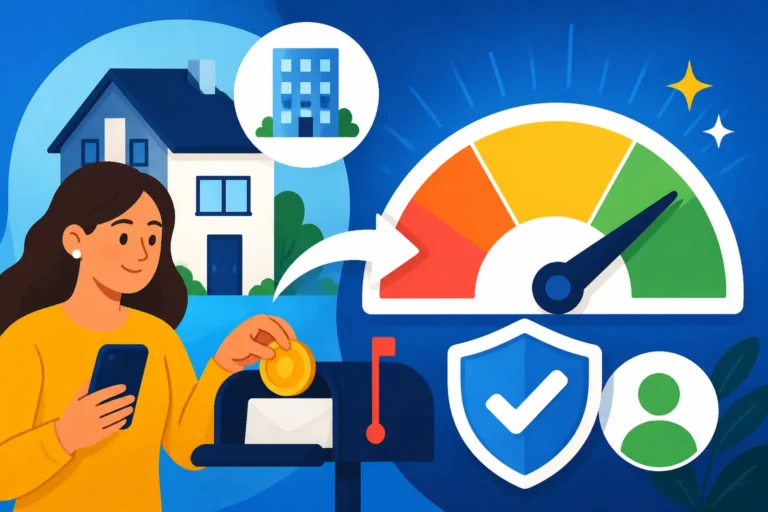
Traditionally, your monthly rent and utility payments don't show up on your credit report unless they go to collections. However, in recent years, services have emerged that allow you to report these regular, on-time payments to the credit bureaus. This is a game-changer for many, especially immigrants who consistently pay rent and utilities but don't see that positive behavior reflected in their credit score.
Services like RentReporters, LevelCredit, and even Experian Boost (which focuses on utility and phone payments) can help. These platforms act as intermediaries, verifying your payment history with your landlord or utility providers and then reporting it to one or more of the major credit bureaus. While there's usually a fee associated with these services, the benefit of building a positive payment history can be well worth the cost, particularly when you have a thin file. Imagine proving you've faithfully paid your rent for years; that's valuable data for lenders. It highlights responsible financial behavior that might otherwise go unnoticed. Discover more about how this works in our article, Rent Reporting: Can Paying Rent Build Credit?.
Local Credit Unions and Community Banks
When big national banks seem intimidating or have rigid requirements, turning to local credit unions and community banks can be a breath of fresh air. These smaller institutions often have a more community-focused approach and are generally more flexible and willing to work with individuals on a case-by-case basis. They are more likely to consider your unique circumstances, especially if you can build a personal relationship with a loan officer.
Many credit unions offer secured credit cards or small credit builder loans to members who don't have an SSN but can provide an ITIN and other forms of identification. Because they operate on a local level, they may be more familiar with the needs of the immigrant community in their area and might have programs specifically tailored to help new residents establish credit. Don't be shy about visiting a few local branches, explaining your situation, and asking about their options for individuals without an SSN or established credit history. Sometimes, just having a conversation can open doors that larger, more bureaucratic institutions might keep closed. They might also be more inclined to offer you a small personal loan, which, if paid off reliably, can also help build your credit history.
Best Practices for Maintaining and Improving Your Credit
Building credit is a marathon, not a sprint. Once you've taken those crucial first steps, the real work is in consistently applying sound financial habits to ensure your credit profile continues to grow stronger.
Consistent On-Time Payments
This cannot be stressed enough: your payment history is the single most important factor in your credit score, accounting for 35% of your FICO score. Every single on-time payment you make, whether it’s for a secured credit card, a credit builder loan like one from Credit Strong, or reported rent, adds a positive mark to your credit report. Conversely, even one late payment can significantly damage your score and stay on your report for up to seven years.
To ensure you never miss a payment, set up automatic payments from your bank account whenever possible. Most credit card issuers and loan providers offer this feature, ensuring your minimum payment (or the full balance, if you prefer) is always made on time. If auto-pay isn't an option, or if you prefer manual control, set up calendar reminders a few days before each due date. Make it a habit to check your accounts regularly to confirm payments have been processed. This diligent approach is the bedrock of a strong credit score and demonstrates reliability to future lenders. Our guide on Payment History: Why It's 35% of Your Score further emphasizes its importance.
Managing Credit Utilization
Credit utilization is another critical component of your credit score, making up 30% of it. This refers to how much of your available credit you are currently using. For example, if you have a secured credit card with a $500 limit and you have a $250 balance, your utilization is 50%. The general rule of thumb is to keep your credit utilization below 30% across all your accounts. Ideally, aim even lower, below 10%, for the best impact on your score.
For someone just starting with a secured card or a credit builder loan, credit limits might be small, making it easy to accidentally hit high utilization. If your secured card has a $300 limit, try to keep your balance under $90-$100 at all times. If you make a purchase that pushes you above this, make an extra payment mid-cycle to bring the balance down before your statement closes. This shows lenders that you're not reliant on maxing out your available credit and that you can manage debt responsibly. This careful management is crucial for anyone building credit, and it's especially impactful when your credit history is still developing. Learn more about its impact in our article on Credit Utilization: The Complete Guide.
Regularly Monitoring Your Credit
As you build your credit, it’s vital to regularly check your credit reports for accuracy. Errors can occur, and they can significantly hinder your progress. You are entitled to a free copy of your credit report from each of the three major bureaus—Equifax, Experian, and TransUnion—once every 12 months through AnnualCreditReport.com. Make it a habit to review these reports annually, or even more frequently, especially during your initial credit-building phase.
When you check your report, look for any unfamiliar accounts, incorrect personal information, or misreported payment statuses. Even minor discrepancies can affect your score. If you find an error, it’s crucial to dispute it promptly with the credit bureau. Regular monitoring helps you catch these issues early and ensures that your hard work in building credit is accurately reflected. This vigilance is a key part of maintaining a healthy credit profile. To understand what you're looking at, consult our guide on How to Read Your Credit Report (2026 Guide).
| Credit Building Option | SSN Required? | Initial Investment | Reports To Bureaus | Ideal For | Key Benefit |
|---|---|---|---|---|---|
| Secured Credit Card | No (ITIN often accepted) | Yes (Refundable Deposit) | Yes | Quickest establishment | Builds payment history & utilization |
| Credit Builder Loan | No (ITIN often accepted) | No (You make payments) | Yes | Building payment history & savings | Forces savings, builds installment history |
| Authorized User | No | No | Often | Quick credit boost from trusted source | Leverages existing good credit |
| Rent Reporting Services | No | Yes (Subscription Fee) | Yes (Specific to service) | Turning existing payments into credit history | Utilizes existing expenses |
Disclaimer
The information provided in this guide is for general informational purposes only and does not constitute financial or legal advice. Credit laws and regulations can be complex and may change. It is always recommended to consult with a qualified financial advisor or legal professional for advice tailored to your specific situation.