How to Build Credit as a Student
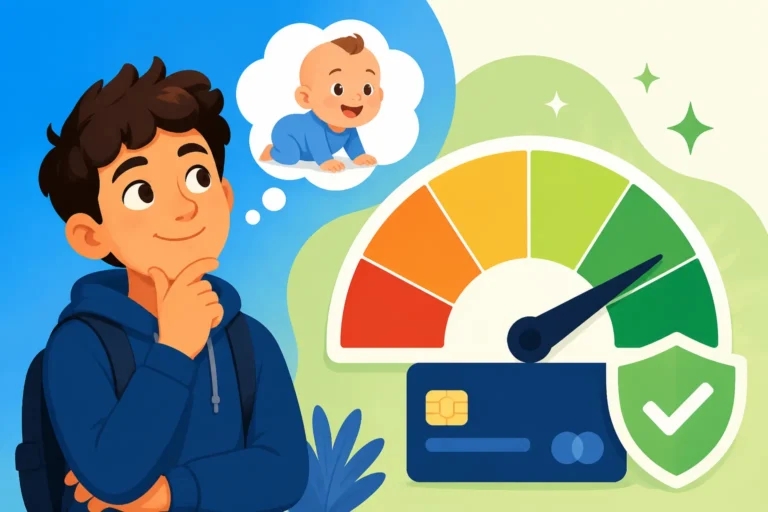
Navigating college or your early adult years often comes with a whole new set of financial responsibilities, and for many students, building credit is a concept that feels abstract, complicated, or just plain overwhelming. You might be juggling classes, a part-time job, and trying to keep up with friends, so the last thing you want to think about is a credit score you don't even have yet. But starting early is incredibly powerful, and this guide is here to demystify the process, offering practical, student-friendly strategies to build a solid credit foundation for your future.
Why Building Credit Matters for Students
Let's be real, you might be thinking, "Why do I need credit now? I'm just trying to get through school!" It's a valid thought, but understanding why credit is so important before you truly need it can save you a lot of headaches and money down the road. It's not just about getting a credit card; it's about establishing your financial trustworthiness in the eyes of lenders, landlords, and even some employers.
Opening Doors to Future Financial Goals
Think about your dreams beyond graduation. Do you picture yourself renting a cool apartment in the city? Buying your first car? Or maybe even getting a mortgage someday to own your own home? All these major life milestones, and countless others, heavily depend on your credit history and credit score. Without an established credit profile, it can be incredibly difficult, if not impossible, to qualify for loans, leases, or even utility services without large deposits or a co-signer.
Imagine graduating, getting your dream job, and finding the perfect apartment, only to be turned down because you have no credit history. It's a frustrating reality many young adults face. By starting now, even with small, manageable steps, you're laying the groundwork for a smoother transition into financial independence. It's about giving yourself options and avoiding unnecessary obstacles when you're ready to make those big moves. This is why learning how to build credit from scratch is so valuable at this stage.
The Domino Effect of Good Credit
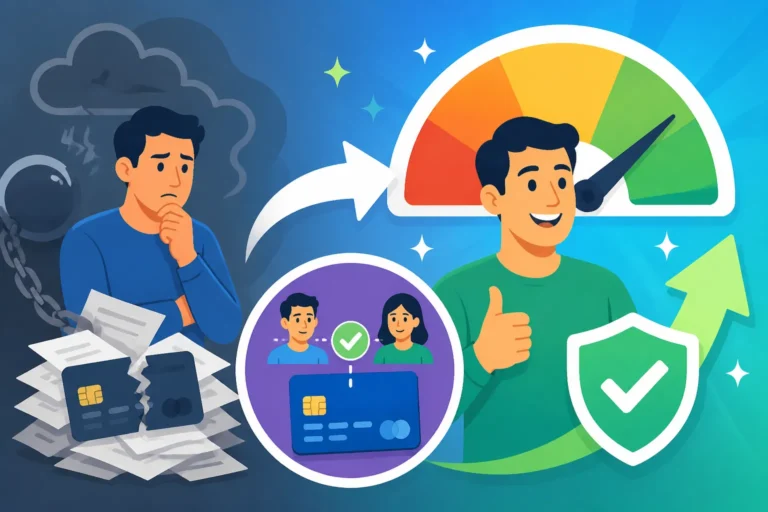
Building good credit is like setting up a positive domino effect. One good financial decision leads to another, creating a strong ripple through your financial life. When you demonstrate responsible credit behavior early on, lenders see you as less risky. This means you'll be offered better interest rates on loans, lower insurance premiums, and access to more premium credit products in the future.
Conversely, neglecting your credit or making poor financial choices can create a negative domino effect. High interest rates, rejection for loans, and limited financial opportunities can follow you for years. Starting with a focus on building a positive credit history now means you'll spend less money over your lifetime on interest and fees, and you'll have more financial flexibility to pursue your goals without unnecessary hurdles.
Understanding the Credit Landscape
Before we dive into how to build credit, it's crucial to understand the basic concepts. Many students (and adults!) find the world of credit confusing, filled with jargon and seemingly arbitrary rules. But it's actually quite straightforward once you break it down.
What Exactly is a Credit Score and Report?
At its simplest, your credit report is a detailed record of your borrowing and repayment history. It's like a financial resume, listing all your credit accounts, loans, payment history, and any public records like bankruptcies. There are three main credit bureaus—Equifax, Experian, and TransUnion—and each maintains its own version of your report. You can actually get your free credit report from each of them once a year.
Your credit score, on the other hand, is a three-digit number derived from the information in your credit report. It's a snapshot of your creditworthiness at a specific moment in time. The most common scoring models are FICO and VantageScore, and these scores range typically from 300 to 850. A higher score indicates lower risk to lenders. Understanding what is a good credit score is key to setting your targets. Lenders use these scores to quickly assess how likely you are to repay borrowed money. It's their shorthand way of understanding your financial behavior.
The Key Factors That Shape Your Score
Your credit score isn't some arbitrary number; it's calculated based on several key factors, often weighted differently depending on the scoring model. The five major components, particularly for FICO scores, are:
- Payment History (35%): This is the biggest piece of the pie. Paying your bills on time, every time, is paramount. Even one late payment can significantly ding your score.
- Amounts Owed / Credit Utilization (30%): This refers to how much of your available credit you're currently using. Keeping your credit utilization low, generally below 30% of your total credit limit, is ideal. We’ll delve deeper into credit utilization in a bit.
- Length of Credit History (15%): The longer you've had credit accounts open and maintained them responsibly, the better. This is why starting early as a student is so advantageous.
- New Credit (10%): Applying for too much new credit in a short period can be seen as risky. Each application often results in a "hard inquiry" which can temporarily lower your score.
- Credit Mix (10%): Having a healthy mix of different types of credit (e.g., credit cards, student loans, car loans) can be beneficial, showing you can manage various forms of debt.
Knowing these factors helps you understand exactly where to focus your efforts when building and improving your credit. It's not about magic; it's about consistent, responsible financial habits.
Getting Started: Your First Steps to Building Credit
Alright, enough with the theory. You're a student, you're ready to take action. So, what are the concrete steps you can take to start building that credit history without getting into financial trouble? There are a few excellent pathways designed for those with little to no credit.
Secured Credit Cards: A Solid Foundation
One of the most popular and effective ways for students to start building credit is with a secured credit card. These aren't like regular credit cards where the bank trusts you with their money; with a secured card, you provide a cash deposit that typically acts as your credit limit. For example, if you deposit $200, your credit limit will be $200. This minimizes risk for the lender, making them much more likely to approve applicants with no credit history or even poor credit.
The beauty of a secured card is that it functions just like a regular credit card. You make purchases, receive a statement, and make payments. The key is to use it responsibly: make small purchases you can afford to pay off in full every month. This demonstrates a positive payment history and keeps your credit utilization low. Many banks, like Capital One and Discover, offer secured credit cards that are specifically designed for building credit and often have pathways to convert to an unsecured card after a period of responsible use. If you want to dive deeper, we have a whole guide on Secured Credit Cards: How They Build Credit.
Credit Builder Loans: An Alternative Path
Another excellent strategy, especially if you're wary of traditional credit cards, is a credit builder loan. These loans work a bit differently. Instead of receiving the money upfront, the loan amount is held in a locked savings account or Certificate of Deposit (CD) by the lender. You then make fixed monthly payments on the "loan" over a set period (e.g., 6-24 months). Once the loan is fully paid off, you receive access to the money that was held.
The genius of a credit builder loan is that the payments you make are reported to the credit bureaus, establishing a positive payment history and showing a responsible credit mix. It’s essentially a forced savings plan that also helps your credit. Companies like Credit Strong specialize in these types of products, making it easy for individuals with limited credit history to start building a positive record. They are often structured with various loan amounts and repayment terms, allowing you to choose an option that fits your budget. This can be a fantastic way to diversify your credit mix and show lenders you can handle installment debt, which is different from revolving credit like a credit card. Check out our comprehensive piece on Credit Builder Loans Explained (Self, Kikoff & More) for more details.
Becoming an Authorized User
If a parent or trusted family member has excellent credit, you might consider becoming an authorized user on one of their credit card accounts. This means you get your own card linked to their account, and their positive payment history and credit limit can appear on your credit report, giving you a boost. It’s important to note that you don't even have to use the card for it to potentially benefit your credit score. Just being listed on the account can sometimes be enough.
However, this strategy comes with a significant caveat: the primary cardholder's responsible use directly impacts your credit. If they make late payments or max out the card, it will negatively affect your score, too. It’s crucial to have an open and honest conversation with the primary cardholder about their spending habits and to ensure they maintain the account responsibly. For more on this, read our guide on How to Become an Authorized User to Build Credit.
Leveraging Student-Specific Opportunities
Beyond the general strategies, being a student actually opens up some unique avenues to establish and grow your credit profile. Lenders understand that students are often new to credit and sometimes offer products tailored to your situation.
Student Credit Cards: Designed for You
Many credit card issuers offer specific student credit cards. These cards are designed for individuals with limited or no credit history and often come with lower credit limits and sometimes even student-friendly perks like rewards for good grades or discounts on streaming services. The criteria for approval are typically more lenient than for standard unsecured cards, making them an excellent entry point.
Issuers like Discover and Capital One often have strong student card offerings. These cards are unsecured, meaning you don't need to put down a deposit, but approval might still require you to demonstrate some form of income, even if it's from a part-time job or scholarships. The key here, as with any credit card, is responsible use: pay your balance in full and on time every month. This will not only build your credit but also help you avoid paying interest charges.
The Power of a Co-signer and its Risks
If you’re struggling to get approved for even a student or secured credit card on your own, a co-signer might be the solution. A co-signer is someone, usually a parent or close relative, who agrees to share legal responsibility for your debt. Their good credit history essentially vouches for you, making lenders more comfortable extending credit. This can allow you to get approved for a card or loan with better terms than you might otherwise qualify for.
While a co-signer can be a huge help, it's a serious commitment for both parties. If you miss payments, it negatively impacts both your credit scores, and the co-signer is legally obligated to repay the debt. This arrangement should only be entered into with someone you trust implicitly and after a frank discussion about repayment expectations and potential risks. It's a lifeline, not a shortcut to irresponsible spending.
Reporting Rent and Utility Payments
Historically, rent and utility payments haven't typically appeared on credit reports unless they go into collections. However, the landscape is changing, and more services are emerging that allow you to report these on-time payments to the credit bureaus. This can be a fantastic way to build credit using expenses you're already paying.
Companies like Experian Boost or services offered through your landlord (like RentReporter or LevelCredit) can help get your regular rent payments added to your credit report. Similarly, some apps and services can report utility payments (gas, electricity, water, internet) to the credit bureaus. While not all bureaus accept all forms of alternative data, Experian Boost, for example, specifically leverages positive utility and telecom payment history to potentially increase your Experian FICO Score. These methods acknowledge that responsible financial behavior extends beyond traditional loans and credit cards.
Responsible Credit Habits for Long-Term Success
Building credit isn't a one-time event; it's an ongoing journey of responsible financial management. Once you've opened your first credit accounts, the real work begins in maintaining and strengthening your credit score. These habits are crucial for turning that initial credit-building effort into a stellar credit profile that serves you for decades.
Paying Bills On Time, Every Time
This cannot be stressed enough: your payment history is the single most important factor in your credit score. It accounts for 35% of your FICO score! Even one missed payment, especially if it's 30 days or more past due, can cause a significant drop in your score. For a student just starting out, a single late payment can be a major setback.
Make it a habit to pay all your bills—credit card bills, student loans, even phone bills—on time, every single month. Set up automatic payments for at least the minimum amount due, or calendar reminders to ensure you never miss a deadline. This consistent, positive behavior is the bedrock of a strong credit score. It shows lenders you are reliable and can be trusted with borrowed money. If you ever find yourself in a bind, communicate with your lender before the payment is due to explore options.
Keeping Your Credit Utilization Low
The second most important factor, credit utilization, accounts for 30% of your FICO score. This refers to the ratio of your credit card balances to your available credit limits. For example, if you have a credit card with a $500 limit and a $100 balance, your utilization is 20% ($100 / $500). The general rule of thumb is to keep your overall credit utilization, and ideally, your utilization on individual cards, below 30%. Many experts even recommend keeping it below 10% for the best scores.
For students with potentially low credit limits on their first cards, this means being extra mindful of spending. If your secured card has a $200 limit, try to keep your balance under $60. It’s better to use a small portion of your credit limit and pay it off frequently than to max out the card, even if you pay it off in full by the due date. High utilization signals a higher risk to lenders, even if you’re making payments on time. Understanding Credit Utilization: The Complete Guide is really important for optimizing this factor.
Monitoring Your Credit Regularly
Think of your credit report as a living document. It changes, and sometimes errors can creep in. As you build credit, it's vital to regularly check your credit reports from all three major bureaus—Equifax, Experian, and TransUnion—for accuracy. You're entitled to a free report from each once every 12 months through AnnualCreditReport.com. Take advantage of this.
Reviewing your reports allows you to spot any inaccurate information, such as accounts that aren't yours, incorrect payment statuses, or outdated personal information. Errors, even small ones, can negatively impact your score. If you find a mistake, it’s crucial to dispute it promptly. We have a detailed guide on How to Dispute Credit Report Errors (Step-by-Step) that can walk you through the process. Regular monitoring also helps you identify potential signs of identity theft early on, which can save you a lot of grief. Beyond the annual free reports, many banks and credit card companies offer free credit score monitoring services, giving you more frequent updates.
Building Credit: Student Method Comparison
To help you visualize the different pathways for students to build credit, here's a quick comparison of some popular methods.
| Method | Pros | Cons | Best For Students Who… |
|---|---|---|---|
| Secured Credit Card | Easy approval, reports to bureaus, builds payment history & utilization | Requires a cash deposit, typically low credit limits, annual fees possible | Can afford a small deposit, prefer credit card experience. |
| Credit Builder Loan | Builds payment history & credit mix, forces savings, reports to bureaus | Funds are locked until paid off, small monthly payments for a period, interest charges apply (low) | Prefer installment debt, need structured savings, are okay with delayed access to funds. |
| Authorized User | Instant credit boost (if primary user is responsible), no deposit | Primary user's mistakes affect your credit, no direct control over the account, requires trust. | Have a trusted family member with excellent credit. |
| Student Credit Card | No deposit, builds payment history & utilization, rewards possible | May require some income, still needs responsible use, potentially higher interest rates. | Have a small, consistent income, want traditional credit card. |
| Rent/Utility Reporting | Uses existing payments, no new debt, can boost score (especially Experian) | Not all payments are reported by all bureaus, may incur a fee, not universally available. | Pay rent/utilities on time, want to leverage existing bills. |
It's clear that there isn't one "best" way to build credit, but rather several effective options, and often a combination of these strategies can be the most powerful for building credit fast. For instance, using a Credit Strong credit builder loan in tandem with a secured credit card can create a diverse and robust credit profile for a student.
Common Pitfalls and How to Avoid Them
The journey to building great credit as a student is generally straightforward, but there are definitely some potholes you'll want to avoid. Falling into these common traps can quickly undo your hard work and leave you feeling even more frustrated than when you started.
Falling for Credit Scams
The world of credit and finance can attract unscrupulous actors looking to take advantage of people, especially those new to the system. You might encounter ads promising "guaranteed credit approval no matter your history" or offers to "repair your credit overnight." These are huge red flags. Building credit takes time and consistent effort; there are no legitimate shortcuts.
Be extremely wary of any company that asks for upfront fees to "fix" your credit, demands your Social Security number or other sensitive information over unsecured channels, or pressures you into decisions. Always research companies thoroughly, check reviews, and understand exactly what services they provide. Remember, legitimate credit-building strategies are transparent and focus on sustainable financial habits, not magic fixes. If you're unsure about a service or offer, consult with a trusted financial advisor or student financial aid office before proceeding. Understanding How to Spot a Credit Repair Scam can save you a lot of grief.
Taking on Too Much Debt
It's easy to get excited about having a credit card, especially when you're used to only spending cash or using a debit card. The temptation to buy things you want, but can't truly afford, is very real. However, taking on more debt than you can comfortably repay is one of the quickest ways to damage your credit and create a long-term financial struggle.
Remember the credit utilization factor we discussed? Maxing out your credit cards or taking out loans you can't manage will send your utilization soaring and make it difficult to make timely payments. This can lead to late fees, high interest charges, and a rapidly falling credit score. As a student, your income might be limited, so practicing extreme discipline with your spending is crucial. Only charge what you know you can pay off in full by the due date. This will keep your credit healthy and prevent you from accumulating costly interest. A good rule of thumb is that if you can't buy it with cash, you probably shouldn't buy it with credit.
Ignoring Your Credit Report
Many students assume that as long as they pay their bills, their credit will take care of itself. While consistent payments are vital, ignoring your credit report can mean missing critical errors or signs of identity theft. As mentioned, even small inaccuracies can affect your score and your ability to access future credit.
Imagine you're diligently paying your Credit Strong credit builder loan and your student credit card on time, but due to an administrative error, one of your payments is reported as late. If you don't check your report, this negative mark could linger for years, needlessly impacting your score. Similarly, if a fraudster opens an account in your name, ignoring your report means you won't catch it until it's caused significant damage. Make it a routine to check your reports at least once a year, and sign up for free credit monitoring services offered by many banks or third-party apps like Credit Karma to get more frequent alerts. Being proactive is your best defense.
How to Build Credit as a Student: Final Thoughts and Action Plan
Building credit as a student is one of the smartest financial moves you can make. It sets the stage for a future of financial opportunity, lower borrowing costs, and less stress. While it takes time and consistency, the steps are manageable and well within your reach.
Here’s a simple action plan to get you started:
- Assess Your Situation: Do you have any income? Can a trusted family member help as a co-signer or add you as an authorized user?
- Choose Your Starting Point: Consider a secured credit card or a credit builder loan (like those from Credit Strong) as your initial step. If you have some income, look into student-specific credit cards.
- Use Credit Responsibly: Keep balances low (under 30% utilization), and always, always pay your bills on time.
- Monitor Your Progress: Regularly check your credit reports for errors and use free credit monitoring tools to stay informed.
- Be Patient and Consistent: Building good credit is a marathon, not a sprint. Stick with these habits, and you'll see your score grow over time.
Remember, every responsible step you take now is an investment in your financial future. You've got this!
Disclaimer
Please note that this article is intended for informational purposes only and does not constitute financial or legal advice. Credit-building strategies and outcomes can vary based on individual circumstances. Always consult with a qualified financial advisor for personalized advice.