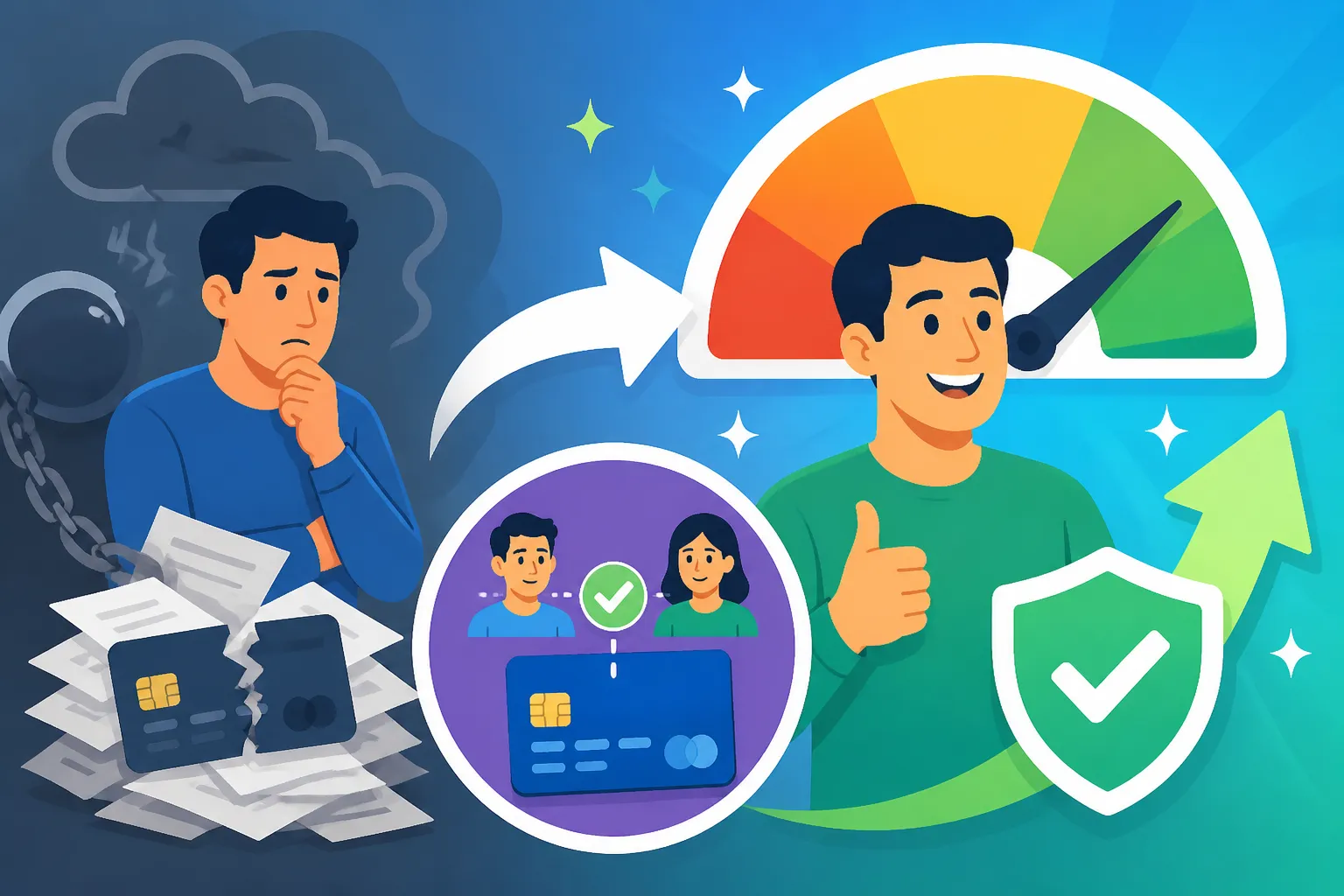
How to Build Credit After Debt Settlement Using an Authorized User Spot
Dealing with the aftermath of debt settlement can feel like climbing a steep mountain with no clear path to the top. Your credit score likely took a significant hit, and the idea of rebuilding it might seem overwhelming, leaving you wondering where to even begin. This comprehensive guide will walk you through how leveraging an authorized user spot strategically can be a powerful tool in your journey to build credit after debt settlement, helping you reclaim your financial footing.
Understanding the Landscape After Debt Settlement
Before we dive into how an authorized user spot can help, it's crucial to understand the ground you're standing on after a debt settlement. It’s a bit like navigating a landscape that's been through a major storm – you need to assess the damage before you can start rebuilding.
The Immediate Aftermath of Debt Settlement
When you settle a debt for less than the full amount, it gets reported to the credit bureaus as "settled for less than the full amount" or similar terminology. This isn't the same as paying off a debt in full, and it typically has a negative impact on your credit score. Lenders view debt settlement as a significant risk indicator, suggesting you weren't able to meet your original obligations.
For a while, sometimes up to seven years from the date of the original delinquency, this settled account will remain on your credit report. This extended period can make securing new credit difficult, and any credit you do obtain will likely come with higher interest rates and less favorable terms. It's a tough pill to swallow, especially when you've worked hard to resolve your old debts. You might feel stuck, like every door is closing, but remember, this is a temporary phase, and there are proactive steps you can take. Your goal now is to establish new, positive credit history to slowly outweigh the negative entries.
Long-Term Repercussions and Your Starting Point
Beyond the initial score drop, debt settlement can have longer-term consequences that affect your creditworthiness. Your average age of accounts might decrease if you closed older accounts during the settlement process, and your payment history will have a significant negative mark. These factors, alongside high credit utilization (if you still have other debts), are major components of how credit scores work.
Your starting point, therefore, is likely a lower credit score and a credit report that signals caution to potential lenders. This isn't a dead end, though. It's simply the baseline from which you'll strategically build upwards. Many people mistakenly think they're beyond help, but with patience and a clear plan, like the one we'll discuss, you absolutely can improve your situation. Think of it as preparing the soil before you plant new seeds; you need to know its current composition. Regularly checking your credit report will be essential to monitor these changes and track your progress. Knowing exactly what's on your report empowers you to dispute any inaccuracies and understand your current standing.
How an Authorized User Spot Can Help Rebuild Credit
Now, let's talk about one of the most effective, yet often misunderstood, strategies for rebuilding credit after debt settlement: becoming an authorized user on someone else's credit card.
The Mechanics of Being an Authorized User
When you become an authorized user, you get a card in your name for someone else's credit account, but you're generally not responsible for the payments. Crucially, the positive payment history, credit limit, and low utilization of that primary account can start showing up on your own credit report. This is where the magic happens.
For instance, if your spouse, parent, or a trusted friend has a credit card with a long, positive payment history and keeps their utilization low (meaning they don't use much of their available credit), being added to their account can provide an immediate boost to your credit profile. The credit bureaus will see this healthy account activity, which can help offset some of the negative impact from your past debt settlement. It’s like getting a direct feed of good credit habits onto your own financial record, providing a much-needed foundation for your rebuilding efforts. It's one of the ways to build credit from scratch, even if you technically have existing (negative) history.
Maximizing the Benefits: What to Look For
Not all authorized user situations are created equal. To truly maximize the benefits for your credit rebuilding journey after debt settlement, you need to be selective about whose card you get added to. Here are the key factors to consider:
- Excellent Payment History: This is non-negotiable. The primary cardholder must have a history of paying their bills on time, every time. A single late payment on their account could negatively impact your report, too.
- Low Credit Utilization: The primary cardholder should ideally keep their credit utilization below 30%, and even better, below 10%. This means if they have a $10,000 credit limit, they should consistently be using less than $3,000 (and ideally less than $1,000). High utilization, even on someone else's card, can actually hurt your score.
- Long Credit History: The older the account, the better. A long-standing account adds to the "length of credit history" factor in your score, which is particularly helpful if your own accounts are relatively new or have been closed.
- Responsible Usage: This goes without saying, but ensure the primary cardholder is financially responsible. You are tying your credit health to theirs. Open and honest communication about their spending habits and payment schedule is vital.
- Reporting to All Bureaus: Confirm that the credit card company reports authorized user activity to all three major credit bureaus: Equifax, Experian, and TransUnion. Some companies only report for the primary account holder, which wouldn't help your situation.
Choosing the right account and the right person is paramount. It’s not just about getting a card; it’s about strategically building positive data on your report. For more details on how this works, check out our guide on whether being an authorized user builds credit.
Strategic Steps to Leverage an Authorized User Spot
Once you understand the 'why' and 'how' of an authorized user spot, the next step is putting it into action strategically to genuinely boost your credit after debt settlement.
Choosing the Right Account and Account Holder
This is perhaps the most critical step. You're essentially asking someone to extend their good credit habits to you, so it needs to be someone you trust implicitly and who trusts you.
- Identify Potential Candidates: Start by thinking of close family members – a parent, a spouse, or even a sibling. This should be someone with an excellent credit score, a long credit history, and a track record of responsible credit card use. If you're married, this might be a relatively straightforward conversation, assuming your spouse has a healthy credit profile.
- Have an Open and Honest Conversation: Approach them respectfully and explain your situation. Be transparent about your desire to rebuild your credit after debt settlement and how their help with an authorized user spot could be a game-changer. Reassure them that you understand the responsibility and will not use the card unless explicitly agreed upon, or perhaps not at all if your sole purpose is the credit reporting benefit.
- Set Clear Expectations and Boundaries: Discuss the terms. Will you actually use the card? If so, for what, and how will payments be handled? Many people choose not to use the card at all, simply benefiting from the reporting. If you do use it, make sure you pay your portion promptly and directly to the primary cardholder so they can pay the bill in full and on time. Document these agreements if it makes everyone more comfortable. For example, if your sister agrees to add you, you might agree that you will not have physical possession of the card, but her excellent payment history will still appear on your report.
Remember, this isn't a quick fix for the long-term repercussions of debt settlement, but it's a foundational step. It's about slowly cultivating positive credit history that will help to raise your credit score over time.
Monitoring Your Progress and Diversifying Your Credit Mix
Once you're an authorized user, your work isn't over. You need to actively monitor your credit report to ensure the account is being reported correctly and to track the impact.
- Regularly Check Your Credit Reports: After being added, wait 1-2 billing cycles, then get your free credit report from AnnualCreditReport.com for all three bureaus. Verify that the authorized user account appears correctly on your report. Look for the credit limit, current balance, and payment history to ensure it reflects the primary cardholder's responsible usage. This is a crucial step in understanding how to read your credit report effectively.
- Observe Your Credit Score Changes: While an authorized user spot can provide a boost, credit scores don't change overnight. You might see a gradual improvement over several months as more positive payments are reported. Don't get discouraged if it's not immediate. Patience is key. You can check your credit score for free through various services to watch this progress.
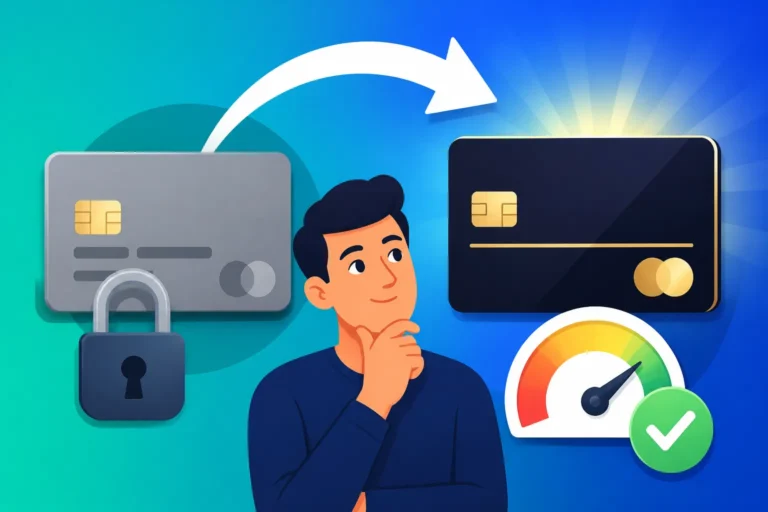
- Plan for Diversification: An authorized user spot is an excellent starting point, but it shouldn't be your only credit-building strategy. To truly build a robust credit profile after debt settlement, you'll want to eventually diversify your credit mix. This means having a healthy combination of different types of credit, like revolving credit (credit cards) and installment loans (personal loans, car loans). As your score improves from the authorized user boost, you might become eligible for other products like a secured credit card or a credit builder loan. These can add depth and further demonstrate your ability to manage different types of debt responsibly.
Integrating Other Credit Building Strategies
While an authorized user spot is a fantastic tool, it's just one piece of the puzzle. To truly build credit effectively after debt settlement, you need a multi-pronged approach.
Secured Cards and Credit Builder Loans
These are often the next logical steps once you've gained some positive traction from an authorized user account or if you need to build credit without a cosigner.
- Secured Credit Cards: A secured credit card requires a cash deposit, which typically becomes your credit limit. For example, if you deposit $300, your credit limit is $300. This deposit acts as collateral, reducing the risk for the lender. As you use the card responsibly – making small purchases and paying them off in full and on time every month – the issuer reports this positive activity to the credit bureaus. This is an excellent way to demonstrate responsible revolving credit management. Many people find the Discover it Secured Card or the Capital One Platinum Secured Card to be good options for this stage. They are specifically designed to help people build or rebuild their credit history. You can learn more in our detailed guide on secured credit cards and how they build credit.
- Credit Builder Loans: These are unique loans where the money isn't given to you upfront. Instead, it's held in a savings account or CD while you make monthly payments. Once the loan is paid off, you receive the money. The regular payments are reported to the credit bureaus as a positive installment loan history. Companies like Credit Strong offer this type of product, allowing you to establish a payment history without needing collateral upfront like a secured card, beyond the "loan" itself. This can be a great way to show lenders you can handle installment credit, which adds to your credit mix. It’s a savvy move for those who are serious about how to rebuild credit after debt settlement.
| Strategy | Pros | Cons | Ideal Use After Debt Settlement |
|---|---|---|---|
| Authorized User Spot | Immediate positive history, no personal debt, low barrier to entry. | Dependent on primary cardholder's habits, limited control. | Quick initial boost to establish positive reporting. |
| Secured Credit Card | Direct control over usage, builds revolving credit history, deposit often refundable. | Requires a cash deposit, typically lower credit limits. | Demonstrates personal responsibility with revolving credit. |
| Credit Builder Loan | Builds installment credit history, encourages saving, no upfront access to funds. | Funds are locked until loan is repaid, can have small fees. | Diversifies credit mix, proves ability to make consistent payments. |
| Rent Reporting | Uses existing payments (rent) to build credit. | Not all landlords/reporting services participate, potential fees. | Leverages a consistent expense you already have, adds to payment history. |
Consistent Payments and Low Utilization
These two factors are the bedrock of good credit, no matter your starting point. After debt settlement, they become even more critical.
- Always Pay On Time: This is the single most important factor affecting your credit score, making up 35% of your FICO score. Whether it's the authorized user account, a new secured card, a Credit Strong credit builder loan, or any other bill, make sure payments are made by the due date. Set up automatic payments or calendar reminders if you need to. A single late payment can set back your progress significantly.
- Maintain Low Credit Utilization: This accounts for 30% of your credit score. Keep your balances low relative to your credit limits, ideally below 10-30%. If you have a secured card with a $500 limit, try to keep your balance under $50-$150. Even if you pay off the full balance each month, the reported utilization can affect your score if you don't keep an eye on when your balance is reported. Paying off credit cards before the statement date can help ensure a low utilization is reported to the bureaus. Learning how to lower your credit utilization fast can make a big difference.
By combining the strategic use of an authorized user spot with secured credit cards, credit builder loans, and a strict adherence to on-time payments and low utilization, you'll be well on your way to rebuilding a strong credit profile after debt settlement. It’s a marathon, not a sprint, but every consistent, positive step moves you closer to your financial goals.
The Long Road to Recovery and Maintaining Good Credit
Rebuilding credit after debt settlement, even with strategic tools like an authorized user spot, is not an overnight process. It requires consistent effort, patience, and a long-term perspective.
Setting Realistic Expectations for Improvement
It's tempting to want immediate results, especially when you're working so hard to fix your financial standing. However, debt settlement leaves a significant mark, and credit scores typically take time to recover. Negative items, including settled accounts, can remain on your credit report for up to seven years from the original delinquency date. This doesn't mean your score will be terrible for seven years, but it does mean those entries will be factored in.
An authorized user account, a secured card, or a Credit Strong credit builder loan will start adding positive data points almost immediately. You might see small, incremental increases in your score within a few months, perhaps 20-50 points. However, achieving a truly "good" or "excellent" credit score (typically 670+) could take anywhere from 12 to 24 months, or even longer, depending on the severity of your past credit issues and how diligently you apply new, positive habits. Understand that your goal isn't just a number; it's establishing a reliable history that proves your trustworthiness to future lenders. If you're wondering how long does it take to improve your credit score, know that consistency is your best friend.
Continuous Monitoring and Smart Financial Habits
Once you've built up your credit, the work doesn't stop there. Maintaining good credit requires ongoing vigilance and smart financial habits.
- Keep a Close Eye on Your Credit Reports: Don't just check them when you're actively rebuilding. Make it a habit to pull your reports from all three bureaus at least once a year via AnnualCreditReport.com. This allows you to spot any errors, signs of identity theft, or new negative marks quickly. Knowing what's on your credit report is your first line of defense.
- Sustain Low Credit Utilization: Even when your score improves, continue to keep your credit card balances low. Experts often recommend keeping overall utilization below 30%, but aiming for under 10% is even better for your score. This demonstrates responsible management of your available credit.
- Always Pay Bills On Time: This cannot be stressed enough. Payment history is the most influential factor in your credit score. Never miss a payment due date on any account, whether it's a credit card, a loan, or even utility bills if they report to credit bureaus.
- Be Mindful of New Credit Applications: While diversifying your credit mix is good, opening too many new accounts in a short period can trigger multiple hard inquiries, which can temporarily ding your score. Apply for new credit only when you truly need it and are confident you'll be approved.
- Consider a Mix of Credit: As your credit health improves, try to have a healthy mix of revolving credit (like credit cards) and installment loans (like a personal loan or car loan). This shows lenders you can responsibly manage different types of credit.
Rebuilding your credit after debt settlement using an authorized user spot as a springboard, then layering in other sound strategies, is a testament to your resilience. It's a journey, but with consistent, smart choices, you absolutely can reach a place of strong financial health.
Disclaimer
This article is for general informational purposes only and does not constitute professional advice. Laws, prices and regulations vary by location and change over time. Consult a qualified professional for guidance on your specific situation.