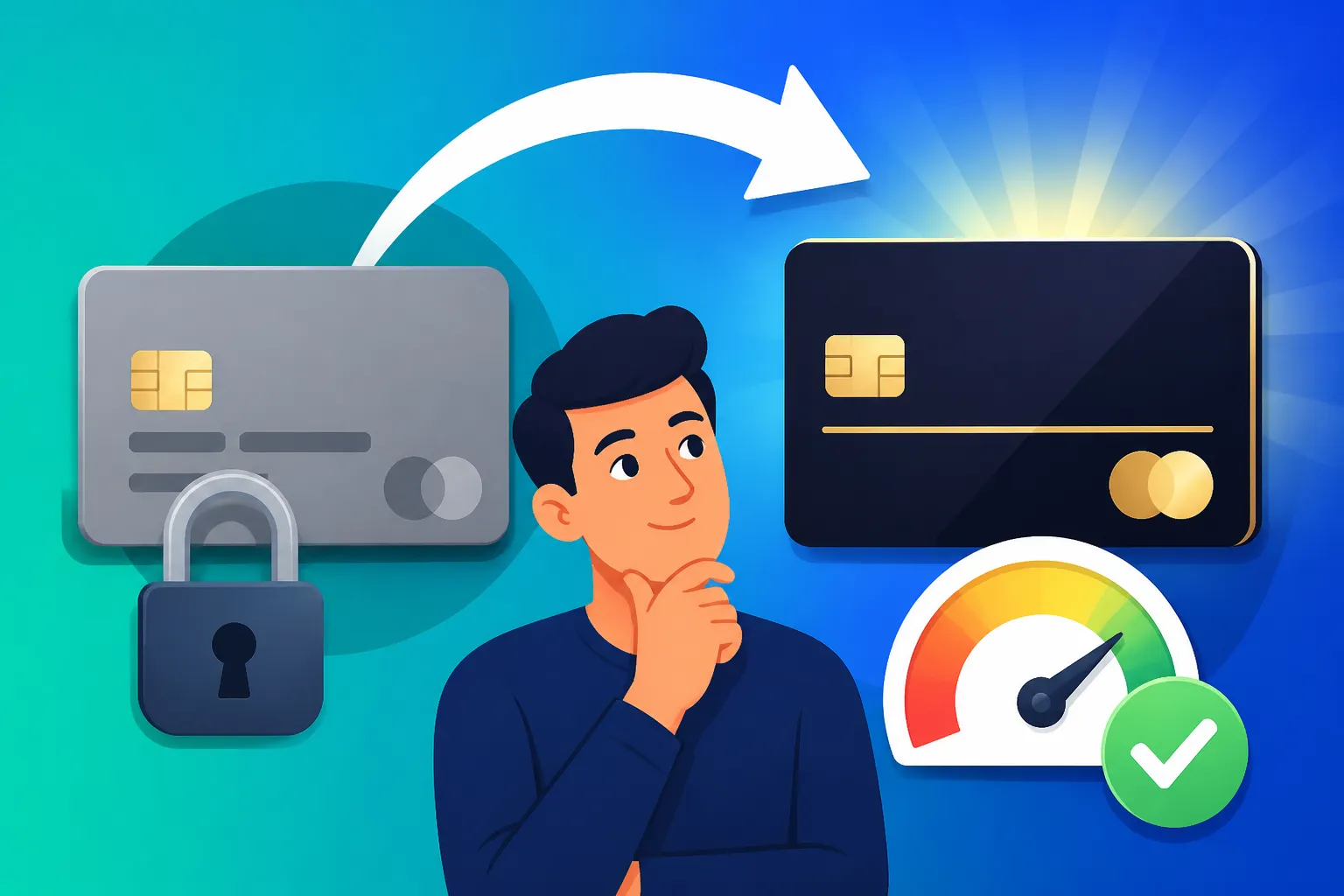
When Should You Upgrade From a Secured Card?
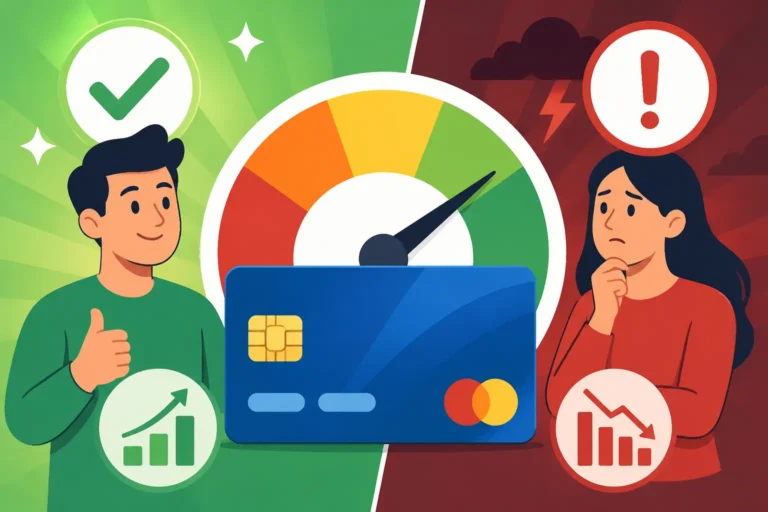
It's incredibly common to feel like you're in a bit of a holding pattern when you start building or rebuilding your credit with a secured credit card. You've done the hard work, made your payments, and you're probably wondering, "How long do I have to keep this deposit tied up? When can I finally 'graduate' to a regular, unsecured credit card?" The good news is, you won't be stuck with your secured card forever. Knowing when to make the leap and how to approach the upgrade process is key, and this guide is designed to give you all the insights and confidence you need for that next big step.
The Stepping Stone of Secured Credit Cards
Secured credit cards often feel like a necessary inconvenience. You know they're helping you, but the idea of using your own money as collateral can be a bit frustrating. However, understanding their role in the credit ecosystem is the first step toward appreciating their value and knowing when you're ready to move on.
The Purpose of Secured Cards
For many individuals, a secured credit card is the very first rung on the credit ladder. If you're someone who is just starting out with no credit history, or if you've faced financial challenges in the past that have left your credit score bruised, getting approved for a traditional, unsecured credit card can feel impossible. That's where secured cards come into play. They act as a vital bridge, allowing you to demonstrate responsible credit behavior without posing a high risk to lenders.
The whole point of a secured card is to prove that you can manage credit reliably. You put down a security deposit, which usually matches your credit limit, and that deposit acts as collateral. This significantly reduces the risk for the card issuer. It's essentially a training ground, a safe space for you to learn the ropes of credit management – making on-time payments, keeping your balances low, and understanding how interest works. Without this stepping stone, many people would find themselves in a chicken-and-egg scenario: "I need credit to get credit." You can learn more about how these cards fit into a broader strategy to build your financial future by checking out our guide on Secured Credit Cards: How They Build Credit.
How Secured Cards Function
At their core, secured credit cards operate much like their unsecured counterparts. You use the card to make purchases, up to your credit limit, and you receive a monthly statement. The crucial difference, of course, is that initial security deposit. If you default on your payments, the issuer can use that deposit to cover your outstanding balance. This mechanism is why they're often more accessible to those with a limited or poor credit history.
Every month, when you use your secured card and then pay your bill, the card issuer reports that activity to the three major credit bureaus: Equifax, Experian, and TransUnion. This reporting is the magic that helps you build your credit history. As you consistently make on-time payments and keep your balance low relative to your credit limit, these positive actions are recorded, gradually improving your credit score. Many popular card issuers, such as Capital One and Discover, offer secured cards designed specifically for this purpose, providing clear pathways for cardholders to eventually transition to unsecured products.
Clear Signs You're Ready to Ascend to an Unsecured Card
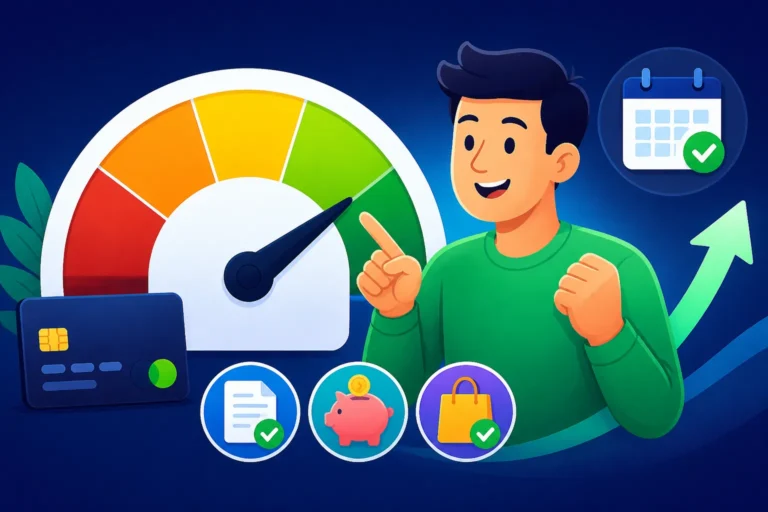
Knowing when to make the jump from a secured card to an unsecured one isn't always obvious. It's not just about time passing; it's about demonstrating consistent, positive financial habits that prove you're a responsible borrower. Lenders look for specific signals that indicate you're ready for more trust and a higher credit limit without the need for collateral.
A Stellar Payment History
This is, without a doubt, the most critical factor. Your payment history accounts for the largest portion of your credit score (a whopping 35% of your FICO Score!). Lenders want to see a rock-solid track record of on-time payments, not just for a few months, but for an extended period. Typically, they'll look for at least 12 to 24 consecutive months of perfect payment behavior on your secured card and any other credit accounts you might have.
Imagine you're lending money to a friend. You'd want to know they're reliable, right? It's the same principle with credit card issuers. Every single payment you make on time, every month, is a vote of confidence in your ability to manage debt responsibly. Conversely, even one late payment can significantly set back your progress, as it can remain on your credit report for up to seven years. This consistent behavior is the bedrock of a good credit score and a clear signal that you understand the fundamental rules of credit. To truly grasp the weight of this factor, delve deeper into How Credit Scores Work: The Complete Guide.
Keeping Credit Utilization Low
Credit utilization refers to how much of your available credit you're using. It's calculated by dividing your total outstanding balances by your total credit limits. For example, if you have a $500 credit limit on your secured card and you carry a $100 balance, your utilization is 20%. Experts generally recommend keeping your credit utilization below 30%, but ideally, you want to aim for even lower—think under 10%—for the best impact on your score.
Secured cards often come with lower credit limits, which means it's incredibly easy to accidentally hit a high utilization percentage. Even a few necessary purchases can quickly push you over that recommended threshold. Consistently demonstrating that you can keep your balances low, even with a small limit, shows financial discipline. It tells potential unsecured card issuers that you won't max out their card the moment you get it. This factor is so crucial that it merits its own in-depth exploration, which you can find in our comprehensive guide on Credit Utilization: The Complete Guide.
Your Credit Score Has Made Strides
While payment history and utilization are key components, your actual credit score is the summary report card. Before you consider upgrading, you should see a noticeable improvement in your FICO Score, which is the most widely used scoring model by lenders. What's considered "good" can vary, but generally, a FICO Score in the "Good" range (typically 670-739) or "Very Good" range (740-799) is a strong indicator that you're ready for an unsecured card.
You can often check your FICO Score for free through your bank, credit card issuer, or various financial apps. It's important to monitor your scores across all three major credit bureaus, as they might have slight variations depending on what information each bureau has received. A significant increase in your score over time confirms that your diligent efforts with your secured card and other financial habits are truly paying off. Understanding the various What Is a Good Credit Score? (2026 Ranges Explained) can help you set realistic goals for your credit improvement journey.
A Lengthy and Diverse Credit History
Beyond just good payment habits and a healthy score, lenders also appreciate a longer credit history. The "length of credit history" factor looks at the age of your oldest account, the age of your newest account, and the average age of all your accounts. If your secured card is your oldest account, having it open for at least one to two years, while managing it well, is beneficial. This longevity demonstrates sustained responsible behavior.
While your secured card focuses on revolving credit, gradually adding a bit of diversity to your credit mix can also be a positive sign. This doesn't mean you need to rush out and take on new debt. It simply means that having a mix of different types of credit accounts, such as an installment loan (like a car loan or student loan, or even a credit builder loan) alongside your revolving credit card, can show lenders you can handle various financial responsibilities. Many credit builder loan providers, like Credit Strong, specialize in helping individuals add this type of installment credit to their profile.
Navigating the Upgrade Journey
Once you've identified that your credit profile is looking strong, the next step is to actually initiate the upgrade process. It's not always an automatic transition, and sometimes you need to be proactive. Understanding how to approach your card issuer and what to expect can make the process much smoother.
Initiating the Conversation with Your Issuer
Unlike some credit milestones, graduating from a secured card isn't always an automatic process that happens in the background. While some issuers, like Discover, are known for automatically reviewing accounts for graduation, many require you to take the initiative. Your best bet is to call the customer service number on the back of your secured card. When you call, clearly state that you'd like to inquire about upgrading your secured card to an unsecured product or about a "product change."
Be polite, confident, and have your account information handy. You'll want to ask if you qualify for an upgrade to one of their unsecured credit cards. The representative will likely review your account history right then and there. It's not uncommon for them to check your current credit score and recent payment activity. This proactive approach shows the issuer that you are engaged and responsible, solidifying your case for an upgrade.
Potential Outcomes of an Upgrade Request
When you inquire about an upgrade, there are a few possible scenarios. The ideal outcome, of course, is that you're approved for a product change, meaning your existing secured card account will be converted into an unsecured one. In this situation, you usually keep the same account number, and your credit history for that account remains continuous, which is great for your credit age. Your security deposit will then be refunded to you.
Another possibility is that you might not qualify for an immediate upgrade, but the issuer might offer you a credit limit increase on your existing secured card. While not an upgrade, this is still a positive sign! A higher credit limit automatically lowers your credit utilization ratio (assuming your spending stays the same), which can further boost your credit score. If you're denied an upgrade entirely, don't be discouraged. Ask the representative why and what specific steps you can take to improve your chances in the future. They might suggest building more credit history or further reducing your utilization.
Receiving Your Security Deposit Back
If your secured card is successfully upgraded to an unsecured one, one of the most satisfying parts of the process is getting your security deposit back. The way this refund is issued can vary by lender. Some issuers will mail you a check, while others might provide it as a statement credit to your newly unsecured account, or even direct deposit it into your linked bank account.
It's important to clarify with your card issuer how and when you can expect your deposit. Generally, it can take a few business days to a few weeks for the refund to process and appear. Once you receive it, resist the urge to immediately spend it all! Consider using it to pay down other debts, bolster your emergency savings, or even invest it. This money represents a significant milestone in your credit journey, freed up now that you've proven your creditworthiness.
Pitfalls to Avoid on Your Path to Unsecured Credit
The journey from a secured card to an unsecured one is a significant accomplishment, but it's not without its potential traps. Many people, eager to shed their "secured" status, make common mistakes that can inadvertently harm their credit score or delay their progress. Being aware of these missteps can help you navigate the process successfully.
Don't Rush the Process
Patience truly is a virtue when it comes to credit building. It's tempting to want to move on from a secured card as quickly as possible, but rushing can lead to missteps. Applying for an unsecured card too soon, before your credit profile is robust enough, often results in a rejection. Not only can this be disheartening, but each application typically involves a hard inquiry on your credit report, which can cause a temporary dip in your score. Too many hard inquiries in a short period can signal to lenders that you're desperately seeking credit, making you appear riskier.
Instead of rushing, focus on consistent, positive habits. Give your secured card at least 12-18 months of impeccable payment history and low utilization. Let your credit score mature naturally. Remember, this isn't a race; it's a marathon where consistency wins.
Think Twice Before Closing Your Secured Card
This is a critical mistake many people make. If your secured card account doesn't automatically upgrade and you instead decide to apply for a new unsecured card with a different issuer, resist the urge to immediately close your old secured account. Closing an account, especially if it's your oldest one, can shorten your average credit age, which is a factor in your credit score. A shorter credit history generally equates to a lower score. You can read more about this phenomenon in our article Does Closing a Credit Card Hurt Your Score?.
Even if you've been approved for a shiny new unsecured card, keeping the secured card open, especially if it has no annual fee and you continue to use it responsibly, contributes positively to your overall credit utilization by increasing your total available credit. If your card does convert to an unsecured product, that's typically a product change, meaning the account stays open and continues to report its history, which is the best outcome for your credit age.
Neglecting Other Credit-Building Strategies
While a secured card is an excellent tool, it shouldn't be your only tool for building credit. Focusing solely on one card means you might be missing out on opportunities to diversify your credit mix or accelerate your progress. For instance, consider adding an installment loan to your credit profile, which showcases your ability to handle different types of debt.
Credit builder loans are a fantastic option here. Companies like Credit Strong offer these loans specifically designed to help you build credit without needing a large upfront deposit like a secured card. You make regular payments into a savings account, and once the loan is paid off, you get access to the funds. All the while, your payments are reported to the credit bureaus, building a positive payment history. Diversifying your credit types, even slowly, demonstrates a broader financial responsibility to lenders. If you're looking for ways to grow your credit beyond just cards, explore our guide on How to Build Credit Without a Credit Card.
Life After the Upgrade: Maximizing Your Newfound Credit Freedom
Congratulations! You've successfully transitioned from a secured card to an unsecured one. This is a significant milestone that deserves recognition. But the journey doesn't end here; in fact, a new chapter of credit management begins. Understanding the immediate and long-term impacts, and how to continue building on this success, is crucial.
The Immediate Impact on Your Credit Score
When your secured card converts to an unsecured one, the immediate impact on your credit score might not be a dramatic jump, but the long-term benefits are substantial. Because the account generally remains open, maintaining its age, you avoid any potential dip from closing an old account. More importantly, if your credit limit increases (which often happens with an upgrade), your overall credit utilization ratio can decrease instantly, assuming your spending habits remain the same. A lower utilization ratio is a direct positive influence on your score.
Furthermore, graduating to an unsecured card shows lenders that you've demonstrated responsible behavior and are now trusted with credit without collateral. This positive signal, combined with an increased credit limit and continued on-time payments, will solidify your credit profile and open doors to even better financial products in the future. The psychological boost of no longer having a security deposit tied up is also a huge relief!
Embracing Unsecured Card Benefits and Responsibilities
With an unsecured card, you'll likely gain access to a wider array of benefits you might not have had with your secured card. This could include cash back rewards, travel points, extended warranty protection, or purchase protection. These perks can add real value to your financial life, but they come with an even greater responsibility. The freedom of not having your own money as collateral means you need to be extra diligent about managing your spending.
It's tempting to view a higher credit limit as an invitation to spend more, but that's a dangerous mindset. Your goal should remain to keep your utilization low and pay your balance in full every month to avoid interest charges and continue boosting your credit score. Think of your unsecured card as a tool to streamline your finances and earn rewards, not as extra money to spend. For detailed strategies on maintaining excellent credit habits, check out How to Use a Credit Card to Build and Keep Good Credit.
Continuing Your Credit-Building Journey
Graduating to an unsecured card is a testament to your hard work, but it's not the finish line. Financial health is an ongoing journey. To continue building an excellent credit profile, consider these next steps: After six to twelve months of managing your new unsecured card responsibly, you might consider applying for a second unsecured credit card. This can further diversify your credit mix, increase your total available credit (again, lowering your utilization), and provide another stream of positive payment history. However, be cautious not to apply for too many cards too quickly, as multiple hard inquiries can temporarily lower your score. Our article How Many Credit Cards Should a Beginner Have? offers excellent advice on this balance.
Also, consistently monitor your credit reports for errors and discrepancies. Even with a stellar credit history, mistakes can happen, and they can negatively impact your score. Regularly checking your reports ensures accuracy and helps you stay on top of your financial standing.
What If an Upgrade Isn't an Option Yet?
Sometimes, despite your best efforts, your current card issuer might not offer you an upgrade. It's frustrating, but it's not the end of your credit-building journey. There are still plenty of proactive steps you can take to strengthen your credit profile and eventually get that unsecured card you're aiming for.
Exploring Alternative Credit-Building Products
If your secured card issuer isn't ready to graduate you, it might be a sign that you need to diversify your credit profile or demonstrate more responsible behavior through other means. This is where alternative credit-building products shine. Credit builder loans are an excellent way to add an installment loan to your credit report, showing lenders you can handle different types of credit beyond just revolving accounts. Companies like Credit Strong offer these to help diversify your credit mix and show lenders you can handle different types of debt. You make fixed payments over a set period, and those payments are reported to the credit bureaus, building a positive history.
Beyond credit builder loans, consider services that report your utility or rent payments to the credit bureaus. Services like Experian Boost or similar rent reporting tools can take payments you're already making and turn them into positive credit history, giving your score an extra lift. If you're finding it tough to get approved for an unsecured card, products like a Credit Strong credit builder account can be a strategic move to show payment consistency and add positive history, eventually leading to better opportunities. For a broader look at tools available, explore our guide on Best Credit Builder Apps (Self, Kikoff, Chime).
Leveraging the Power of an Authorized User Status
Becoming an authorized user on someone else's well-managed credit card account can be a quick and effective way to boost your credit score, especially if you have a thin credit file or are struggling to get approved for your own unsecured card. When you're added as an authorized user, the primary cardholder's positive payment history and low credit utilization can appear on your credit report, inheriting some of their good habits.
However, this strategy comes with important caveats. Firstly, choose a primary user who is extremely responsible with their credit, always pays on time, and keeps their utilization low. If they make mistakes, those could negatively impact your score too. Secondly, while it can give your score a boost, it doesn't replace the need to build your own primary credit accounts. Lenders still prefer to see you managing your own credit independently. Our article Does Being an Authorized User Build Credit? delves into the pros and cons of this approach.
Maxing Out Your Current Secured Card's Potential
Don't view your secured card as a burden if an upgrade isn't immediately available. It's still a powerful tool. Continue to use it responsibly by keeping your credit utilization well below 30% (ideally under 10%) and paying your balance in full and on time every single month. The longer you maintain this impeccable behavior, the stronger your credit profile becomes.
Many secured card issuers regularly review accounts for upgrade eligibility. Even if they initially denied your request, consistent positive behavior over another 6-12 months could lead to an automatic upgrade or a more favorable review the next time you call. Treat your secured card as a reflection of your best financial self, and it will eventually pave the way for more opportunities.
Comparison: Secured vs. Unsecured Credit Cards
Understanding the fundamental differences between secured and unsecured credit cards can help you appreciate the transition and the benefits that come with an upgrade.
| Feature | Secured Credit Card | Unsecured Credit Card |
|---|---|---|
| Security Deposit | Required (acts as collateral and credit limit) | Not required |
| Credit Limit | Typically equals your deposit amount | Determined by your creditworthiness, income, and debt-to-income ratio |
| Eligibility | Easier to obtain for those with no or poor credit history | Requires a good to excellent credit history (generally 670+ FICO Score) |
| Primary Goal | To build or rebuild a positive credit history | To provide spending power, rewards, and maintain existing good credit |
| Fees | May have annual fees; less common to find no-fee options | Varies widely; many options with no annual fee, especially for good credit |
| Rewards | Limited or no rewards programs | Wide range of rewards (cash back, travel points, miles, etc.) |
| Interest Rates | Can be high, similar to unsecured cards | Varies based on credit risk, competitive rates for strong credit |
| Upgrade Potential | Designed to eventually convert to an unsecured card with good behavior | N/A (already an unsecured product) |
| Risk to Issuer | Low (deposit mitigates risk) | Higher (relies on borrower's promise to pay) |
Disclaimer
This article is for general informational purposes only and does not constitute professional advice. Laws, prices and regulations vary by location and change over time. Consult a qualified professional for guidance on your specific situation.