How Much Should You Spend on a Secured Card?
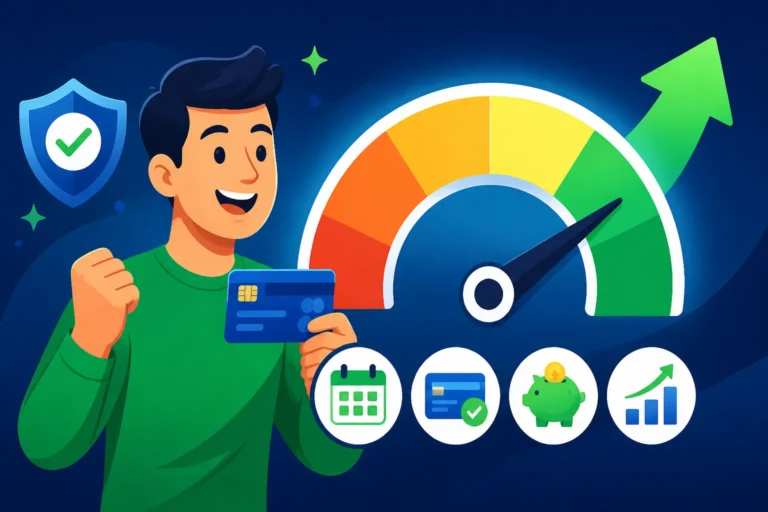
It's a common trap to think that to build credit with a secured card, you need to be constantly swiping it for every little thing, racking up big balances just to show activity. Believe me, you're not alone in feeling this way. Many folks diving into the world of credit for the first time or rebuilding after a rough patch get really confused about how much to actually spend. The good news is, it's not about spending a lot; it's about spending smart and strategically. This guide will help you understand the sweet spot for using your secured card to maximize your credit-building efforts.
Understanding the Secured Credit Card Basics
When you get a secured credit card, it feels a lot like a regular credit card, right? You get a piece of plastic, a credit limit, and the ability to make purchases. But there's a fundamental difference that's crucial for understanding how to use it best: the security deposit. This deposit, which usually matches your credit limit, is what makes the card "secured." It acts as collateral for the lender, minimizing their risk.
The Role of Your Security Deposit
Your security deposit is the foundation of your secured credit card. If you put down $300, your credit limit is likely $300. This might seem small, especially if you're used to higher limits, but it's intentionally designed this way. The primary purpose isn't to give you massive spending power; it's to provide you with a tool to demonstrate responsible credit behavior. This is why it’s so important to think about your spending in relation to this initial limit.
The deposit protects the card issuer in case you can't pay your bill. They can simply take what you owe from your deposit. But for you, it means that managing this smaller limit responsibly is your ticket to a better credit score. It's like a training ground where the stakes are manageable, and every on-time payment and low balance helps build your credit history brick by brick. For a deeper dive into how these cards operate, you might want to read our guide on Secured Credit Cards: How They Build Credit.
How Secured Cards Report to Credit Bureaus
Secured cards report your activity to the three major credit bureaus: Equifax, Experian, and TransUnion. This reporting is exactly how you build credit. They report your payment history, your credit utilization, the age of your account, and other factors just like an unsecured card would. This is why the habits you form with your secured card are so critical. It's not just "practice"; it's the real deal that shows up on your credit report.
Lenders and credit scoring models don't differentiate between a secured and an unsecured card when evaluating your payment behavior or utilization. They just see a credit account that you are either managing well or not. So, every month, when the card issuer sends their data, they're painting a picture of you as a borrower. This consistent, positive reporting is what eventually helps you graduate to better credit products and higher credit scores.
The Credit Utilization Sweet Spot
Now, let's get to the heart of the matter: how much should you spend? This is where the concept of credit utilization comes in, and it's perhaps the most important factor to master when using a secured card. Credit utilization refers to the amount of credit you're using compared to your total available credit.
The Magic 30% Rule
You've probably heard the "30% rule" tossed around, and for good reason. Credit scoring models, like FICO and VantageScore, heavily weigh your credit utilization. Generally, keeping your total credit utilization below 30% of your available credit across all your cards is a widely recommended benchmark. For a secured card with a $300 limit, that means keeping your balance under $90.
While 30% is a good general guideline, aiming even lower is often better. Some experts suggest striving for under 10% for optimal credit building. With a $300 limit, that's keeping your balance under $30. Why so low? Because a lower utilization ratio signals to lenders that you're not overly reliant on credit and can manage your finances responsibly. It shows you have plenty of credit available but aren't maxing out what you have. This fiscal discipline is what lenders love to see.
The Impact of High Utilization
Using too much of your available credit, even on a secured card, can hurt your score significantly. If you have a $300 secured card and you charge $250 on it, your utilization is over 80%. This looks risky to lenders. It suggests you might be struggling financially or overextending yourself. Even if you pay off the full balance every month, the credit bureaus report the balance at the time the statement closes. If that reported balance is high, your score will take a hit.
Let's imagine you use your card for a $200 grocery bill mid-month. You pay it off completely before the due date. Great! But if the card issuer reports to the bureaus when that $200 balance is still on your account (before your payment clears), your utilization for that reporting cycle would be 66% ($200/$300). This is why understanding When Does a Credit Card Report to the Bureaus? is key, and why paying early or multiple times can be beneficial. High utilization is a major reason why many people ask why their credit score dropped even when they think they're doing everything right.
Smart Spending Strategies for Your Secured Card
So, if it's not about spending a lot, what should you be spending on? The goal is consistent, small, manageable charges that you can pay off in full every single month.
Small, Recurring Expenses
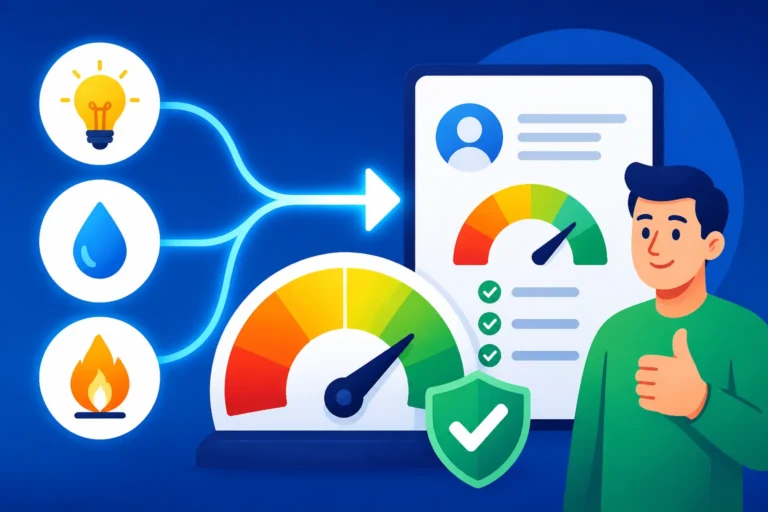
The best way to use a secured card is for small, predictable expenses that you would be paying anyway. Think of things like your monthly streaming subscriptions, a small utility bill, or your daily coffee. These types of charges allow you to use the card regularly without getting close to your credit limit.
For example, if you have a Netflix subscription for $15, charging it to your secured card and then immediately paying it off (or making sure it's paid before the statement closes) creates a consistent positive payment history and keeps your utilization low. You're showing active use and perfect payment behavior without risking high balances. If you're looking for more ways to establish this history, consider if you can Rent Reporting: Can Paying Rent Build Credit? in your area as well.
Paying Your Balance in Full and On Time
This is non-negotiable. Always, always, always pay your statement balance in full by the due date. Seriously, I can't stress this enough. Not only does it help you avoid interest charges (which, let's be honest, nobody wants to pay), but it's the strongest indicator of responsible credit management to the credit bureaus. Missing payments is one of the quickest ways to damage your credit score.
Consider setting up automatic payments for at least the minimum amount, but ideally for the full statement balance. Then, keep an eye on your balance throughout the month. If you're approaching that 10-30% utilization sweet spot, make an extra payment before your statement closes. This proactive approach ensures that when your card issuer reports your activity to the credit bureaus, they see a low balance, which reflects positively on your utilization ratio. For more on getting out of debt, you can check out guides like How to Pay Off Credit Card Debt Fast.
The Benefits of Multiple Small Payments
To ensure your reported utilization is always low, consider making multiple payments throughout the billing cycle. Instead of waiting for the statement to close and paying once, pay off charges shortly after they post.
For instance, if you have a $300 limit:
- You charge $20 on Monday. Pay $20 on Tuesday.
- You charge another $30 on Thursday. Pay $30 on Friday.
This way, your balance is almost always at $0, or very close to it. When the card issuer reports to the credit bureaus, they'll see a very low, or even zero, balance, which is excellent for your credit score. This strategy helps keep your Credit Utilization: The Complete Guide in check and tells the bureaus you're a meticulous manager of your finances.
Beyond Just Spending: Other Factors at Play
While credit utilization and payment history are king, there are other aspects of using your secured card that contribute to your overall credit health.
The Importance of Credit Age
The length of your credit history, or "credit age," is another factor in your credit score. When you open a secured card, you're starting a new tradeline, and this new account begins to age. The longer your accounts are open and in good standing, the better your score tends to be. This is why it's generally advised not to close your oldest accounts, even after you've graduated to unsecured cards. The age of your credit history demonstrates your long-term reliability to lenders.
This doesn't mean you should keep every secured card forever, but understand that the longer it remains active and positive on your report, the more it helps. Eventually, when you graduate to an unsecured card, that original secured card might automatically convert, preserving its age. Or, if you close it, make sure you have other long-standing accounts to cushion the impact. If you're just starting, our guide on How to Build Credit From Scratch (2026 Guide) is a great resource.
Building Your Credit Mix
Credit mix refers to the different types of credit accounts you have, such as credit cards, installment loans (like car loans or mortgages), and personal loans. While it's a less influential factor than payment history or utilization, having a healthy mix can positively impact your score. A secured card helps establish your revolving credit history.
If you're already using a secured card to build credit, consider how other products can round out your profile. For instance, some people complement their secured card with a credit-builder loan. Products like those offered by Credit Strong are specifically designed to help you build an installment loan history alongside your revolving credit. They essentially save money for you while reporting positive payment history, diversifying your credit profile without adding new debt. It's another excellent tool in the arsenal for those serious about improving their credit.
Here's a quick look at how different spending scenarios might impact your credit score, assuming a $500 secured credit limit:
Monthly Spending (% of Limit) Actual Balance ($) Credit Utilization Ratio Potential Credit Score Impact Recommendations
: ## How Much Should I Spend on a Secured Card? The Smart Way to Build Credit
Oh, the ever-present dilemma with a new secured credit card! You know you need to use it to build credit, but there's this nagging worry in the back of your mind: how much is too much? It’s completely understandable to feel a bit lost in the beginning. Many people assume you need to run up a decent balance to show lenders you’re active, but that’s actually a pretty common misconception that can backfire. You're trying to prove you're responsible, and that doesn't mean maxing out your card or carrying a large balance. This guide will walk you through the absolute best practices for spending on your secured card to truly boost your credit score without falling into debt traps.
What a Secured Card is (And Isn't) For
Before we dive into the nitty-gritty of spending, let's quickly clarify the purpose of a secured credit card. It's fundamentally different from a regular, unsecured credit card, and understanding this distinction is key to using it effectively.
Your Personal Credit Training Wheels
Think of a secured credit card as your credit training wheels. It’s designed specifically for individuals who are either starting their credit journey from scratch or rebuilding their credit after some past financial stumbles. The major hurdle for these groups is often a lack of trust from lenders. Since you put down a cash deposit that typically matches your credit limit, the bank has collateral. This significantly reduces their risk, making them more willing to issue you credit.
Because the bank isn't taking a huge gamble, they're looking for consistent, positive behavior from you. They want to see that you can handle a small amount of credit responsibly, making timely payments and not overextending yourself. It's not about big purchases or rewards; it's purely about proving your creditworthiness. You're literally paying to get a chance to prove you can manage money, and every single action you take with that card is reported to the credit bureaus.
Dispelling Common Myths About Secured Card Use
There are so many myths floating around about how to use credit cards, and secured cards are no exception. One of the biggest is that you need to carry a balance to build credit. This is simply not true. Carrying a balance just means you're paying interest, which doesn't benefit your credit score. In fact, it just means you're costing yourself money. Your credit score benefits from showing responsible usage and payment, not from showing you're indebted to the issuer.
Another myth is that you need to use the card for a certain percentage of your limit to "activate" the credit building. Again, not quite. While you do need to use the card, using too much of your limit can actually hurt you, which we'll get into shortly. The goal isn't high usage; it's consistent, low usage that's paid off promptly. This card is a tool for building a positive payment history and managing credit utilization, not for everyday large expenditures. For more insights on this topic, consider reading Credit Score Myths That Are Costing You Points.
The Critical Role of Credit Utilization
This is arguably the most important piece of the puzzle when it comes to how much you should spend on your secured card. Your credit utilization ratio is a huge factor in your credit score, typically accounting for about 30% of your FICO score.
What Credit Utilization Really Means
Credit utilization is a fancy term for how much of your available credit you're actually using. It's calculated by dividing your current credit card balance by your total credit limit. For instance, if you have a secured card with a $500 limit and your balance is $100, your utilization is 20% ($100 / $500 = 0.20).
Lenders see this ratio as an indicator of your financial health and risk level. A high utilization ratio suggests you might be struggling financially or relying heavily on credit, which makes you a riskier borrower in their eyes. Conversely, a low utilization ratio tells lenders that you're managing your credit well, you have plenty of available credit, and you're not desperate for more. This looks very attractive to future lenders. It’s a key factor in What Affects Your Credit Score? The 5 Factors.
The Golden Rule: Keep it Low, Really Low
For credit cards, especially secured cards that are designed to build positive credit, the general wisdom is to keep your credit utilization ratio below 30%. However, if you're serious about boosting your score quickly and effectively, aim for even lower—think under 10%.
Let's break that down for a common secured card limit. If your secured card has a:
- $200 limit: Keep your balance under $60 (30%) or ideally under $20 (10%).
- $300 limit: Keep your balance under $90 (30%) or ideally under $30 (10%).
- $500 limit: Keep your balance under $150 (30%) or ideally under $50 (10%).
Why aim so low? Because credit scoring models view very low utilization as a sign of exceptional financial management. This is your chance to show you're not just capable of paying your bills, but you're also disciplined in how much credit you actually use. Even if you pay off your card in full every month, remember that credit bureaus often report the balance on your statement closing date. So, if you've spent heavily right before that date, your score could take a temporary hit, even if you pay it all off by the due date. To truly understand how this works, check out our comprehensive guide on Credit Utilization: The Complete Guide.
Strategic Spending: What and How to Charge
Now that we understand the importance of low utilization, let's talk about practical ways to achieve it with your secured card. The key is small, purposeful spending, not random charges.
Using Your Card for Small, Essential Bills
The absolute best way to use your secured card is for one or two small, fixed monthly expenses that you can easily pay off. Think about things like:
- Streaming services: Netflix, Spotify, Hulu, etc.
- A single utility bill: Your internet, cell phone, or a small portion of an electric bill.
- Tolls or public transit passes: Small, predictable charges.
- A recurring modest subscription: A coffee club, a magazine subscription, etc.
The goal here is consistency. You want to show regular activity and regular payments. If you put your $15 Netflix bill on your secured card, then pay it off as soon as it posts or ensure your payment clears before the statement close, you're building a perfect payment history with extremely low utilization. This is the credit-building dream. Some individuals even use services like Credit Strong to establish a different type of credit, an installment loan, to diversify their credit mix while consistently making small, regular payments.
The Power of Paying Multiple Times Per Month
As we discussed, your credit utilization is often reported based on your statement closing balance. To ensure your reported balance is always as low as possible, even if you make a few purchases, consider making payments more than once a month.
Here’s a practical example:
Let's say your secured card has a $300 limit.
- Week 1: You use the card for groceries, totaling $25.
- Payment 1: As soon as that $25 charge posts, you go online and pay it off. Your balance is back to $0.
- Week 2: You use the card for gas, totaling $30.
- Payment 2: Again, as soon as it posts, you pay it off. Balance back to $0.
- Week 3: A small online purchase, $15.
- Payment 3: You pay it off immediately.
By doing this, your card typically shows a $0 balance when the statement closes, or at least a very minimal one. This is reported to the credit bureaus as extremely low (or 0%) utilization, which can give your score a significant boost. It's a bit more effort, but it's incredibly effective for maximizing the credit-building potential of your secured card. This active management is a key aspect of How to Build Credit Fast: What Actually Works.
Monitoring Your Progress and Graduating to Unsecured Credit
Using your secured card effectively is just the beginning. You also need to keep an eye on your progress and know when you're ready to move on to better credit products.
Regularly Check Your Credit Reports and Scores
You can't manage what you don't measure! It's absolutely crucial to regularly check your credit reports from all three major bureaus (Equifax, Experian, TransUnion) and your credit scores. Websites like AnnualCreditReport.com allow you to get a free copy of your credit report from each bureau once a year. Many credit card issuers and financial apps also offer free credit scores.
What should you be looking for?
- Accuracy: Make sure all the information on your secured card account (and any other accounts) is correct. Check for balances, payment dates, and limits. If you spot anything amiss, you need to dispute it. Our guide on How to Dispute Credit Report Errors (Step-by-Step) can help.
- Score Changes: Track how your score fluctuates. You should see a positive trend if you're using your secured card correctly. Remember, How Often Does Your Credit Score Update? can vary, so don't expect daily changes, but a monthly check is wise.
- Tradeline Reporting: Confirm that your secured card is indeed reporting to all three bureaus as expected. If not, contact your card issuer.
Seeing your score improve is not only motivating but also helps you gauge when you're ready for the next step in your credit journey.
When to Consider Graduating to an Unsecured Card
The ultimate goal of a secured card is to eventually "graduate" to an unsecured card, or at least be approved for one with better terms. Many secured cards, particularly from major issuers, have a graduation path. This means after a period of responsible use (typically 6-12 months), the issuer might convert your secured card into an unsecured one and refund your deposit.
You'll know you're ready when:
- Your credit score has significantly improved. You're seeing scores in the "good" range (typically 670-739 FICO Score).
- You've maintained perfect payment history on your secured card and any other credit accounts.
- Your credit utilization is consistently low.
- You've established a decent credit age.
Don't be afraid to reach out to your secured card issuer and ask about their graduation policies. Some popular secured cards, like the Discover it Secured Card or the Capital One Platinum Secured Card, are known for their graduation paths. If your current secured card doesn't offer a clear path, or if you feel your credit has improved enough, you can start applying for entry-level unsecured cards. Just be mindful of How Many Points Does a Hard Inquiry Cost You? when applying. For more advice on this milestone, read When Should You Upgrade From a Secured Card?.
Final Thoughts and Key Takeaways
Building credit effectively with a secured card is all about discipline, strategy, and patience. It's not a race to spend, but a marathon of responsible financial habits. You're laying the groundwork for a strong financial future, which can open doors to better interest rates on loans, easier apartment rentals, and even lower insurance premiums.
Remember, the amount you spend on your secured card is far less important than how you spend and, more crucially, how quickly you pay it back. Embrace the low utilization mindset, make your payments on time and in full, and watch your credit score steadily climb. Whether you're using a traditional secured card or exploring options like Credit Strong for diversified credit building, consistent positive action is your most powerful tool.
Disclaimer
The information provided in this article is for general educational purposes only and should not be considered financial or legal advice. Always consult with a qualified financial advisor or credit counselor before making any financial decisions.