How to Add Utility Bills to Your Credit Report
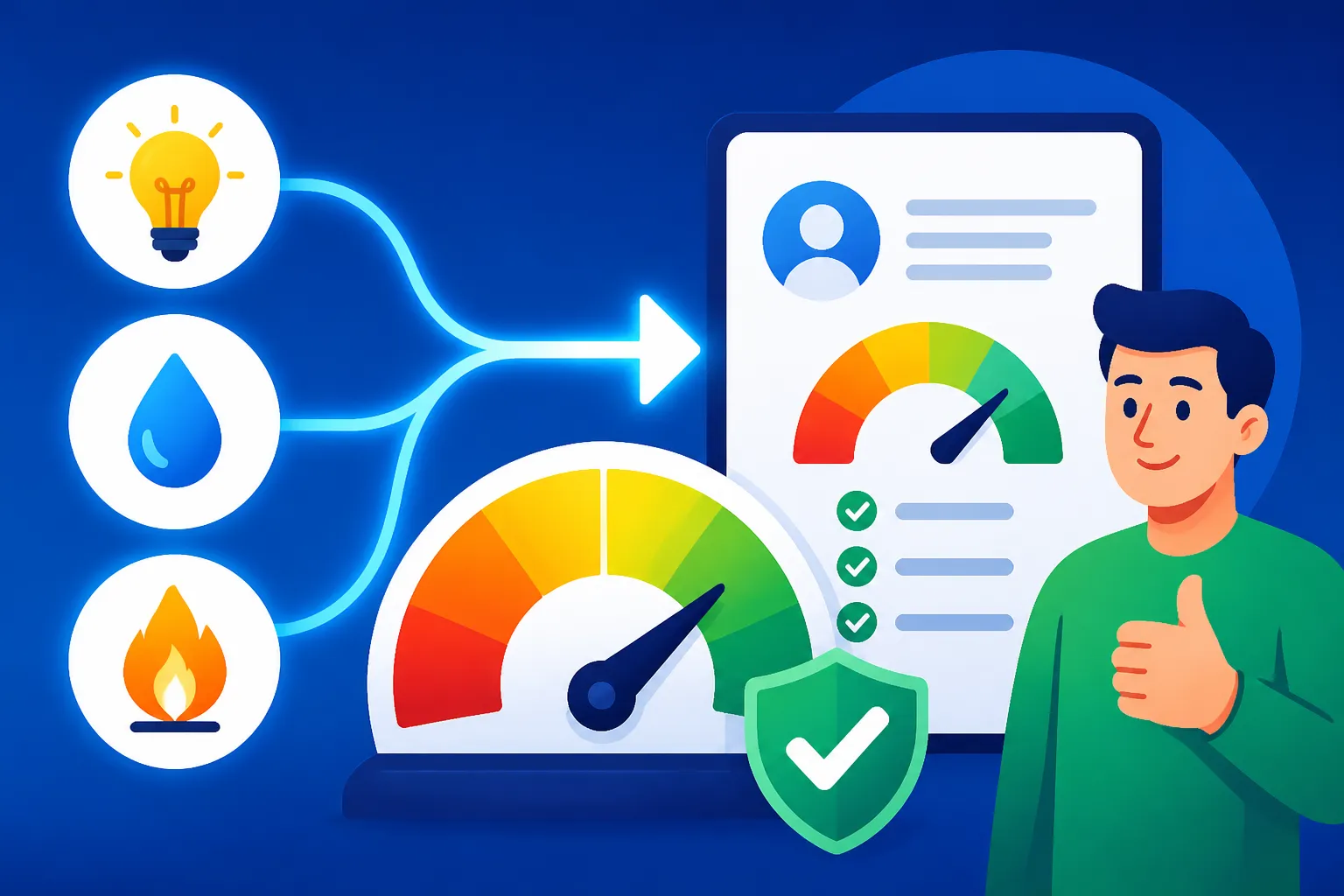
It's incredibly frustrating, isn't it? You pay your electric bill, your gas bill, your water bill—month after month, on time, diligently. But when you check your credit report, there's no sign of that responsible financial behavior. It feels like a wasted opportunity, especially when every positive mark counts. This guide is here to unravel that mystery and show you exactly how to add those consistent utility payments to your credit report, turning your everyday bills into powerful credit-building tools.
The Unique World of Utility Bill Credit Reporting
Most of us assume that if we pay a bill, it should show up on our credit report. But utility companies operate a bit differently from your average credit card issuer or loan provider. Understanding this distinction is the first step to figuring out how to get your good habits recognized.
Why Utilities Don't Automatically Report Positive Payments
Unlike banks or credit unions, traditional utility providers like your local power company or water department aren't primarily in the business of lending money or assessing credit risk for loans. Their main goal is to provide a service and collect payment for it. Because of this, most utility companies don't have an established system for reporting positive payment history to the three major credit bureaus (Experian, Equifax, and TransUnion). It's a significant administrative and financial undertaking for them, and without a direct benefit to their core business, they often choose not to.
Think about it from their perspective: setting up the infrastructure to regularly report millions of customer payments, ensuring accuracy, and complying with all the regulations of the Fair Credit Reporting Act (FCRA) is a massive endeavor. It requires specialized software, dedicated staff, and ongoing maintenance. For a utility company that already has a steady customer base, the incentive simply isn't there to invest in this process for positive reporting. This is why so many people feel like their responsible payment habits are going unnoticed by the credit world.
The Swift Impact of Negative Utility Reporting
Here's where the frustration really hits home: while positive utility payments rarely show up, negative ones certainly can. If you fall significantly behind on your utility bills, the company will eventually turn the debt over to a collections agency. And guess what? Collections agencies do report to the credit bureaus. A collection account on your credit report can severely damage your credit score, often dropping it by dozens, if not over a hundred points, and it can stay there for up to seven years.
It’s an unequal playing field: responsible payments remain invisible, but a single slip-up can come back to haunt you for years. This imbalance is precisely why actively seeking out ways to add positive utility payments to your credit file is so important, especially if you're working to How to Build Credit From Scratch (2026 Guide) or improve an existing score. It helps counterbalance the potential for negative marks and provides a more accurate picture of your financial responsibility.
The Clear Benefits of Reporting Utility Payments
If you're making consistent, on-time utility payments, getting them on your credit report can be a game-changer, especially for those with limited credit history or those looking to give their score a significant boost. It's about getting credit for the good habits you already have.
Strengthening Your Payment History
Payment history is king when it comes to credit scores. In fact, it accounts for a whopping 35% of your FICO Score, the most widely used credit scoring model. When you add utility payments, you’re not just adding any payments; you're adding regular, predictable, and verifiable on-time payments. For someone with a thin credit file, meaning they don't have many active credit accounts, these added tradelines can provide a much-needed foundation.
Imagine you're trying to prove you're reliable, but your credit report only shows one credit card. Adding years of on-time electricity, water, and internet payments instantly expands that history, demonstrating a broader pattern of financial dependability. This can be particularly impactful for younger individuals just starting out, or those rebuilding their credit who need to show consistent positive behavior. It tells lenders, "Hey, this person pays their bills, every single month, without fail."
Diversifying Your Credit Mix
Another factor that influences your credit score, albeit less significantly than payment history (around 10%), is your credit mix. Lenders like to see that you can responsibly manage different types of credit, such as revolving credit (like credit cards) and installment credit (like a car loan or mortgage). While utility bills aren't exactly "installment loans" in the traditional sense, when reported, they can add another dimension to your credit file.
For someone whose credit profile primarily consists of just a couple of credit cards, reporting utility payments introduces a new type of recurring payment obligation. This demonstrates a more varied ability to handle different financial commitments. This diversification shows lenders a broader picture of your financial savvy and can contribute positively to your score over time. The richer your credit mix, the more appealing you appear to potential lenders, potentially opening doors to better financial products down the line.
Unlocking Potential Score Increases and Better Rates
The most tangible benefit, of course, is the potential for a higher credit score. A boosted score means access to better financial opportunities. A higher score translates to lower interest rates on loans, more favorable terms on mortgages, and even easier approval for apartments or cell phone contracts. When you're ready to How to Raise Your Credit Score (Step-by-Step), adding utility payments can be an accessible and effective strategy.
Let's say you're hovering in the "fair" credit range, and a few points could push you into "good" credit. Adding several years of perfect utility payment history could be just the push you need. For example, if you're looking to buy a house, even a slight increase in your credit score can save you tens of thousands of dollars in interest over the life of a mortgage. Every point truly matters, and leveraging existing expenses like utility bills to earn those points is a smart move.
Navigating Services That Report Utility Payments
Since utility companies themselves often don't report positive payments, third-party services have emerged to bridge this gap. These services act as intermediaries, collecting your payment data and reporting it to the credit bureaus on your behalf.
Rent Reporting Services and Utility Inclusion
Many services initially designed for rent reporting have expanded to include utility payments. This makes sense, as both are consistent, recurring household expenses that demonstrate financial responsibility. Companies like RentReporters, LevelCredit, and even Experian Boost are popular choices in this space.
- RentReporters: This service focuses on reporting your rent payments to TransUnion and Experian, and often allows you to include utility payments as part of their package. You typically link your bank account, and they verify your past payments, going back a couple of years in some cases, which can instantly add a significant payment history to your report. They charge a fee, but for many, the boost to their score is well worth it.
- LevelCredit: Similar to RentReporters, LevelCredit reports both rent and utility payments. They usually report to all three major credit bureaus, offering a more comprehensive impact. They analyze your bank transactions to identify and verify your payments. It's designed to be user-friendly, allowing you to connect your bank account and letting their system do most of the heavy lifting.
- Experian Boost: This free service works differently. Instead of reporting your utility accounts as tradelines, it essentially identifies utility and cell phone payments from your bank account transactions and adds them as "alternative data" to your Experian credit file. It only boosts your Experian FICO Score, and it only considers positive payments. While it’s free and can provide an immediate bump, it doesn't create new tradelines on all three reports like a traditional rent/utility reporting service. For more details, you might want to check out What Is Experian Boost and Does It Work?.
These services typically require you to link your bank account or provide bank statements so they can verify your payment history. They then package this information and send it to one or more of the credit bureaus. It's a convenient way to get your existing good habits recognized.
What to Look For in a Reputable Reporting Service
Choosing the right service is critical. You want something effective, secure, and transparent. With any service that deals with your financial information, it's wise to be cautious and do your homework to avoid a How to Spot a Credit Repair Scam.
Here’s what to prioritize when evaluating different options:
- Which Credit Bureaus Do They Report To? Ideally, you want a service that reports to all three major bureaus: Equifax, Experian, and TransUnion. This ensures your positive payment history is reflected across the board, as lenders don't all use the same credit bureau. Some services might only report to one or two, which limits the potential impact.
- Cost and Fees: Most reputable services charge a monthly or annual fee. Compare these costs. Is there a setup fee? Are there extra charges for including utilities? Make sure the cost aligns with the value you expect to receive in terms of credit score improvement. Sometimes, a free trial can help you assess the service before committing long-term.
- Ease of Use and Verification Process: How simple is it to get started? Do they require extensive manual uploads, or can you easily link your bank account for automatic verification? A streamlined process makes it much more likely you'll stick with it.
- Security and Privacy: You'll be sharing sensitive financial information. Ensure the service has robust security measures, such as encryption, and a clear privacy policy outlining how your data is used and protected. Look for services with good reputations and positive customer reviews.
- Impact on Credit: Can they provide examples or case studies of how their service has helped others? While individual results vary, understanding their track record can be insightful.
- Reporting Frequency: How often do they report your payments to the bureaus? Monthly reporting is standard and ideal for consistent credit building.
By carefully considering these factors, you can select a service that will genuinely help you leverage your utility payments to build a stronger credit profile.
Your Step-by-Step Plan to Report Utility Bills
Getting your utility payments on your credit report might seem complicated at first, but by breaking it down into manageable steps, you'll find it's quite straightforward. Follow this process to turn those regular bills into valuable credit-building assets.
Step 1: Gather Your Utility Information and Payment History
Before you sign up for any service, it’s a good idea to have your ducks in a row. This will make the enrollment process smoother and faster.
- Identify Your Utility Accounts: List all the utilities you pay: electricity, gas, water, internet, trash, and even cell phone bills. Note down the service providers for each.
- Locate Account Numbers: You’ll need the account numbers for these services. These are typically found on your monthly statements.
- Access Your Payment History: The reporting services will need to verify your past payments. This usually means linking your bank account or providing bank statements. Have access to your online banking portal or recent bank statements (often going back 12-24 months) to show proof of consistent, on-time payments. The more history you can provide, the more impactful it can be for your credit age.
- Prepare Personal Identification: Like any financial service, you’ll likely need to provide basic personal information such as your full name, address, date of birth, and Social Security Number (SSN) to ensure accurate reporting to the credit bureaus.
Having all this information readily available will save you time and hassle when you begin the sign-up process with your chosen reporting service.
Step 2: Choose a Reputable and Effective Reporting Service
As discussed, not all services are created equal. This step involves doing your research and making an informed decision.
- Compare Services: Look at the options available, focusing on the criteria mentioned earlier: which bureaus they report to, their fee structure, customer reviews, and their security policies. Popular choices often include RentReporters, LevelCredit, and even Experian Boost for Experian-specific boosts.
- Read the Fine Print: Understand exactly what you’re signing up for. Are there any hidden fees? What’s their cancellation policy? Do they report only positive payments, or could a future missed payment inadvertently harm your score if reported? (Most services for utilities only report positive history, but it’s always good to verify).
- Consider Your Specific Needs: If you only need a boost to your Experian score, the free Experian Boost might be sufficient. If you need comprehensive reporting to all three bureaus and want to establish new tradelines, a paid service like RentReporters or LevelCredit would be more appropriate. If you're also looking to build credit through other means, exploring options like Credit Builder Loans Explained (Self, Kikoff & More) could be beneficial. Companies like Credit Strong offer credit builder accounts that report your payments, helping to establish credit history, although they don't directly report your utility payments. They are an example of a service focused on building credit through a different mechanism, which can complement utility reporting.
Making a thoughtful choice here ensures you get the most impact for your efforts and investment.
Step 3: Connect Your Accounts and Verify Payments
Once you've chosen a service, the next step is to get everything linked up so they can start reporting.
- Enroll with the Service: Follow the sign-up instructions provided by the service. This will typically involve creating an account and providing your personal information.
- Link Your Bank Account: Most services use secure third-party platforms (like Plaid) to connect to your bank account. This allows them to securely view your transactions to identify your utility payments. They usually only have "read-only" access, meaning they cannot make changes or withdrawals from your account.
- Verify Your Utility Payments: The service will then analyze your transaction history to identify and verify your utility payments. This might involve you selecting specific transactions or confirming payment dates and amounts. Some services allow you to manually upload statements if bank linking isn't an option or if you want to report older payments not visible through direct bank linking.
- Authorize Reporting: You'll typically need to give your explicit authorization for the service to report your payment history to the credit bureaus.
This process ensures that the information being reported is accurate and that you're in control of what gets sent to your credit file.
Step 4: Actively Monitor Your Credit Report for Updates
This is a crucial step that many people overlook. Getting the payments reported is only half the battle; confirming they actually appear and are accurate is the other half.
- Check Your Credit Reports: After a few weeks (it can take 30-60 days for new information to appear), pull your credit reports from all three major bureaus. You can get a free copy of your credit report from each bureau annually at How to Get Your Free Credit Report. Look for the new tradelines or payment history related to your utility accounts.
- Verify Accuracy: Scrutinize the details. Are the account names correct? Are the payment dates accurate? Is the reported payment history complete? Sometimes, errors can occur, and it’s important to catch them early.
- Dispute Any Errors: If you find any inaccuracies, don't hesitate to dispute them. Follow the instructions of the credit bureau or the reporting service to initiate a dispute. Understanding How to Dispute Credit Report Errors (Step-by-Step) can be very helpful here. Even minor errors can impact your score or delay future approvals.
- Continue Monitoring: Make it a habit to check your credit reports periodically. This not only confirms ongoing positive reporting but also helps you spot any other suspicious activity or potential identity theft. Knowing How Often Should You Check Your Credit Report? can help you establish a routine.
By actively monitoring your reports, you ensure that your efforts to build credit by reporting utility payments are actually yielding the desired positive results.
Key Considerations and Potential Drawbacks
While reporting utility payments can be a powerful credit-building tool, it's not without its nuances. Understanding the potential downsides and important factors will help you make the best decision for your financial situation.
The Cost Factor: Are the Fees Worth It?
One of the biggest considerations for many people is the cost. Most third-party reporting services come with a monthly or annual fee. These fees can range from a few dollars a month to over $100 per year, depending on the service and the features included.
- Evaluate the Return on Investment: For someone with a very thin credit file or a score that needs a significant boost, the cost might be a small price to pay for access to better interest rates on future loans or increased approval odds. For example, if a slightly higher credit score helps you qualify for a mortgage with a half-percentage point lower interest rate, the savings could easily outweigh years of reporting fees.
- Budgeting for the Fee: Before committing, ensure that the monthly or annual fee fits comfortably into your budget. Missing payments for the reporting service itself could negate the positive impact of reporting your utility bills.
- Comparing Free vs. Paid Options: Services like Experian Boost offer a free way to potentially improve your Experian score, though it doesn't create new tradelines on all three reports. Paid services generally provide more comprehensive reporting across all bureaus. Weigh the benefits of a free but limited service against a paid, more impactful one.
Ultimately, whether the fees are "worth it" depends on your individual credit goals and how much of a boost you anticipate receiving. For those on a tight budget, focusing on other free credit-building strategies might be more appropriate, or seeking out services like Credit Strong that have transparent pricing for their credit builder programs.
Inconsistent Reporting Across All Three Bureaus
Another potential pitfall is that not all services report to all three major credit bureaus (Equifax, Experian, and TransUnion). This can lead to your credit file looking different depending on which bureau a lender pulls from, which is why it's important to understand Why Are My 3 Credit Reports Different?.
- Varied Lender Practices: Different lenders use different credit bureaus. If your utility payments are only reported to, say, Experian and TransUnion, a lender who pulls your Equifax report might not see that positive history. This means the impact on your ability to secure credit could be uneven.
- Impact on Credit Score Models: Different scoring models (FICO vs. VantageScore) and even different versions of those models might weigh this alternative data differently. While most services aim to impact your FICO score, some might have a stronger effect on one scoring model over another.
- Seeking Comprehensive Solutions: If possible, opt for a service that reports to all three bureaus. This ensures your positive payment history provides a more consistent benefit across the board, maximizing its potential impact on your overall creditworthiness. If your chosen service doesn't report to all three, you might consider using an additional service or other credit-building strategies to shore up your credit with the remaining bureau.
It's a good practice to ask directly which bureaus a service reports to before signing up, and then verify this by checking your reports from all three after enrollment.
The Double-Edged Sword: Potential for Negative Reporting
While the primary goal of these services is to report positive payments, there's always a theoretical risk that a missed utility payment could also be reported, potentially harming your score.
- Understanding Service Policies: Most reputable utility reporting services specifically state that they only report positive payment history. They are designed to help, not hurt. However, it's crucial to confirm this policy before signing up. Make sure you understand what happens if you miss a utility payment while using their service.
- Staying Vigilant with Payments: The best defense is a good offense. If you're going to leverage your utility bills for credit building, you must be absolutely diligent about paying them on time, every single month. Set up automatic payments or reminders to ensure you never miss a due date.
- When a Missed Payment Might Occur: While a reporting service might not report a missed utility payment directly, if your utility company sends the unpaid bill to collections, that collection account will almost certainly appear on your credit report, regardless of whether you're using a reporting service. The reporting service is meant to add positive data, not shield you from existing negative reporting processes by original creditors or collection agencies.
The risk of a reporting service directly harming your score by reporting a single missed utility payment is generally low if you choose a service that explicitly states they only report positive data. However, it underscores the importance of maintaining excellent payment habits across all your accounts.
It's Not a Magic Bullet: Part of a Broader Strategy
Adding utility payments to your credit report can be a fantastic boost, especially for those with limited credit history. However, it’s important to remember that it's just one piece of the larger credit-building puzzle. It won't instantly give you a perfect credit score on its own.
- Other Credit Score Factors: Your credit score is influenced by several factors: payment history (35%), credit utilization (30%), length of credit history (15%), new credit (10%), and credit mix (10%). While utility reporting helps with payment history and credit mix, you still need to manage other aspects. For instance, keeping your credit utilization low on credit cards is paramount.
- Balanced Approach: For optimal credit health, you should aim for a balanced approach. This means:
- Always paying all your bills on time.
- Keeping your credit card balances low – ideally below 30% of your credit limit, but lower is always better.
- Maintaining older accounts to boost your Credit Age: How Length of History Affects Your Score.
- Avoiding opening too many new accounts at once.
- Regularly checking your credit reports for errors or fraudulent activity.
- Long-Term Commitment: Building excellent credit is a marathon, not a sprint. Consistency over time is what truly makes a difference. Reporting utility payments is a powerful way to add consistent positive data, but it works best when combined with other sound financial practices. If you're wondering How Long Does It Take to Build Credit?, remember that every positive action contributes.
By integrating utility payment reporting into a comprehensive credit-building strategy, you'll be well on your way to achieving a strong and healthy credit profile.
Comparing Popular Utility Reporting Services
To help you make an informed decision, here's a quick comparison of some of the well-known services that can help add your utility payments to your credit report. Remember that features and pricing can change, so always visit their official websites for the most up-to-date information.
| Feature / Service | Experian Boost | LevelCredit | RentReporters |
|---|---|---|---|
| What it reports | Utility and cell phone payments (positive only) | Rent and utility payments (positive only) | Rent and utility payments (positive only) |
| Reports to Bureaus | Experian (FICO Score 8 & 9) | All 3 (Experian, Equifax, TransUnion) | TransUnion, Experian (Equifax optional/add-on sometimes) |
| Cost | Free | Monthly fee (e.g., $6.95/month for basic, more for utility bundles) | Monthly fee (e.g., $9.95/month, one-time setup fee for past rent) |
| How it works | Links to bank account, identifies payments. Not a tradeline. | Links to bank account, identifies and reports payments as tradelines. | Links to bank account or landlord verification. Reports as tradelines. |
| Backdated Payments | No (only current/future payments) | Yes, often up to 24 months | Yes, often up to 2 years |
| Impact | Instant boost to Experian FICO Score only | Can build significant history across all bureaus | Can build significant history across two bureaus |
| Best for | Quick, free boost to Experian score | Comprehensive credit building with rent + utilities | Strong focus on rent, includes utilities, good for establishing new tradelines |
Note: Prices and features are approximate and subject to change. Always verify current details on the service's official website.
Disclaimer
The information provided in this guide is for general informational purposes only and does not constitute financial, legal, or credit advice. Credit laws and reporting practices can change, and individual circumstances vary. It is always recommended to consult with a qualified financial advisor or credit counselor for personalized advice tailored to your specific situation. The mention of specific brands or services does not constitute an endorsement.