How to Build Credit With No Bank Account Using Experian Boost
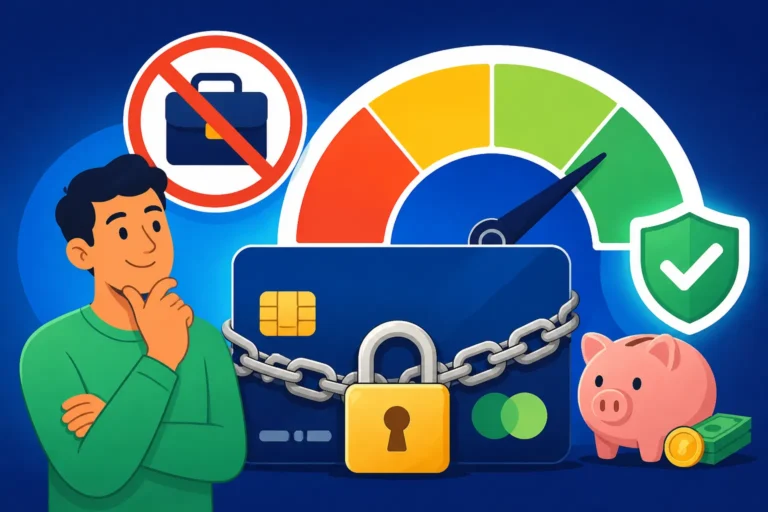
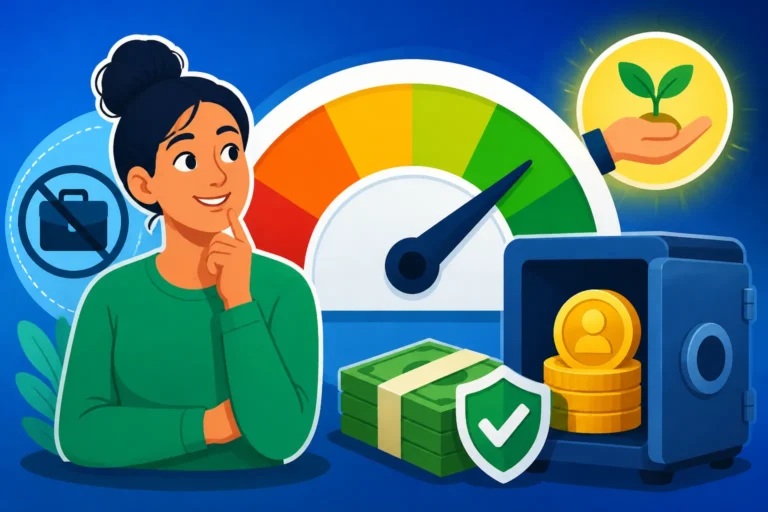
It's incredibly frustrating to feel stuck when you're trying to build credit, especially when you don't even have a traditional bank account to start with. Many conventional methods for establishing a credit history rely on having a checking or savings account, which can make the whole process seem impossible. This guide will clarify how Experian Boost works, its limitations for those truly unbanked, and offer realistic alternative strategies to get your credit journey started.
The Unique Challenges of Building Credit Without a Traditional Bank Account
Let's be real, navigating the financial world without a conventional bank account adds a significant layer of complexity to everything, especially building credit. Most mainstream financial products and services, from credit cards to loans, are built on the assumption that you have a checking account for direct deposits, automatic payments, and identity verification. Without one, you're often left feeling like you're playing a game with different rules, or worse, no rules at all to help you win.
Think about it: many people start building credit by getting a starter credit card, maybe a secured one, and then paying their monthly bills on time. But how do you pay that secured card bill if you're dealing exclusively in cash? How do you even fund the security deposit for that card if you don't have a bank account to transfer money from? It quickly becomes a chicken-and-egg situation. Lenders and credit bureaus need to see a reliable financial footprint, and a traditional bank account is usually the easiest way to establish that.
This isn't just about convenience; it's about the verifiable digital trail that lenders look for. Without a bank account, your income might be cash-based, your bill payments might be made in person with money orders, or you might rely on prepaid debit cards that don't always generate the kind of transaction history credit bureaus can easily access. This lack of a clear, documented financial flow makes you a higher risk in the eyes of lenders, simply because they have less data to evaluate your reliability. It’s a tough spot to be in, but it’s far from hopeless. We just need to get creative and understand the tools at our disposal.
Understanding Experian Boost and Its Core Functionality
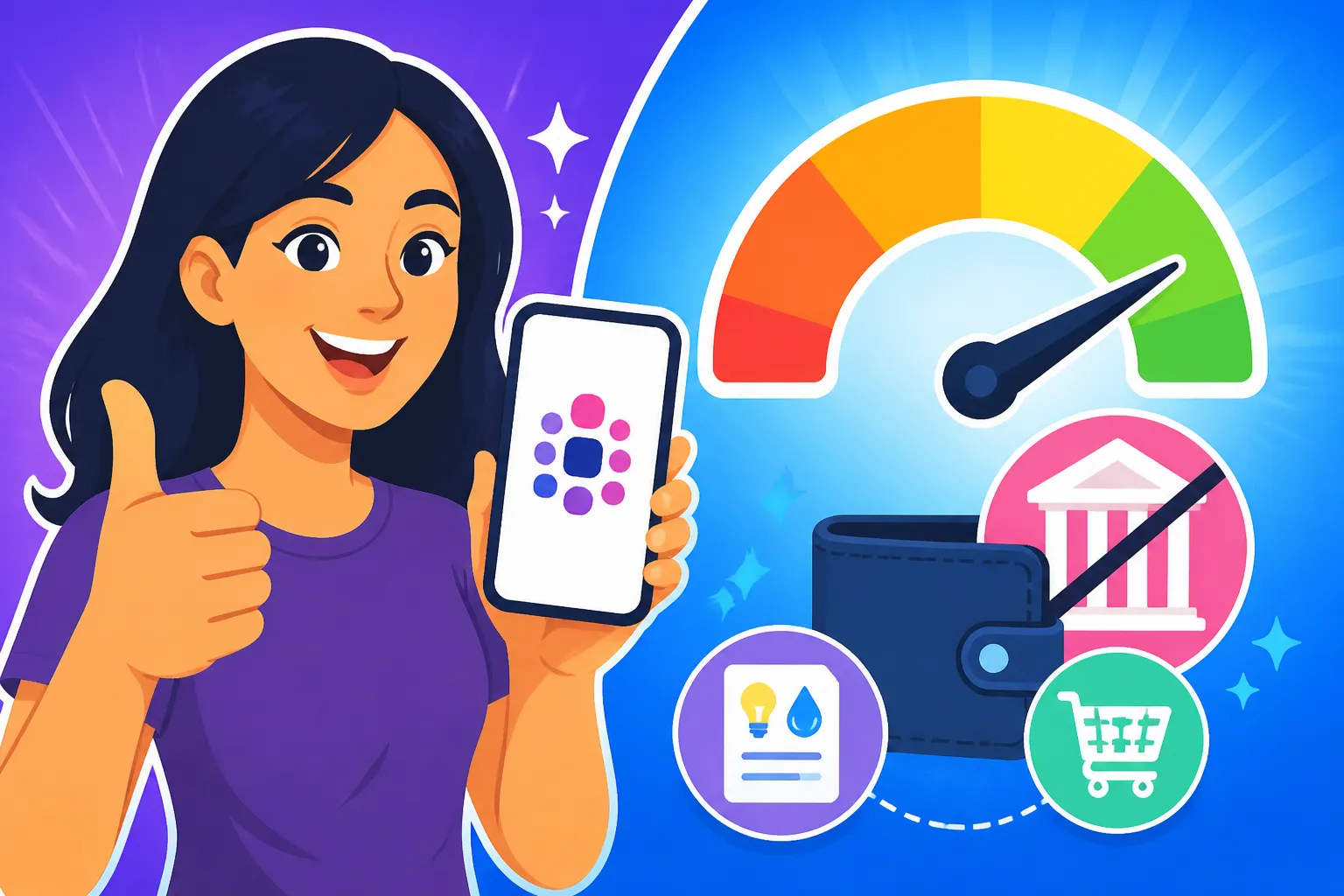
Experian Boost stepped onto the scene a few years ago, promising to help consumers potentially increase their FICO credit scores by including positive payment history from utility bills, phone bills, and even streaming services like Netflix or Hulu. Sounds great, right? Especially if you’re trying to find alternative ways to get credit for the bills you already pay on time. The idea is to take those recurring, responsible payments that usually don't show up on your credit report and give them the recognition they deserve.
Here's the rub, and it's a big one for anyone asking about building credit with no bank account: Experian Boost works by securely connecting to the bank account you use to pay these bills. It then scans your transaction history, identifies eligible payments, and allows you to "boost" your Experian FICO Score by adding them. These payments must be made directly from a checking or savings account. If your bill payments are consistently made with cash, money orders, or from a prepaid card that doesn't have the routing and account numbers of a legitimate bank account, Experian Boost won't be able to "see" them.
So, while Experian Boost is a fantastic tool for many people looking to nudge their credit score upward, especially those with a thin credit file or lower scores, it inherently relies on a digital connection to a financial institution. It's designed to capture the digital breadcrumbs of responsible payments. If those breadcrumbs aren't being left in a way that Experian can access—namely, through a linked checking or savings account (or certain online-only accounts that function similarly)—then the service, unfortunately, can't help you directly. It's a key distinction that often gets overlooked in the excitement of a potential credit boost.
The Catch: Why Experian Boost Still Needs a Type of Account
This is where the direct answer to "How to build credit with no bank account using Experian Boost" really comes into play. The honest truth is, if you have no bank account in the most literal sense – meaning you operate entirely on cash, physical money orders, or truly anonymous prepaid cards without routing and account numbers – Experian Boost cannot help you directly. It's not magic; it can't conjure payment history out of thin air or from transactions it can't digitally verify.
Experian Boost requires you to link a bank account. This isn't just for verification; it's the mechanism through which it finds and reports your positive payment history. It looks for payments from your linked checking account to your utility provider, internet company, mobile phone service, and streaming subscriptions. If these payments aren't flowing from an identifiable, linked financial account, Experian Boost has no data to work with. The service is fundamentally built on scanning transactional data that exists within a banking system.
However, it's important to clarify what "no bank account" might mean to different people. If you use a modern, online-only bank account (sometimes called a neobank or challenger bank) like Chime, Varo, or even certain features of Cash App or Venmo that provide routing and account numbers for direct deposits and bill payments, then you do have a type of bank account that Experian Boost might be able to connect to. These accounts operate like traditional checking accounts in many respects, providing the digital infrastructure Experian Boost needs. So, if your "no bank account" actually means "no traditional brick-and-mortar bank account but I use a digital one," then Experian Boost might still be a viable option for you. But for those truly outside the digital banking system, it's simply not the starting point.
Here's a quick rundown of how Experian Boost applies to different banking scenarios:
| Banking Scenario | Does Experian Boost Work? | Explanation |
|---|---|---|
| Truly Unbanked (Cash-Only) | No | Experian Boost cannot connect to cash transactions or physical money order payments. It requires a digital link to a financial account. |
| Digital Bank Account (e.g., Chime) | Potentially Yes | Many online-only banks or fintech apps provide routing and account numbers, allowing Experian Boost to link and scan for eligible payments. You'd need to confirm your specific app/service compatibility. |
| Traditional Checking/Savings Account | Yes | This is the ideal scenario for Experian Boost. It connects directly to these accounts to identify and report qualifying on-time payments, potentially boosting your FICO score. |
| Prepaid Debit Card (No Account #s) | No (unless it functions like a digital bank account with routing/account numbers) | Most basic prepaid cards do not have the necessary banking features for Experian Boost to link and scan. If it's just a reloadable card without a full banking infrastructure, it won't work. |
As you can see, for Experian Boost to do its job, there needs to be a digital footprint from a verifiable financial account. If that's not currently part of your financial setup, we'll need to explore other avenues first.
Alternative Strategies for Building Credit When You're Unbanked
If Experian Boost isn't an option for your current "no bank account" situation, don't despair! There are still concrete steps you can take to start building your credit history. Many of these methods require establishing some form of financial account, but they are often more accessible than traditional banking for those just starting out.
Opening a Basic or Second-Chance Bank Account
Your absolute first step, if you're truly unbanked, should be to open a basic checking or savings account. Many banks, including large institutions like Bank of America and Wells Fargo, or credit unions, offer "second-chance" checking accounts specifically designed for individuals with a history of banking issues or those who have been unbanked. These accounts might come with lower limits, more fees, or require a direct deposit, but they provide the essential infrastructure you need to participate in the digital financial system. Once you have a bank account, even a basic one, you can start establishing a verifiable payment history and gain access to tools like Experian Boost.
Secured Credit Cards: A Foot in the Door
Secured credit cards are often the go-to for people with no credit history or bad credit. With a secured card, you provide a cash deposit that acts as your credit limit (e.g., a $200 deposit gets you a $200 credit limit). This deposit minimizes the risk for the lender, making them more likely to approve you. The key here is to find a secured card that allows you to fund your deposit with a money order or a non-traditional method if you haven't yet opened a bank account. Many providers, however, will require a bank account for the deposit and for making payments, so this circles back to the importance of getting some form of account first. The Discover it® Secured Credit Card is a popular choice for building credit because it offers rewards and can graduate to an unsecured card over time, but it, like most, will require a linked bank account for deposits and payments. This is a crucial step for many when they are looking for how to get your first credit card with no credit.
Credit Builder Loans: Borrowing to Save
Credit builder loans are specifically designed to help people establish or improve their credit. With a credit builder loan, you "borrow" a small amount of money (e.g., $500-$1,000), but you don't receive the funds upfront. Instead, the money is placed into a locked savings account or Certificate of Deposit (CD). You then make monthly payments on this "loan." Each on-time payment is reported to the credit bureaus. Once the loan is fully paid off, you receive the lump sum from the locked account. This effectively turns a loan into a forced savings plan that builds credit.
One prominent example is Credit Strong, which offers credit builder loans designed to report positive payment history. While many credit builder loan providers will require a linked bank account for automatic payments, some might offer flexibility in payment methods. It's essential to research individual providers to see their specific requirements for payment and payout of the funds. These loans can be a fantastic way to start creating a positive payment history, which is a major factor in your credit score, as explained in articles like how credit scores work the complete guide.
Becoming an Authorized User
This is one of the few methods that truly doesn't require you to have a bank account. If you have a trusted family member or friend with excellent credit and a long, positive credit history, they might be willing to add you as an authorized user on one of their credit card accounts. As an authorized user, the account's history (including its positive payment history and low credit utilization) can appear on your credit report, instantly boosting your own score. You don't need to use the card or even have a physical card, and you certainly don't need a bank account of your own for this to work. It's a quick way to get positive data on your report, but it relies entirely on someone else's generosity and responsible credit habits. To learn more, check out how to become an authorized user to build credit.
Rent Reporting Services
While many rent reporting services operate by linking to your bank account to verify rent payments, some companies might offer alternative verification methods or work directly with your landlord to report your on-time rent payments to the credit bureaus. Services like Rental Kharma or LevelCredit are examples. This can be a game-changer, as rent is often one of the largest monthly expenses, and historically, it hasn't contributed to credit building. Including this positive payment history can be a significant boost for people with a limited credit file. It’s worth exploring these options to see if they can accommodate your current financial setup. Find out more about rent reporting can paying rent build credit.
Steps to Take if You're Truly Unbanked and Want to Build Credit
If you're starting from scratch, operating entirely on cash, and want to build credit, a structured approach is essential. Think of it as a ladder where each rung helps you reach the next.
Step 1: Open a Foundational Bank Account
This is your absolute first priority. As we've discussed, most credit-building tools and products require some form of bank account. Look into:
- Second-Chance Checking Accounts: Many banks and credit unions offer these for individuals who've been denied traditional accounts. They might have specific requirements or fees, but they're designed for re-entry into the banking system.
- Online-Only Banks (Neobanks): Companies like Chime, Varo, or others are often more accessible and have fewer fees than traditional banks. They provide routing and account numbers, which are crucial for digital transactions and for eventually connecting to services like Experian Boost. Many even offer early direct deposit which can be a huge benefit for managing your money.
- Credit Union Accounts: Credit unions are member-owned and often more forgiving with account opening requirements, and their fees can be lower.
Once you have an account, make sure to establish direct deposit for any income you receive. This instantly creates a verifiable transaction history and makes managing your money significantly easier.
Step 2: Establish Electronic Bill Payments
With your new bank account, start paying your recurring bills electronically from this account. This includes utilities, phone bills, internet, and any streaming services. Even if you can't use Experian Boost immediately (maybe your new account is too new to have enough history), you're creating the digital trail necessary for future use. Consistent, on-time electronic payments are the foundation of a good financial reputation, even if they aren't directly reported to all credit bureaus by default. This is how you start to show financial stability and responsibility.
Step 3: Utilize Credit-Building Tools That Align with Your Setup
Now that you have a bank account and are making electronic payments, you can revisit the credit-building tools we discussed:
- Experian Boost: Once you have a few months of on-time electronic payments from your new account, then consider signing up for Experian Boost. It can now connect to your account and potentially add those positive payment histories to your Experian report. This is where your diligent payment habits start paying off, literally. Understanding what is Experian Boost and does it work can help you maximize its benefits.
- Secured Credit Cards: Apply for a secured credit card. With a bank account, you can easily fund the security deposit and set up automatic payments, ensuring you never miss a due date. Look for cards with low or no annual fees and those that report to all three major credit bureaus (Equifax, Experian, TransUnion). This is a solid path for how to build credit without a credit card eventually turning into a traditional card.
- Credit Builder Loans: Consider a credit builder loan from a reputable provider like Credit Strong. With your bank account, you can set up easy, automatic monthly payments, ensuring you consistently build positive payment history while also saving money. This method is particularly effective because it directly impacts your credit mix and payment history, two major factors in your credit score. Many people find these beneficial for starting their journey on how to build credit from scratch.
Step 4: Monitor Your Progress and Be Patient
Building credit takes time and consistency. There's no fast track to an excellent score. Regularly check your credit reports from all three bureaus to ensure accuracy and track your progress. You can get free copies of your credit report annually from AnnualCreditReport.com. Keep your credit utilization low on any credit cards you get (ideally below 30% of your limit), and always, always make your payments on time. The journey might feel slow at times, but consistent, responsible financial habits will eventually lead to a strong credit score, opening up more opportunities for you down the line.
Disclaimer
Please note that this content is intended for informational purposes only and does not constitute financial or legal advice. Credit-building strategies and outcomes can vary based on individual circumstances. It is always recommended to consult with a qualified financial advisor for personalized guidance.