How to Build Credit With No Job Using a Secured Card
It's incredibly frustrating when you're trying to establish or improve your financial footing, but you find yourself in a situation where you don't have a traditional job. Many people assume that without a regular paycheck, building credit is an impossible task, closing off opportunities for things like renting an apartment or getting a car loan. This guide will walk you through exactly how a secured credit card can be your powerful tool to build credit, even without current employment, providing actionable steps and insights to get you started.
Understanding the Challenge of Building Credit Without a Job
Let's be real, the financial world often operates on a traditional model: you have a job, you earn income, and that income dictates your ability to repay debt. When you don't fit neatly into that box, it can feel like you're constantly hitting brick walls.
Why Lenders Hesitate
From a lender's perspective, extending credit is all about assessing risk. Their primary concern is whether you'll be able to pay back what you borrow, on time and in full. For traditional, unsecured credit products like standard credit cards or personal loans, your employment status and income are huge indicators of your repayment capacity. If you don't have a stable, verifiable income stream from a job, you're immediately flagged as a higher risk. They see no steady paycheck coming in, and to them, that translates to a greater chance of default. It's not personal, it's just how their algorithms and underwriting processes are set up to protect their investments.
They're looking for predictable cash flow. Whether it's a car loan, a mortgage, or even just a simple credit card, the monthly payment needs to come from somewhere reliable. Without that W-2 income, banks often simply don't have enough data points to feel comfortable lending to you without additional safeguards. This isn't to say it's impossible, but it certainly complicates matters.
The Catch-22 of No Credit and No Income
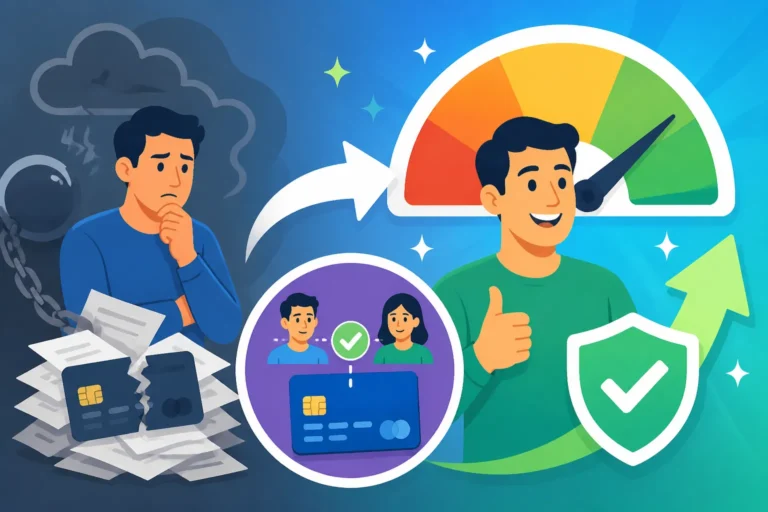
This situation often traps people in a frustrating cycle. You might need a decent credit score to rent an apartment, get approved for certain jobs that run credit checks, or even secure better rates on insurance. But to build that credit, you typically need some form of credit product, which often requires a job or income. It's a classic "chicken or the egg" scenario.
You might be thinking, "How am I supposed to get a job if I can't even get approved for the apartment I need to live in, or the reliable car I need to commute?" This cycle can feel incredibly defeating, leading to feelings of hopelessness and financial stagnation. It’s why understanding alternative paths to building credit, especially for those without traditional employment, is so crucial. It’s about finding the loopholes and strategies that allow you to demonstrate financial responsibility without jumping through conventional hoops.
Secured Credit Cards: Your Lifeline to Building Credit
This is where secured credit cards step in as a true game-changer. They are specifically designed for people who might not qualify for traditional credit – and that includes individuals who are currently unemployed.
How a Secured Card Works The Deposit is Key
The fundamental difference between a secured credit card and a regular, unsecured credit card lies in the "secured" part: it requires a cash deposit. When you're approved for a secured card, you provide a refundable security deposit to the issuer, typically ranging from a couple of hundred dollars to a few thousand. This deposit then becomes your credit limit. For example, if you deposit $300, your credit limit will generally be $300.
This deposit acts as collateral. If, for any reason, you fail to pay your bill, the credit card issuer can use that deposit to cover your outstanding balance. This significantly reduces the risk for the lender, which is precisely why they are much more willing to approve applicants who might otherwise be considered too risky, such as those without a job. Crucially, even though it requires a deposit, a secured card functions just like a regular credit card. You make purchases, you receive a statement, and you make payments. The key benefit is that these cards report your payment activity to the major credit bureaus – Equifax, Experian, and TransUnion. This reporting is how you build a positive payment history, which is the most important factor in your credit score. Many people confuse them with debit cards because of the upfront cash, but it's vital to remember that a secured card is a credit product.
Why Secured Cards are Ideal for Unemployed Individuals
Because of the security deposit, secured cards bypass many of the income verification hurdles that trip up unemployed applicants for unsecured cards. The deposit minimizes the issuer's risk, making them much more flexible with income requirements. While some secured card issuers might still ask about your income, they often consider a broader range of sources beyond a traditional salary. This could include unemployment benefits, disability payments, social security, pension income, child support, or even funds from a trust or savings account.
For someone looking to establish or rebuild their credit without a traditional job, a secured card offers a clear path forward. It allows you to demonstrate responsible financial behavior, proving that you can manage credit, even if your income sources are unconventional. It’s an accessible entry point into the credit world, providing a mechanism to create a positive payment history, which is the cornerstone of a strong credit score. The goal is to use it responsibly, pay your bills on time, and eventually, many secured cards will allow you to graduate to an unsecured card and get your deposit back. Learn more about how secured credit cards work.
Choosing the Right Secured Card What to Look For
Not all secured cards are created equal. When you're shopping for one, especially without a job, there are a few key things you'll want to prioritize to ensure you pick the best option for your situation.
First and foremost, look for a card that reports to all three major credit bureaus: Equifax, Experian, and TransUnion. This is non-negotiable, as consistent reporting to all three ensures your efforts are recognized across the board, impacting all your credit scores. If a card only reports to one or two bureaus, your progress will be uneven.
Secondly, pay close attention to fees. Many secured cards come with an annual fee, which can range from $25 to $50 or more. Some excellent options, like the Discover it® Secured Card or the Capital One Platinum Secured Card, offer no annual fees, making them more cost-effective. Avoid cards with high application fees, monthly maintenance fees, or excessive processing fees, as these can quickly eat into your deposit and make the card less beneficial. While the interest rate (APR) is less critical if you plan to pay your balance in full every month (which you absolutely should), a lower APR is always a plus in case of an emergency or an accidental balance carryover.
Consider the minimum and maximum deposit requirements. Some cards start with deposits as low as $200, while others require more. Ensure the deposit amount is manageable for your current financial situation. Also, investigate if the card offers a path to graduate to an unsecured card. This means after a period of responsible use (typically 6-12 months), the issuer might convert your secured card to an unsecured one and refund your deposit. This is a huge benefit, as it signals trust from the lender and gives you access to a traditional credit line.
Finally, check the issuer's policies regarding alternative income sources. While most secured card issuers are more lenient, some might be more accommodating than others. A quick call to their customer service or a review of their FAQ section can clarify what types of income they consider acceptable beyond a standard W-2.
Step-by-Step Guide to Getting and Using a Secured Card
Getting a secured card and using it effectively to build credit is a straightforward process, but it requires a bit of preparation and consistent discipline.
Gathering Your Documentation Even Without a Paystub
Even without a traditional job, you'll still need to provide some documentation to the credit card issuer during the application process. This isn't about proving you have a job, but about demonstrating your ability to make the initial security deposit and manage future payments. You'll typically need:
- Proof of Identity: A valid government-issued ID, like a driver's license or state ID, and your Social Security Number (SSN) or Individual Taxpayer Identification Number (ITIN).
- Proof of Address: A utility bill, lease agreement, or bank statement showing your current residential address.
- Source of Funds for Deposit: You'll need access to the funds for your security deposit, which will likely be transferred from your checking or savings account.
- Alternative Income Sources (if applicable): If you receive any form of regular income, even if it's not from a job, be prepared to list it. This could include unemployment benefits, disability payments, Social Security income, pension payments, child support, alimony, trust fund disbursements, or even regular contributions from a spouse or family member if it's verifiable. If you have significant savings, you can often list that as a source of funds to cover your payments, demonstrating financial capacity. While the secured nature of the card reduces the emphasis on income, showing any consistent inflow of funds can only strengthen your application.
Don't panic if you don't have a paystub. Many card issuers understand that people have diverse financial situations. For instance, if you're a student, your student loan disbursements or scholarships might count. If you're a stay-at-home parent, your spouse's income might be considered if you're applying for a joint account or if the card issuer explicitly allows household income to be reported. The key is to be honest and provide what you do have.
Applying for the Secured Card
Once you've gathered your necessary documents and chosen a secured card that fits your needs, the application process is similar to that of an unsecured card. Most issuers allow you to apply online, which is usually the quickest method.
- Fill out the Application: Provide all requested personal information accurately. Be honest about your employment status. When asked for income, list any alternative sources you have (unemployment, benefits, savings you'll use for payments, etc.).
- Submit Your Deposit: If approved, you'll be instructed on how to submit your security deposit. This usually involves transferring funds electronically from your bank account. Your credit limit will typically be equal to this deposit.
- Receive Your Card: Once the deposit is processed, your card will be mailed to you. Activate it as soon as it arrives.
It's crucial to review all terms and conditions carefully before submitting your application. Understand the fees, interest rates, and how your deposit will be held and potentially returned. Some credit-building platforms, like Credit Strong, simplify this process by offering bundled solutions that are specifically designed for those with limited income or credit history. While they focus more on credit builder loans, the principle of accessible credit building for various financial situations is similar.
Using Your Secured Card Wisely to Build Credit
Getting the card is just the first step; using it strategically is how you actually build a strong credit history.
- Pay on Time, Every Time: This is the absolute golden rule of credit building. Payment history accounts for 35% of your FICO score. Even a single late payment can severely damage your score and stay on your report for up to seven years. Set up automatic payments for at least the minimum amount, and ideally, for the full balance.
- Keep Your Credit Utilization Low: This refers to how much of your available credit you're using. If your credit limit is $300, try to keep your balance under $30-$90 (10-30% utilization). High utilization signals to lenders that you're relying heavily on credit, which can be seen as a risk. Aim to use your card for small, regular purchases that you can easily pay off, like your weekly coffee run or a streaming service subscription. The lower your utilization, the better. Learn more about credit utilization and how it impacts your score.
- Pay Your Balance in Full: To avoid paying interest, always pay your statement balance in full by the due date. Since your goal is to build credit, not accumulate debt, this strategy is paramount.
- Don't Overspend: Treat your secured card like cash. Only charge what you know you can afford to pay back immediately. Remember, the deposit is there for security, but you don't want to use it! You want to demonstrate responsible borrowing.
- Monitor Your Credit Report: Regularly check your credit reports from Equifax, Experian, and TransUnion (you can get them free annually from AnnualCreditReport.com). Look for errors and ensure your secured card activity is being reported correctly. If you spot any discrepancies, be sure to dispute them promptly. Understanding what's on your credit report is crucial for informed credit building.
By consistently following these practices, you'll establish a positive payment history and a low credit utilization ratio, two of the most significant factors in improving your credit score.
Beyond Secured Cards: Other Credit-Building Strategies (Even Without a Job)
While secured cards are an excellent starting point, they're not the only way to build credit without a traditional job. Combining strategies can often accelerate your progress.
Becoming an Authorized User
One of the quickest ways to potentially add positive payment history to your credit report is by becoming an authorized user on someone else's credit card account. This strategy involves asking a trusted family member or friend (parent, spouse, sibling) with an excellent credit history to add you to their credit card account.
Here's how it works: the primary cardholder adds you to their account, and you get a card with your name on it. Even if you never use the card, the primary account's positive payment history and credit limit will typically appear on your credit report, instantly boosting your credit age and available credit. This can significantly improve your score without you needing to take on any debt yourself. However, it's crucial to choose a primary cardholder with a stellar payment history and low credit utilization. If they miss payments or carry high balances, those negative marks will also appear on your report, hurting your score. Moreover, while you'll have a card, you aren't legally responsible for the debt, which is a benefit but also highlights the need for trust in the primary cardholder. Explore the benefits and risks of being an authorized user.
Credit Builder Loans
Credit builder loans are a fantastic option for those who want to establish credit but don't want a credit card, or prefer a structured savings approach. These are specifically designed to help people build credit, and they don't require good credit or even any credit history to get approved. The way they work is a bit counter-intuitive but highly effective.
Instead of borrowing money upfront, you essentially borrow from yourself. A lender, like Credit Strong or Self, approves you for a small loan (e.g., $500 to $2,000). However, you don't receive the money immediately. Instead, the loan amount is placed into a locked savings account or Certificate of Deposit (CD). You then make monthly payments on this "loan" over a period, typically 6 to 24 months. Each month, the lender reports your on-time payments to the credit bureaus. Once you've paid off the entire loan, the money in the locked account is released to you, often with interest earned.
This means you're building savings while simultaneously building credit. Since the loan amount is secured by the funds you're "saving," the risk to the lender is minimal, making them highly accessible even without a job or strong income. They're a great way to show a positive payment history for an installment loan, diversifying your credit mix. Credit Strong is a popular provider in this space, known for its accessible credit builder loans that help individuals build a payment history.
Rent and Utility Reporting
Believe it or not, your regular rent and utility payments (electricity, gas, water, internet, cell phone) can also be used to build your credit. Traditionally, these payments don't show up on your credit report unless they go to collections. However, several services now allow you to have these on-time payments reported to the credit bureaus.
Services like Experian Boost can help by adding positive utility and phone payment history to your Experian FICO Score. Other companies, like LevelCredit or RentReporters, specialize in reporting your rent payments to all three major credit bureaus. There's usually a fee for these services, either monthly or annually. While these might not carry the same weight as a traditional credit card or loan, they can add valuable positive payment history to your file, especially if you have a "thin" credit file with limited accounts. This can be particularly beneficial for those without traditional income, as it leverages payments you're likely already making.
Combining a secured card with a credit builder loan, or utilizing rent reporting services, can create a powerful strategy to quickly establish and improve your credit score, regardless of your employment status.
Comparing Credit-Building Options for the Unemployed
To give you a clearer picture, let's look at how these different credit-building methods stack up, especially when you're without a traditional job.
| Feature | Secured Credit Card | Credit Builder Loan | Authorized User (on someone else's card) | Rent/Utility Reporting Services |
|---|---|---|---|---|
| Requires Deposit | Yes (becomes your credit limit) | Yes (loan amount held in savings until paid) | No | No |
| Requires Income | Minimal/flexible (alternative sources often accepted) | Minimal/flexible (focus on ability to make payments) | No (primary user needs income/credit) | No (focus on existing payment history) |
| Builds Credit Type | Revolving credit | Installment credit | Revolving credit (primary user's account) | Payment history (can improve existing score) |
| Reports To | Usually all 3 major bureaus | Usually all 3 major bureaus | Varies (usually all 3 if primary card reports) | Varies (Experian Boost for utilities, others for rent) |
| Direct Control | High (you manage your spending) | High (you make your own payments) | Low (dependent on primary user's habits) | High (you ensure on-time payments) |
| Access to Funds | Yes (up to your credit limit) | Yes (after loan is fully paid off) | Yes (if primary user allows you to use the card) | No |
| Potential Fees | Annual fees, interest (if balance carried) | Administrative fees, interest (on the "loan") | None for authorized user (primary user pays fees) | Monthly/annual service fees |
| Best For | Learning responsible credit card use, building credit mix | Building savings & credit simultaneously, installment history | Quick score boost from established credit history | Leveraging existing expenses to build credit |
As you can see, each option has its unique advantages. For someone without a job, a secured credit card offers direct control and builds revolving credit history, while a credit builder loan (like those from Credit Strong) is excellent for building installment credit and forced savings. Becoming an authorized user provides a potentially fast boost, and rent/utility reporting uses payments you're already making. Often, a combination of these strategies will provide the most comprehensive and rapid credit-building results.
Building credit without a traditional job might seem like an uphill battle, but with the right strategies, it's absolutely achievable. Secured credit cards offer a proven and accessible pathway, allowing you to demonstrate financial responsibility and build a positive payment history. By understanding how they work, choosing the right card, and using it wisely, you can lay a strong foundation for your financial future. Remember to also explore alternatives like credit builder loans and rent reporting to maximize your efforts. With discipline and consistency, you'll be well on your way to a healthier credit score.
Disclaimer
Please note that this article provides general information and guidance on building credit. Financial situations are unique, and what works for one person may not be suitable for another. Always consider consulting with a qualified financial advisor to discuss your specific circumstances and make informed decisions. Credit card terms, interest rates, and reporting practices can change, so it's essential to verify current information with any financial institution before applying for a product.