Does a Credit Builder Loan Really Work?
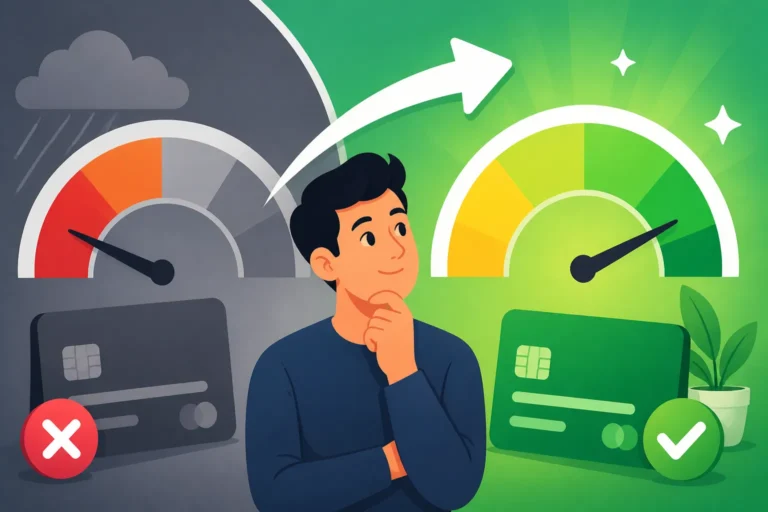
It can feel incredibly frustrating when you're trying to establish or improve your credit, only to find that most traditional lenders want to see a good credit history before they'll lend to you. It's a classic Catch-22, right? This guide is here to demystify credit builder loans and explore whether they truly are a viable path to a stronger credit profile for folks struggling to get started or recover.
What Exactly Is a Credit Builder Loan?
When you hear the word "loan," you probably think of getting money upfront, like a car loan or a personal loan, that you then pay back over time. A credit builder loan, however, flips that script entirely. Instead of receiving the money first, you make payments into an account, and only after you've paid off the entire loan amount do you get access to the funds. It's designed specifically to help you build a positive payment history and, as a result, improve your credit score. Think of it less like borrowing money and more like a forced savings plan that also reports your responsible behavior to the credit bureaus.
How the Funds Are Held
With a traditional loan, the lender gives you the money, and you're immediately responsible for making payments. With a credit builder loan, the loan amount (say, $500 or $1,000) isn't handed to you right away. Instead, it's typically placed into a locked savings account or a certificate of deposit (CD) by the lender. This account is usually interest-bearing, meaning your money might grow a little while it's being held. You can't touch these funds until you've successfully made all your scheduled payments and the loan term ends. This setup reduces the risk for the lender, making it easier for them to approve applicants who might have a thin credit file or a less-than-perfect history. It ensures that you're building a habit of saving and responsible repayment before you ever get your hands on the cash.
The Repayment Process
The repayment process for a credit builder loan is straightforward and is the core mechanism by which it helps your credit. You'll make fixed monthly payments over a set period, which could range from six months to two years, or sometimes even longer. Each time you make a payment, the lender reports this positive activity to one or more of the three major credit bureaus: Equifax, Experian, and TransUnion. This consistent reporting of on-time payments is what truly makes the loan "work" for your credit. Once you've made the final payment, the funds that were held in the locked account, minus any interest or fees, are released to you. Many people choose to deposit this lump sum into their regular savings, effectively getting back the money they "borrowed" (and then some, if the account accrued interest). It's a neat trick – you save money, pay it back to yourself, and build credit all at once.
How Credit Builder Loans Impact Your Score
A credit builder loan primarily works by addressing some of the most critical factors that determine your credit score. When you're trying to learn how to build credit from scratch, or even improve it after some setbacks, understanding these factors is crucial. The loan creates a new credit account on your report, and your behavior with this account directly influences your score over time.
Payment History Is Key
This is, without a doubt, the single most important factor in your credit score, accounting for about 35% of your FICO Score. Credit builder loans are designed specifically to help you establish a strong payment history. Every on-time monthly payment you make is a positive mark on your credit report. Over time, a consistent record of punctual payments demonstrates to future lenders that you are a reliable borrower, which is exactly what they want to see. Even a single missed payment can significantly hurt your score and undermine the very purpose of the loan, so diligence here is paramount. For someone with little to no credit history, a year or two of perfect payments on a credit builder loan can lay a solid foundation. You can read more about why payment history is 35% of your score to understand its weight.
Diversifying Your Credit Mix
Your credit mix, or the types of credit accounts you have, makes up about 10% of your FICO Score. While not as impactful as payment history, it's still a factor. A credit builder loan is typically considered an installment loan, meaning you borrow a fixed amount and repay it in equal installments over a set period. If your current credit profile mainly consists of revolving credit (like credit cards), adding an installment loan can help diversify your credit mix. This shows lenders that you can responsibly manage different types of credit, which can be seen as a positive. For instance, if you're working on how to build credit without a credit card, a credit builder loan can be an excellent starting point, providing that crucial installment loan experience. Companies like Credit Strong offer these types of loans, helping individuals create a positive credit history without needing a traditional credit card right away.
Age of Credit History Indirectly
The length of your credit history accounts for approximately 15% of your credit score. While a credit builder loan starts a new account, which initially might slightly lower your average age of accounts if it's your only or newest account, the goal is long-term. As you continue to make payments over many months, the age of this specific account grows, contributing positively to your overall credit history length. The longer a positive account remains on your report, the more beneficial it typically is. This factor is about patience and consistency. The key is that once the loan is paid off and closed, it doesn't disappear from your report; it continues to contribute to your credit history length for years to come (often up to 10 years).
The Real-World Benefits and Potential Drawbacks
Credit builder loans aren't a magic bullet, but they can be a powerful tool when used correctly. Understanding both the upsides and the potential downsides is crucial before committing.
Tangible Benefits for Credit Building
The primary benefit is the establishment of a positive payment history, which is the bedrock of a good credit score. Many people use these loans as a stepping stone to qualify for other financial products, like unsecured credit cards or personal loans, which were previously out of reach. For those with a thin credit file, meaning not enough credit accounts to generate a score, a credit builder loan can literally put you on the credit map. You'll move from being "unscoreable" to having a scorable file, which is a huge leap. Moreover, because the funds are held until the loan is repaid, it inadvertently encourages a savings habit. You're essentially saving money for yourself while simultaneously improving your credit. Some providers, like Credit Strong, even offer different loan amounts and terms, giving you flexibility to choose a plan that fits your budget and credit building goals. They are also often more accessible than secured credit cards for those who don't have an upfront deposit readily available.
Potential Pitfalls and Considerations
While beneficial, credit builder loans aren't without their considerations. First, there's the cost. Most credit builder loans come with interest rates and administrative fees. While these are often lower than typical unsecured loans, they still represent an expense. You're paying to build credit, so it's important to factor these costs into your budget. For example, a $1,000 loan might have an interest rate that means you pay back $1,050 total, and then there might be a small origination fee. Secondly, if you miss payments, the entire strategy backfires. Just like any other loan, late or missed payments will be reported to the credit bureaus and can severely damage your credit score, potentially leaving you worse off than when you started. Lastly, the funds are locked away. While this is a feature, it also means that money isn't liquid for emergencies. It's essential to ensure you have a separate emergency fund before committing to a credit builder loan so you don't find yourself in a bind.
Is a Credit Builder Loan Right for You?
Deciding if a credit builder loan is the right move for your financial journey depends heavily on your current credit situation and your financial habits. It's not a universal solution, but for specific scenarios, it can be incredibly effective.
When They Make Sense
A credit builder loan makes immense sense if you have little to no credit history and are finding it impossible to get approved for traditional credit cards or loans. This is often the case for young adults just starting out, or new immigrants who are establishing credit in the United States. It's also a strong option if you're trying to rebuild credit after a period of financial difficulty, such as a bankruptcy or collections. Because the loan is secured by your own payments, lenders are often more willing to approve applicants with past credit challenges. If you have some extra cash flow and can consistently afford the monthly payments without strain, and you're committed to financial discipline, this type of loan can be a fantastic tool to show lenders you are responsible. If your goal is to raise your credit score from 580 to 650, or even higher, consistent on-time payments from a credit builder loan can certainly contribute.
When Other Options Might Be Better
On the flip side, a credit builder loan might not be the best fit if you already have a decent credit score (say, above 650) and can qualify for other credit products like a secured credit card or even an unsecured starter card. These options might offer more immediate access to a credit line, which can be useful for everyday spending if managed responsibly. If you have significant existing debt, especially high-interest credit card debt, your priority should likely be to address that first. Adding another monthly payment, even a small one, might stretch your budget too thin. In such cases, exploring strategies like a debt snowball or debt avalanche might be more beneficial. Also, if you're not confident in your ability to make every payment on time, a credit builder loan could do more harm than good. It's essential to assess your financial discipline realistically.
Maximizing Your Credit Builder Loan's Effectiveness
Simply getting a credit builder loan isn't enough; you need to use it strategically to get the most out of it. It's about more than just the loan itself; it's about integrating it into a broader financial plan.
Consistent On-Time Payments
This cannot be stressed enough: on-time payments are the absolute core of how a credit builder loan works. Set up automatic payments from your bank account so you never miss a due date. Treat this loan like any other critical bill, prioritizing its payment. Each payment reported on time is a positive data point that feeds into your credit score calculations. Missing even one payment can set you back significantly, negating weeks or months of good behavior. Consistency is the name of the game here. If you can show a perfect payment history for 12-24 months, you'll be in a much stronger position to access better financial products.
Combining with Other Strategies
A credit builder loan is most effective when it's part of a multi-pronged approach to credit building. Don't put all your eggs in one basket.
Consider these complementary strategies:
- Secured Credit Cards: Once you've started making payments on your credit builder loan, you might consider applying for a secured credit card. These cards require a deposit, which often becomes your credit limit. Using it responsibly – keeping your utilization low and paying in full every month – will further strengthen your credit profile. This helps you build credit with a secured card by adding revolving credit to your mix.
- Authorized User Status: If you have a trusted family member or friend with excellent credit who is willing to add you as an authorized user on one of their credit cards, their positive payment history could reflect on your report. Just make sure they have a history of responsible use and low balances. Find out more about if being an authorized user builds credit.
- Rent Reporting: Some services allow your on-time rent payments to be reported to the credit bureaus. Since rent is often your largest monthly expense, ensuring it contributes to your credit history can be very powerful.
- Monitor Your Credit Report: Regularly check your credit reports for errors. Even with a credit builder loan, mistakes can happen. Catching and disputing errors quickly can prevent unnecessary damage to your score. You can learn how to dispute credit report errors step-by-step.
By combining a credit builder loan with other strategies, you're creating a robust and diverse credit history, which can lead to significant improvements in your credit score over time. Remember, the goal is not just to get the loan, but to leverage it as a tool in your overall financial toolkit to achieve financial independence and better opportunities.
Here's a quick comparison of credit building options:
| Feature | Credit Builder Loan | Secured Credit Card | Authorized User |
|---|---|---|---|
| Primary Goal | Build payment history, diversify credit mix | Build payment history, establish revolving credit | Leverage another's good credit history |
| Access to Funds | After full repayment | Immediately (up to deposit limit) | No direct access to credit, typically |
| Impact on Score | Payment history (35%), credit mix (10%), age of credit | Payment history (35%), utilization (30%), age of credit | Payment history (35%), age of credit (if primary user has long history) |
| Requires Upfront Funds? | No (you pay into it monthly) | Yes (for security deposit) | No (primary user's responsibility) |
| Risk if Mismanaged | Negative payment history reported | High utilization, missed payments hurt score | Negative history if primary user mismanages, though less direct impact on AU |
| Best For | Thin/no credit, rebuilding after major issues, saving | Thin/no credit, learning responsible credit card use | Fast boost from reliable individual, no direct financial obligation |
| Example Provider | Credit Strong, Self | Discover it® Secured, Capital One Platinum Secured | Any trustworthy individual's existing card |
Disclaimer
The information provided in this article is for educational and informational purposes only and should not be considered financial advice. While we strive to provide accurate and up-to-date content, individual financial situations vary. It is always recommended to consult with a qualified financial professional or credit counselor before making any significant financial decisions.