How to Build Your Credit Score to 660 in 6 Months
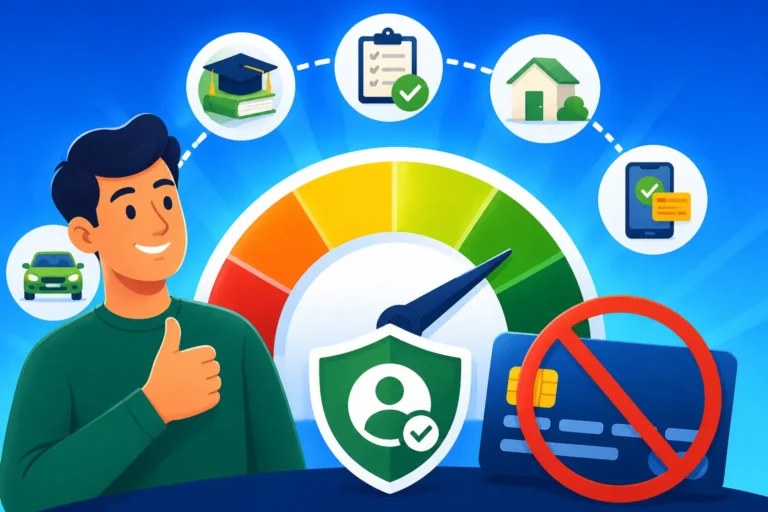
Feeling stuck with a credit score that just isn't where you want it to be? Many people find themselves in a situation where they need to boost their credit score quickly, whether it's for a new apartment, a car loan, or simply to gain more financial flexibility. Reaching a 660 credit score in just six months might seem like a tall order, but it's absolutely achievable with focused effort and smart strategies. This guide will walk you through the precise steps you can take to make significant progress and get your credit score where it needs to be.
Understanding Your Current Credit Landscape
Before you can build your credit score to 660, you first need to know where you stand right now. This isn't just about glancing at a number; it's about digging into the details of your credit reports. Think of it like planning a road trip – you can't get to your destination if you don't know your starting point or the terrain ahead. Ignoring this crucial first step is a common mistake many people make, and it can set back your entire credit-building journey.
Checking Your Credit Score and Reports
The very first thing you need to do is get a clear picture of your credit health. You have three main credit bureaus: Equifax, Experian, and TransUnion. Each one compiles a separate credit report, and while they should largely mirror each other, sometimes there are discrepancies. It's completely free to get your credit reports once a year from each bureau through AnnualCreditReport.com. Take advantage of this. Don't just look for accounts; scrutinize every detail. Are all the account balances correct? Are there any accounts you don't recognize? Is your personal information up-to-date?
When you review your reports, pay close attention to the "negative items" section. These could be late payments, collection accounts, or even charge-offs. These are the items that are likely dragging your score down the most and will be key targets for improvement or dispute. Understanding What Affects Your Credit Score: The 5 Factors will give you a deeper insight into how each piece of information on these reports impacts your score.
Identifying Key Areas for Improvement
Once you have your reports in hand, it's time to play detective. Circle any late payments, collections, or accounts with high balances. These are your primary targets. For example, if you see a credit card with a balance that's very close to its limit, that's a red flag for high credit utilization, which significantly impacts your score. If you have any collection accounts, these will also be a major hurdle. Sometimes, simply having a thin credit file, meaning not enough accounts or history, can also keep your score low. This guide on Thin Credit File: How to Build a Credit History might offer some insights if you're in that boat.
Don't forget to look for errors. Credit report errors are surprisingly common, and they can unfairly lower your score. If you find something that looks wrong, you'll want to get that disputed as quickly as possible. We’ll talk more about disputing errors later, but for now, the goal is simply to identify them. Having a clear understanding of what’s holding you back will allow you to prioritize your actions for the next six months.
Rapid Credit Building Strategies for Six Months
Six months isn't a lot of time, so you'll need to be strategic and consistent with your actions. This isn't about quick fixes that disappear; it's about establishing habits that will benefit your credit long-term while aiming for that 660 mark. The focus here will be on impactful steps that yield results relatively quickly.
Prioritize On-Time Payments
This is, hands down, the most crucial step. Payment history makes up 35% of your FICO score, which is the largest single factor. Even one late payment can cause a significant drop, sometimes as much as 60-100 points, depending on your starting score and the severity of the lateness. If you're currently making late payments, this is where you need to focus 100% of your energy for the next six months.
Set up automatic payments for all your bills – credit cards, loans, utilities, even your rent if your landlord offers reporting services. You want to eliminate any chance of human error. If you're struggling to make minimum payments, contact your creditors immediately to discuss options. Don't wait until you're already late. Showing good faith can sometimes prevent a late payment from being reported, especially if it's your first time. Consistent, on-time payments over six months will steadily improve this crucial aspect of your score. For more in-depth advice, check out How to Remove Late Payments From Your Credit Report if you have existing ones.
Dramatically Reduce Credit Utilization
Credit utilization, or how much of your available credit you're using, is the second most important factor, accounting for 30% of your score. Lenders and scoring models generally prefer to see you using less than 30% of your available credit across all your cards. To reach 660 quickly, you should aim even lower – ideally below 10%, or even 5% if possible.
Let's say you have a credit card with a $1,000 limit and a $900 balance. Your utilization on that card is 90%, which is extremely high and hurting your score. If you can pay that down to $100, your utilization drops to 10%, and you'll likely see a noticeable jump in your score. The key here is to make multiple payments throughout the month, not just one large payment at the due date. Credit card companies often report your balance to the credit bureaus around your statement closing date. If you pay down your balance before that date, a lower utilization will be reported, giving your score an immediate boost. This strategy is incredibly effective for short-term gains. For a deeper dive into this, read How Much of Your Credit Limit Should You Use?.
Strategic New Credit and Credit Mix
While opening too many new accounts can be detrimental, strategically adding certain types of credit can help, especially if you have a thin credit file.
Secured Credit Cards
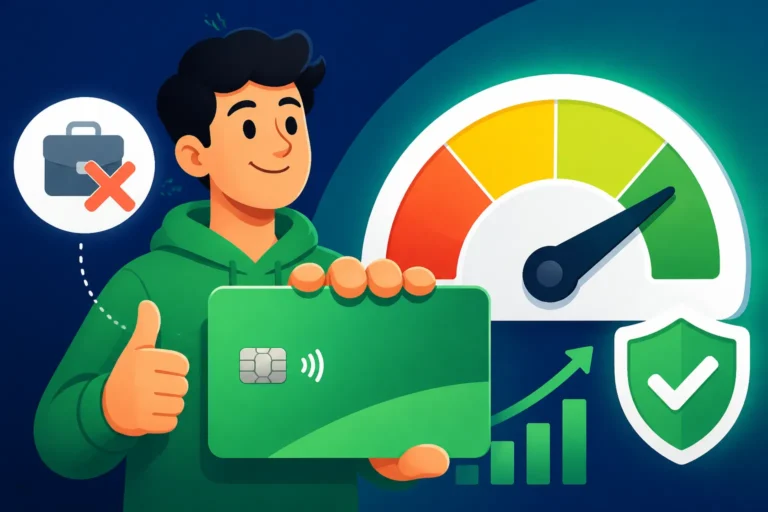
If you have little to no credit history, or a poor one, a secured credit card is often your best bet. With a secured card, you put down a deposit, which typically becomes your credit limit. For example, if you deposit $200, your credit limit is $200. This minimizes risk for the lender. As you use the card responsibly (making small purchases and paying them off in full and on time), the issuer reports your positive payment history to the credit bureaus. This is a fantastic way to demonstrate creditworthiness without taking on high-risk debt. Many issuers, after a certain period of responsible use, will even allow you to upgrade to an unsecured card and return your deposit. Discover it Secured Card is a popular option known for its credit-building features. Learn more in Secured Credit Cards: How They Build Credit.
Credit Builder Loans
Another excellent tool, particularly if you're disciplined with saving, is a credit builder loan. Companies like Credit Strong offer these. Instead of getting a lump sum upfront, you make monthly payments into a locked savings account, and once the loan is paid off, you receive the money. The key benefit is that your regular, on-time payments are reported to the credit bureaus as if you were paying off a traditional loan, adding positive payment history and diversifying your credit mix. It’s a win-win: you build credit and save money.
Here’s a quick comparison of these credit-building tools:
| Feature | Secured Credit Card | Credit Builder Loan |
|---|---|---|
| Purpose | Build credit history with a credit line | Build payment history with installment loan |
| Deposit Required? | Yes, typically equals credit limit | No, you make payments towards a future lump sum |
| Access to Funds | Immediate (up to limit) | Deferred (after loan is paid off) |
| Credit Utilization | Applicable (keep low) | Not applicable |
| Impact on Credit Mix | Revolving credit | Installment credit |
| Common Providers | Capital One, Discover, OpenSky | Self, Credit Strong, MoneyLion |
| Speed of Impact (6 mo) | Good, if utilization is managed | Good, for showing consistent payments |
Becoming an Authorized User
If you have a trusted family member or partner with excellent credit history, asking them to add you as an authorized user on one of their long-standing, low-utilization credit accounts can be a quick boost. When they add you, that account's positive history (low utilization, on-time payments) can sometimes appear on your credit report. It's crucial that the primary cardholder is responsible, as their missteps could also affect your score. This isn't a standalone strategy but can be a helpful supplement if applicable. Remember, you don't even need to use the card they give you; just being on the account can sometimes help. Find out more about Authorized User Benefits and Risks.
Managing Existing Debts and Credit Accounts
While building new credit is important, managing your existing accounts and debts responsibly is equally, if not more, critical to reaching your 660 goal in six months. These actions directly address factors like payment history and credit utilization.
Handling Collection Accounts and Old Debts
Discovering collection accounts on your credit report can be disheartening, but ignoring them won't make them disappear. For accounts less than two years old, consider reaching out to the collection agency. Sometimes, you can negotiate a "pay for delete" agreement, where they agree to remove the collection from your report in exchange for payment. Get this agreement in writing before you pay anything. This is a powerful strategy because removing a collection can provide a significant bump to your score. However, be cautious; not all collection agencies will agree to pay for delete, and paying a collection without a deletion agreement will not automatically remove it from your report; it will simply update its status to "paid collection," which still impacts your score negatively, albeit less than an unpaid one. Read How to Remove Collections From Your Credit Report for detailed steps.
For older debts, especially those approaching or past the statute of limitations, your strategy might differ. Paying an old debt can sometimes restart the clock on the statute of limitations, potentially allowing the debt collector to sue you. It's always wise to understand your rights and options. If you're unsure, consulting with a credit counseling agency or an attorney can provide clarity.
Avoiding New Hard Inquiries
Every time you apply for new credit – a credit card, a loan, or even some apartment rentals – a "hard inquiry" is typically placed on your credit report. A hard inquiry can cause a small dip in your score (usually 3-5 points) and stays on your report for two years, although its impact lessens over time. If you're trying to build your score to 660 in six months, you need to be very selective about any new credit applications.
The goal is to limit these as much as possible. Focus on the secured card or credit builder loan we discussed earlier, and resist the urge to apply for multiple credit cards "just in case." Each hard inquiry can set back your progress. If you absolutely need new credit, research options carefully to minimize applications. Knowing How Many Points Is a Hard Inquiry Worth? can help you understand the impact.
Disputing Credit Report Errors
Remember those errors you circled on your credit reports? Now it's time to dispute them. The Fair Credit Reporting Act (FCRA) gives you the right to dispute inaccurate or unverifiable information on your credit reports. This could be anything from a late payment that was actually on time, to an account that isn't yours, or an incorrect balance.
Gather all your supporting documentation – bank statements, payment confirmations, original loan documents – anything that proves the information on your report is wrong. Then, send a dispute letter directly to the credit bureau reporting the error (Equifax, Experian, or TransUnion). You should also send a copy of your dispute to the creditor that reported the inaccurate information. The bureaus have 30 days (sometimes 45) to investigate and respond. If they can't verify the information, they must remove it. Successfully removing a negative error can significantly boost your score. Our guide on How to Dispute Credit Report Errors (Step-by-Step) provides a detailed roadmap for this process.
Monitoring Your Progress and Staying on Track
Building credit isn't a "set it and forget it" process, especially when you're aiming for a specific goal like 660 in six months. Consistent monitoring and adjustment are key to success.
Regularly Check Your Credit Score
While you don't need to check your full credit report every month, it's wise to monitor your credit score regularly. Many banks and credit card companies now offer free credit score access, often through VantageScore models. While these might differ slightly from the FICO scores lenders use, they still provide a good indication of your progress. Services like Credit Karma or Credit Sesame also offer free scores and monitoring, though again, these are typically VantageScores.
Checking your score frequently allows you to see the impact of your actions. Did your score jump after you paid down a credit card? Did it dip after a new inquiry? Understanding these fluctuations helps you learn what helps and what hurts your specific credit profile. Just remember, checking your own score is a "soft inquiry" and does not hurt your score. You can learn more about How to Check Your Credit Score for Free.
Adjusting Your Strategies as Needed
Credit building isn't always linear. There might be months where your score doesn't move much, or even dips slightly despite your best efforts. Don't get discouraged! This is where reviewing your full credit reports (every few months, if possible) becomes important again. Look for any new negative items or changes that you didn't expect.
If your score isn't climbing as fast as you hoped, revisit your strategies. Are you keeping utilization low enough? Are all payments truly on time? Could you add another credit-building tool like a Credit Strong account if you haven't already? Sometimes, the biggest impact comes from addressing the largest negative factors first. Be patient but persistent, and don't be afraid to tweak your approach based on what your credit reports are telling you. The most important thing is to stay consistent with positive habits.
Long-Term Credit Habits
Achieving a 660 credit score in six months is a fantastic accomplishment, but it's just the beginning of your credit journey. To maintain and continue improving your score, you need to embed these positive habits into your financial routine for the long haul.
- Keep utilization low: Always aim for under 30%, and ideally under 10%.
- Pay all bills on time, every time: This cannot be stressed enough.
- Maintain a healthy credit mix: As your credit grows, having a mix of revolving (credit cards) and installment (loans) credit can be beneficial.
- Don't close old accounts: Older accounts with good payment history contribute to your average age of accounts, which is a positive factor. Even if you don't use a card, keeping it open (with a zero balance) helps your utilization and credit age.
- Be selective with new credit: Only apply for credit when you genuinely need it, and research before you apply to minimize hard inquiries.
By consistently applying these principles, your 660 credit score will become a stable foundation from which you can reach even higher financial goals.
Disclaimer
Please note that this article provides general information and guidance on building credit. Individual results may vary, and the timeline for credit score improvement can depend on numerous factors, including your starting credit score, the types of negative items on your report, and your overall financial behavior. It is always recommended to consult with a financial advisor or credit counseling expert for personalized advice.