How Much of Your Credit Limit Should You Use?
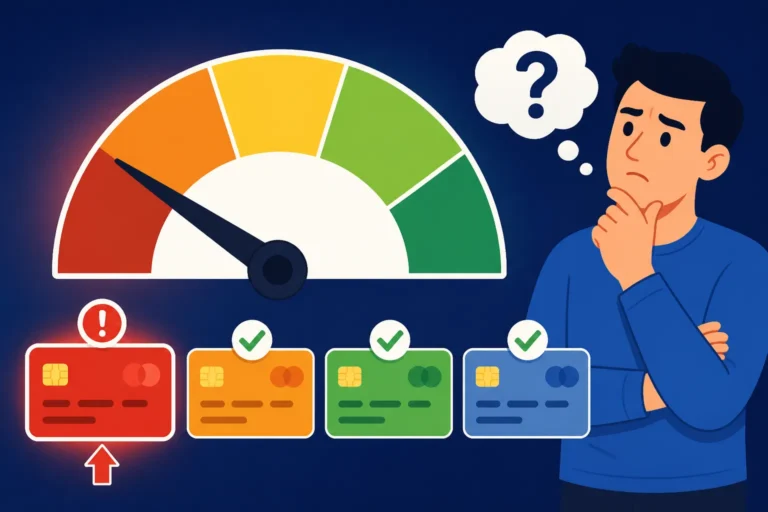
Have you ever felt that nagging uncertainty when you're swiping your credit card, wondering if this purchase is going to ding your credit score? It’s a common worry, and it often stems from not quite understanding one of the most impactful factors on your credit health: credit utilization. This guide is here to unravel the mystery of how much of your credit limit you should actually be using, offering practical advice to help you maintain a stellar score and make your financial life a whole lot smoother.
Understanding Credit Utilization
Let's dive right into the heart of the matter. Credit utilization is one of those terms that sounds a bit technical, but its concept is incredibly straightforward and profoundly affects your financial standing. It's not just a fancy metric; it's a direct reflection of how you manage your available credit, and lenders pay serious attention to it.
What Exactly Is Credit Utilization?
At its simplest, credit utilization is the ratio of your current credit card balances to your total available credit limit across all your revolving accounts. Think of it like this: if you have one credit card with a $1,000 limit and you've spent $300 on it, your utilization for that card is 30%. If you have multiple cards, the credit bureaus will look at both your utilization on each individual card and your overall utilization across all your cards combined. It's essentially a snapshot of how much of your borrowing power you're currently using. Many people get confused, thinking it's about paying off the balance in full, but it's really about the balance reported to the credit bureaus relative to the limit.
Why It's a Major Player in Your Credit Score
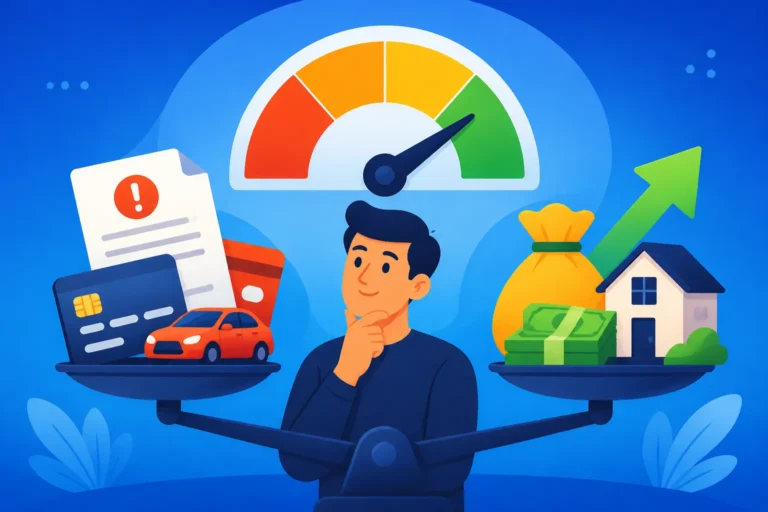
Credit utilization isn't just a factor; it's one of the most critical components of your credit score, right up there with your payment history. In fact, it accounts for about 30% of your FICO score, which is a huge chunk! This is because lenders see high utilization as a sign of potential financial distress. If you're constantly maxing out your credit cards or consistently carrying high balances, it suggests that you might be relying too heavily on credit to get by. This can make you look like a higher risk, signaling to potential lenders that you might struggle to repay new debts. Conversely, responsible, low utilization shows that you can manage credit effectively and aren't stretched too thin, making you a more attractive borrower. You can learn more about this by reading our comprehensive guide on What Affects Your Credit Score? The 5 Factors.
The Credit Scoring Models' Perspective
Credit scoring models, like FICO and VantageScore, are designed to predict how likely you are to pay back money you borrow. When they look at your credit utilization, they're assessing your current debt load in relation to your capacity to handle it. A high utilization percentage can immediately flag you as a higher risk, even if you've always made your payments on time. This is because high balances indicate a potential struggle to manage existing debt, which could lead to missed payments in the future. On the flip side, keeping your utilization low demonstrates financial discipline and suggests you have plenty of room to take on new credit responsibly, if needed. It's a powerful indicator of your creditworthiness, and understanding this perspective is key to truly mastering your credit score.
The Golden Rule of Credit Utilization
When it comes to credit utilization, there's one piece of advice that you'll hear almost universally, and for good reason: the "30% rule." But like all rules, it has its nuances, and aiming even lower can bring even greater benefits.
The Infamous 30% Threshold
The general consensus among financial experts is to keep your overall credit utilization below 30%. What does this mean in practical terms? If your total credit limits across all your credit cards add up to $10,000, you should aim to keep your total outstanding balance below $3,000. Going above this threshold can start to negatively impact your credit score. Lenders and credit scoring models view anything over 30% as potentially risky behavior. It signals that you might be relying too heavily on credit, which increases your perceived risk of default. It's a safety net, really – staying under 30% generally keeps you in good standing and shows that you're managing your credit responsibly without overextending yourself.
Let's illustrate this with a simple table:
| Total Credit Limit | Maximum Recommended Balance (30% Utilization) |
|---|---|
| $1,000 | $300 |
| $5,000 | $1,500 |
| $10,000 | $3,000 |
| $25,000 | $7,500 |
| $50,000 | $15,000 |
Is Lower Always Better? The "Sweet Spot" Debate
While 30% is often cited as the maximum you should aim for, the truth is, lower is almost always better. In fact, many experts suggest aiming for under 10% for optimal results. Think of it this way: if 30% is "good," then 10% or even 5% is "excellent." Credit scoring models reward those who use very little of their available credit. This demonstrates exceptional financial discipline and a very low reliance on borrowed money. If you have a total credit limit of $10,000 and consistently keep your balance below $1,000, you're projecting a very strong image of creditworthiness. This low utilization is a powerful signal to lenders that you are a highly responsible borrower and can dramatically help to boost your credit score over time.
However, there's a slight caveat: having zero utilization across all your cards all the time might not give you the absolute maximum score possible, as lenders like to see some activity, demonstrating you can manage credit, not just avoid it. A minimal balance that is paid in full before the due date can be ideal.
The Difference Between "Good" and "Excellent" Utilization
The impact on your credit score isn't a simple on-off switch at 30%; it's more of a gradient.
- Good Utilization (10-30%): If you keep your utilization in this range, you're generally considered a responsible credit user. Your credit score likely won't take a significant hit due to utilization, and you'll maintain a decent standing. This is a perfectly acceptable goal for most people, especially those who carry a small balance but pay it off regularly.
- Excellent Utilization (Under 10%): This is where your credit score can really shine. Maintaining utilization in the single digits tells lenders you have an abundance of available credit that you simply don't need to use. This makes you look incredibly low-risk and can contribute significantly to achieving an excellent credit score, often in the 750+ range. This low utilization helps to maximize the impact of other positive factors, like a long credit history and diverse credit mix. For individuals aiming for the highest possible scores, striving for sub-10% utilization is a critical strategy.
How Credit Utilization is Calculated
Understanding how your credit utilization is actually calculated can empower you to manage it more effectively. It’s not just about the numbers; it’s about timing and how these numbers are reported to the credit bureaus.
Individual Card vs. Overall Utilization
It’s a common misconception that credit scoring models only look at your total available credit across all cards. While overall utilization—the sum of all your credit card balances divided by the sum of all your credit limits—is indeed a significant factor, individual card utilization also plays a role. If you have five credit cards, each with a $2,000 limit (totaling $10,000 in credit), and you put $1,800 on one card while the other four remain at zero, your overall utilization would be 18% ($1,800/$10,000), which is below the 30% threshold. However, that one card is at 90% utilization ($1,800/$2,000)! This high individual card utilization can still ding your score, even if your overall number looks okay.
Credit bureaus, like Equifax, Experian, and TransUnion, gather data on each account separately. They report these details to the scoring models, which then analyze both perspectives. So, it's wise to distribute your spending across multiple cards if possible, rather than maxing out just one. This strategy ensures both your individual card utilization and your overall utilization remain low, presenting a healthier credit profile.
The Importance of Statement Closing Dates
This is a crucial detail that many people overlook! Your credit card issuer typically reports your balance to the credit bureaus on your statement closing date, not necessarily your payment due date. Let's say your statement closes on the 15th of every month, and your payment is due on the 10th of the following month. If you make a large purchase on the 1st, and then pay it off in full on the 5th (before the due date, but after the statement close), your credit report might still show that high balance from the 1st for that reporting cycle. This can temporarily inflate your reported utilization.
To truly optimize your utilization, try to pay down your balances before your statement closing date. For example, if you know your statement closes on the 15th, aim to pay off a significant portion or even the entire balance by the 13th or 14th. This ensures that the lower balance (or zero balance) is what gets reported to the credit bureaus, giving your score the best possible outcome. This proactive approach can make a noticeable difference in your credit score, especially if you have a significant purchase you need to make. We touch on this further in our guide about When Does a Credit Card Report to the Bureaus?.
What Happens When You Have No Balance
You might think that having absolutely no balance on any of your credit cards would give you the highest possible score. While keeping utilization extremely low is beneficial, a completely zero balance across all accounts for extended periods might not always result in the absolute maximum score. Credit scoring models like to see that you can responsibly manage credit, not just avoid it entirely.
A minimal amount of activity, showing that you use your credit and then pay it off, can be slightly more beneficial than perpetual zero balances. For instance, using a card for a small, regular expense like a streaming service or a weekly coffee, and then paying it off in full before the statement closing date, demonstrates consistent, responsible usage. This creates a positive payment history and low utilization simultaneously. The key is to show that you are an active, yet prudent, credit user. This also helps to ensure your accounts remain open and active, preventing them from being closed due to inactivity, which could shorten your average credit history.
The Impact of High vs. Low Utilization
The way you manage your credit utilization has immediate and lasting repercussions on your credit score and, by extension, your entire financial life. It's not an abstract concept; it's a very real influencer.
The Immediate Drop from High Utilization
One of the most frustrating aspects of credit utilization is how quickly a high balance can drag down your score. It’s not uncommon for someone who has a good credit score to see a noticeable drop – sometimes 30 to 50 points or more – after just one month of high utilization. Imagine you have a credit card with a $5,000 limit, and you decide to put a large home improvement project, costing $4,000, on it. Even if you fully intend to pay it off the next month, if that $4,000 balance is reported to the credit bureaus before you make your payment, your utilization on that card will be 80%. This massive jump will almost certainly cause an immediate dip in your score.
This is why timing matters so much, as we discussed earlier. The sudden appearance of high debt relative to your available credit is a red flag to scoring models. It suggests increased risk, even if you’re a generally responsible borrower. This drop isn’t permanent if you correct it, but it can certainly cause problems if you’re planning to apply for a loan or new credit in the near future. Understanding How Many Points Does High Utilization Cost You? can really drive this point home.
Reaping the Rewards of Low Utilization
On the flip side, consistently maintaining low credit utilization is one of the most effective ways to build and sustain a strong credit score. When your balances are low relative to your limits (ideally under 10%), it sends a clear message to lenders: you are financially responsible, you don't rely heavily on borrowed money, and you have plenty of available credit should you need it. This behavior is precisely what credit scoring models reward.
For example, someone with a total credit limit of $20,000 and an average monthly balance of $500 (2.5% utilization) will almost invariably have a higher credit score, all else being equal, than someone with the same limits but an average balance of $5,000 (25% utilization). Low utilization not only boosts your score but also makes you eligible for better interest rates on loans, more favorable terms on new credit cards, and often higher credit limits down the line. It's a virtuous cycle: low utilization leads to a better score, which leads to better credit opportunities, making it easier to maintain low utilization. This is a core component of How to Raise Your Credit Score (Step-by-Step).
The Long-Term Effects on Your Financial Profile
Beyond the immediate score fluctuations, your credit utilization habits have long-term implications for your entire financial profile. Consistently high utilization can signal to lenders that you are always on the brink of overextension. This can lead to:
- Higher interest rates: When you do apply for a loan or a new credit card, lenders will offer you higher interest rates because you're deemed a greater risk. This means paying thousands more over the life of a mortgage or car loan.
- Difficulty getting approved: Banks might be hesitant to extend you new credit, or they might offer significantly lower limits, if your existing utilization is high.
- Reduced financial flexibility: If a financial emergency arises, and your credit lines are already maxed out or close to it, you'll have fewer options for accessing funds.
In contrast, a history of low utilization builds a robust financial foundation. It signals stability, prudent financial management, and a low likelihood of defaulting on debt. This translates into greater financial freedom, access to the best financial products, and peace of mind knowing your credit is in excellent shape. It’s about building a positive, lasting relationship with the credit system, rather than constantly battling its negative consequences.
Strategies to Optimize Your Credit Utilization
Now that we understand the "why" and "how," let's talk about the "what to do." Optimizing your credit utilization isn't rocket science, but it does require a bit of intentionality and planning.
Paying Down Balances Early
This is hands-down the most effective strategy. As we covered, what gets reported to the credit bureaus is often the balance on your statement closing date. By paying off your balance before that date, you ensure that a lower (or zero) balance is reported, which instantly improves your utilization ratio for that month.
For instance, if your credit card has a $5,000 limit and you typically spend $1,500 each month, instead of waiting for your statement to close and then paying the $1,500, consider making a payment of $1,000 halfway through your billing cycle. Then, when your statement closes, only $500 will be reported, resulting in a 10% utilization instead of 30%. This method is particularly powerful if you tend to use your credit cards for most of your daily spending. It allows you to leverage the convenience and rewards of credit cards without negatively impacting your credit score. This is a critical tactic when you're thinking about How to Pay Off Credit Card Debt Fast.
Requesting Credit Limit Increases
Another smart move to lower your utilization without necessarily paying off debt (though paying off debt is always the best solution!) is to increase your total available credit. If your credit limit goes up but your balance stays the same, your utilization percentage automatically drops. For example, if you have a $2,000 limit and a $1,000 balance (50% utilization), and your bank increases your limit to $4,000, your utilization immediately drops to 25% ($1,000/$4,000) – a significant improvement.
Many credit card companies, especially for customers with a good payment history, offer limit increases periodically. You can often request one through your online account or by calling customer service. Be aware that some credit card companies might perform a "hard inquiry" on your credit report when you request an increase, which can cause a slight, temporary dip in your score. However, many also offer "soft pulls" or automatically grant increases without a hard inquiry. It's always a good idea to ask your issuer about their policy beforehand. This strategy is particularly useful for those who manage their payments well but simply have low credit limits relative to their spending needs. For a deeper dive, check out Should You Ask for a Credit Limit Increase?.
Spreading Your Spending Across Multiple Cards
If you have several credit cards, don't put all your eggs in one basket. Maxing out one card, even if your other cards are empty, can still hurt your score due to high individual card utilization. Instead, try to spread your spending across cards, ensuring that no single card hits a high utilization percentage.
Let's say you have three credit cards, each with a $5,000 limit, giving you a total of $15,000 in available credit. If you need to make a $4,000 purchase, putting it all on one card would result in 80% utilization on that card. However, if you split it, putting $1,333 on each card, your utilization on each card would be approximately 26.6% – much healthier. This keeps both your individual card utilization and your overall utilization in check, presenting a more balanced and responsible credit profile to lenders.
Using Credit Builder Tools
For those who are just starting out or working to rebuild their credit, traditional credit cards might be hard to come by. This is where credit builder tools and products can be invaluable. Products like secured credit cards or credit builder loans are specifically designed to help you establish a positive payment history and, by extension, manage your credit utilization effectively.
For instance, a secured credit card requires a deposit, which often becomes your credit limit. Using a $300 secured card and keeping the balance under $30 (10% utilization) and paying it off consistently demonstrates excellent credit management. Another fantastic option is a credit builder loan. Companies like Credit Strong offer these loans, where you make payments into a locked savings account, and those payments are reported to the credit bureaus as a loan. Once the loan is paid off, you get access to the funds. This helps build payment history and also adds a different type of credit to your profile, which can be beneficial for your Credit Mix: Does Having Different Loan Types Help?. By responsibly managing these tools, you build a foundation of good credit habits, including low utilization, which can then open the door to unsecured credit cards with higher limits. You can explore how these work in our article, How to Build Credit From Scratch (2026 Guide).
Common Myths and Misconceptions
The world of credit scores is rife with myths, and credit utilization is no exception. Clearing up these misunderstandings is crucial for effective credit management.
The Myth of Carrying a Balance
Perhaps the most persistent credit myth is the idea that you need to carry a balance on your credit card from month to month to improve your credit score. Let's be absolutely clear: this is false. Carrying a balance does not help your credit score, and in fact, it actively harms it in two ways:
- Interest Charges: When you carry a balance, you're paying interest, which means you're literally paying money to the credit card company for no credit-score benefit. This is a waste of your hard-earned money.
- Higher Utilization: Carrying a balance means that balance is reported to the credit bureaus, increasing your utilization ratio. As we've discussed, higher utilization negatively impacts your score.
The only thing that helps your credit score is responsible use, which includes making on-time payments and keeping your utilization low. Paying your balance in full every month, before the statement closing date, is the ideal strategy. This shows lenders that you can manage credit, you don't overspend, and you're not a risk.
Closing Old Accounts to "Improve" Utilization
Another common misconception is that closing old credit card accounts, especially those you no longer use, will help your credit score by simplifying your finances or removing "temptation." While the latter might be true for some personal finance reasons, closing old accounts can often hurt your credit score, particularly your utilization.
Here's why:
- Reduces Total Available Credit: When you close an account, you lose that credit limit. If you had a total of $10,000 in credit across three cards, and you close one with a $3,000 limit, your total available credit drops to $7,000. If your outstanding balances remain the same, your utilization ratio instantly increases. For example, if you had $2,000 in debt across those $10,000 in limits (20% utilization), closing the card would make it $2,000 in debt against $7,000 in limits (nearly 29% utilization).
- Shortens Credit History: The length of your credit history is another important factor in your score. Older accounts contribute positively to your average age of accounts. Closing an old account removes that history from your active file, which can shorten your average credit age over time and potentially lower your score.
Generally, it's better to keep old accounts open, even if you rarely use them, as long as they don't have annual fees and you can trust yourself not to rack up debt. Just make sure to use them occasionally (a small purchase once every 6-12 months) to keep them active. Read more about this in Does Closing a Credit Card Hurt Your Score?.
Credit Utilization as a Permanent Mark
Many people mistakenly believe that if they have a month or two of high credit utilization, their credit score is permanently damaged. This is absolutely not true. Credit utilization is a "snapshot" factor, meaning it's based on your current reported balances. If you have a high utilization one month, and then pay down your balances significantly the next month, your score will usually rebound quickly once the new, lower balances are reported.
Credit utilization doesn't build up a long-term negative history in the same way a late payment does. While a late payment can stay on your report for seven years and impact your score for a long time, high utilization is much more forgiving. As soon as you bring those balances down and they are reported to the credit bureaus, your score will likely improve. This flexibility means you have the power to influence your credit score quite rapidly by simply adjusting your spending and payment habits.
When to Break the Rules (Temporarily)
Life happens, and sometimes, sticking rigidly to the under-30% (or even under-10%) rule isn't feasible. There are times when you might need to use a significant portion of your credit limit, and that's okay, as long as you have a plan.
Necessity vs. Strategy
There's a big difference between accidentally overspending and strategically using your credit limit for a necessary expense.
- Necessity: This might be an unexpected medical bill, a sudden car repair, or a critical home repair that can't wait. In these situations, using your credit card to cover the expense, even if it pushes your utilization high, is often a smart financial move if it prevents an even worse outcome (like delaying essential repairs). The key here is to have a clear plan for paying it down as quickly as possible once the immediate crisis is over.
- Strategy: This refers to planned large purchases where you intend to pay off the balance immediately or very soon after it's reported. For instance, you might put a major appliance on a credit card to earn rewards points, knowing full well you have the cash in your bank account to pay it off the next day or before the statement closes. In these cases, the temporary spike in utilization is a calculated risk for a specific benefit.
The bottom line is that your credit cards are tools for financial management. They are there for emergencies and for strategic use, not just for maintaining an arbitrary utilization percentage. The real danger comes from using them without a plan for repayment.
Planning for Large Purchases
If you know you're going to make a large purchase that will push your credit utilization higher, especially if it's over that 30% mark, proactive planning can mitigate the negative impact.
- Check Your Credit Score First: Before the big purchase, check your credit score. If you have a comfortable buffer (e.g., already in the excellent range), a temporary dip might be less impactful. You can get your How to Get Your Free Credit Report to see where you stand.
- Time Your Purchase and Payment: Try to make the large purchase early in your billing cycle. Then, pay a significant portion, or all of it, before your statement closing date. This way, the high balance doesn't even get reported to the credit bureaus.
- Consider a Credit Limit Increase Beforehand: If you anticipate a large expense, apply for a credit limit increase a month or two in advance. If approved, your total available credit will increase, making the large purchase a smaller percentage of your overall limit. Just be mindful of whether it's a hard or soft inquiry.
- Spread it Out: If possible, divide the large purchase across multiple credit cards to keep individual card utilization lower.
By thinking ahead, you can often minimize or even entirely avoid the negative effects of high utilization from a necessary or strategic large purchase.
The Recovery Game After High Utilization
So, you've had a month where your utilization spiked, and your score took a hit. Don't panic! The "recovery game" is relatively straightforward because, as we discussed, utilization is a dynamic factor.
- Prioritize Payments: Focus intensely on paying down those high balances. Target the cards with the highest utilization first, as these are having the most negative impact.
- Make Multiple Payments: Instead of one large payment at the end of the month, consider making smaller payments throughout the billing cycle. This can help keep your reported balance lower, especially if your issuer updates your balance more frequently.
- Avoid New Spending: While recovering, try to use debit or cash for new purchases, or at least keep credit card spending minimal until your utilization is back in a healthy range.
- Be Patient: It usually takes one to two billing cycles for the new, lower balances to be reported to the credit bureaus and for your score to reflect the improvement. Regularly monitoring your credit can help you see the progress.
Remember, a temporary spike is recoverable. The danger lies in letting high utilization become a consistent habit, as that's when it starts to embed negative long-term effects on your financial health.
Monitoring Your Utilization and Credit Health
Managing your credit utilization isn't a one-and-done task; it's an ongoing process that benefits from regular attention. Thankfully, there are tools and practices that make this much easier.
Regularly Checking Your Credit Reports
One of the most fundamental steps in managing your credit utilization, and indeed your overall credit health, is regularly checking your credit reports. You are entitled to a free copy of your credit report from each of the three major credit bureaus (Equifax, Experian, and TransUnion) once every 12 months through AnnualCreditReport.com. Take advantage of this!
When you review your reports, pay close attention to the balances reported for each of your credit card accounts. Compare these balances to your credit limits to manually calculate your utilization. This allows you to spot any discrepancies, errors, or unexpectedly high reported balances that could be hurting your score. For instance, sometimes a payment might not have been processed or reported correctly, or a fraudulent charge could be inflating your balance. Catching these issues early is key. Understanding How to Read Your Credit Report (2026 Guide) will be incredibly beneficial here.
Utilizing Credit Monitoring Tools
In addition to annual checks, real-time or frequent credit monitoring tools can be invaluable. Many credit card companies, like Capital One with its CreditWise, or services like Credit Karma, offer free access to your credit score and sometimes even simplified credit reports. While these scores might not always be your official FICO score, they often provide a good indication of your credit health and, crucially, track changes in your utilization.
These tools can send you alerts when your credit utilization changes significantly or if a new account is opened in your name. For example, if you make a large purchase that pushes your utilization past a certain threshold, a monitoring tool might notify you, prompting you to pay it down quickly. Some services, including those from Credit Strong, might also offer insights into how your credit utilization impacts your score and provide personalized recommendations. This proactive monitoring allows you to stay on top of your credit utilization and make adjustments as needed, rather than being surprised by a score drop later on. For more details, explore whether Credit Monitoring: Is It Worth It?.
Proactive Steps for Maintaining Optimal Utilization
Beyond simply reacting, you can take proactive steps to consistently maintain optimal credit utilization.
- Automate Payments: Set up automatic minimum payments on all your credit cards to avoid late fees and ensure payment history remains positive. Then, set a reminder a week or so before your statement closing date to make an additional payment to bring your balance down.
- Budgeting: Integrate your credit card spending into your monthly budget. Knowing how much you can afford to spend and repay each month helps prevent overspending that leads to high utilization.
- Small, Regular Usage: If you have cards you don't use often, consider putting a small, recurring expense on them (like a streaming service) and setting up an autopay to cover it in full. This keeps the account active and contributing to your credit history without risking high utilization.
- Keep Available Credit High: Don't close old accounts, as this reduces your total available credit. Also, consider requesting credit limit increases periodically, especially on cards you use regularly. More available credit means your balances make up a smaller percentage of the total.
- Review Limits and Balances Monthly: Make it a habit to glance at your credit limits and current balances each month, perhaps when you're paying bills. This quick check can help you identify if any card is creeping up toward that 30% mark and gives you time to address it.
By adopting these habits, you're not just managing your credit; you're actively optimizing it, ensuring that your credit utilization consistently works in your favor rather than against it.
Disclaimer
This article is for general informational purposes only and does not constitute professional advice. Laws, prices and regulations vary by location and change over time. Consult a qualified professional for guidance on your specific situation.