How to Pay Off Credit Card Debt After Maxing Out
Finding yourself with a maxed-out credit card can feel like hitting a financial brick wall. That knot in your stomach, the anxiety about how you're going to make ends meet, and the fear of a plummeting credit score are all very real and stressful experiences. This guide is here to walk you through a clear, actionable path to paying off that debt and getting back on solid financial footing.
Understanding What Maxing Out Means for Your Finances
When you push your credit card balance right up to its limit, or even beyond, it's not just a number on a statement; it triggers a cascade of negative effects on your financial health. It’s a red flag to lenders and a clear signal that your financial well-being is under significant strain.
The Immediate Hit to Your Credit Score
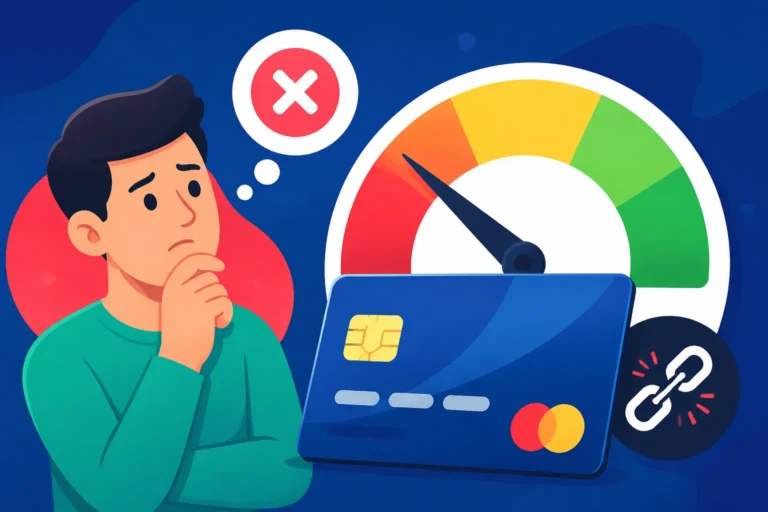
One of the most painful consequences of maxing out a credit card is the dramatic drop it causes in your credit score. This isn't just a minor dip; it can be a significant plunge. Your credit score is heavily influenced by something called credit utilization, which is the amount of credit you're using compared to your total available credit. When a card is maxed out, your utilization jumps to 100% for that card, and likely very high overall if you have other cards. Lenders see this as a high-risk indicator. They interpret it as you being overly reliant on credit or struggling to manage your finances, making you less attractive for future loans, mortgages, or even apartment rentals. Understanding How Credit Card Debt Affects Your Credit Score is crucial here.
Accruing Interest and Minimum Payments
A maxed-out credit card also means you're carrying the largest possible balance, which directly translates to the largest possible interest charges. Credit card interest rates, especially for cards that aren't introductory 0% APR offers, can be notoriously high – often 20% or even higher. Imagine owing $5,000 on a card with a 25% APR; that's over $100 in interest added to your balance every single month before you even make a payment. Your minimum payment will barely scratch the surface of the principal, often just covering the interest and a tiny fraction of what you actually owe. This creates a frustrating cycle where it feels like you're paying, but the balance never truly shrinks. It’s like trying to empty a bathtub with a teaspoon while the faucet is still running.
Impact on Future Borrowing and Opportunities
Beyond your credit score, maxing out a card can severely limit your access to new credit or better terms on existing credit. Need to apply for a car loan, a mortgage, or even a personal loan to consolidate debt? Lenders will scrutinize your credit report, and a maxed-out card will immediately raise concerns. You might be denied outright, or if approved, offered significantly higher interest rates, costing you thousands more over the life of the loan. Some landlords also check credit reports, and a maxed-out card could make it harder to secure housing. Even utility companies or cell phone providers might require a higher deposit if they see a history of maxed-out accounts.
Your Immediate Action Plan
Okay, so you're in this situation. Panicking won't help, but taking immediate, decisive action will. The first few steps are about damage control and setting yourself up for success.
Stop Using the Card Immediately
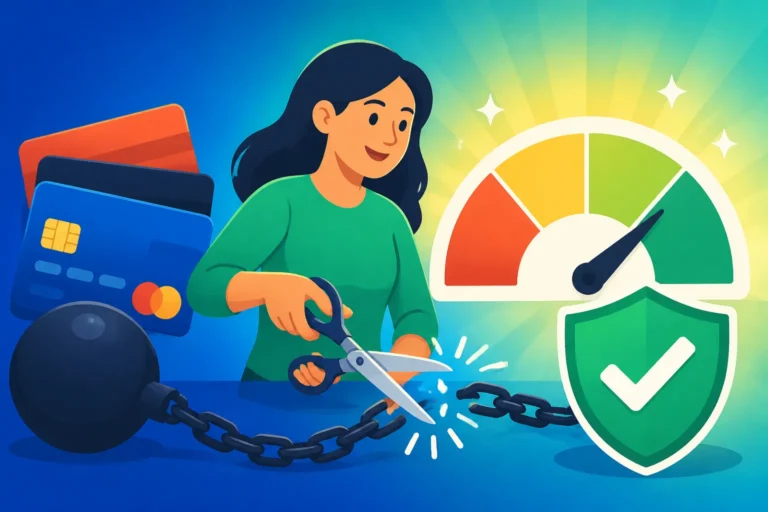
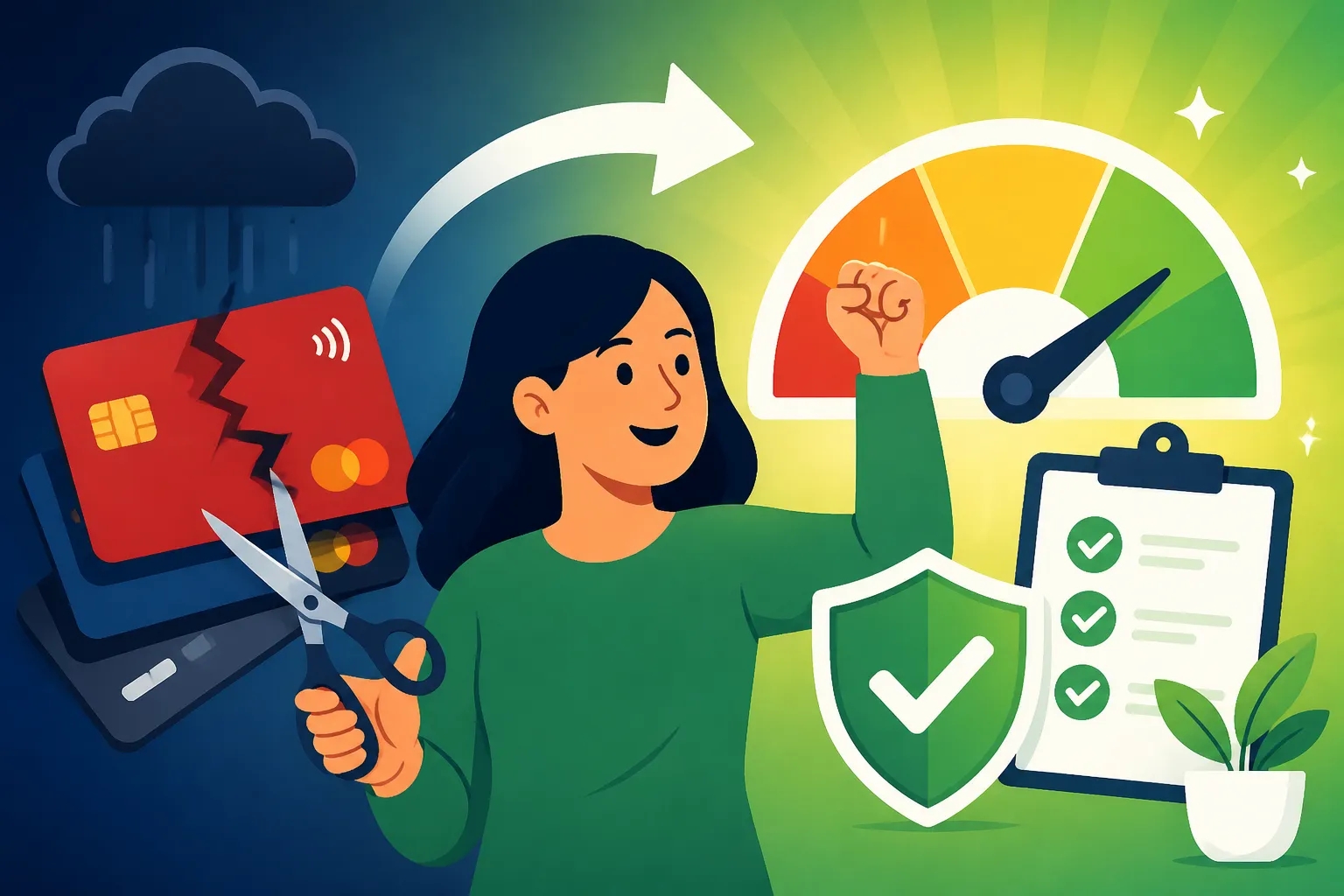
This might sound obvious, but it's the most critical first step. Cut up the physical card if you need to, or remove it from your digital wallets. The goal is to eliminate any temptation to add another dollar to that already overflowing balance. Every new charge adds to the principal, which in turn adds to the interest, making your climb out of debt even steeper. If you have any recurring subscriptions or automatic payments tied to that card, switch them to a debit card or another credit card with a lower balance as soon as possible. This is about slamming the brakes on the problem before it gets any worse.
Assess Your Full Financial Picture
You can't fix a problem until you fully understand it. This means sitting down and taking an honest look at all your income and expenses. Gather your pay stubs, bank statements, and bills. Track every dollar coming in and every dollar going out. Where is your money going? Are there subscriptions you've forgotten about, daily coffees adding up, or unnecessary expenses you can cut back on? This isn't about shaming yourself; it's about gaining clarity and identifying areas where you can free up cash. Many find using a simple spreadsheet or a budgeting app like Mint or YNAB incredibly helpful for this. You might be surprised where your money is actually disappearing.
Prioritize Payments and Contact Creditors
Once you know what you can afford, it's time to decide where that money needs to go. While the immediate goal is to get that maxed-out card down, you need to ensure all other essential bills are covered. If you're struggling to even make minimum payments on all your debts, it's time to reach out for help. Don't be afraid to contact your credit card company. Explain your situation honestly. They might be willing to work with you on a temporary hardship plan, which could involve lowering your interest rate, deferring payments, or waiving fees. While not always successful, it's worth the call. You can also explore options like a Debt Consolidation vs Balance Transfer to simplify payments.
Strategies for Aggressive Debt Payoff
Once you've stopped the bleeding and have a clear picture, it's time to get aggressive. This isn't a quick fix, but consistent effort with a solid strategy will yield results.
The Debt Avalanche Method
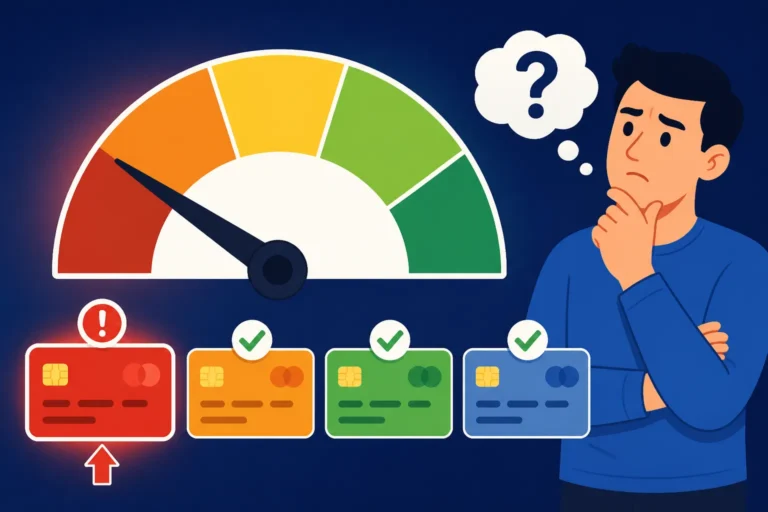
The debt avalanche method is a financially savvy approach to paying off debt. It prioritizes paying down the debt with the highest interest rate first, while still making minimum payments on all other debts. Once that highest-interest debt is completely paid off, you take the money you were paying on it and apply it to the next highest-interest debt. This creates a "snowball" of payments, but because you're targeting the highest interest first, you save the most money over time in interest charges.
For example, if you have a maxed-out credit card at 25% APR and a personal loan at 10% APR, you'd throw every extra dollar at that credit card while only paying the minimum on the personal loan. Once the credit card is gone, you then apply that full payment amount to the personal loan. This method is mathematically the most efficient way to get out of debt. If you're unsure which method suits you best, check out Debt Snowball vs Debt Avalanche: Which Is Better?.
The Debt Snowball Method
The debt snowball method, popularized by financial gurus like Dave Ramsey, focuses on psychological wins. Instead of interest rates, you prioritize paying off your smallest debt first. You still make minimum payments on all other debts, but you throw every extra dollar at the smallest balance. The idea is that seeing a debt disappear completely, even a small one, provides a huge motivational boost that keeps you going. Once that smallest debt is gone, you take the money you were paying on it and apply it to the next smallest debt.
While not as mathematically efficient as the avalanche method (you might pay more in interest over time), the psychological momentum can be incredibly powerful for those who need to see tangible progress to stay motivated. For someone feeling overwhelmed by a maxed-out card, seeing any balance hit zero can be a game-changer.
Increasing Your Income and Cutting Expenses
To truly tackle a maxed-out card, you'll likely need more than just strategic payments; you'll need more cash flow. This means a two-pronged approach: increasing your income and aggressively cutting expenses.
- Boost Your Income: Can you pick up a side hustle? Deliver groceries for Instacart, drive for Uber Eats, freelance your skills, or sell items you no longer need? Even an extra $200-$300 a month can make a significant difference when applied directly to your maxed-out card. Consider asking for more hours at your current job, or exploring opportunities for overtime. Every additional dollar you can bring in is a dollar that can go towards reducing your principal.
- Slash Expenses: Go back to your budget and look for anything that isn't absolutely essential. Meal prep to avoid takeout, cut down on entertainment subscriptions, limit social outings, or find cheaper alternatives for everyday necessities. Even small cuts add up over time. Think about the "latte factor" – that $5 coffee every day costs you $150 a month, which could be an extra principal payment on your card. This guide on How to Get Out of Credit Card Debt (Step-by-Step) has more ideas.
Considering a Balance Transfer or Personal Loan
If you have a decent credit score despite maxing out one card (perhaps you have other cards with low utilization), you might qualify for a balance transfer credit card with a 0% introductory APR. This allows you to move your high-interest balance to a new card and pay it off interest-free for a promotional period (usually 12-21 months). Be warned: you must pay off the balance before the promotional period ends, or the deferred interest can hit hard.
Another option is a personal loan. If you can get a personal loan with a lower interest rate than your credit card, you can use it to pay off the maxed-out card. This converts multiple, high-interest payments into a single, predictable, lower-interest monthly payment. However, personal loans still require a good credit history, and if your credit score has taken a significant hit from maxing out, you might not qualify for favorable terms. Always compare the APRs carefully.
Here's a quick comparison of these payoff strategies:
| Strategy | Primary Focus | Best For | Pros | Cons |
|---|---|---|---|---|
| Debt Avalanche | Highest interest rate | Saving maximum money on interest | Saves the most money long-term | Can feel slow if highest interest is a large debt |
| Debt Snowball | Smallest balance | Boosting motivation with quick wins | Provides psychological momentum and satisfaction | May pay more in total interest |
| Balance Transfer | 0% Intro APR | Temporarily avoiding interest on transfers | Can save a lot of money on interest if paid off in time | Requires good credit; often has a balance transfer fee; interest kicks in if not paid off |
| Personal Loan | Lower, fixed interest rate | Consolidating debt into one predictable payment | Simpler payments; potentially lower interest rate | Requires good credit; may have origination fees; doesn't address spending habits |
Rebuilding and Preventing Future Max-Outs
Getting out of debt is a huge accomplishment, but the journey isn't over. You need to put safeguards in place to ensure you don't end up in the same predicament again.
Building an Emergency Fund
One of the most common reasons people max out credit cards is unexpected expenses. Car repair, medical bill, job loss – life happens. Without an emergency fund, these situations often force people to rely on high-interest credit cards. Your goal should be to build a fund with at least 3-6 months' worth of essential living expenses in a separate, easily accessible savings account. Start small; even saving $500 can prevent you from reaching for that credit card the next time an unexpected cost arises. Think of it as your financial shock absorber.
Monitoring Your Credit Utilization
Once your card balances are down, actively monitor your credit utilization. Experts generally recommend keeping your overall credit utilization below 30%, and ideally even lower, around 10% or less, for the best credit score impact. This isn't just about paying off debt; it's about being mindful of how much of your available credit you're actually using. Keep an eye on your statements and credit monitoring tools (many credit card companies offer free credit score and utilization tracking). Knowing What Is a Good Credit Utilization Ratio? can guide you. If you ever find your utilization creeping up, you'll know it's time to pull back on spending or make an extra payment. Knowing How to Lower Your Credit Utilization Fast is a great proactive measure.
Developing Healthier Spending Habits
True financial freedom comes from changing the habits that led to debt in the first place. This means creating and sticking to a realistic budget, understanding your spending triggers, and making conscious choices about where your money goes.
- Budgeting: Your budget isn't a restrictive cage; it's a map that shows you where your money is going and helps you direct it towards your goals. Review it regularly and adjust as needed.
- Mindful Spending: Before making a purchase, especially a non-essential one, pause and ask yourself if you truly need it, if it aligns with your financial goals, and if you can genuinely afford it without relying on credit.
- Automate Savings: Set up automatic transfers from your checking account to your savings account and debt payment accounts. Even small, consistent transfers add up over time and remove the temptation to spend that money elsewhere.
- Credit Building Tools: While you're focused on paying down debt, remember the importance of establishing a positive credit history. Services like Credit Strong offer credit builder loans that can help you establish a positive payment history and improve your credit mix, which is incredibly useful once you’ve gotten your credit card debt under control. This is a great way to show responsible financial behavior as you climb out of the debt hole.
Building a Stronger Credit History
As you pay down your debt, your credit score will gradually improve. To accelerate this and ensure long-term stability, focus on the fundamentals of a good credit history. This includes making all payments on time, every time, across all your accounts. Consider diversifying your credit mix once your high-interest debt is under control, perhaps with a responsible installment loan in addition to credit cards, if it makes sense for your financial situation. Maintaining a long credit history is also beneficial, so avoid closing old, paid-off accounts if they don't have annual fees. If you're looking for ways to actively improve your score, understanding How to Build Credit After Debt Settlement (even if you haven't settled debt) can offer valuable insights.
Remember, getting out of debt and staying out requires persistence and a commitment to new financial habits. It's a journey, not a sprint, but one that is absolutely worth taking for your peace of mind and future opportunities. If you've been working hard to pay off a maxed-out card, a tool like Credit Strong can complement your efforts by actively helping you build a positive payment history alongside your debt reduction. It's about setting yourself up for financial success from all angles.
Disclaimer
This article is for general informational purposes only and does not constitute professional advice. Laws, prices and regulations vary by location and change over time. Consult a qualified professional for guidance on your specific situation.