How to Lower Your Credit Utilization Fast
Feeling stuck with a credit score that just won't budge? It's incredibly frustrating to know that something as seemingly simple as how much you've used on your credit cards can drag down your financial standing. High credit utilization is a huge roadblock for many, impacting everything from loan approvals to interest rates. This comprehensive guide will walk you through exactly what credit utilization is, why it matters so much, and, most importantly, actionable strategies to lower your credit utilization fast and see your credit score climb.
Understanding What Credit Utilization Actually Means
Let's cut through the jargon for a moment. Your credit utilization ratio is essentially how much of your available credit you're currently using. Think of it like this: if you have a credit card with a $1,000 limit and you've spent $300 on it, your utilization for that card is 30%. If you have multiple cards, the bureaus look at both your individual card utilization and your overall utilization across all your accounts. This isn't just some arbitrary number; it's a huge factor in your FICO and VantageScore credit scores, making up about 30% of their calculation.
Why High Utilization Is a Red Flag
From the perspective of lenders, high credit utilization signals risk. If you're consistently using a large chunk of your available credit, it can look like you're over-reliant on credit or potentially struggling financially. It suggests that you might have trouble managing your debts, making you a less attractive borrower. This perception can lead to higher interest rates on new loans, denials for credit applications, or even lower credit limits from your existing creditors, creating a vicious cycle.
Imagine you're trying to get a new car loan, and the lender pulls your credit report. If they see you're consistently maxing out your credit cards or hovering near your limits, they might assume you're already stretched thin and hesitate to lend you more money, or they'll offer you a loan with an exorbitant interest rate to offset their perceived risk. It's a snapshot of your spending habits that speaks volumes about your financial health to potential creditors. This is why understanding Credit Utilization: The Complete Guide is so crucial for anyone looking to improve their financial standing.
The Ideal Utilization Ratio
So, what's the magic number? While there's no single perfect ratio, the general consensus among financial experts is to keep your overall credit utilization below 30%. Some even aim for under 10% for an excellent credit score. The lower, the better, typically. For instance, if your total credit limit across all your cards is $10,000, you'd want to keep your total outstanding balance below $3,000. Going above this threshold can start to negatively impact your scores, and the higher it goes, the more severe the impact.
It's not just about the total, either. Individual card utilization matters. If you have five cards, each with a $2,000 limit, and you have one card maxed out at $2,000 while the others are at zero, your overall utilization might be low, but that single maxed-out card could still drag your score down. It's best to spread out your usage or, ideally, keep balances low across all your accounts.
Strategic Payments to Reduce Balances
The most direct way to lower your credit utilization is, of course, to pay down your balances. But simply making minimum payments won't cut it if you're looking for fast results. You need a strategic approach to debt repayment that targets those high utilization numbers.
Paying More Than the Minimum
This might sound obvious, but it's often overlooked in the face of tight budgets. If you're only paying the minimum due on your credit cards, you're barely chipping away at the principal, especially with high-interest rates. Most of your minimum payment goes towards interest, leaving you stuck in a cycle where your utilization ratio stays stubbornly high.
To lower your credit utilization fast, you need to commit to paying more than the minimum whenever possible. Even an extra $20 or $50 above the minimum can make a significant difference over time, accelerating your path to a lower balance and a better credit score. Consider redirecting any unexpected income, like a bonus, a tax refund, or even money saved from cutting out a few non-essentials, directly to your credit card balances. This commitment is a fundamental step in How to Pay Off Credit Card Debt Fast.
Multiple Payments Per Month
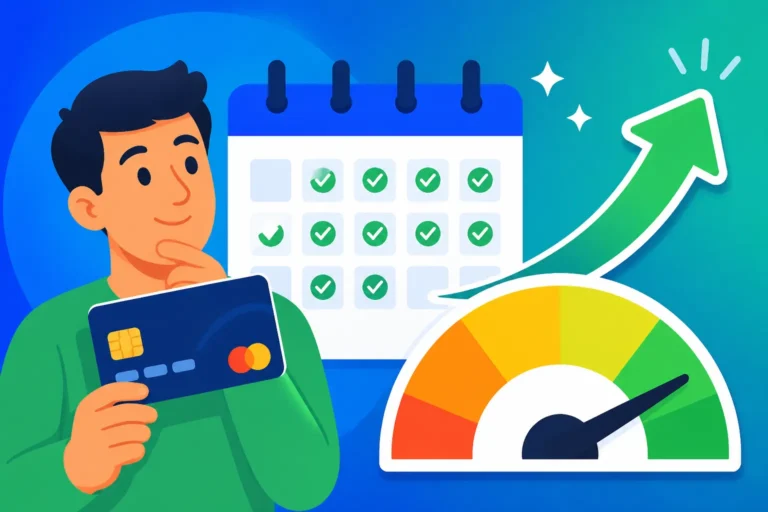
Did you know you don't have to wait for your statement to arrive to make a payment? Credit card companies typically report your balance to the credit bureaus once a month, usually around your statement closing date. If you make multiple payments throughout the billing cycle, you can ensure that a lower balance is reported to the credit bureaus.
For example, if your statement closes on the 15th of each month, and you make a large purchase on the 1st, instead of waiting until the due date, pay off a portion of that purchase (or the entire thing) before the 15th. This way, when the issuer reports your balance to Equifax, Experian, and TransUnion, it reflects a much lower amount, instantly improving your reported utilization. This tactic is especially powerful for those who use their cards frequently but want to maintain a low utilization for credit scoring purposes.
Targeting High-Utilization Cards First
If you have multiple credit cards, some might have higher utilization ratios than others, even if they don't carry the largest balances. For example, a card with a $500 limit and a $400 balance has an 80% utilization, which is far worse for your score than a card with a $5,000 limit and a $1,000 balance (20% utilization).
Prioritize paying down the cards with the highest individual utilization ratios first. This strategy is similar to the "debt avalanche" method, where you tackle the debt with the highest interest rate first, but here we're focusing on the highest utilization. By reducing the ratio on these specific cards, you can often see a more immediate positive impact on your credit score. Once one card's utilization is under control, move to the next highest, and so on.
Increasing Your Available Credit
While paying down debt is crucial, another effective way to lower your credit utilization ratio is to increase your total available credit. This approach changes the "denominator" of the ratio, making your current balances look smaller in comparison.
Requesting a Credit Limit Increase
One of the quickest ways to increase your available credit is to ask your current credit card issuers for a credit limit increase. If you've been a responsible cardholder, paying on time, and have had the card for a while, you have a good chance of being approved. However, be cautious: requesting an increase can sometimes lead to a hard inquiry on your credit report, which could temporarily ding your score.
Before you ask, check your card issuer's policy. Some perform a soft inquiry (which doesn't affect your score), while others conduct a hard inquiry. If it's a hard inquiry, weigh the potential short-term dip against the long-term benefit of lower utilization. Only pursue this if you're confident you won't be tempted to spend more just because you have a higher limit. The goal here is to decrease your utilization, not to take on more debt. For more insights, refer to our article on Does a Credit Limit Increase Hurt Your Score?.
Opening a New Credit Card
Opening a new credit card can also increase your overall available credit, thus lowering your credit utilization. If you get approved for a card with a decent limit, it immediately adds to your total available credit. However, this strategy comes with its own set of risks and considerations.
First, applying for a new credit card results in a hard inquiry on your credit report, which can cause a temporary dip in your score. Second, a new account will lower the average age of your credit accounts, another factor in your credit score, which might also cause a small dip. Third, and most importantly, you must have the discipline to not use this new credit to rack up more debt. This approach is only beneficial if you keep the new card's balance low (ideally zero) and continue to pay down your existing debts. For those new to credit, understanding How to Build Credit From Scratch (2026 Guide) can provide helpful context before considering a new card.
Becoming an Authorized User
If you have a trusted family member or friend with excellent credit management skills and a high-limit, low-utilization credit card, asking them to add you as an authorized user can quickly boost your available credit. When you become an authorized user, that card's credit limit and payment history (for better or worse) might appear on your credit report, immediately increasing your available credit and potentially improving your utilization ratio, as long as the primary cardholder keeps their utilization low.
This is a strategy to consider carefully, as it relies on someone else's financial behavior. If the primary cardholder starts overspending or missing payments, it could negatively impact your credit score as well. Always ensure you're added to an account with a long, positive payment history and low utilization.
Debt Management Strategies for Lasting Change
While immediate actions can help lower your utilization in the short term, sustainable change requires a robust debt management strategy. This is about more than just numbers; it's about building healthy financial habits.
Balance Transfers to 0% APR Cards
If you're carrying high-interest credit card debt, a balance transfer card can be a lifesaver. These cards typically offer an introductory 0% APR period for 12 to 21 months, allowing you to transfer existing balances from other cards and pay them down without accruing additional interest. This can free up more of your payment to go directly towards the principal, significantly accelerating your debt reduction efforts.
However, there are a few caveats. Most balance transfer cards charge a balance transfer fee, usually 3-5% of the transferred amount. Also, it's crucial to pay off the transferred balance before the 0% APR period expires, as interest rates can skyrocket afterward. Avoid making new purchases on the balance transfer card during the promotional period. This move requires discipline and a solid repayment plan. To learn more about how this works, check out Balance Transfer Cards: How They Work and How to Do a Balance Transfer (Step-by-Step).
Debt Snowball or Debt Avalanche Methods
These are two popular debt repayment strategies that can help you systematically tackle your credit card debt.
- Debt Snowball Method: You list your debts from the smallest balance to the largest, regardless of interest rate. You make minimum payments on all but the smallest debt, on which you focus all your extra payments. Once the smallest debt is paid off, you take the money you were paying on it and add it to the minimum payment of the next smallest debt. This method provides psychological wins as you pay off each debt, keeping you motivated.
- Debt Avalanche Method: You list your debts from the highest interest rate to the lowest. You make minimum payments on all but the debt with the highest interest rate, on which you focus all your extra payments. Once the highest-interest debt is paid off, you move on to the next highest. This method saves you the most money on interest over time.
Both methods are effective in their own right, and the best choice depends on your personality and what motivates you most. The important thing is to choose a method and stick with it. Our guide on Debt Snowball vs Debt Avalanche: Which Is Better? can help you decide.
Credit Builder Loans
If you're struggling to get traditional credit or need a structured way to manage payments while building a positive credit history, a credit builder loan might be a good option. Companies like Credit Strong offer these unique loans. With a credit builder loan, you make regular payments into a savings account, which is then released to you once the loan term is complete. The payments are reported to the credit bureaus, establishing a positive payment history and showing responsible credit utilization as the "loan" balance decreases.
While not directly a "pay down existing debt" strategy, a credit builder loan can indirectly help your credit utilization over time by strengthening your overall credit profile, potentially leading to higher credit limits on other accounts or better terms for future credit. It’s an excellent tool for those focused on improving their credit mix and How to Raise Your Credit Score (Step-by-Step). You can learn more about these in Credit Builder Loans Explained (Self, Kikoff & More).
Monitoring Your Credit and Financial Health
Lowering your credit utilization isn't a one-and-done task. It requires ongoing vigilance and proactive monitoring of your financial situation. Regularly checking your credit report and scores is paramount to ensure your efforts are paying off and to catch any discrepancies.
Regularly Check Your Credit Report
You're entitled to a free copy of your credit report from each of the three major bureaus—Equifax, Experian, and TransUnion—once every 12 months through AnnualCreditReport.com. It's a smart habit to pull one report every four months (e.g., Experian in January, Equifax in May, TransUnion in September) to keep an eye on your accounts. This allows you to monitor for any errors, fraudulent activity, or unexpected changes in your credit limits or reported balances.
Checking your credit report won't impact your credit score (it's a soft inquiry), and it's your best defense against surprises. You might find an old account you forgot about, or even an incorrect balance that's impacting your utilization. If you spot errors, it's vital to dispute them promptly.
Utilizing Credit Monitoring Services
Many credit card companies, banks, and third-party services offer free credit monitoring. These services often provide you with a credit score (usually a VantageScore) and alert you to significant changes on your credit report, such as new accounts being opened, hard inquiries, or large balance changes. Services like Credit Karma, Experian, and Credit Sesame can give you regular updates.
While these scores might differ slightly from the FICO scores lenders typically use, they are excellent indicators of your credit health and can help you track your credit utilization ratio as it changes. Seeing your credit score improve as you lower your utilization can also be incredibly motivating, reinforcing your positive financial habits.
| Strategy | Impact on Utilization | Speed of Impact | Potential Risks | Best For |
|---|---|---|---|---|
| Paying More Than Minimum | High | Medium | Requires income/budget discipline | Anyone with extra cash flow |
| Multiple Payments Per Month | High | Fast | Requires diligent tracking of balances and statement dates | Those who use credit cards frequently and want to optimize reporting |
| Targeting High-Utilization Cards | High | Medium | Requires focus and resisting temptation to use other cards | Individuals with multiple cards and uneven utilization |
| Credit Limit Increase | Medium | Medium | Hard inquiry risk; temptation to overspend | Responsible cardholders with good payment history |
| Opening a New Credit Card | Medium | Medium-Slow | Hard inquiry, lower average credit age, temptation to overspend | Those with a thin credit file or needing more available credit, with discipline |
| Balance Transfer | High | Fast | Balance transfer fees, high APR after intro period, requires repayment plan | Individuals with high-interest credit card debt and a plan to pay it off |
| Debt Snowball/Avalanche | High | Slow-Medium | Requires sustained effort over time | Anyone with multiple debts looking for a structured repayment plan |
| Credit Builder Loan (e.g., Credit Strong) | Indirectly low | Slow | Requires consistent payments | Individuals rebuilding credit or establishing a new credit history |
Avoiding Common Credit Utilization Mistakes
Even when you're actively trying to lower your utilization, it's easy to fall into common traps that can derail your progress.
- Maxing Out a Single Card: Even if your overall utilization is low, having one card at or near its limit looks bad to lenders. It shows a lack of discipline with that particular account. Always try to keep balances low across all your cards. This goes back to How Much of Your Credit Limit Should You Use?.
- Closing Old Accounts: While it might seem counterintuitive, closing an old credit card account can actually hurt your utilization. When you close an account, you lose that card's credit limit, which immediately reduces your total available credit and can suddenly push your utilization ratio higher. It also shortens your average credit age, another factor in your score.
- Ignoring Your Statement Closing Date: Remember, your credit card issuer reports your balance to the credit bureaus around your statement closing date, not your payment due date. If you pay off your card after the statement closes, that higher balance will still be reported, even if you pay it in full by the due date. Timing your payments strategically is key.
- Not Monitoring Your Progress: Without regularly checking your credit scores and reports, you won't know if your efforts are working or if there are new issues impacting your utilization. Consistent monitoring is essential for sustained improvement.
By understanding these common pitfalls and actively avoiding them, you can ensure your hard work in lowering your credit utilization translates into the credit score improvements you deserve.
The Long-Term Benefits of Low Credit Utilization
Achieving and maintaining a low credit utilization ratio isn't just about getting a good number on your credit score; it's about unlocking a world of financial opportunities and peace of mind.
Access to Better Loan Products
When lenders see you responsibly manage your credit and keep your utilization low, they view you as a much lower risk. This translates directly into access to better loan products. You'll be offered lower interest rates on mortgages, car loans, and personal loans, saving you potentially thousands of dollars over the life of these debts. A lower interest rate on a mortgage, for example, could mean a significantly lower monthly payment or a faster path to homeownership.
Furthermore, you're more likely to be approved for the credit you need when you need it, whether it's for a major purchase or an unexpected emergency. Your strong credit profile speaks volumes about your financial reliability.
Higher Credit Limits and Better Credit Card Offers
As your credit utilization stays low and your score improves, credit card issuers are more likely to offer you higher credit limits proactively. These unsolicited increases can further improve your utilization ratio (assuming you don't increase your spending), creating a positive feedback loop. You'll also start receiving invitations for premium credit cards with attractive rewards programs, cash back incentives, and even more competitive interest rates.
These benefits can make your everyday spending more rewarding and provide greater financial flexibility, all thanks to diligent credit management.
Reduced Financial Stress
Perhaps one of the most underrated benefits of a healthy credit utilization ratio and a strong credit score is the reduction in financial stress. Knowing that your credit is in good shape means one less thing to worry about. You're better positioned to handle financial emergencies, pursue your goals like buying a home or starting a business, and generally feel more secure about your financial future.
It empowers you to make financial decisions from a position of strength, rather than being limited by a poor credit score. This peace of mind is truly invaluable. The journey to a better credit score is a marathon, not a sprint, but every step towards lower utilization contributes to a more stable and prosperous financial life. Keeping your Payment History: Why It's 35% of Your Score spotless is another cornerstone of this stability.
Disclaimer
The information provided in this article is for general educational purposes only and should not be considered financial or legal advice. Credit laws and regulations can change, and individual financial situations vary. Always consult with a qualified financial advisor or credit counselor for personalized advice tailored to your specific circumstances.